Catherine Gracey
Open Scholarship and Applied Sciences Librarian at the University of New Brunswick
Pre-university, I had never had to do research! So when I got my first research assignment, I wrote my outline, then hopped onto Google Scholar to find papers that supported what I had to say. I had literally a million results to look through, but just picked the first few, and wrote a... not great paper. I didn't really figure out how to do this until graduate school, but want to save you from 4 years of this!
Keep track of which article says what - so you aren't frantically reviewing an hour before the submission deadline
While Google Scholar (or AI tools) are easy to use, they wouldn't necessarily be my first choice (we'll talk about why in a second)
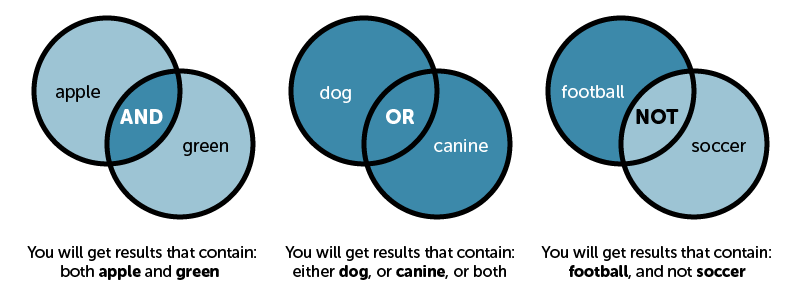
You, as CS students, actually already understand this! Bibliographic databases operate using Boolean logic
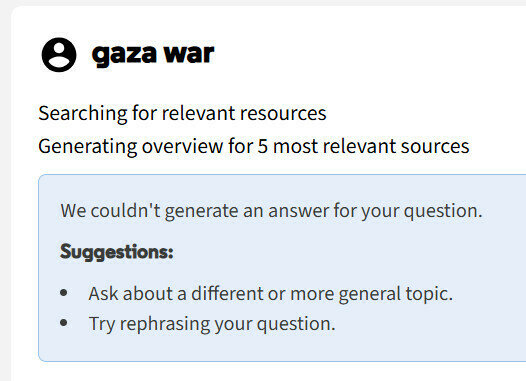
When using a a) search engine or b) AI tool you will typically receive a) too many results to review or b) a set number of results based on your request/your subscription level
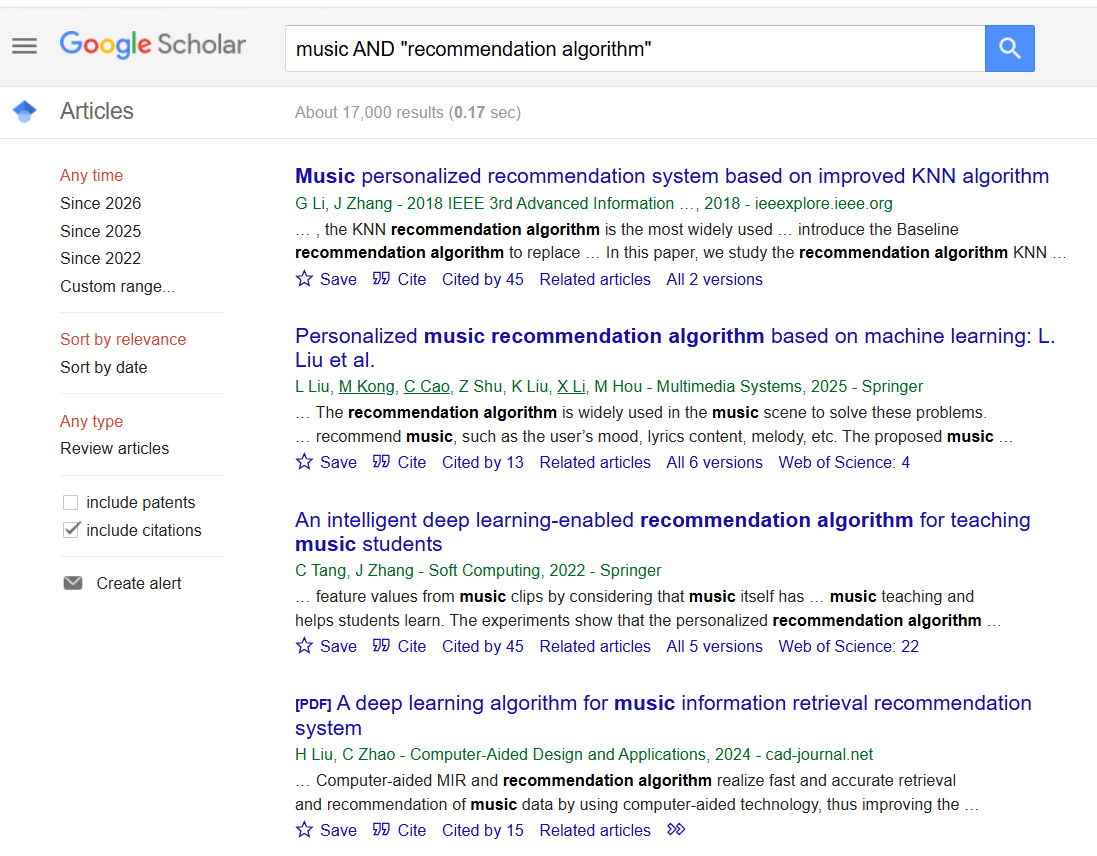
Recommendation algorithms, while helpful with Spotify/Netflix, can be problematic when trying to capture unbiased research, you may just be fed information that confirms your bias/stance
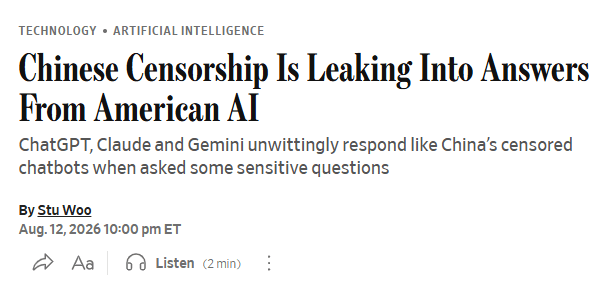
AI tools depend on web scraping, or pulling in vast swaths of information. Databases have specific inclusion criteria, filtering out some of the slop.
When using a a) search engine or b) AI tool you will typically receive a) too many results to review or b) a set number of results based on your request/your subscription level
Recommendation algorithms, while helpful with Spotify/Netflix, can be problematic when trying to capture unbiased research, you may just be fed information that confirms your bias/stance
AI tools depend on web scraping, or pulling in vast swaths of information. Databases have specific inclusion criteria, filtering out some of the slop.
Individual research contributions
Traditionally like magazines/books, now virtual collections of articles
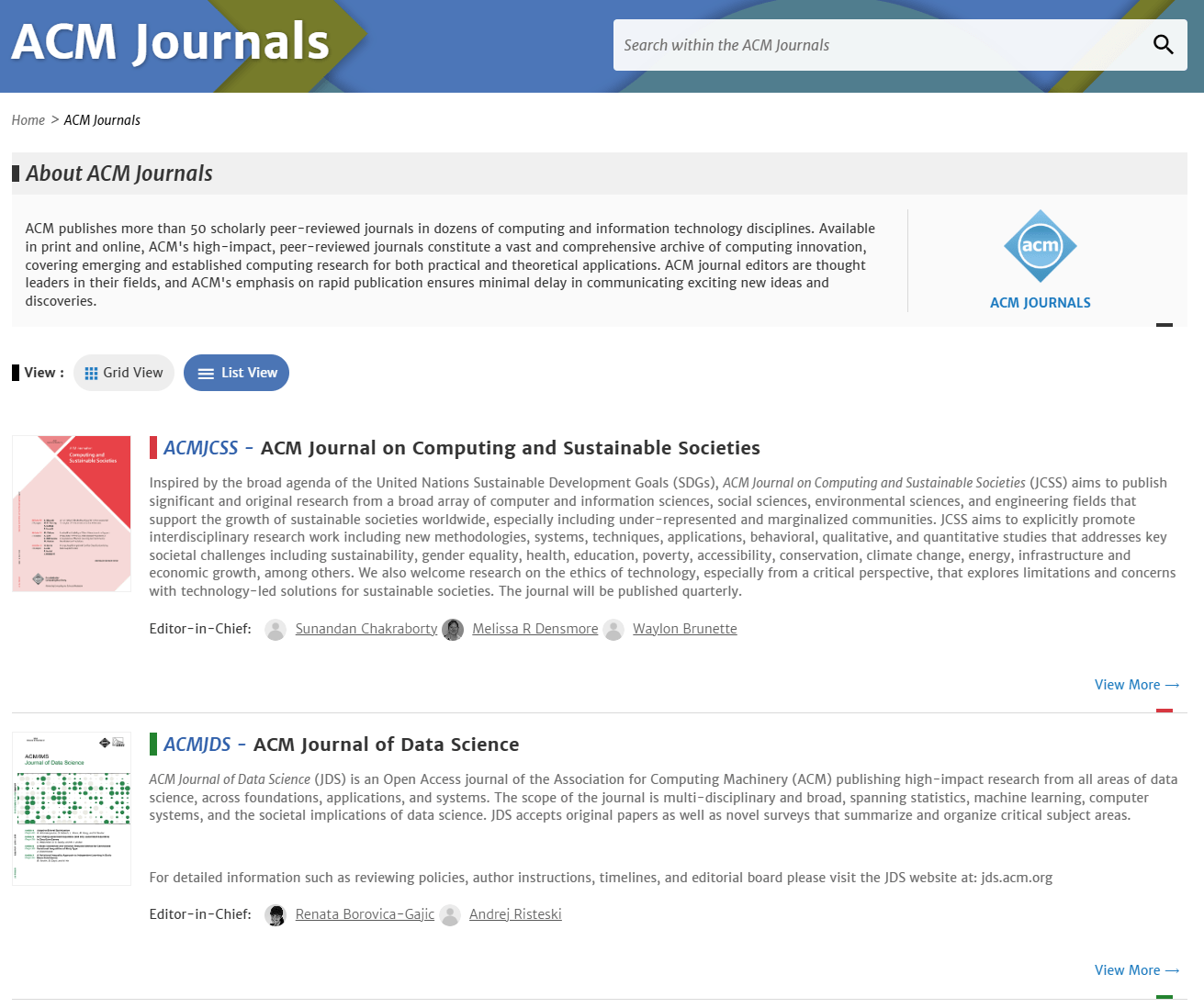
Libraries or collections of journals/conference proceedings/more
Umbrella term for works written/presented by an academic authority
Might include articles, books, conference presentations, reports
Does not include blogs, Wikipedia, etc.
Not necessarily peer-reviewed
Refers to a specific process where other academics have provided feedback
Generally refers to works published in a journal
Depending on who you ask, does not include conference presentations, books
Not the most important thing! Clarify with your prof which they are looking for!
The old signage tried to say everything. We kept only what a visitor needs in three seconds — where am I, where next — and let one bold shape per floor do the rest.
The old signage tried to say everything. We kept only what a visitor needs in three seconds — where am I, where next — and let one bold shape per floor do the rest.
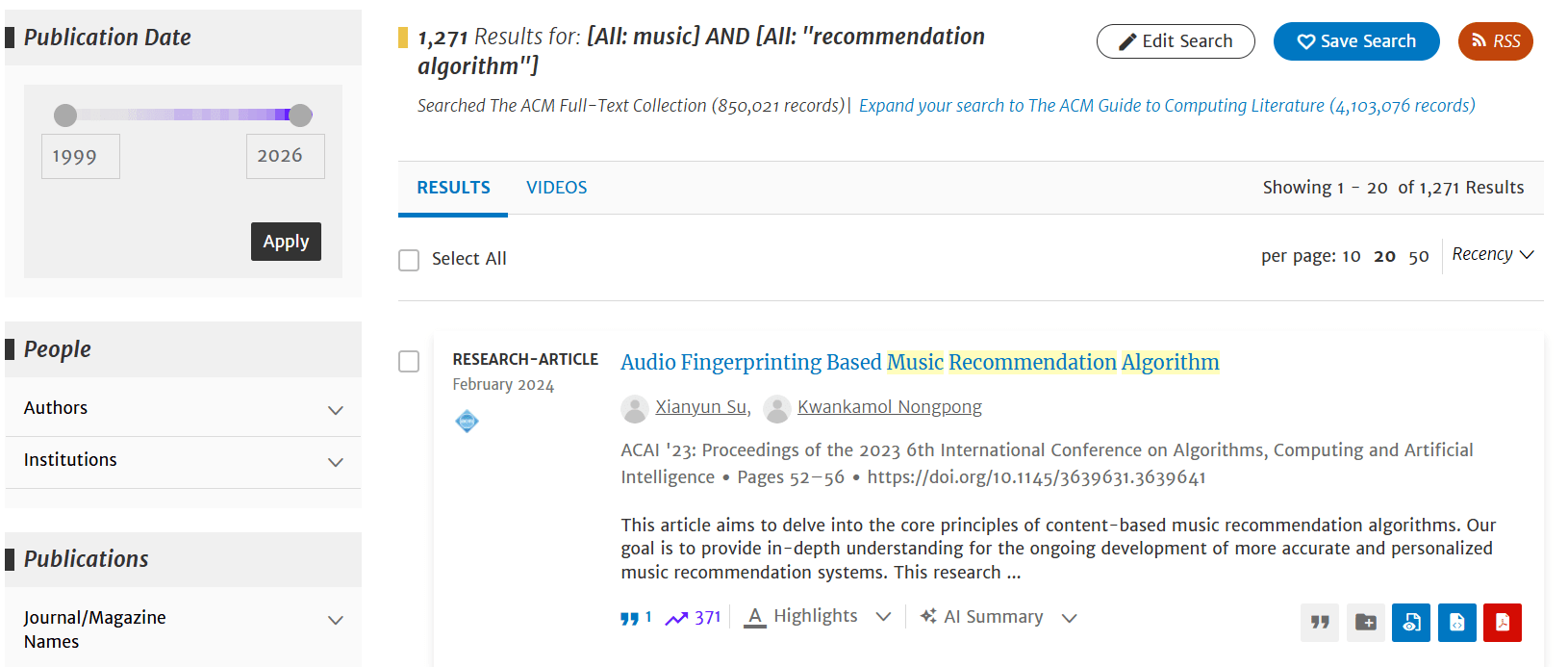
Let's go back to the example on music and recommendation algorithms
We're going to keep it really broad to start
Now, I want you to look for a specific article
Your advisor said they attended a fascinating poster session in Toronto on Smart Home Security
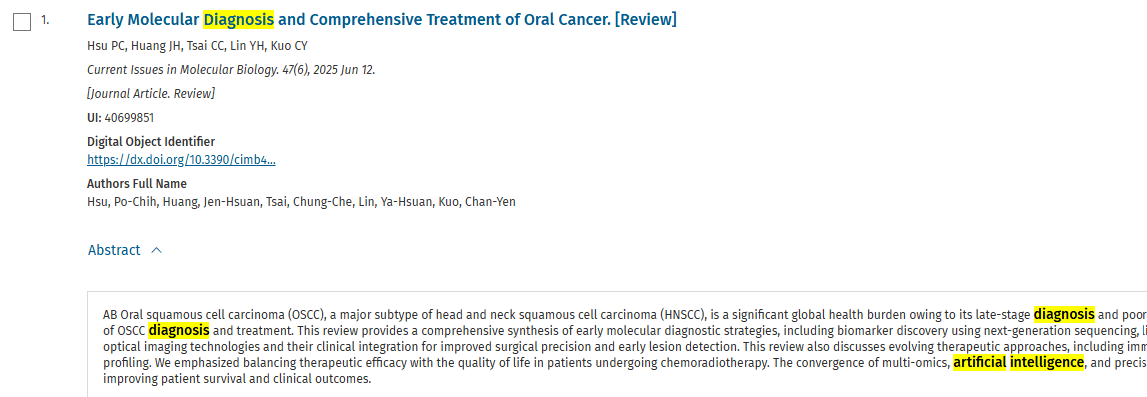
Use metadata options in Advanced Search and/or filters to find the correct poster
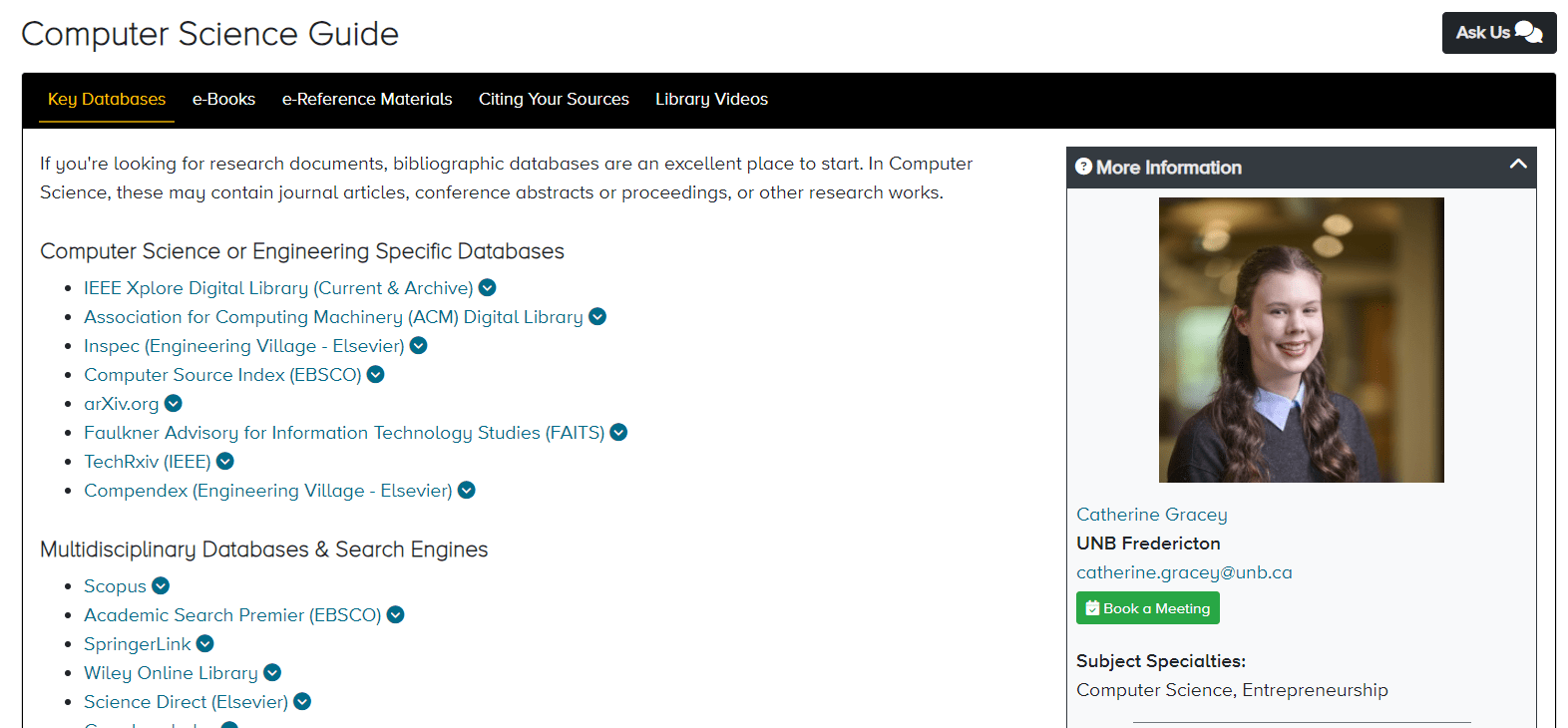
Focused on a specific discipline
Computer Science, Sociology, Education
For our purposes, ACM, Compendex, IEEE
Best for explicitly CS focused research
Cover two or more disciplines
Scopus, Web of Science, etc.
Helpful for Research Questions that cross disciplines
Closer to a search engine in terms of coverage (but still better quality)
catherine.gracey@unb.ca
By Catherine Gracey