Similarities and differences between optical and radio interferometry
David Buscher
21st NRAO Synthesis Imaging Summer School

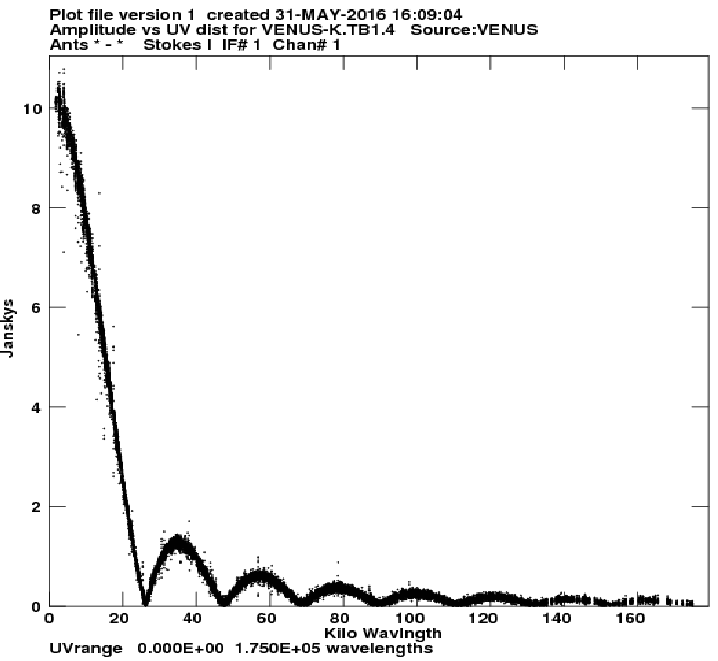
Venus @ 19GHz (Perley 2016)
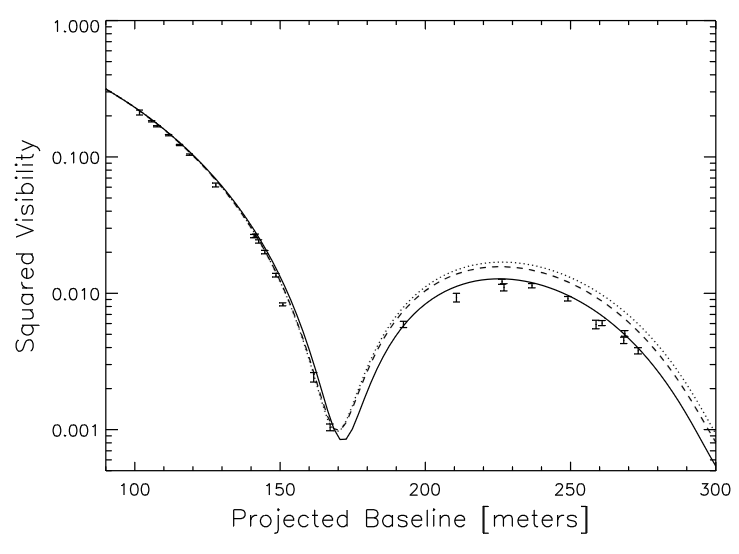
Vega @ 136 THz (Aufdenberg+ 2006)
We will order the comparison from the fundamental to the contingent
- Physics: coherence, quantum optics, thermodynamics
- Environment: atmospheric "seeing"
- Technology: telescopes, waveguides, delay lines, detectors, data analysis
Measurement equation
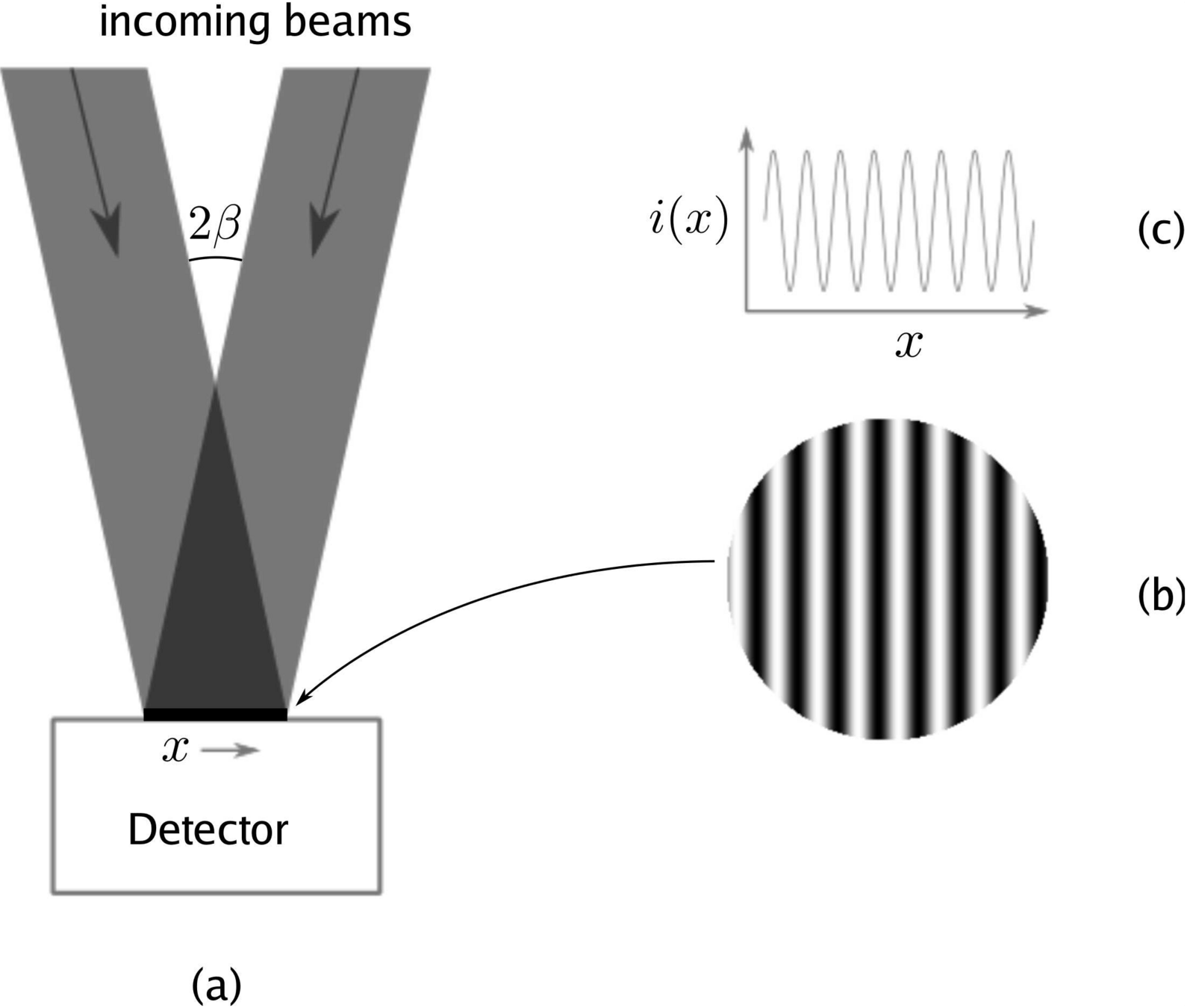
Optical fringe patterns measure the correlation of fields from the telescopes
\begin{aligned}
i(x)\propto &\left\langle\left|E_1+E_2 e^{2\pi i k x}\right|^2\right\rangle \\
=&\left\langle\left|E_1\right|^2\right\rangle+\left\langle\left|E_2\right|^2\right\rangle\\
&+2\Re\left\{\left\langle E_1 E_2^*\right\rangle e^{2\pi i k x}\right\}
\end{aligned}
The measurement equation scales straightforwardly with wavelength
V_\nu(u, v)=\iint I_\nu(l, m) e^{-2 \pi i \left(u l+v m\right)}\,\text{d} l \text{d} m
(u,v, w)=\boldsymbol{b}/\lambda
In the optical we often normalise to give the "Michelson visibility":
V_\nu(u,v)/V_\nu(0,0)
Coherent
Amplifiers
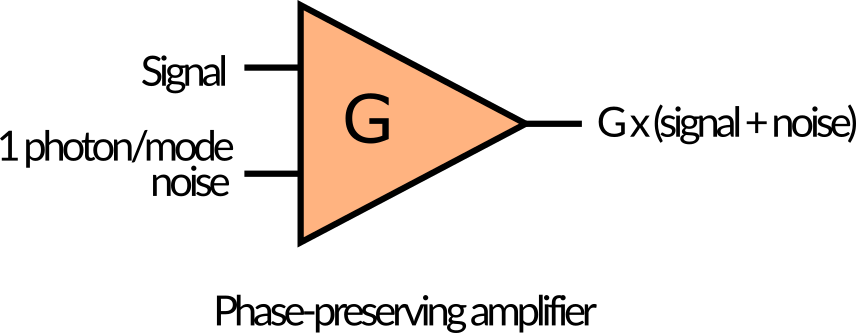
Quantum effects limit the performance of coherent amplifiers (Cave 1982)
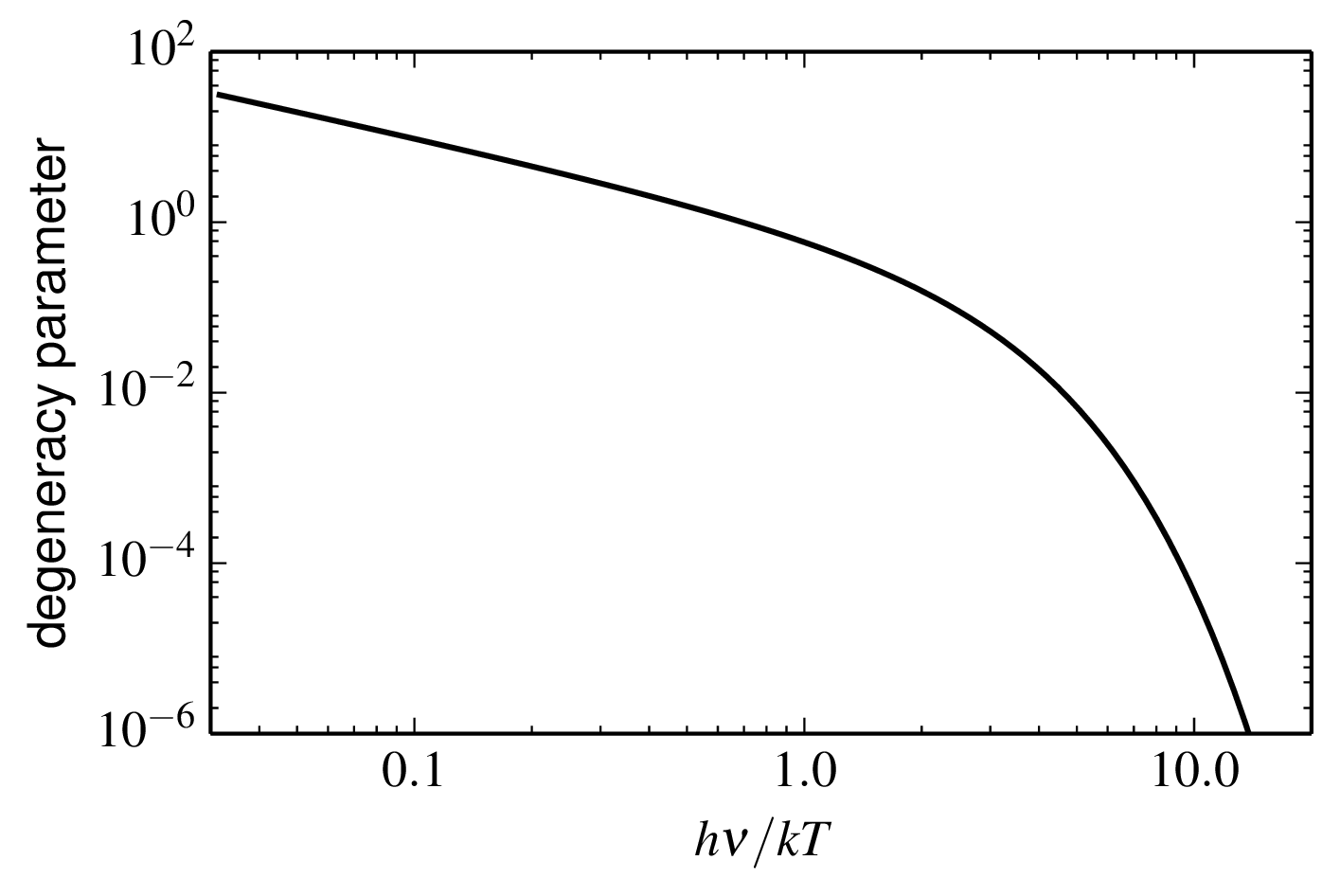
Astronomical sources emit a limited number of photons per mode
\lambda = 1\,\text{cm, }T=3\,\text{K}\\
\Rightarrow \delta \approx 1.64
\lambda = 0.5\,\mu\text{m, }T=6000\,\text{K}\\
\Rightarrow\delta \approx 0.008
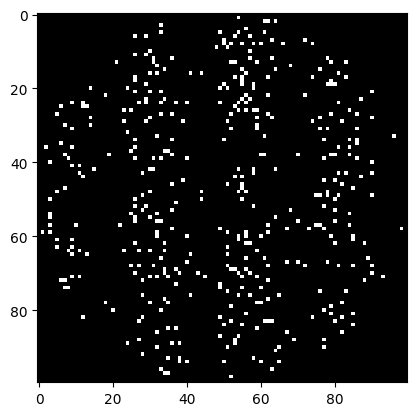
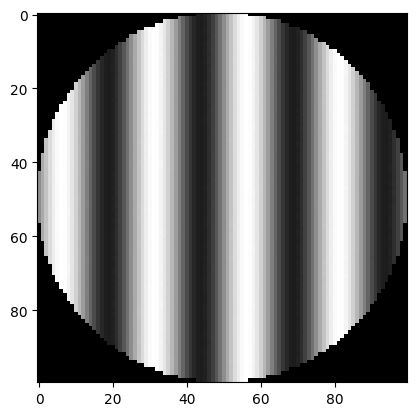
Interfering unamplified light gives the best sensitivity at optical wavelengths
Atmospheric
seeing
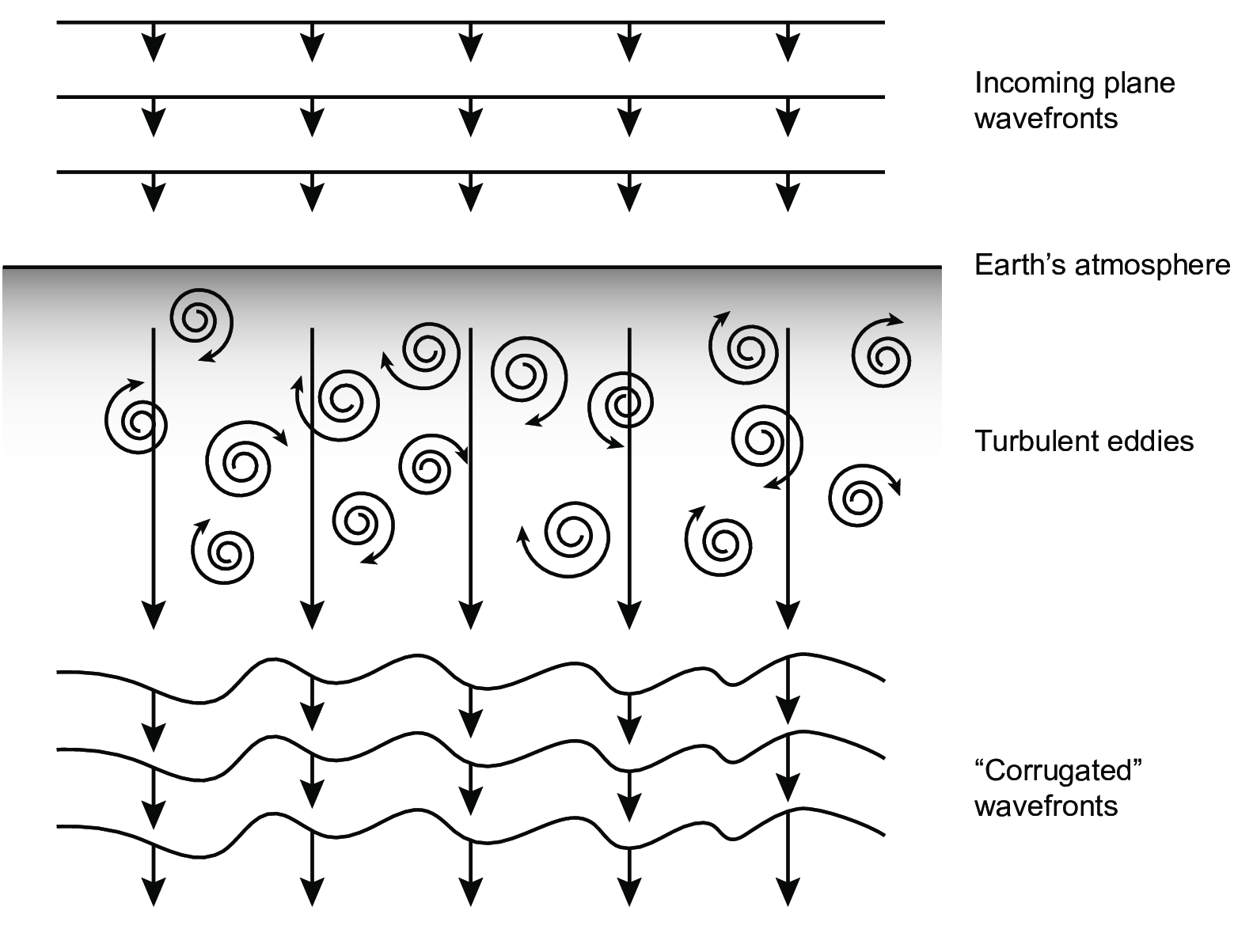
Radio wavelengths: water vapour
Optical wavelengths: temperature
Atmospheric "seeing" is caused by turbulent mixing of refractive index inhomogeneities
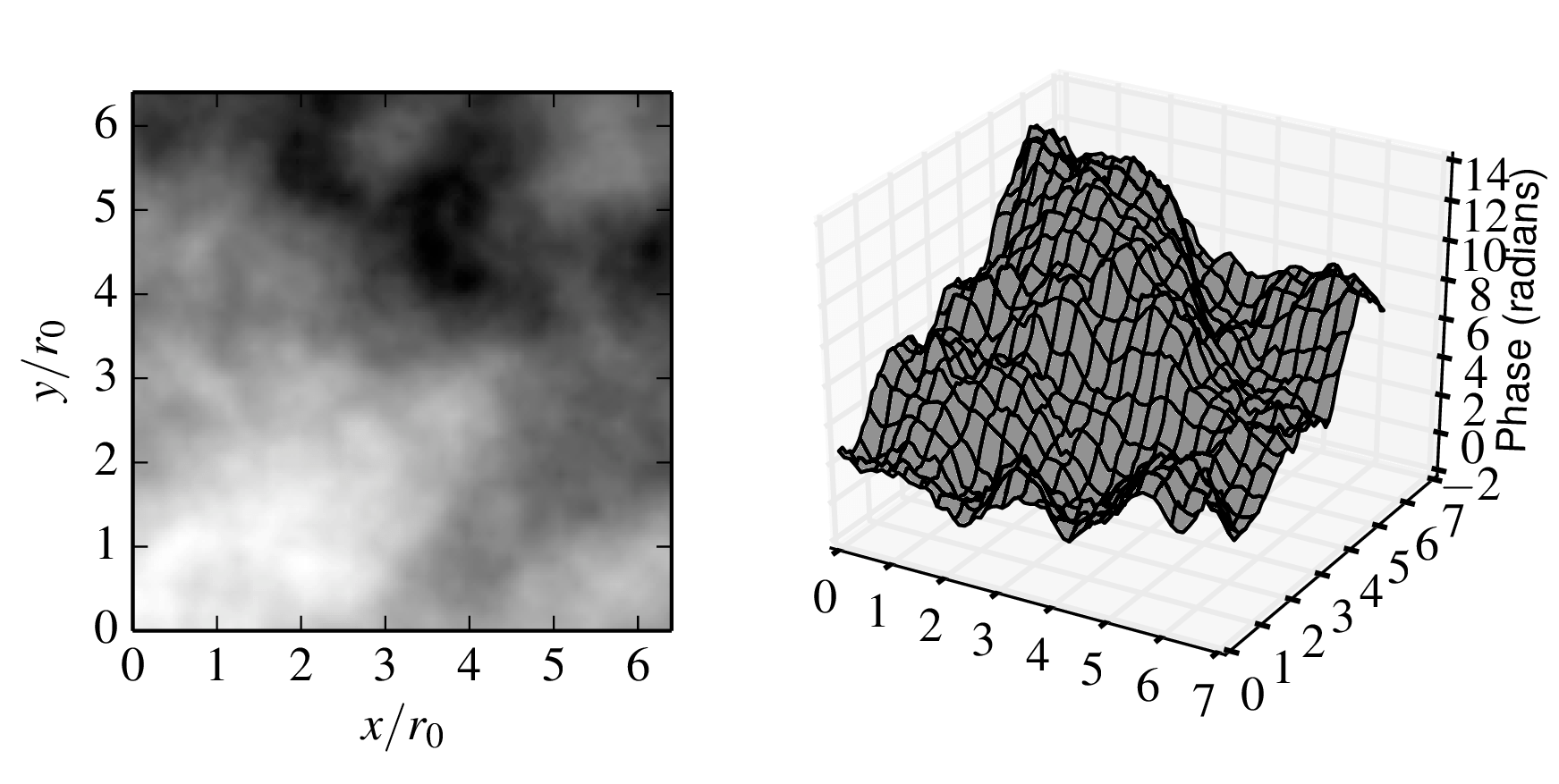
The wavefront corrugations have a fractal spatial structure
The Fried parameter defines a spatial scale over which the perturbations are ~1 radian
\begin{aligned}
D_{\phi}(\boldsymbol r,\boldsymbol r^{\prime})\equiv&\left\langle \left| \phi(\boldsymbol r^{\prime}+\boldsymbol r) - \phi(\boldsymbol r^{\prime}) \right|^{2}
\right\rangle\\
D_{\phi}(\boldsymbol r)=&6.88(r/r_{0})^{5/3}
\end{aligned}
The Fried parameter increases with increasing wavelength
r_0\propto \lambda^{6/5}
r_0 \sim 100\,\text{m -- 1\,km at radio wavelengths}
r_0 \sim 10\,\text{cm at optical wavelengths}
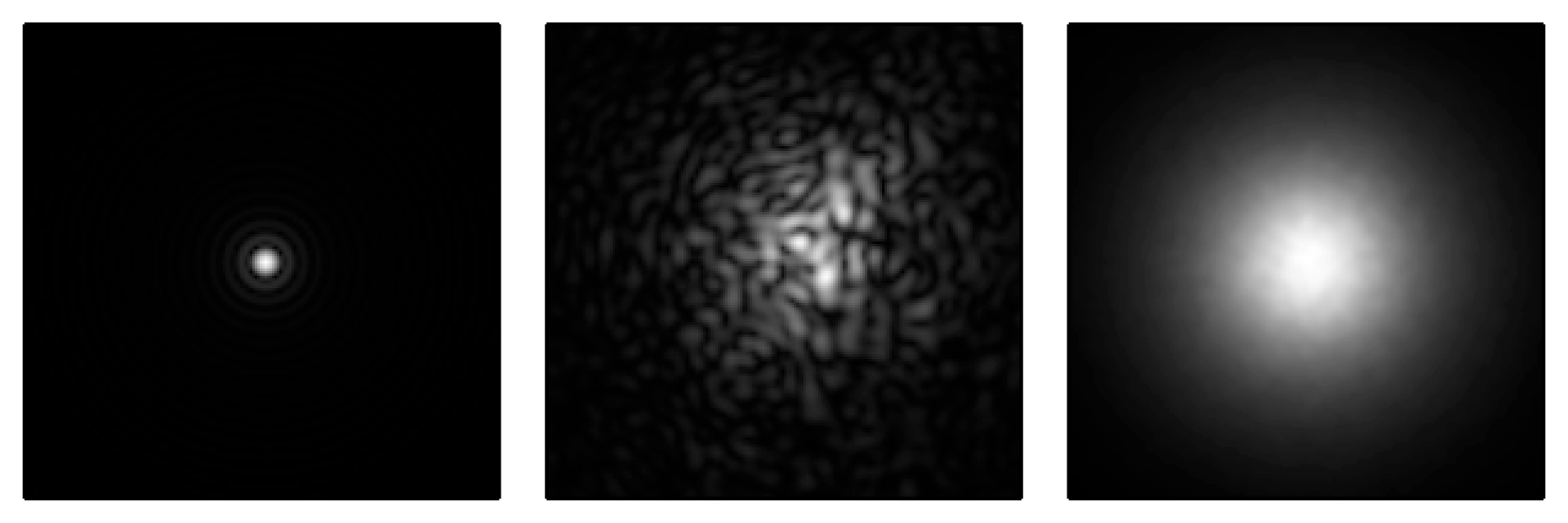
Wavefront perturbations across a single aperture are >>1 radian in the optical
Wind transport of the refractive index perturbations leads to temporal fluctuations
\begin{aligned}
D_{\phi}(t)\equiv&\left\langle \left|\phi(\boldsymbol r,t^{\prime}+t)-\phi(\boldsymbol r,t^{\prime})\right|^{2} \right\rangle=(t/t_{0})^{
5/3}\\
t_{0}\propto&\frac{r_{0}}{v}
\end{aligned}
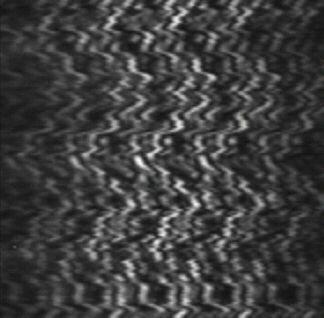
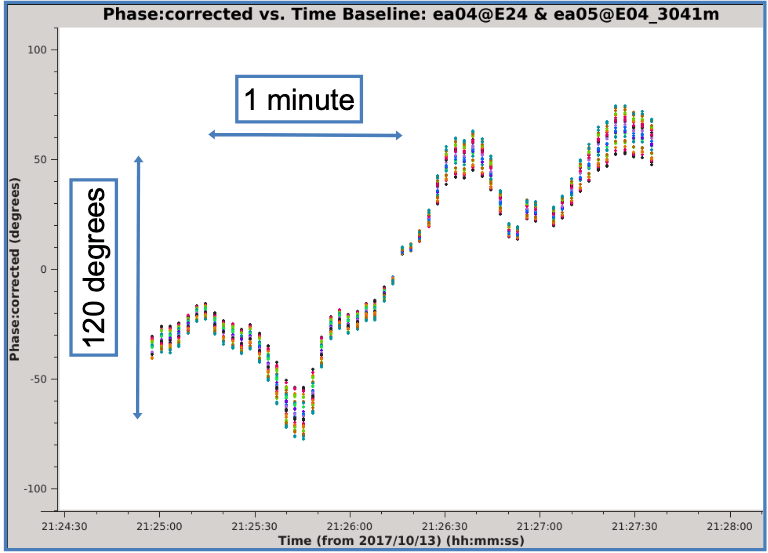
The coherence time is wavelength-dependent
4 seconds
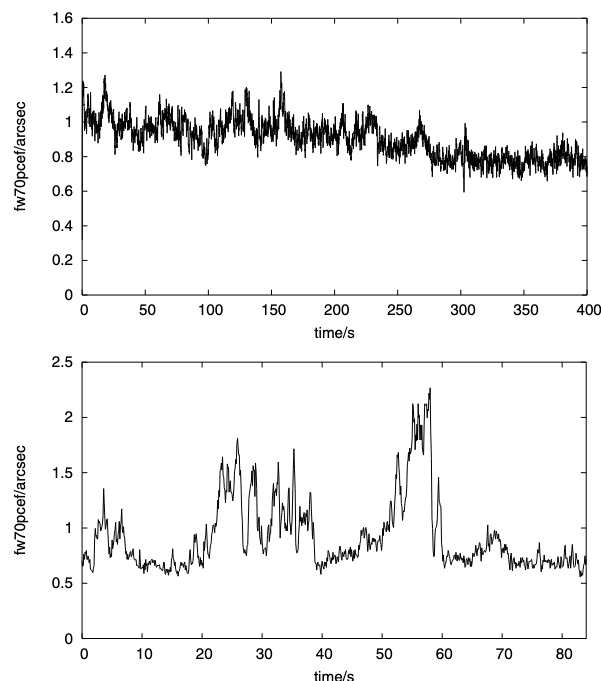
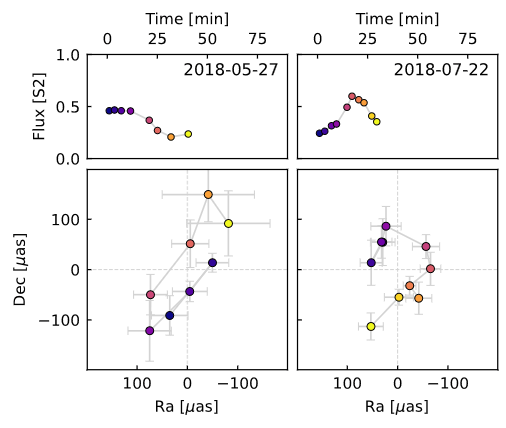
The seeing parameters themselves fluctuate
Technologies
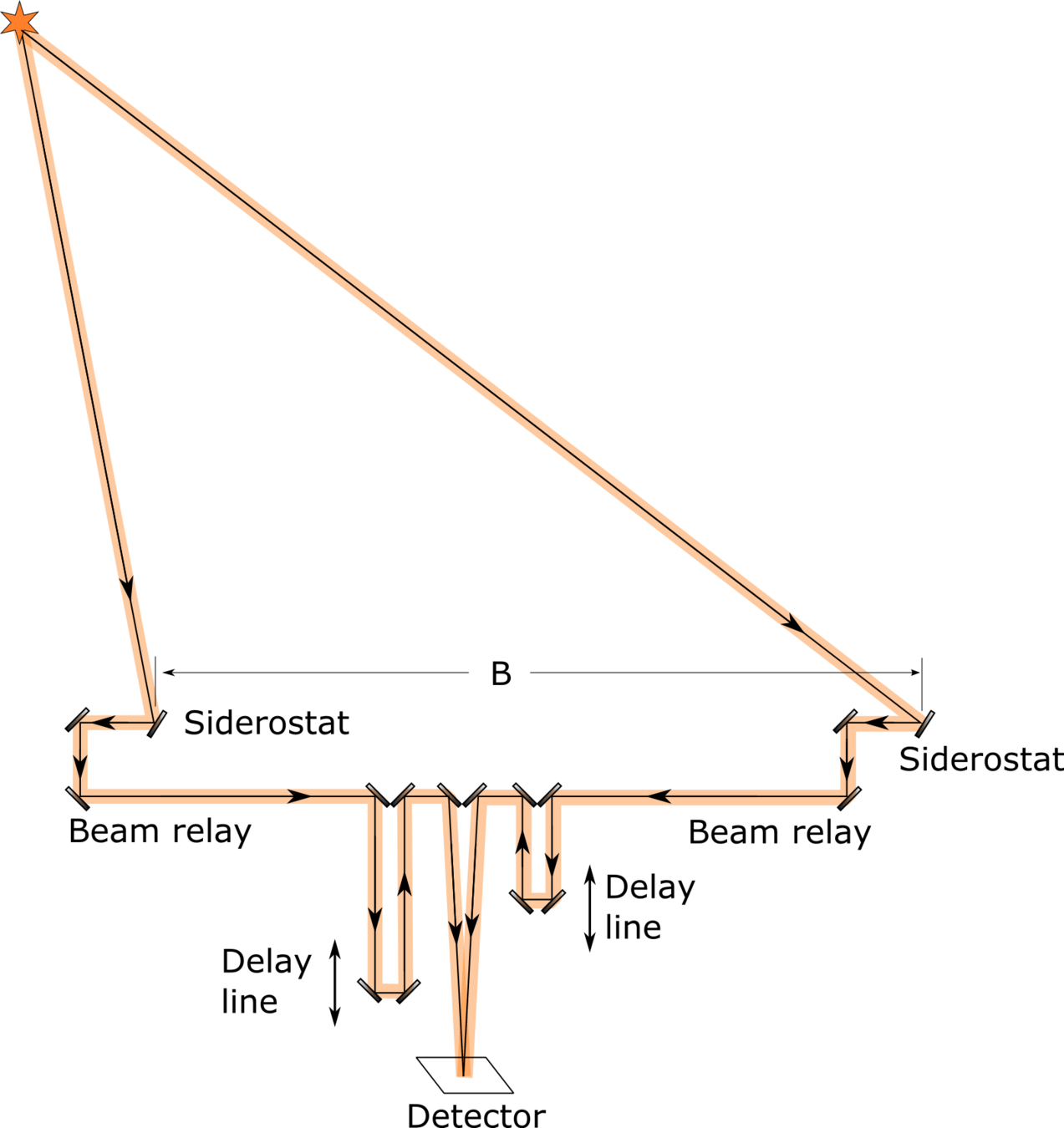
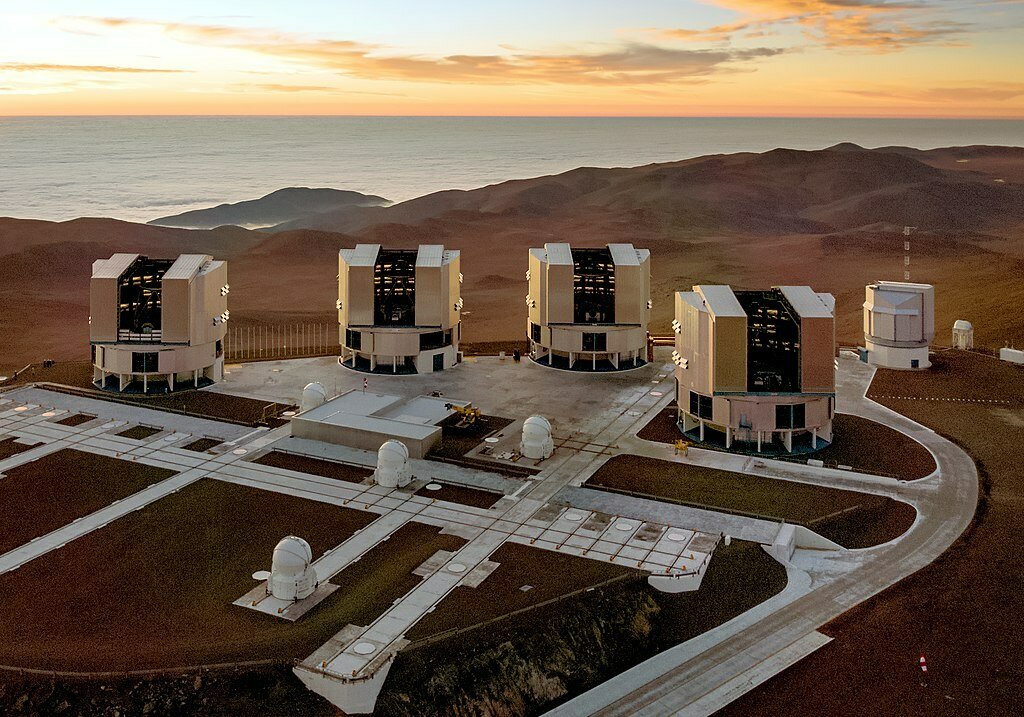
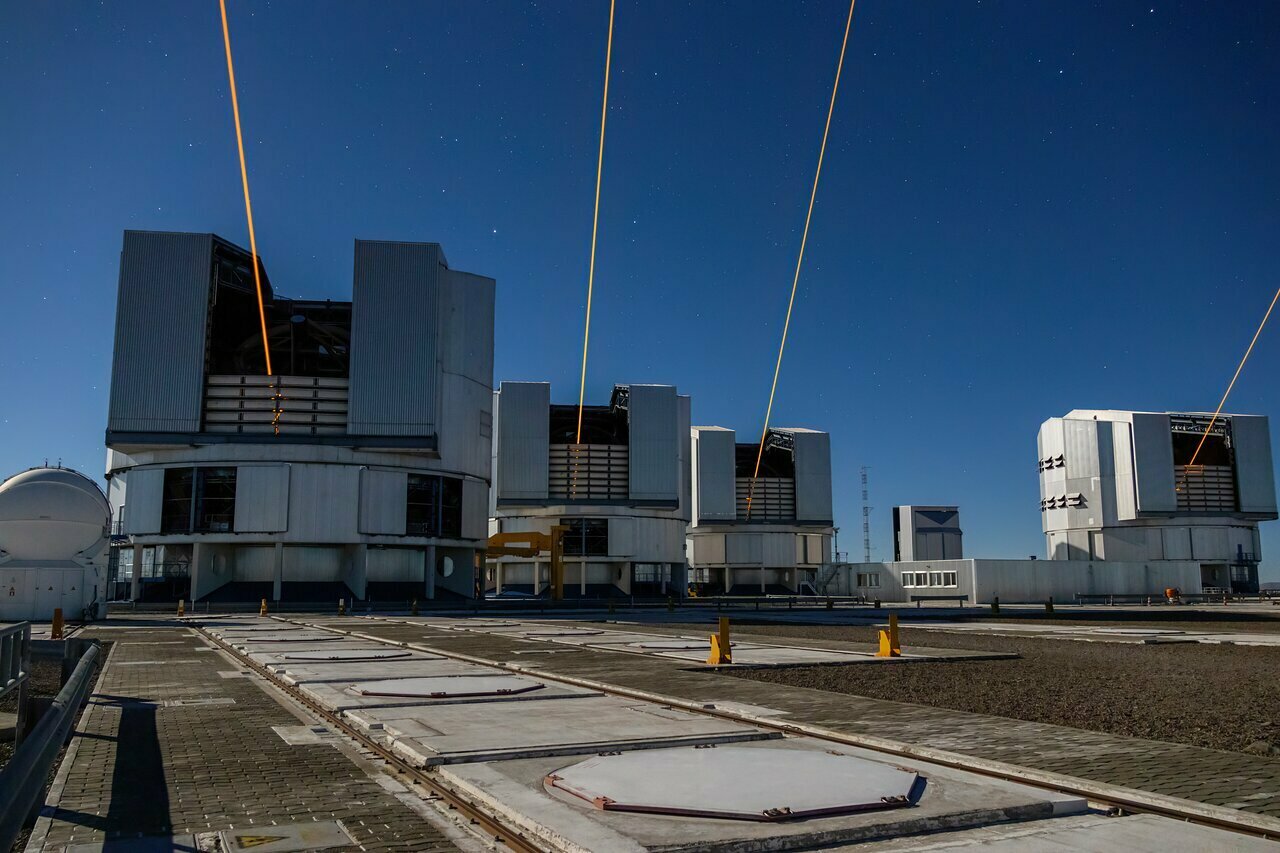
An optical interferometer is mostly free-space optics
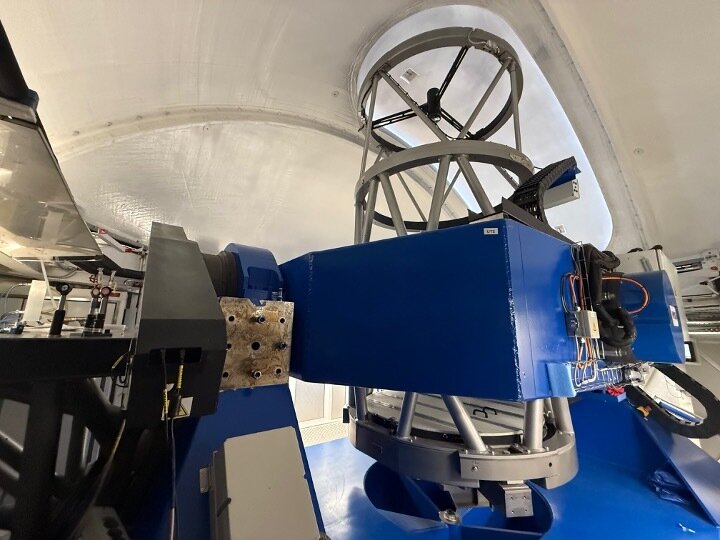
The primary beam gives a sub-arcsecond field of view
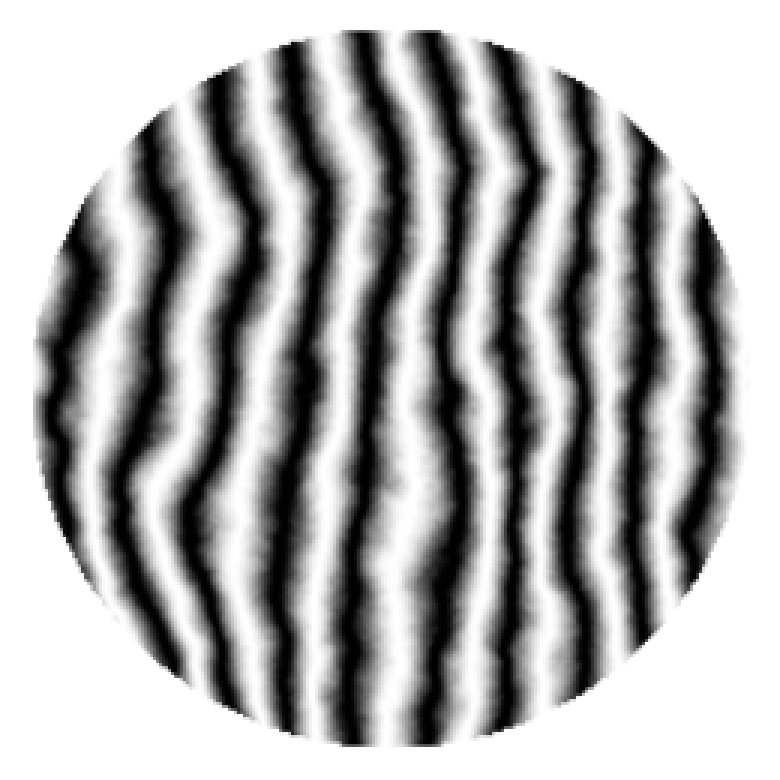
Wavefront distortions across a telescope reduce the coherent fringe signal
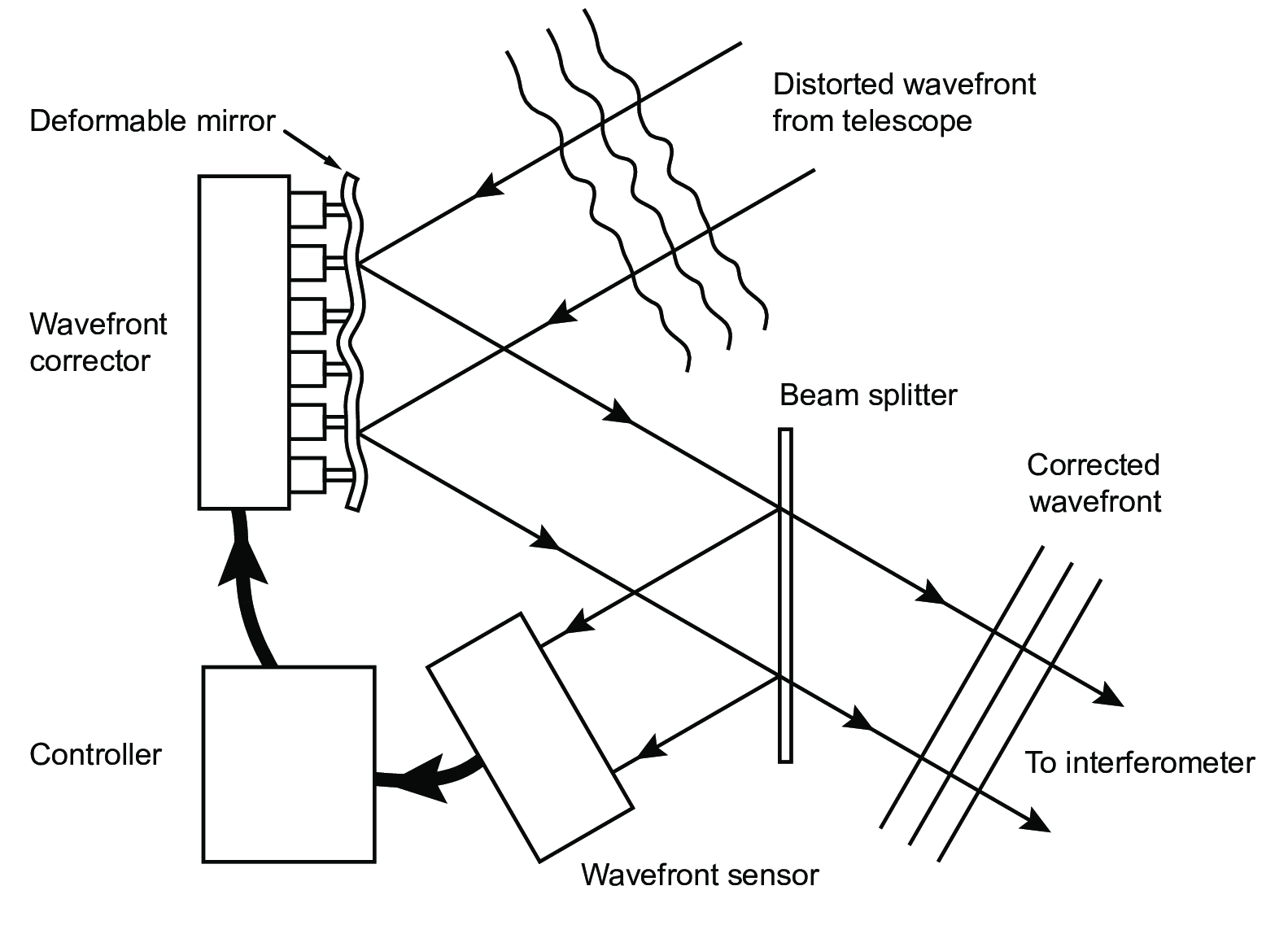
Adaptive optics systems at each telescope correct the wavefront
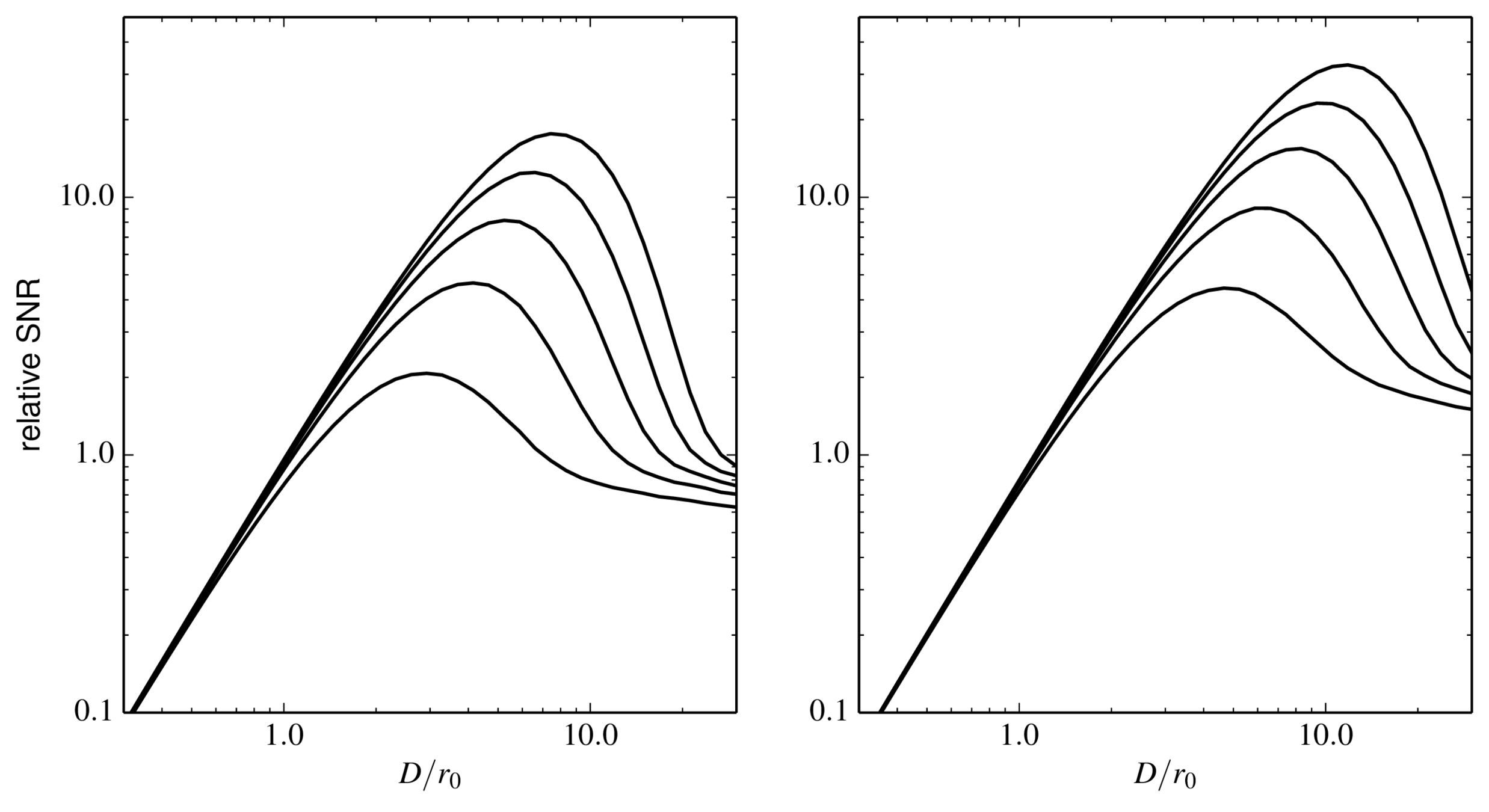
Increasing the telescope size can reduce the sensitivity
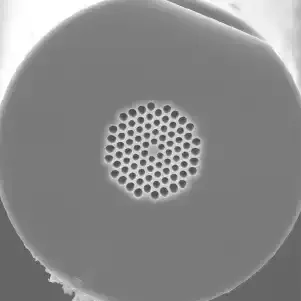
Beam transport using waveguides is yet to see mainstream adoption
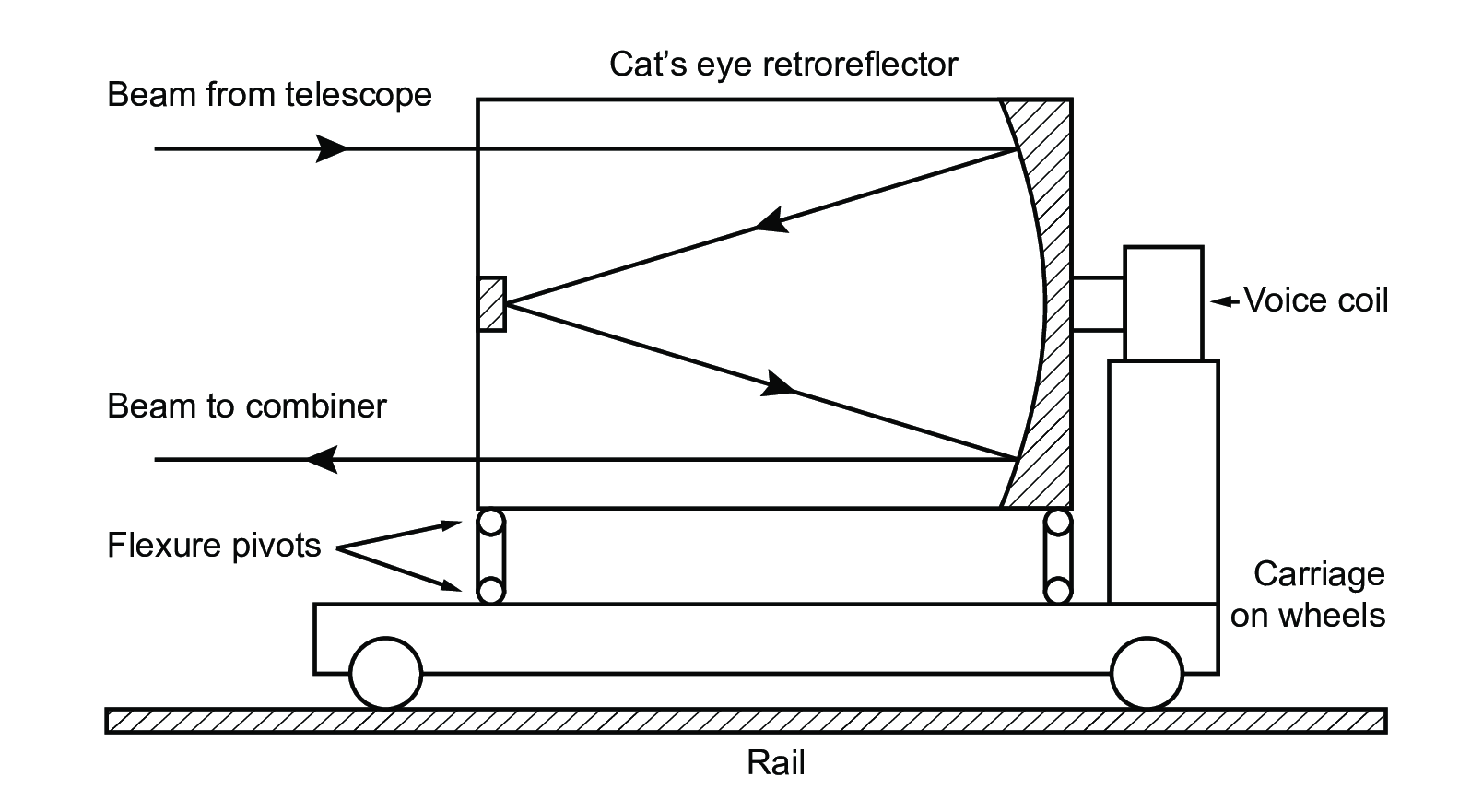
Electronic delays are replaced by path delay
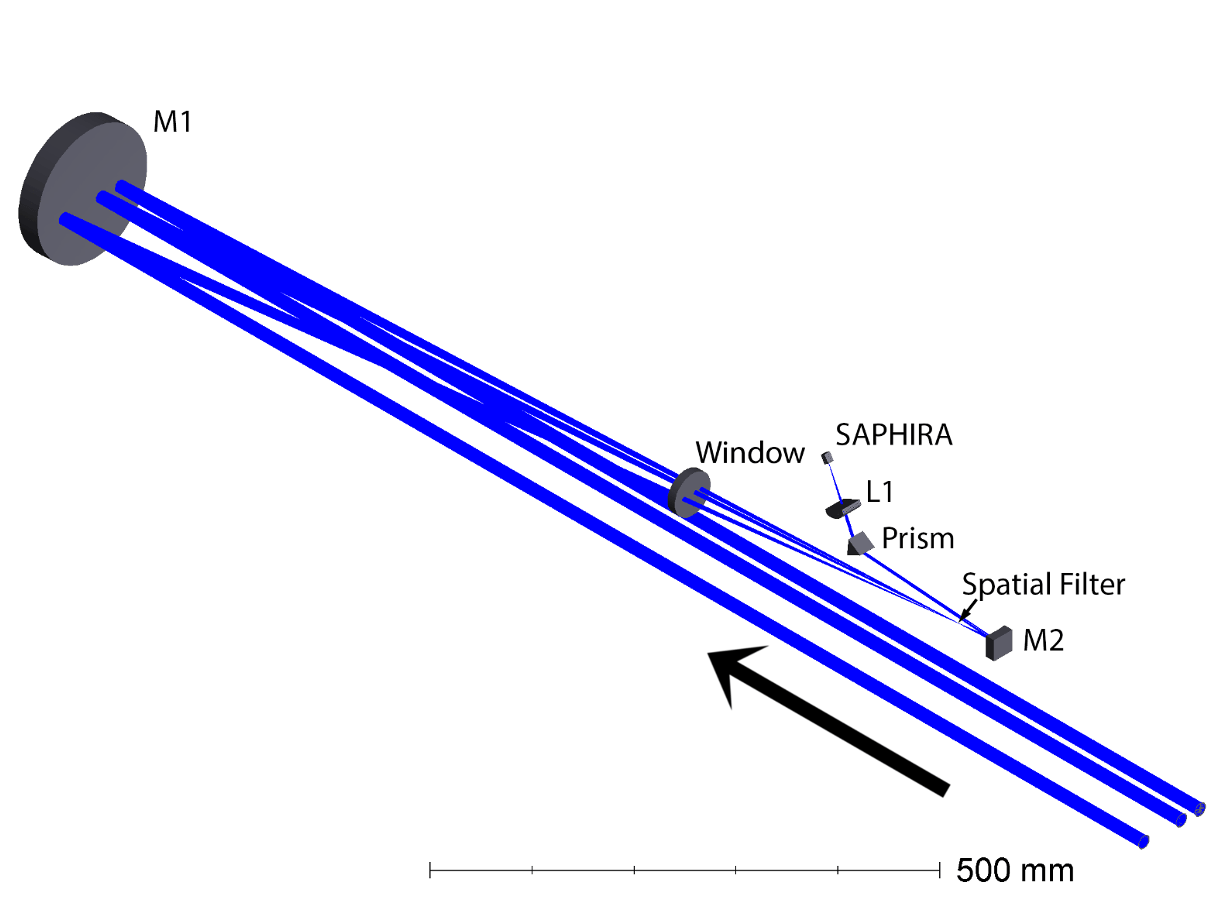
Correlators just overlap beams
Small apertures and short exposures mean that we have many, noisy measurements
We average observables which are insensitive to "antenna phase" errors
\text{ Power spectrum } = \left\langle | V |^2\right\rangle
\text{ Bispectrum } = \left\langle V_{12} V_{23} V_{31} \right\rangle
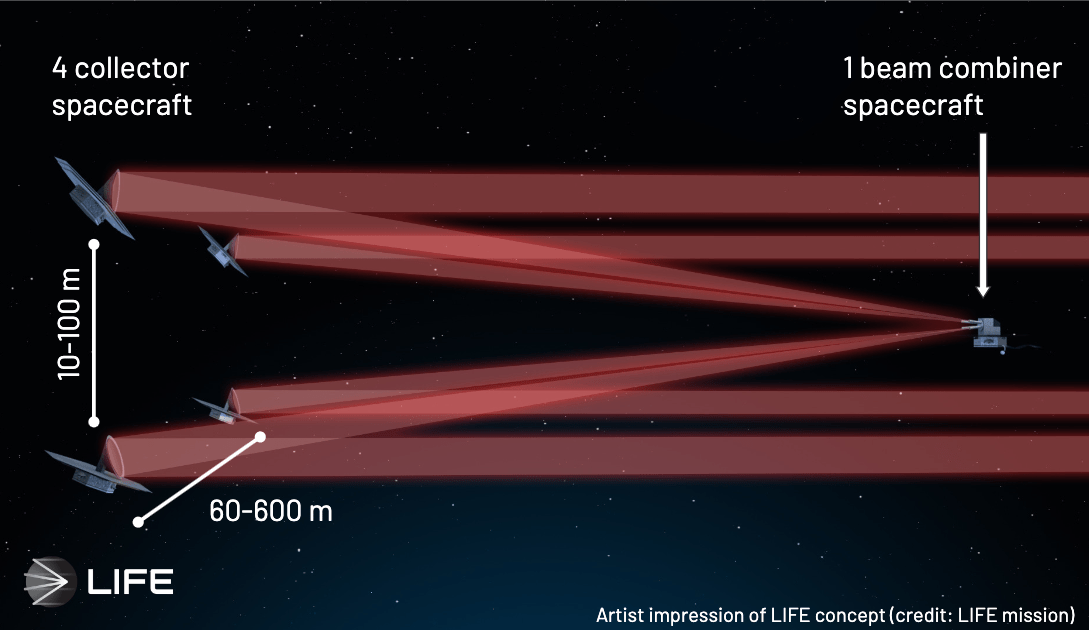
How will this change in the future?
Similarities
By dbuscher