Gettin' Hot
Leveraging your fermentation experience and the power of microbes to melt your face off
— Drew
Alkaline
Natto, Century Eggs, Dawadawa (West Africa)
Lacto
Pickles, Sauerkraut, Yogurt, Sausages, Hot Sauce!
Acetic
Vinegar!
Alcohol
Beer, Wine, Mead, Bread, etc.
Fungal
Tempeh, Soy Sauce, Miso, Cheese
Fermentation does the following
- Preserves precious food supplies
- New flavors! New textures!
- Increases nutrition
- Improved bioavailability
- Pre- & Pro- & Post-biotics for gut health
- The increasingly understood connection between gut health and health-health
Good thing that Fermentation happens in spite of ourselves
No Fermentation - No Humanity!
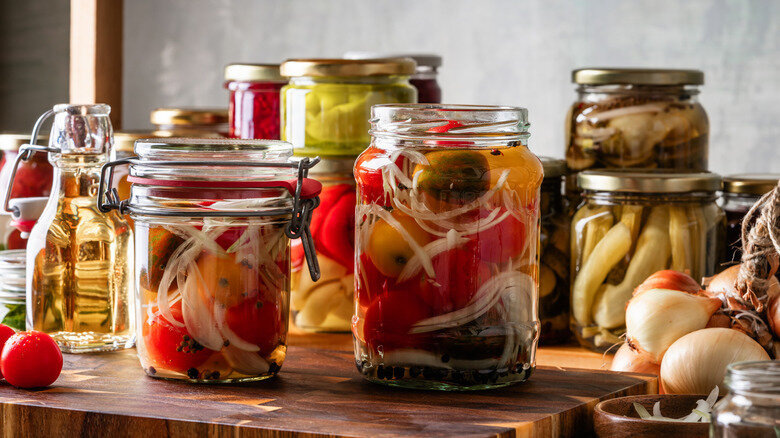
Beyond preservation - why ferment?
- Hot brine (refrigerator pickles) is quicker, but..
Fermentation transforms the flavor!
- Hot brines may be sharp, bright and "fresh"
- Fermentation adds complexity and depth
- less "vegetation", more roundness and character
- Lactic acid is "softer" tasting than Vinegar
Why Ferment A Hot Sauce
Lactobacillus - Many different strains!
- Vegetable ferments largely
- Lactiplantibacillus plantarum
- Levilactobacillus brevis
- And others....
- Ferment sugars into lactic acid+.
- The pH drop and sugar consumption preserve food
Other ferments favor different mixes of cultures
Our Main Actor
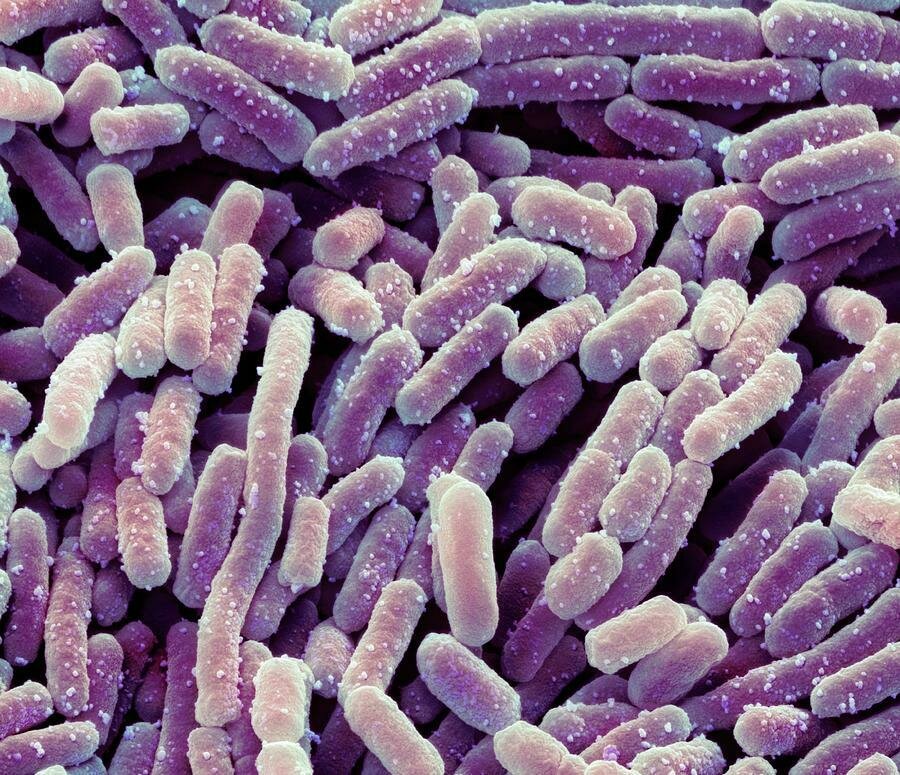
- Make a world where our friendly critters out compete the contaminants
Sound Familiar?
The universal maxim of fermentation - promote our allies to prevent chaos
Our Job Is...
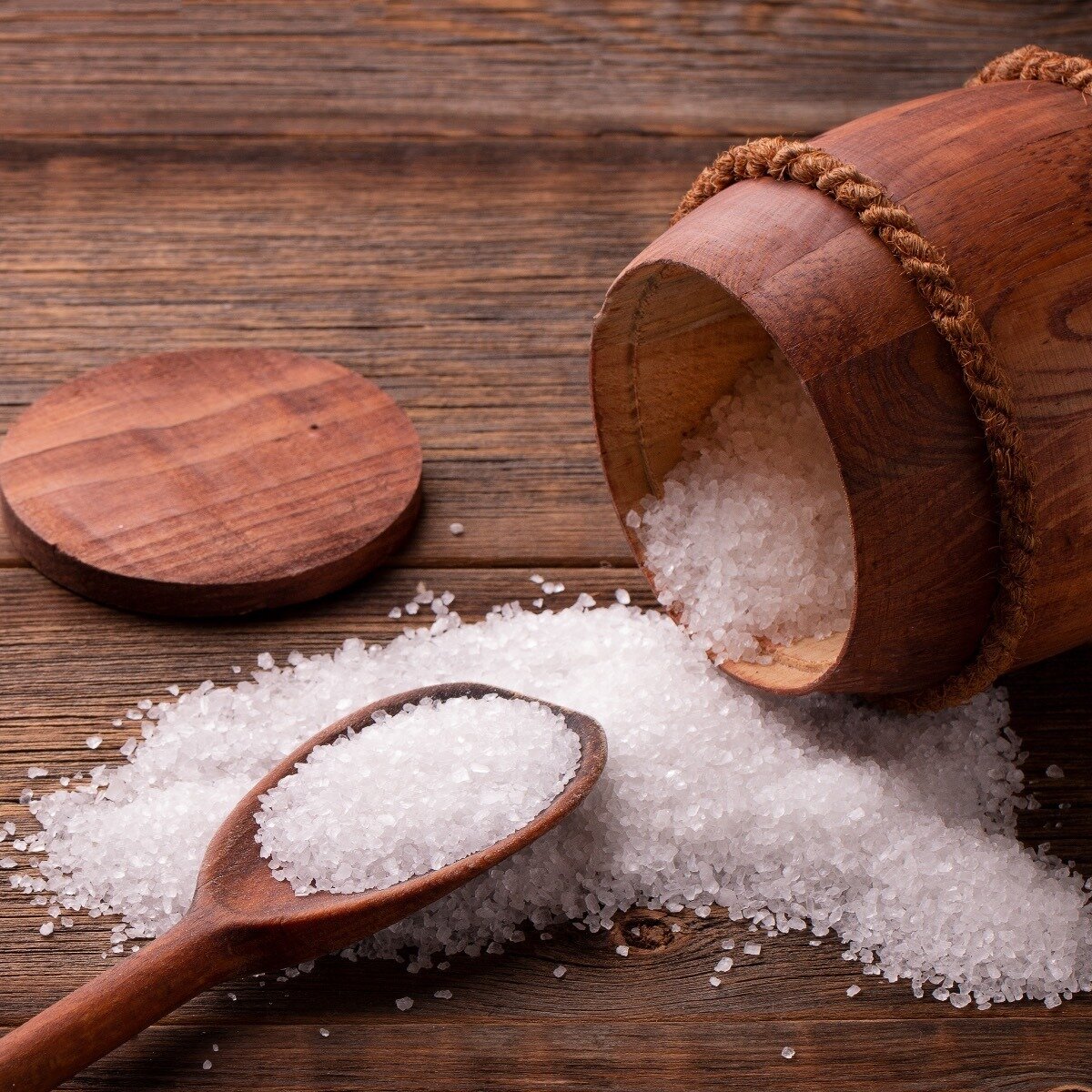
Get Hostile
In beer, we use hops and pitch gobs of yeast to create a hostile environment.
In Lacto ferments, we use salt levels to do the same.
Salinity levels of 2.0-4.0% discourage mold and yeast
Maybe?
- Most "classic" recipes/procedures don't emphasize sanitizing, just cleaning
- As brewers, we already have easy sanitation at hand, so why not?
Sanitizing?
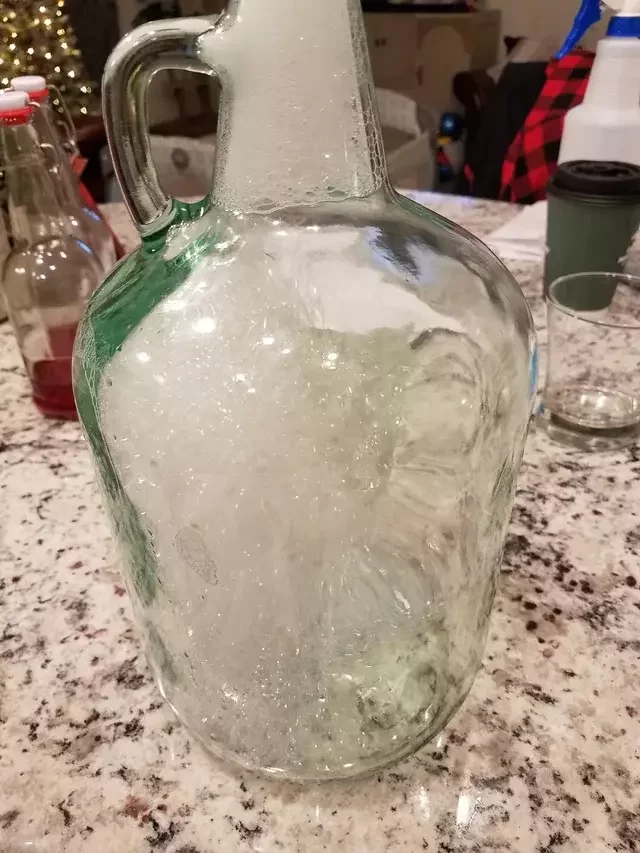
- As brewers, we're used to thinking "build up a big yeast starter for best results!"
- LAB ferments traditionally just use the naturally occurring organisms
- Again, I cheat and pitch an ounce of "live" brine (from Sauerkraut or pickle)
VROOM VROOM!
On Being Cultured
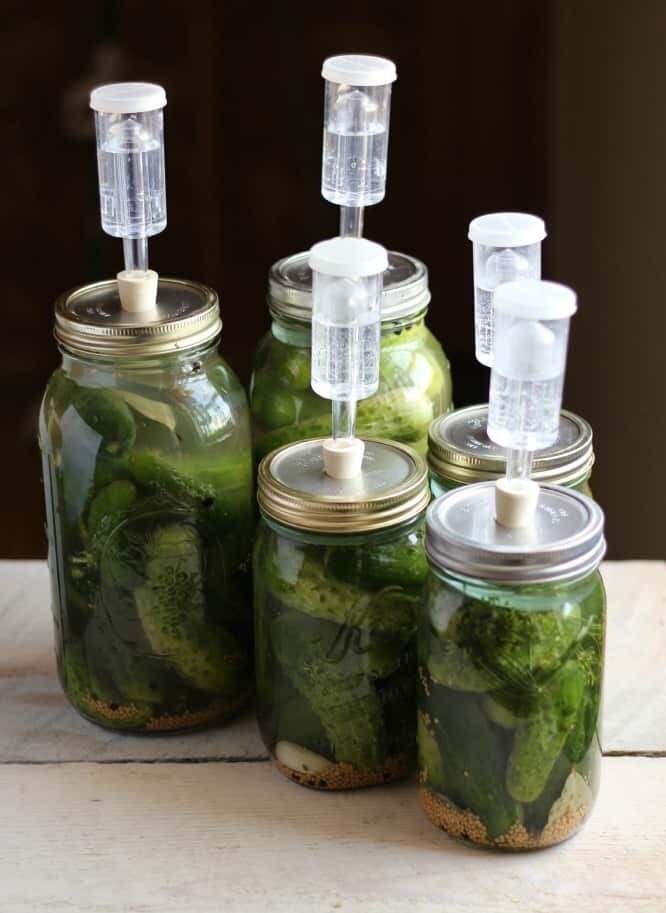
Loads of fermenting vessels.
- Crocks, Jars and Vacuum Seal Bags!
- Airlocks (or not) and Weights
Your fermenter needs to keep dust at bay and your veggies submerged.
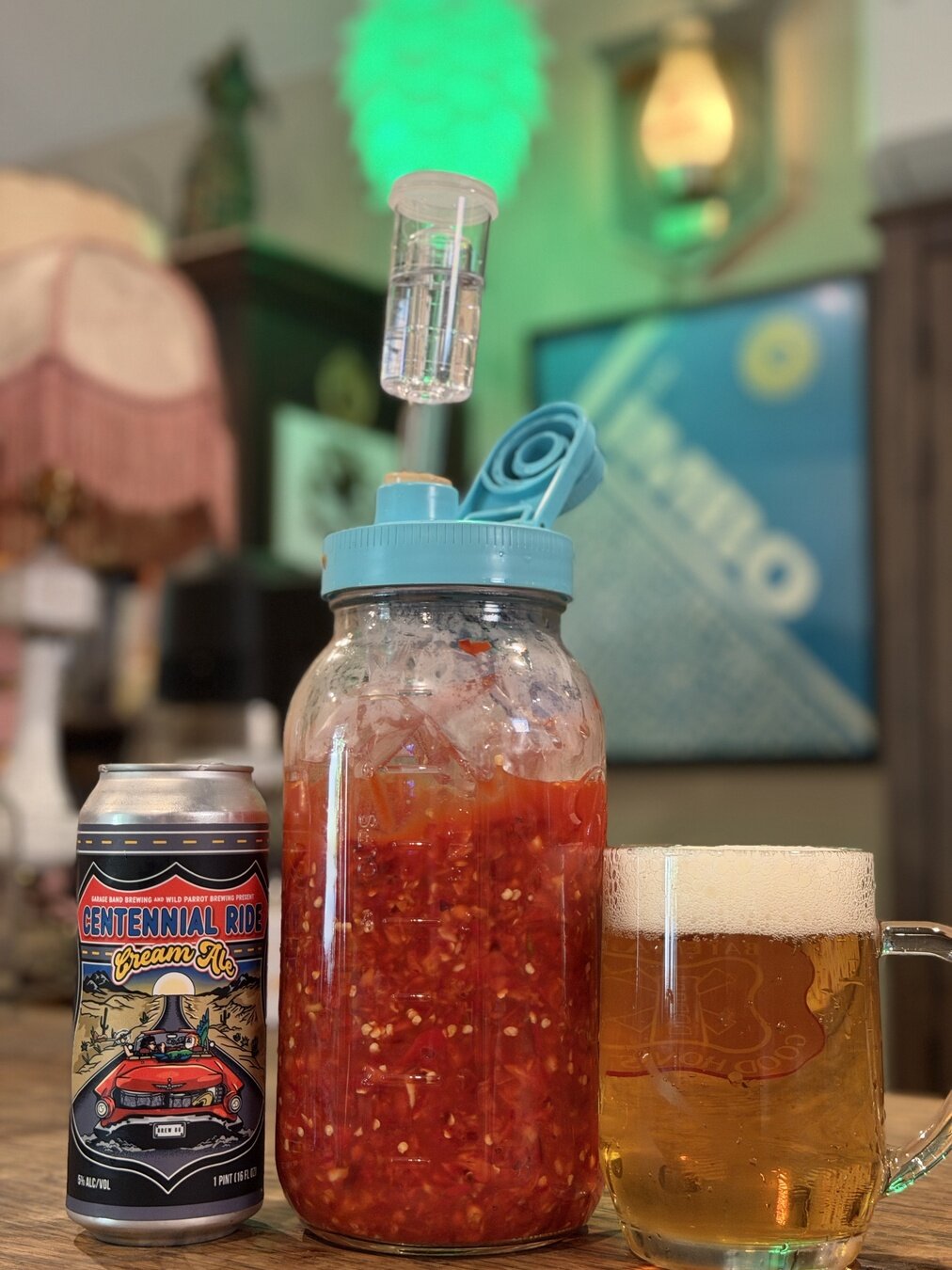
Airlocks are great, but so is just burping the jar. (Careful! Exploding peppers are not fun)
The Vessel with the Pickle...
Simple Vegetable Lacto Ferment
Prep
Clean and prep the veggies (chop as necessary)
1
Brine
Pack the veggies with a brine with 2.5-3.5% salinity in a clean vessel
2
Ferment
Let burble for 3-4 weeks.
Keep the ferment "coolish"
Keep the veggies submerged in the brine.
Watch for expansion of the mash and avoid blowouts!
Refrigerate and enjoy
3
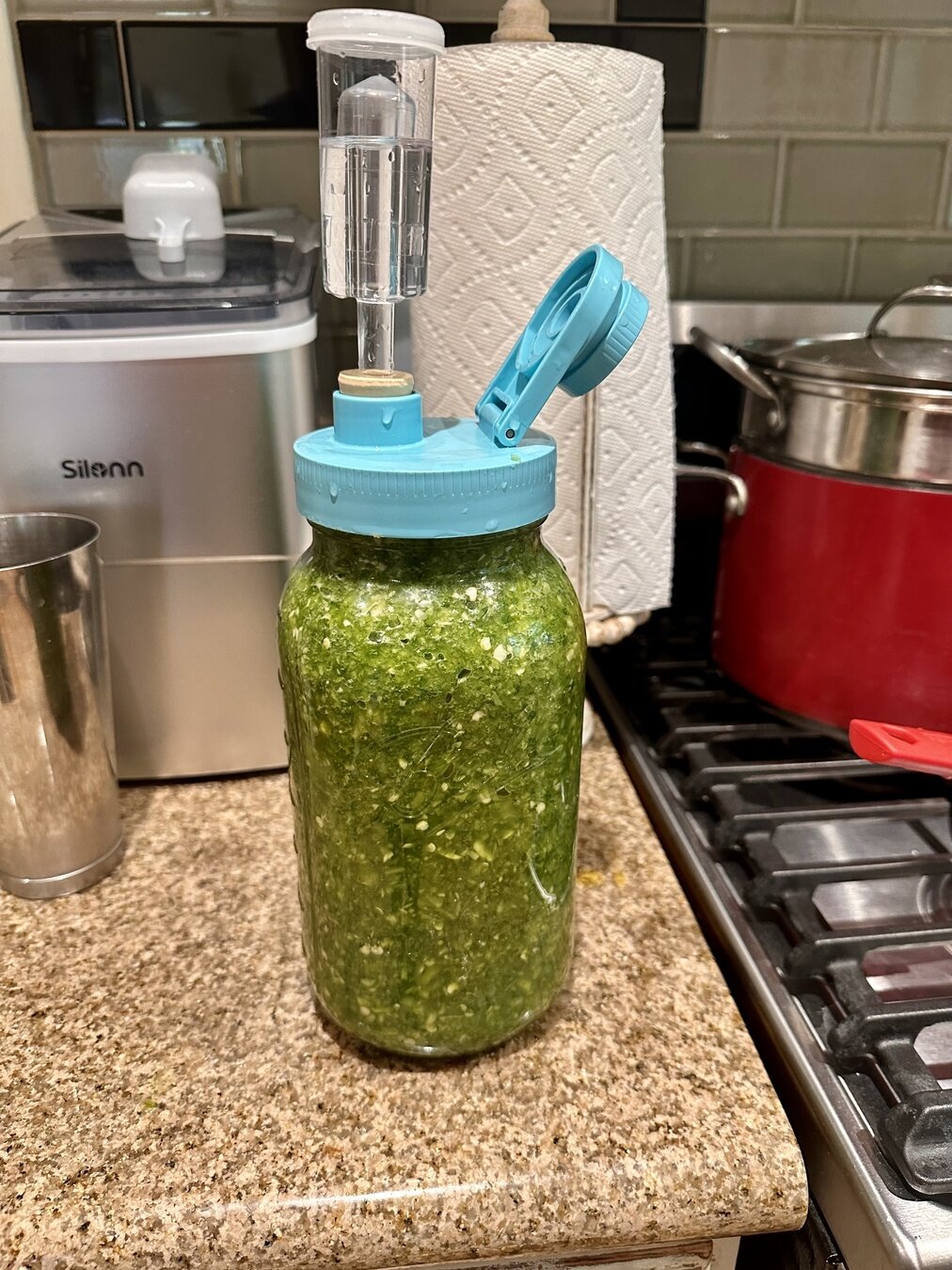
What to "Expect"
- 24-48 hours
- bubbles form
- 1 week of "active fermentation"
- lacto ferments pale to the violence of a yeast ferment
- Can still blow out the top!
- 2-3 weeks of "aging"
- Week 4 - package!
The Schedule
- Puree the sauce to desired consistency
- Taste the sauce and adjust
- Does it need more salt?
- Acid?
- Sweetness?
- Bottle and store in the fridge
- Room temp stability requires pH < 4.5 and pasteurization
- I sanitize the bottles because brewer
Finishing Up
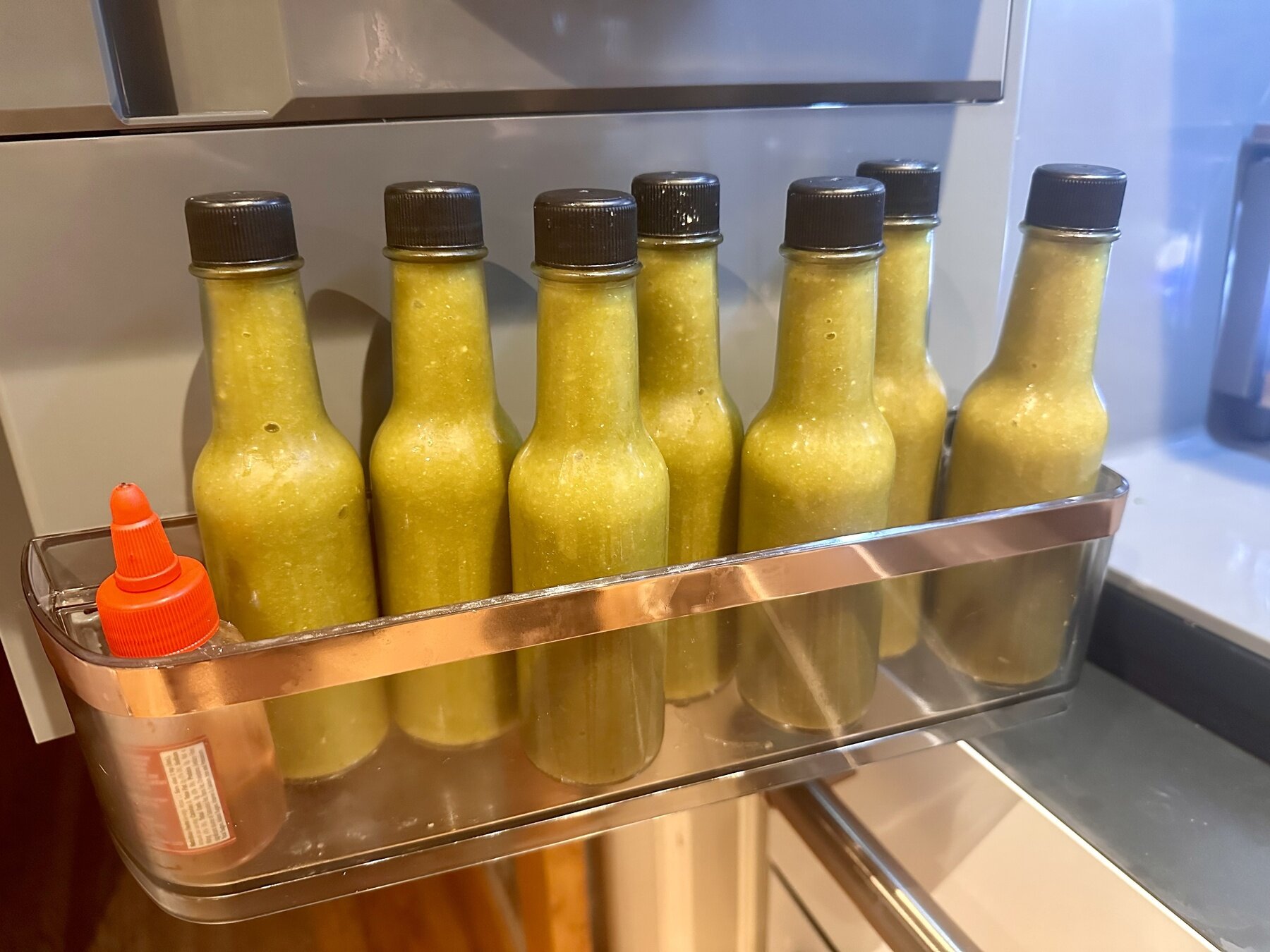
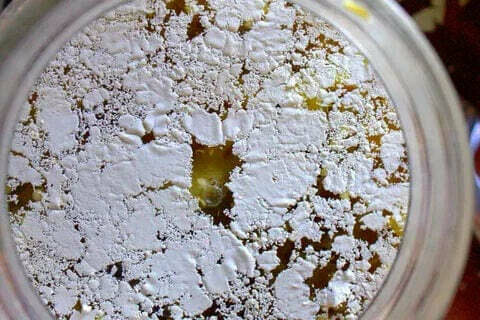
Two most common contaminants
- Kahm (top) - Wild Yeast with white rafts that forms on top
- mostly harmless, may smell
- Mold (bottom) - green,black and multicolored fuzzy growth
- chuck the ferment - mold can indicate bad spoilage.
- not worth the risk
Use Your Nose!
Sometimes It Gets Spicy (badly)
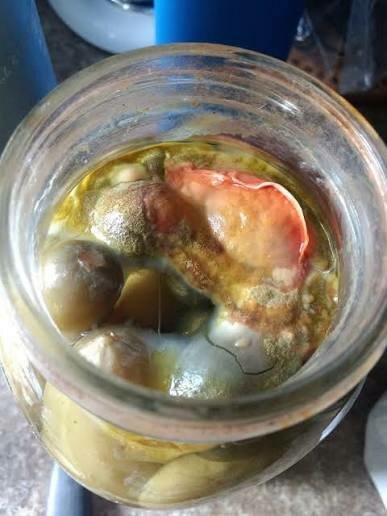
A sample lacto ferment project
What to do with super ripe garden peppers? (red jalapenos and habaneros)
The goal - a hyped up boosted Sriracha
First step - supplement the harvest to get enough for a ferment!
- Farmers Market - Late for Deals
Super Rooster Project
520g Red Jalapeños/Fresnos
275g Red Italian Frying peppers
221g Cayennes
86g Thai Bird's Eye
55g Habaneros
65g Garlic
27g Kosher Salt (2.5%)*
1 oz Sauerkraut Brine
* - cleaned peppers and garlic yielded 1078g
Super Rooster Project
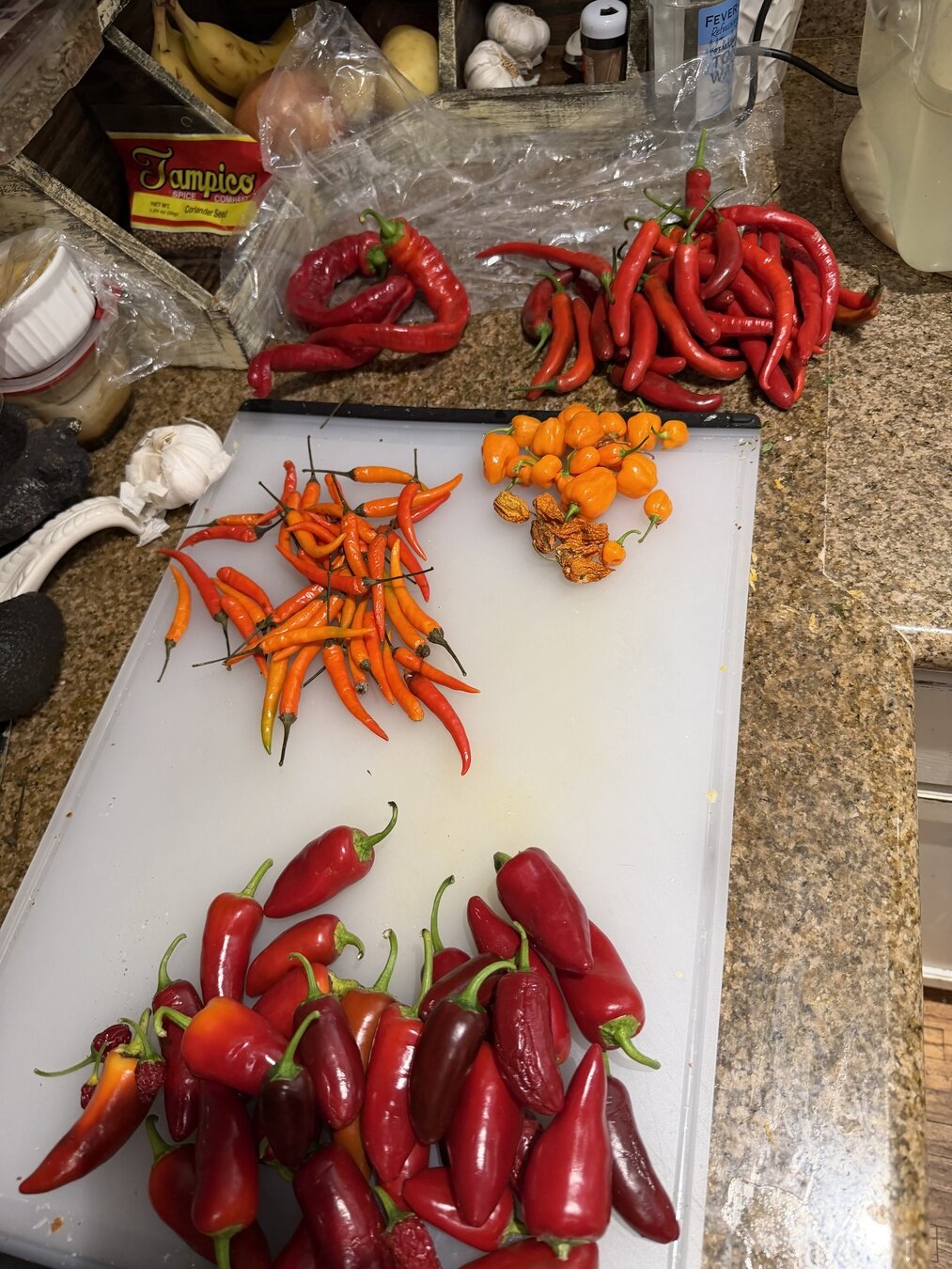
- Wash the peppers
- Split and remove the seeds from the frying peppers, jalapenos, and cayennes
- Destem all the peppers
- Weigh the total mash
- Coarsely Chop (think pico, not salsa)
WEAR GLOVES OR REGRET IT
(mask & safety glasses recommended)
Super Rooster Project
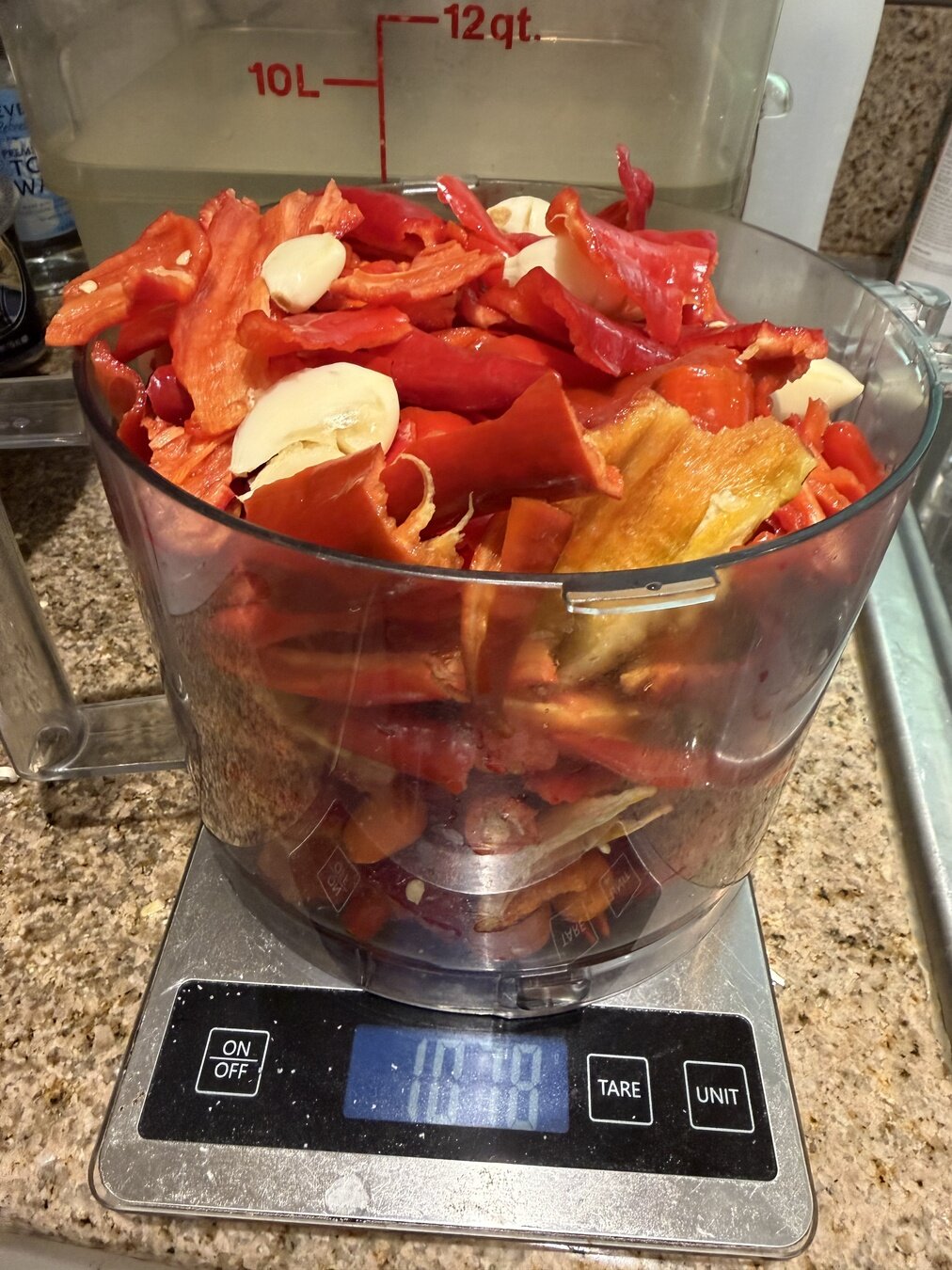
- Add non-iodized salt and stir it through
- Wait 30 minutes
- Brine comes out & mash relaxes
PPE Beats Macing Yourself
Super Rooster Project
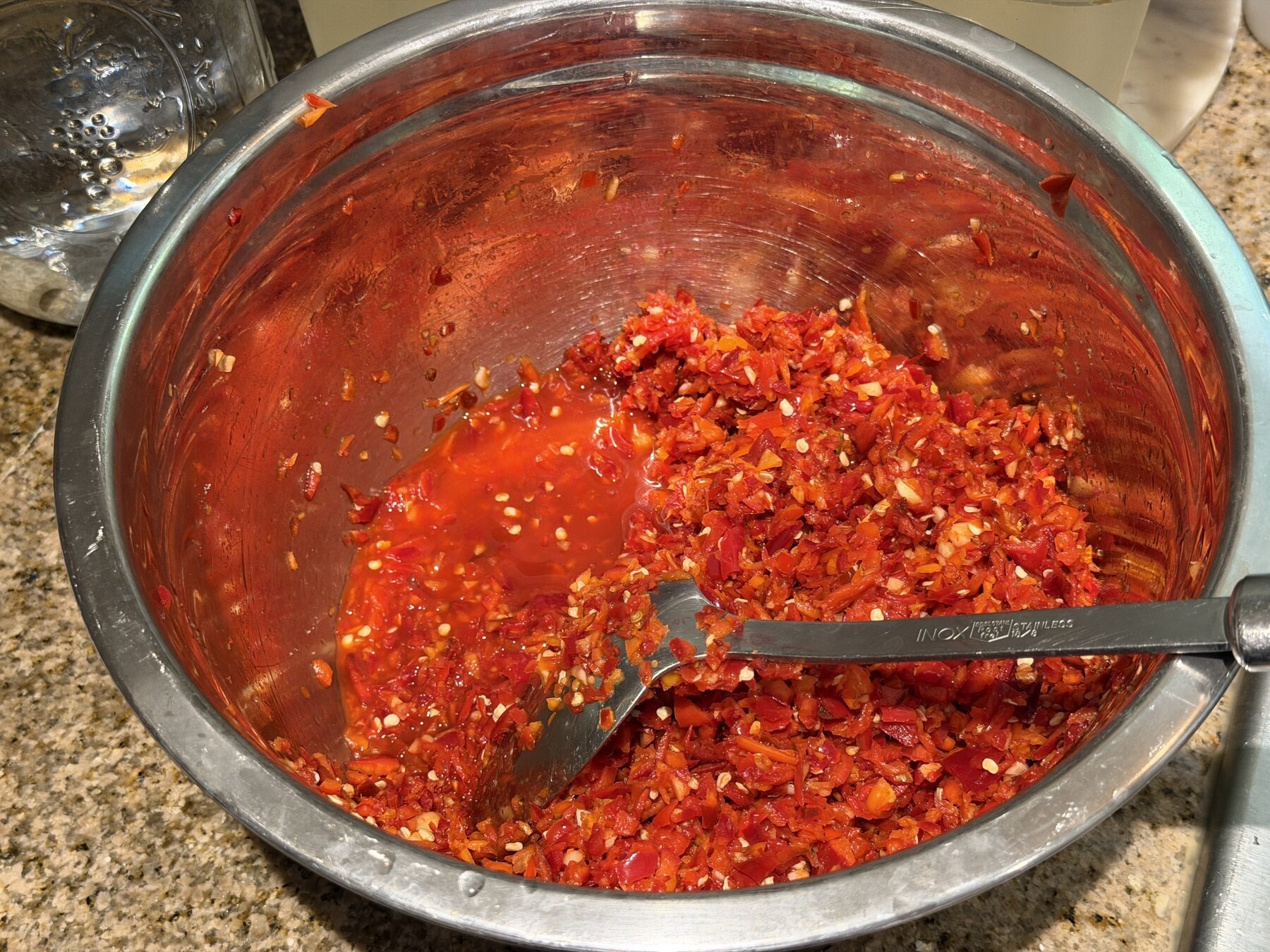
- Add brine (if using)
- Pack into the fermenter
- Weight the mash to submerge it completely in the brine
- I use a sanitized filled baggie
Wash Your Hands Please
(even if you used gloves)
Super Rooster Project
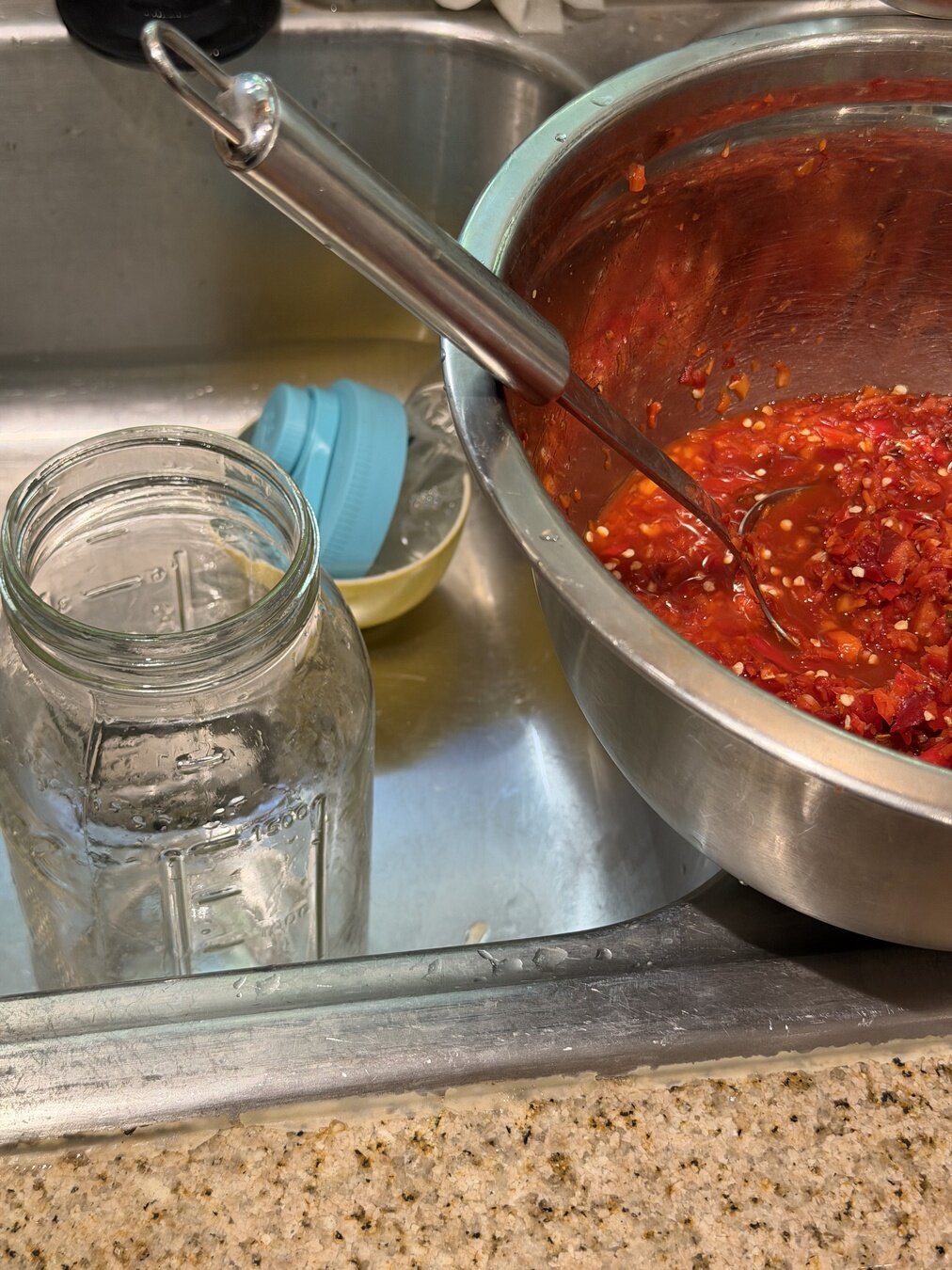
- Ferment for 4 Weeks
- Puree finely with minimal brine
- you can thin the finished sauce down
- Pass through a sieve
- Adjust flavor with salt, sugar and vinegar
- Add Ascorbic Acid (color/oxidation)
- Blend in Xanthan Gum to prevent separation
Super Rooster Project (Future Plan)
- Hatch Chiles - varietal of Anaheims.
- seasonal, mild, flavorful
- Same procedure as Super Rooster
- Finished with apple cider vinegar and a few dashes of Angostura bitters.
Recipe
- 5 lb (2268 g) Hatch chiles
- 3 lb mild
- 2 lb hot
- 2 Serranos
- 2 Jalapeños
- 1 head Garlic
- 80g Kosher Salt (3.5%)
Tasting 2025 Hatch Sauce
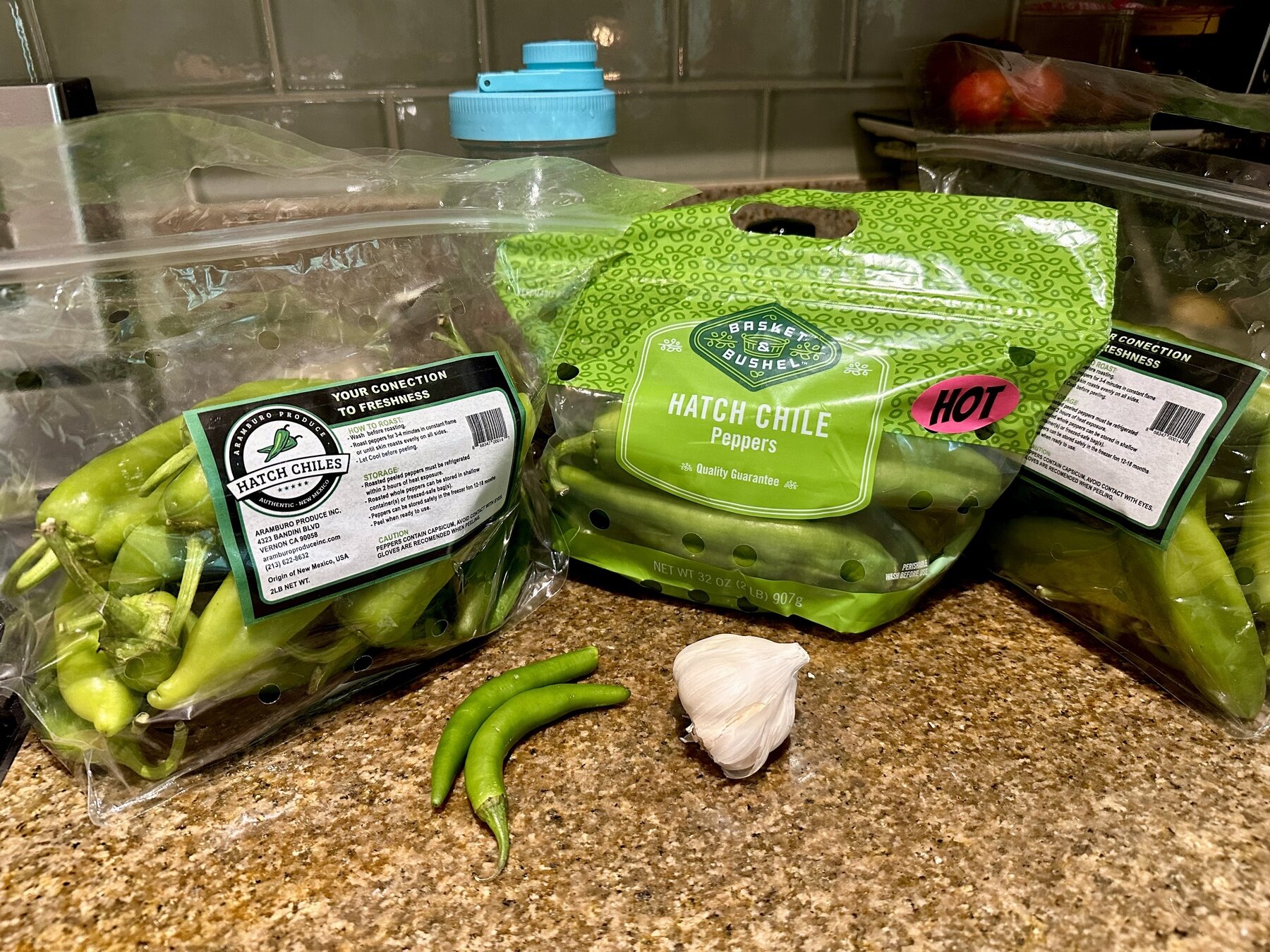
- My Goal: slightly piquant, brightly acidic and aromatic with a clinging body.
- Something that fits with my morning eggs or evening tacos
- What could have been different?
- More acid or heat?
- Cilantro?
Compare Your Taste To My Goals
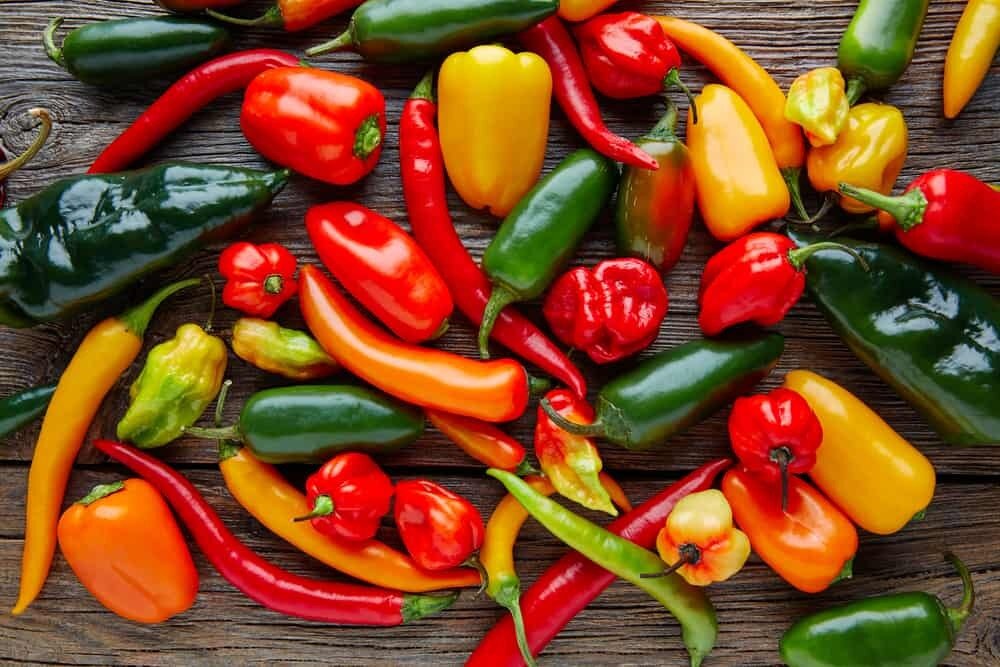
So many ways to swing
- Tabasco peppers with salt and oak
- Habaneros & Mango, Pineapple, Mustard
- Herbs? Spices? Booze? Sugars?
- e.g. Chipotle and Maple Syrup
- Change the heat, the acid, sweetness
- Blow your head off or not!
Exercise a different palate!
Flavor Playground
This is Easy
You're already doing the hard work by brewing beer.
Use those skills!
Gettin' Hot
By Drew Beechum
Gettin' Hot
A guide to making your first hot sauce