Sauced Sauce
Leveraging fermentation to melt your face off
— Drew Beechum

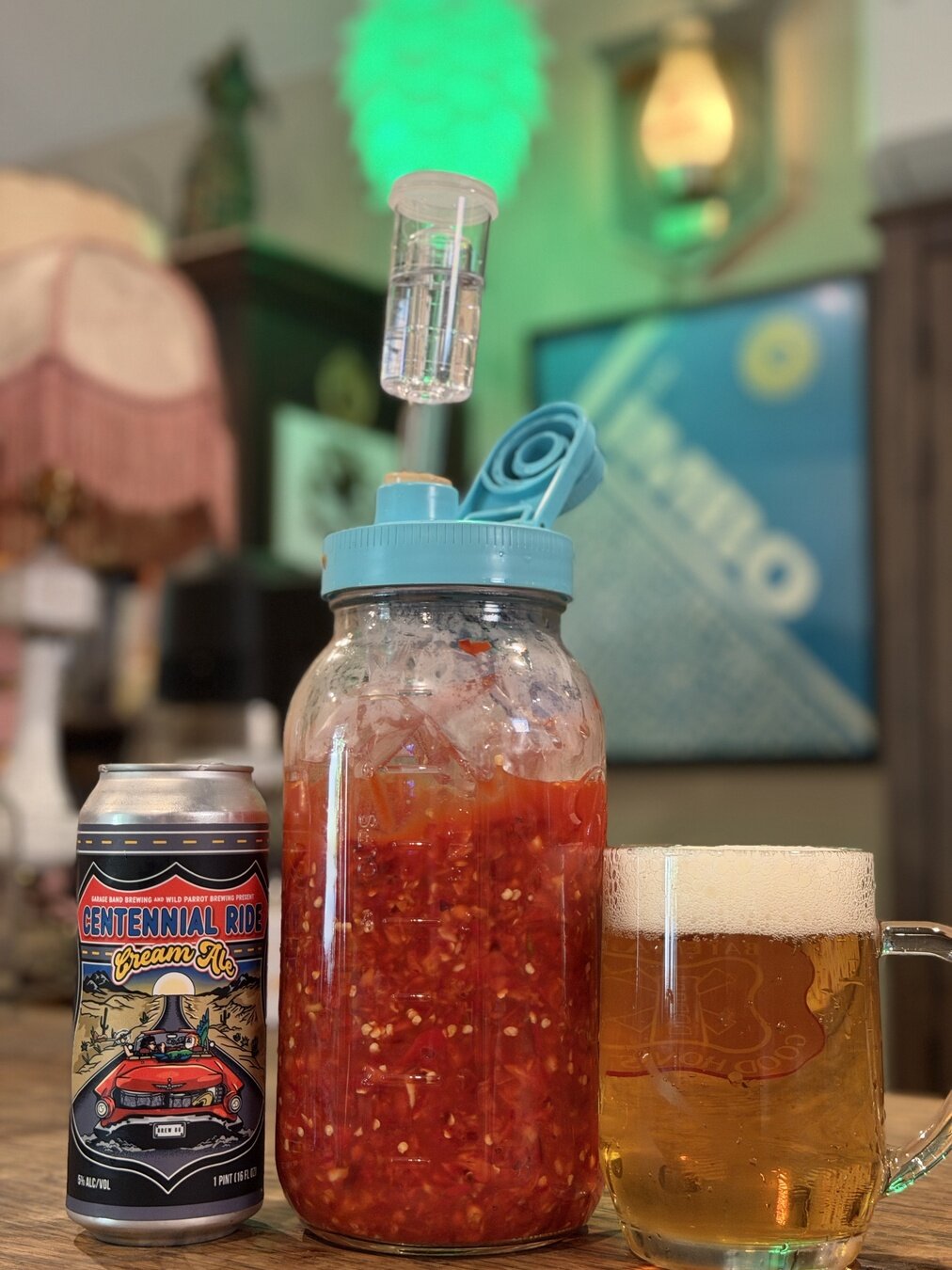
You Will...
- Taste 4 Homemade Hot Sauces
- Learn to
- Prepare the Vegetables
- Ferment the mash
- Finish, Flavor and Savor the Sauce
- Make Your Own!
- Instructions, Worksheet, Peppers and Kit Included
Tonight...
Later...
Come Back Together and taste our sauces!
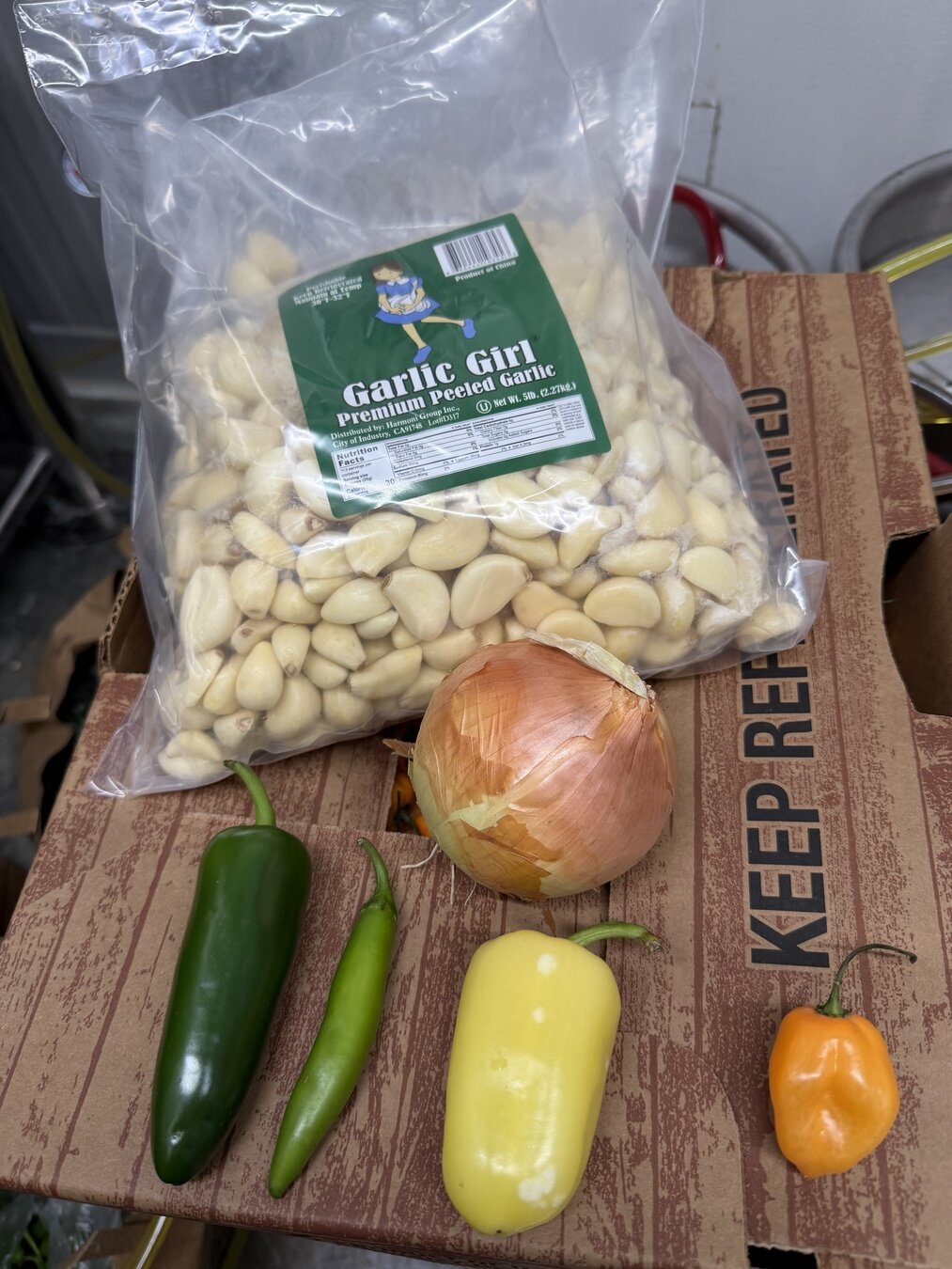
- We've prepped the ingredients
- 3% Salt (Dry Brine)
- Weigh and record your ingredients
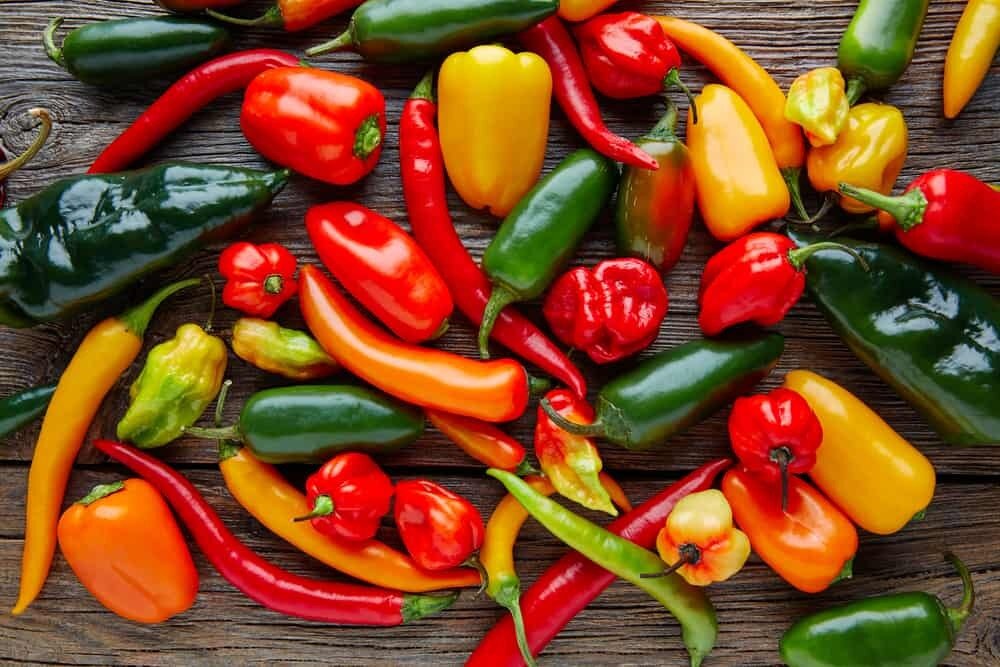
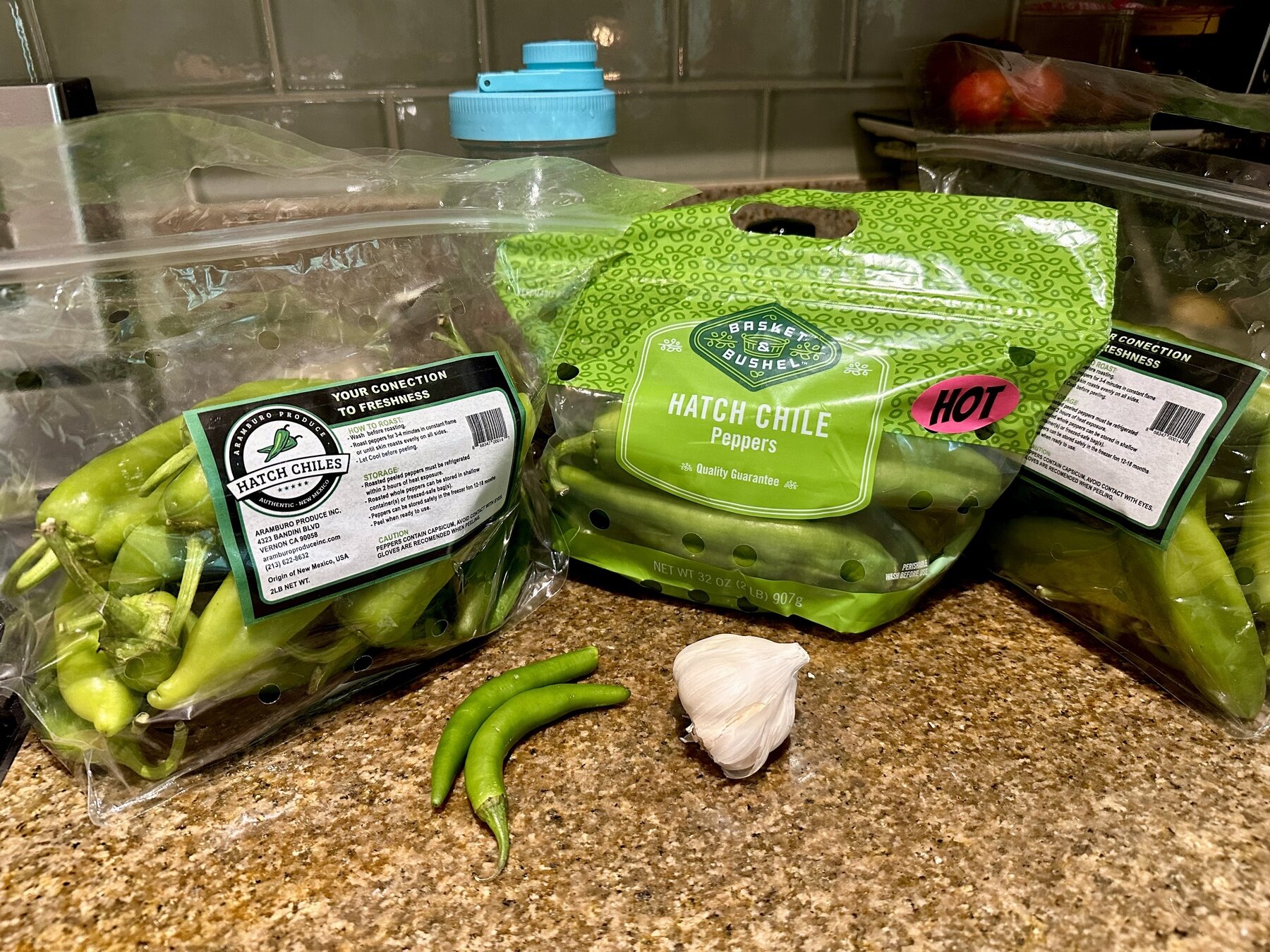
- Peppers (mild to "ow")
- Hatch
- Jalapeno
- Hungarian Wax
- Serrano
- Habanero
- Yellow Onion
- Garlic
Making Your Sauce
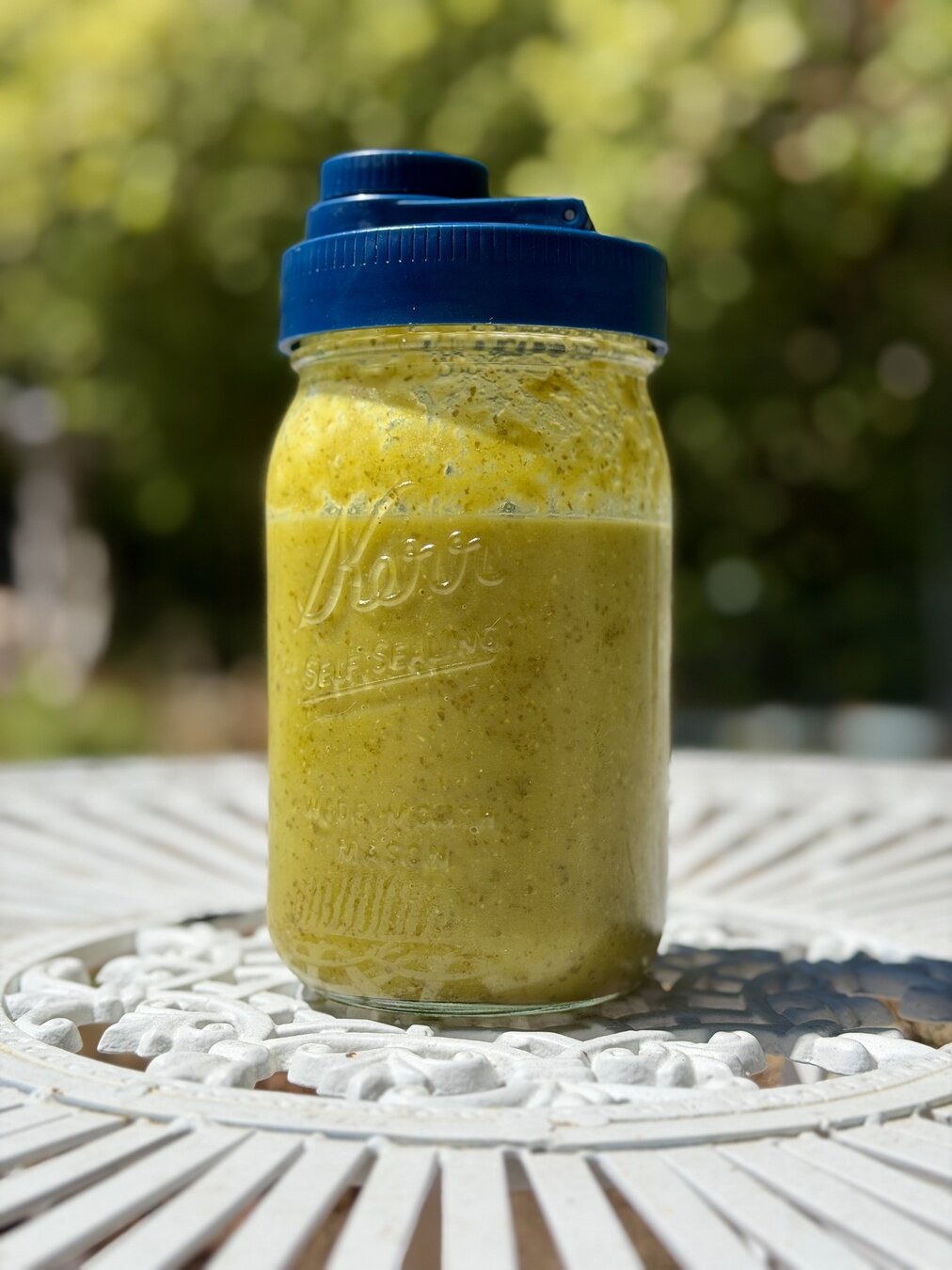
Inspired by Cheeseboard Pizza's Papi Chulo (and Wild Parrot's Green Sauce)
- Fermented
- Jalapeno, Serrano, Garlic, Ginger
- Finished:
- Orange juice, lime juice & zest, cilantro, rice wine vinegar
Hitting the Sauce
Funky Papi
Alkaline
Natto, Century Eggs, Dawadawa (West Africa)
Lacto
Pickles, Sauerkraut, Yogurt, Sausages, Hot Sauce!
Acetic
Vinegar!
Alcohol
Beer, Wine, Mead, Bread, etc.
Fungal
Tempeh, Soy Sauce, Miso, Cheese
Fermentation does the following
- Preserves precious food supplies
- New flavors! New textures!
- Increases nutrition
- Improved bioavailability
- "Biotics"
- gut health = health-health
Good thing that Fermentation happens in spite of ourselves
No Fermentation - No Humanity!
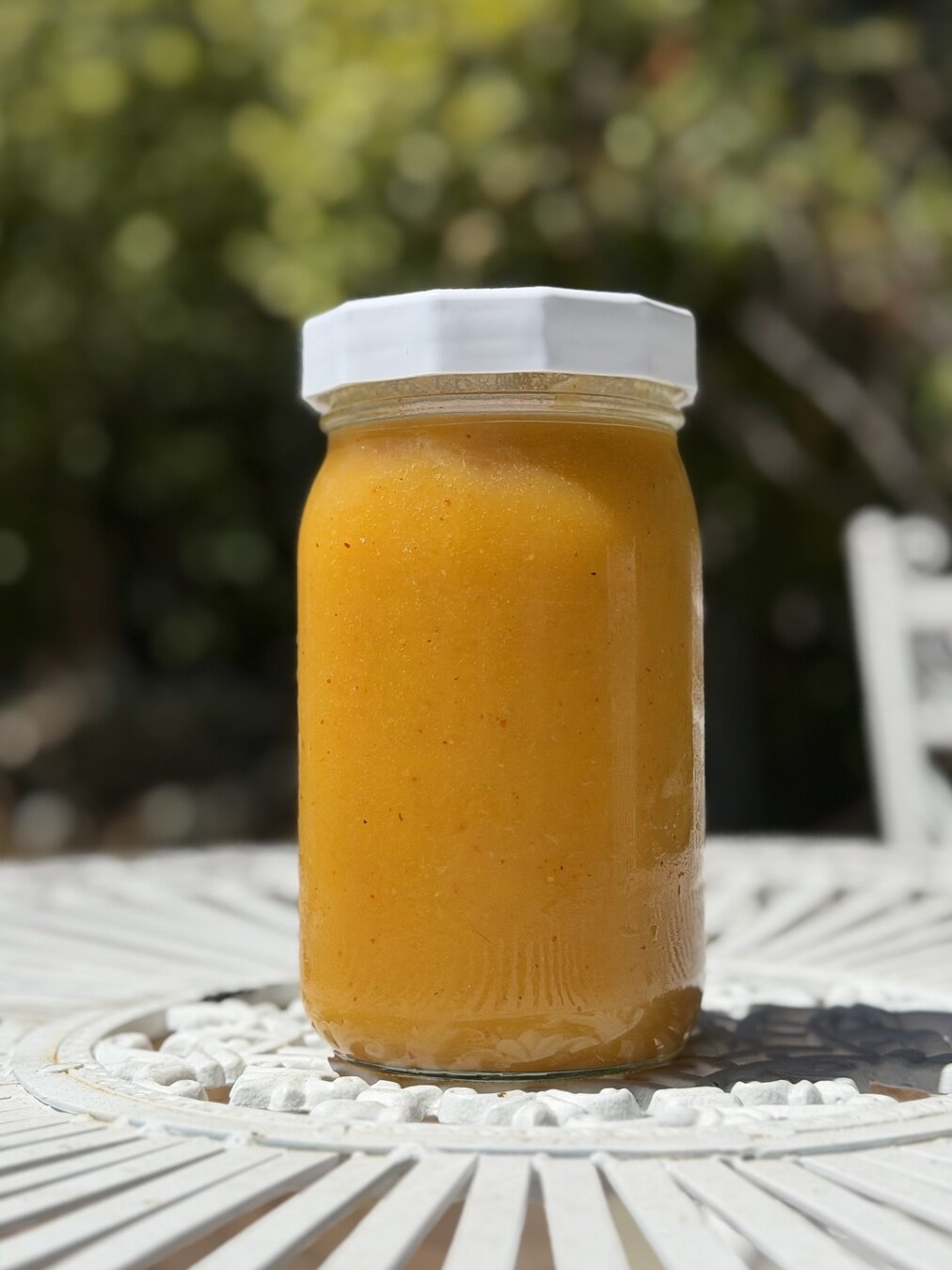
Spicy Pineapple Bowl
- Fermented
- Pineapple, Yellow Bulls Horn, Hungarian Wax, Jalapeno, Habanero, Garlic, Red Onion
- Finished:
- Apple Cider Vinegar, Honey, Lime Zest, powdered Chile de Japone, Vegetable Glycerin
Hitting the Sauce
The Devil's Pineapple
Why ferment?
- Hot brine (refrigerator pickles) is quicker and simpler, but..
Fermentation transforms the flavor!
- Hot brines may be sharp, bright and "fresh"
- Fermentation adds complexity and depth
- less "green", more roundness and character
- Lactic acid is "softer" tasting than Vinegar
Why Ferment A Hot Sauce
Lactic Acid Bacteria (LAB)
- Vegetable ferments largely
- Lactiplantibacillus plantarum
- Levilactobacillus brevis
- And others....
- Ferment sugars into lactic acid+
- The pH drop and sugar consumption preserve food
Other ferments favor different mixes of cultures
Our Main Actor
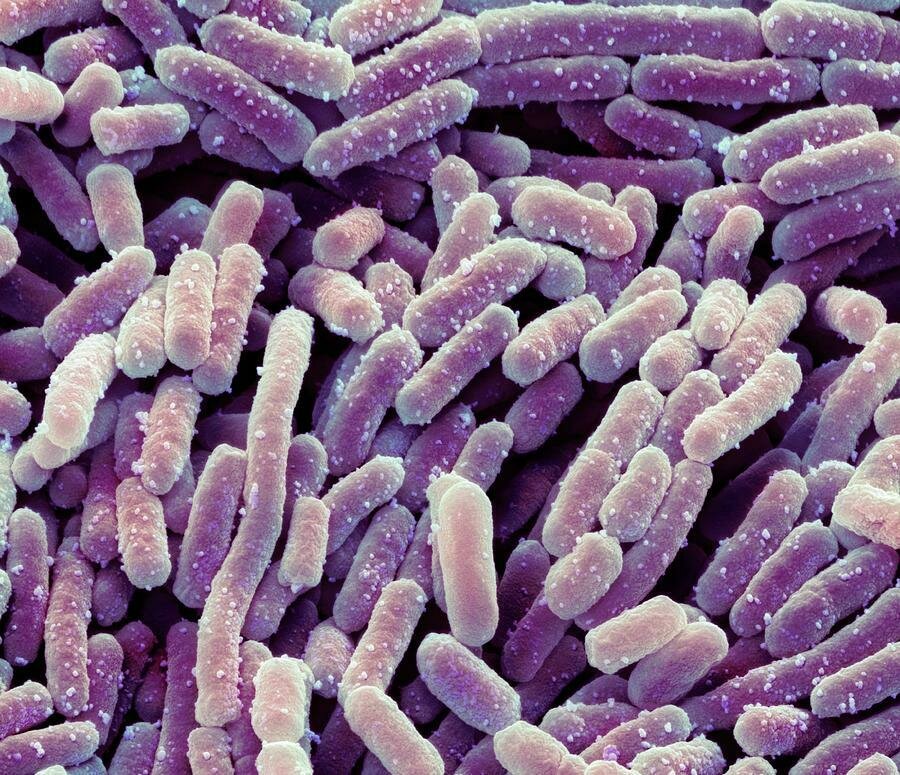
- Make a world where our friendly critters outcompete the contaminants
The universal maxim of fermentation - promote our allies to prevent chaos
Our Job Is...
Get Hostile
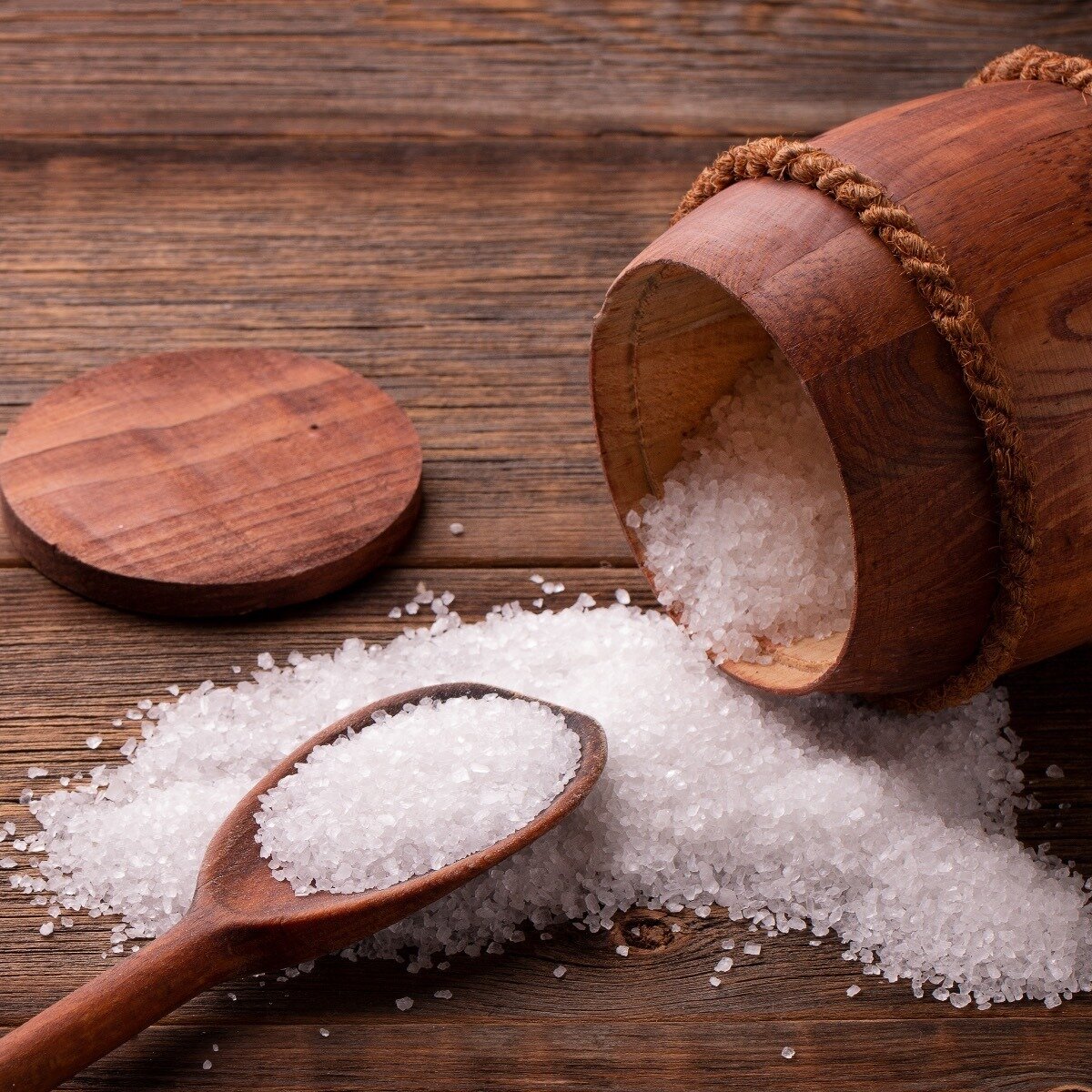
Lacto ferments use salt to discourage contamination
Usual salinity: 2.0-4.0%
Salt(g) = (Veggie(g) +Water(g)) * %age
3% "dry" example
(800g (Veg) + 0g (Water))* 0.03 =
24g salt
Less Salt = Speed; More = Safety
Plus Flavor!
Wet vs. Dry Brine
Maybe?
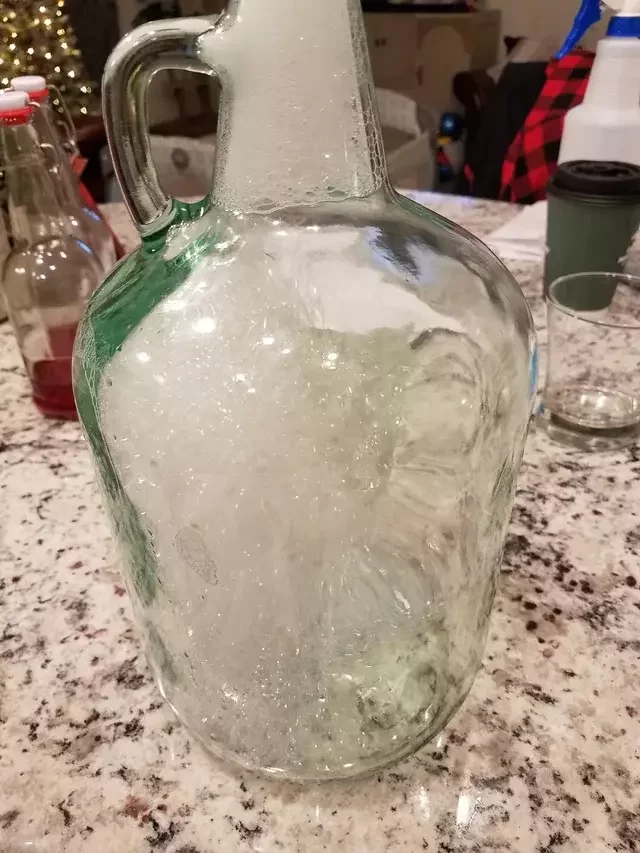
- Most "classic" recipes/procedures don't emphasize sanitizing, just cleaning
- Old techniques: vinegar washes, etc.
- Brewers have easy sanitation at hand.
- Bleach solutions work - rinse well!
Sanitizing?
- Brewers think "build a big yeast starter for best results!"
- LAB ferments traditionally just use the naturally occurring organisms
- I cheat and pitch an ounce of "live" brine (from Sauerkraut or pickle)
VROOM VROOM!
On Being Cultured
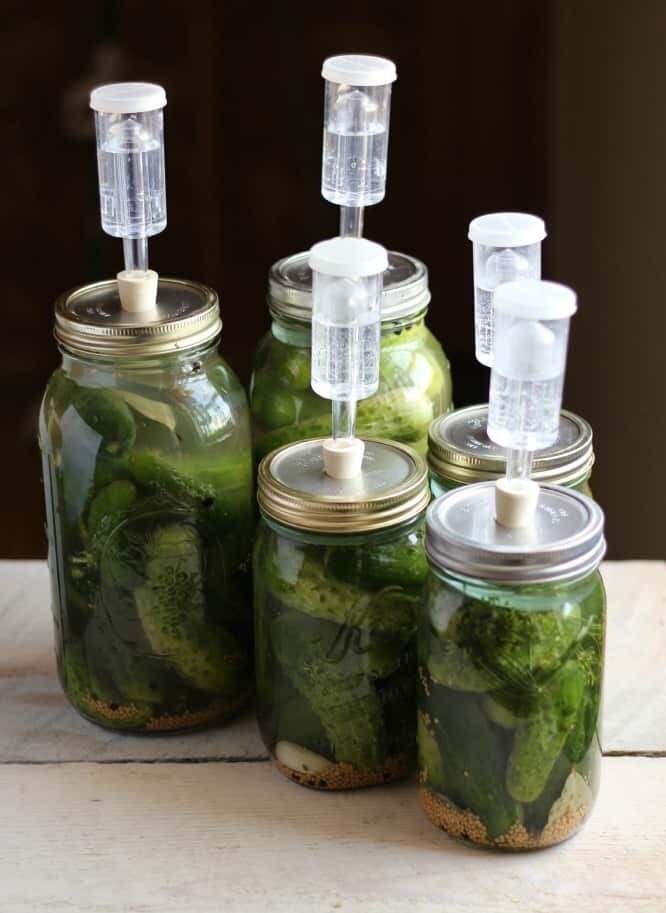
Loads of fermenting vessels
- Crocks, Jars and Vacuum Seal Bags!
- Airlocks (or not) and Weights
Your fermenter needs to keep dust at bay and your veggies submerged.
Airlocks are great, but so is just burping the jar. (Careful! Exploding peppers are not fun)
Safety bucket isn't a terrible idea
The Vessel with the Pickle...
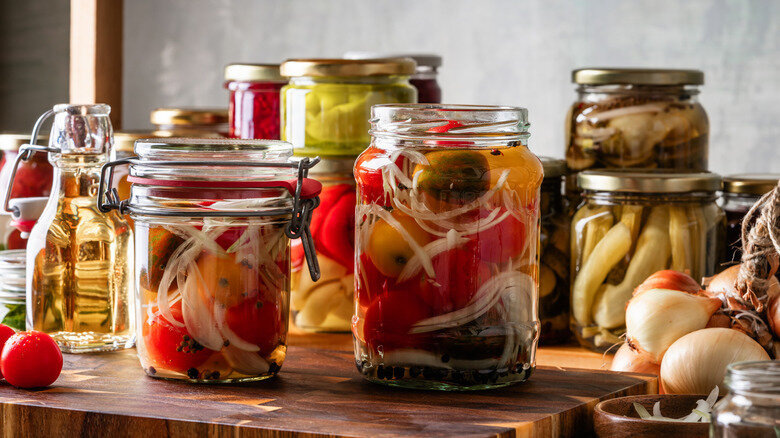
Simple Vegetable Lacto Ferment
Prep
Clean and prep the veggies
Chop the veggies
For dry brine, add salt and wait 30 minutes
1
Brine
Pack the veggies with a brine with 2.0-4.0% salinity in a clean vessel
The brine can be added or self-generated
If using, fill airlock with brine or food safe sanitizer
2
Ferment
Let burble for 3-4 weeks.
Keep the ferment "coolish" (65-75°F)
Keep the veggies submerged in the brine.
Watch for expansion of the mash and avoid blowouts!
Refrigerate and enjoy
3
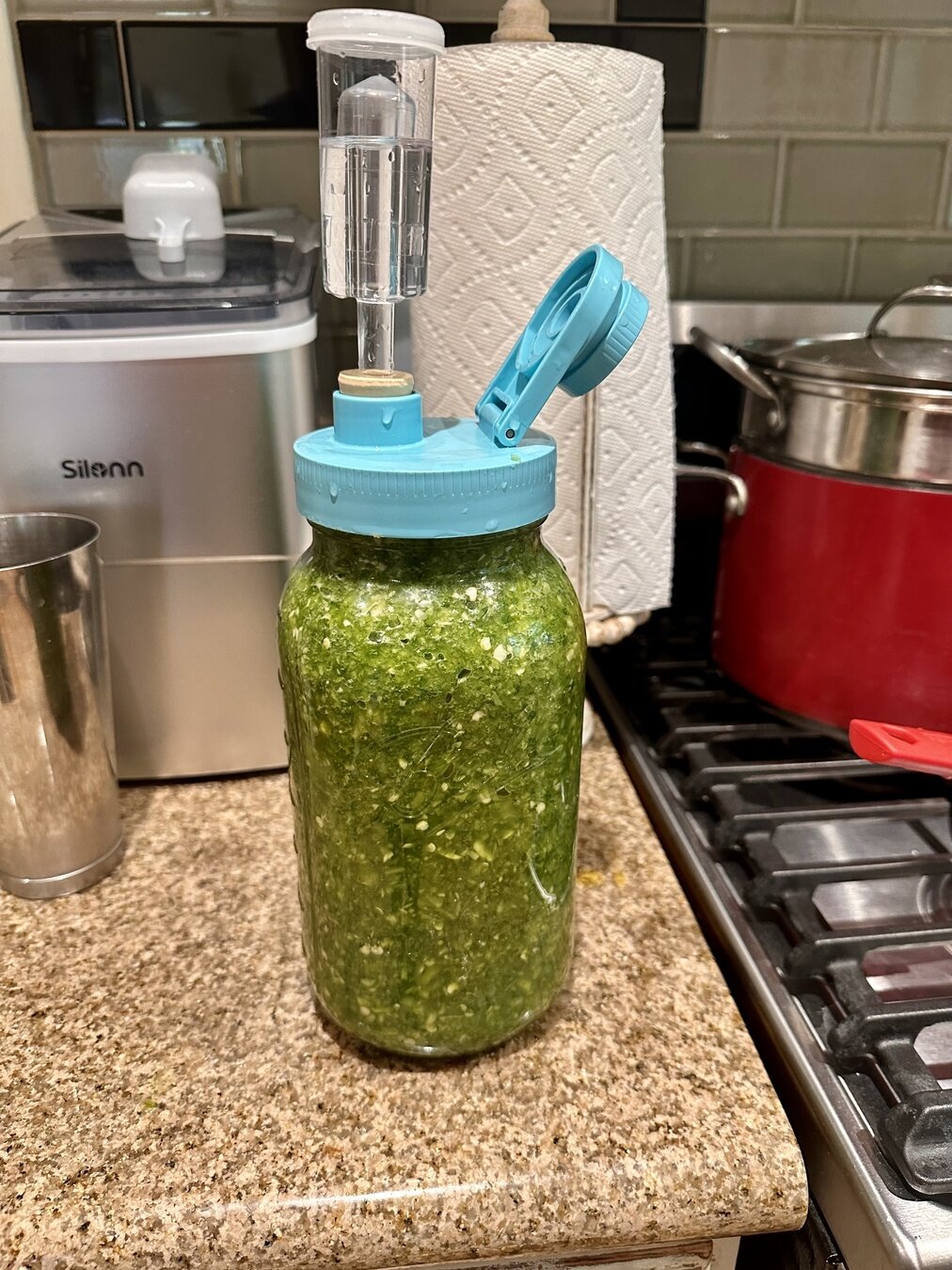
What I Use
- Food Processor
- I like a coarse mash
- A Scale(s)
- Weigh veg, salt, additions
- Fermentation Setup
- Blender
- Sieve & Spatula
- pH meter/papers (bonus!)
The Gear
What to "Expect"
- 24-48 hours
- bubbles form
- 1 week of "active fermentation"
- lacto ferments less violent than yeast ferments
- Can still blow out the top!
- 2-3 weeks of "aging"
- Week 4 - package!
- Schedule can vary - let the ferment tell you
The Schedule
- Puree the sauce to desired consistency
- Measure the pH (<4.5?)
- Taste the sauce and adjust
- Does it need more salt?
- Acid?
- Sweetness?
- Pasteurization?
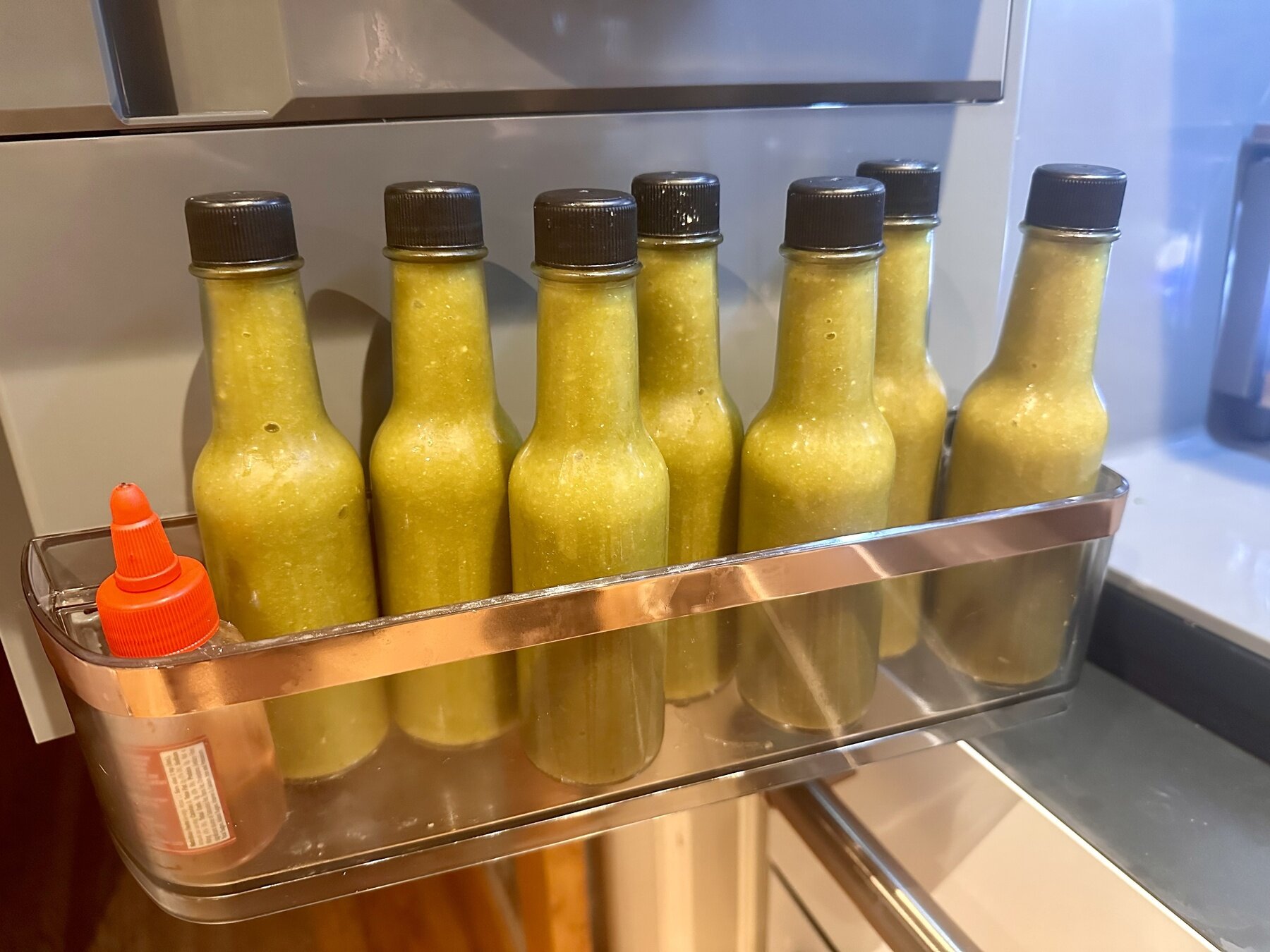
- Bottle and store in the fridge
- Room temp stability requires work
- I sanitize the bottles
Finishing Up
- Acid
- Vinegar - Apple Cider, Rice, etc.
- Citrus
- Acid salts
- Sugar
- Honey
- Fruit
- Salt / Spices / Herbs
Flavor Additives
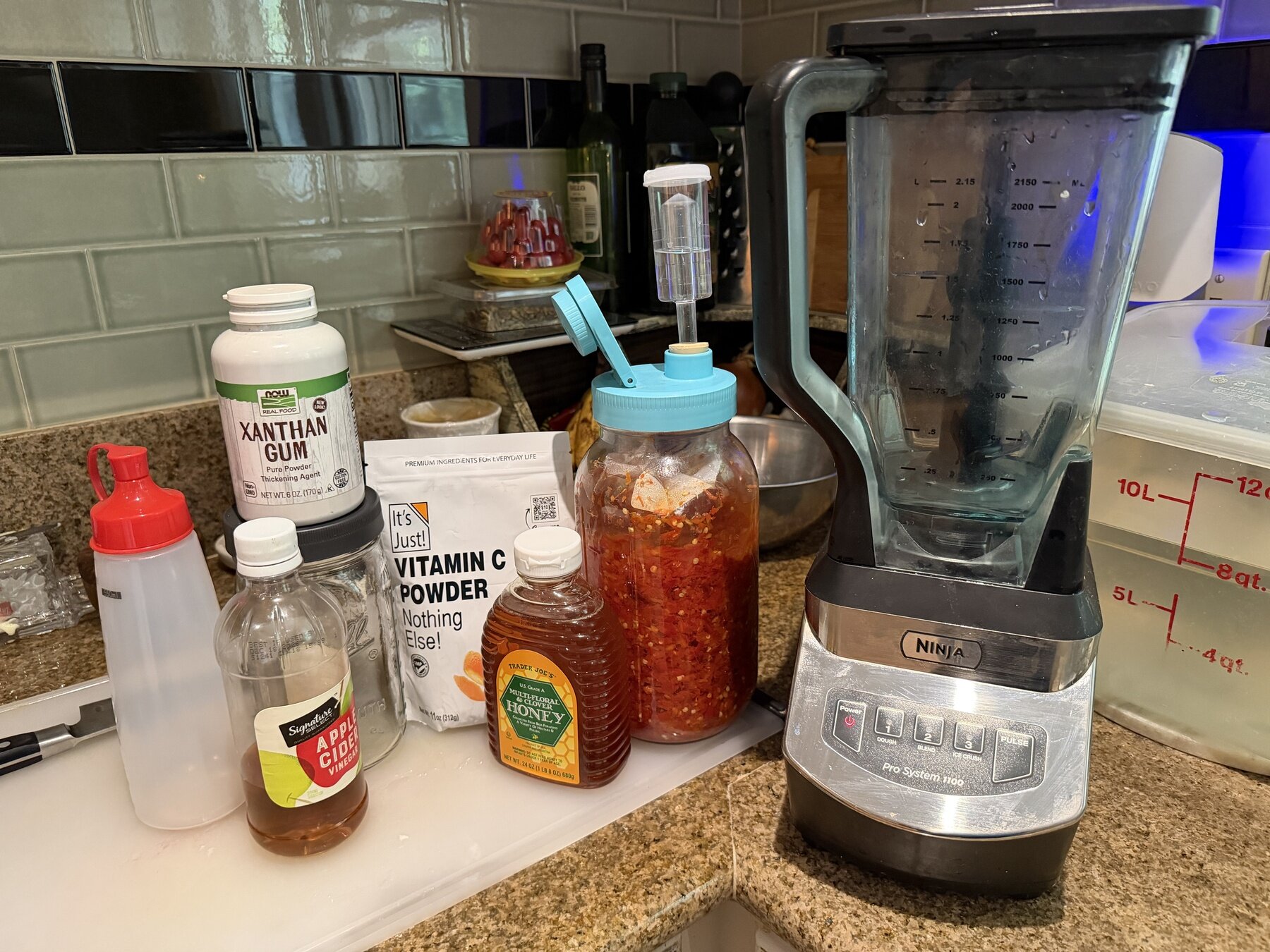
- Ascorbic Acid (aka Vitamin C)
- used as an anti-oxidant - keep the colors bright and fresh
- Xanthan Gum - polysaccharide
- thickens and stabilizes
- prevents separation
- add while blending!!
- Vegetable Glycerin
- adds body and sweetness
Final Additives
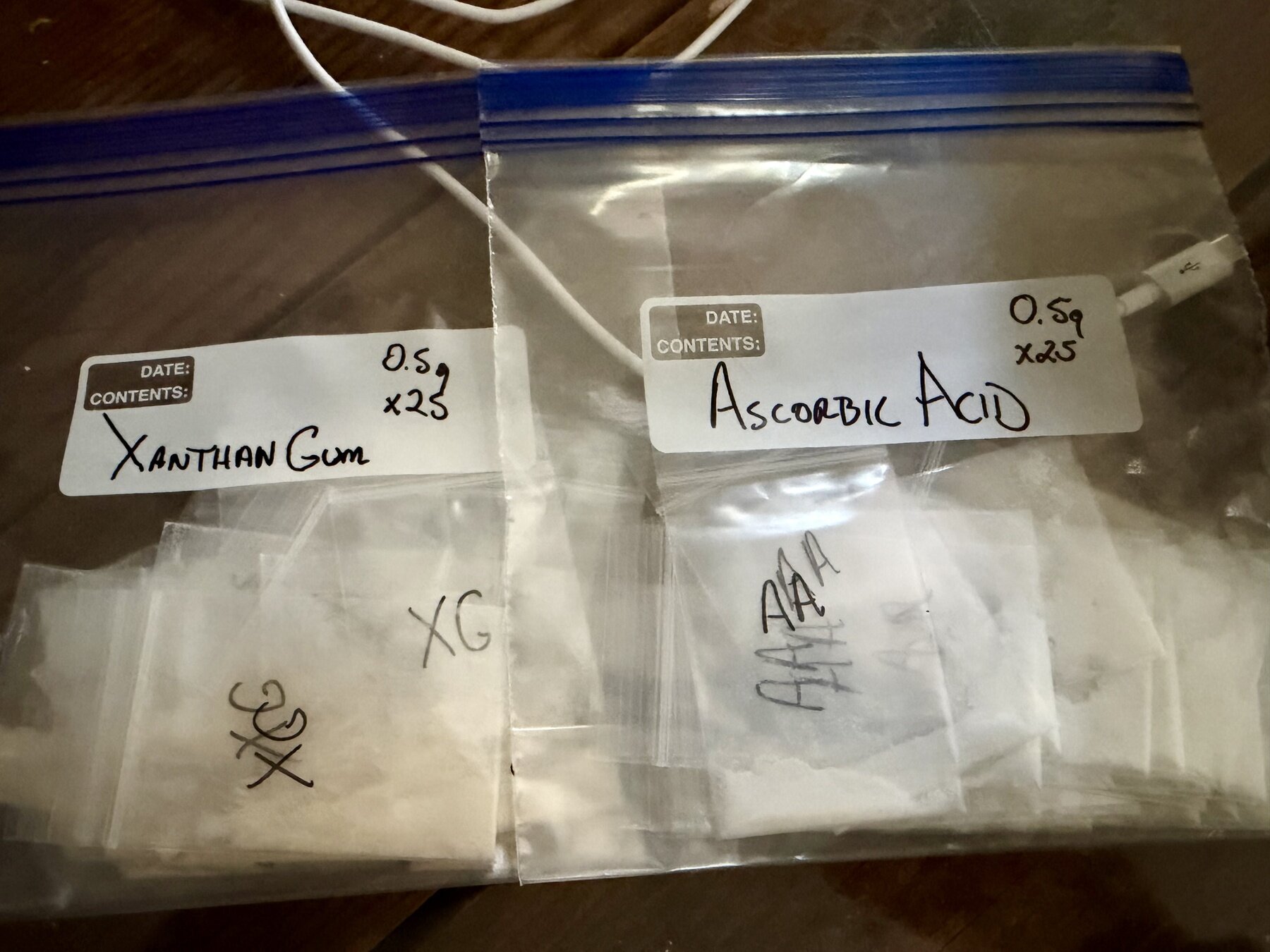
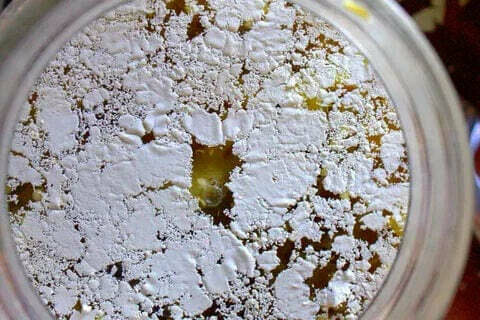
Two most common contaminants
- Kahm (top) - Wild Yeast with white rafts that forms on top
- mostly harmless, funky smell
- Mold (bottom) - green,black and multicolored fuzzy growth
- vegetation above the brine / O2
- chuck it - mold indicates bad spoilage.
- not worth the risk
Use Your Nose!
Sometimes It Gets Spicy (badly)
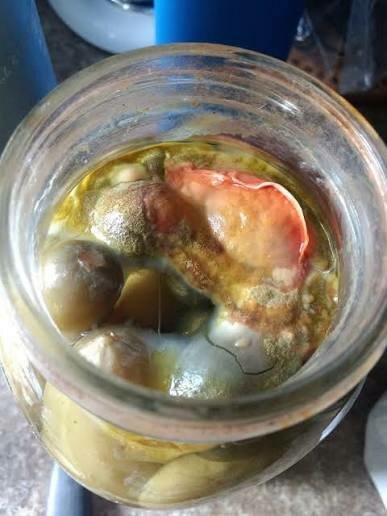
Inspired by Huy Fong Sriracha, but more
- Fermented
- Red Frying Peppers, Red Jalapeno, Fresno, Cayenne, Red Thai Bird's Eye, Garlic
- Finished:
- Apple Cider Vinegar, Honey
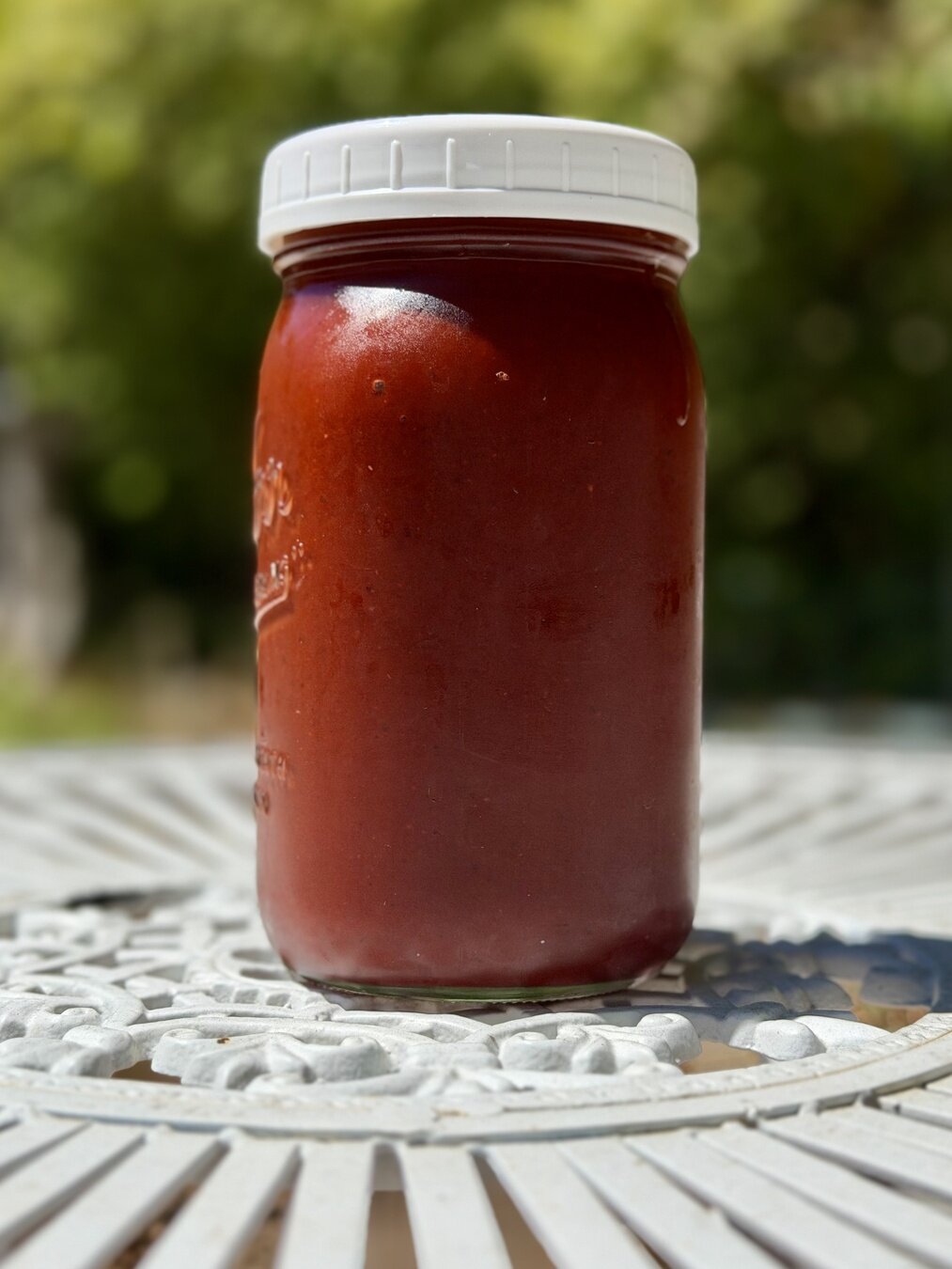
Hitting the Sauce
Super Rooster
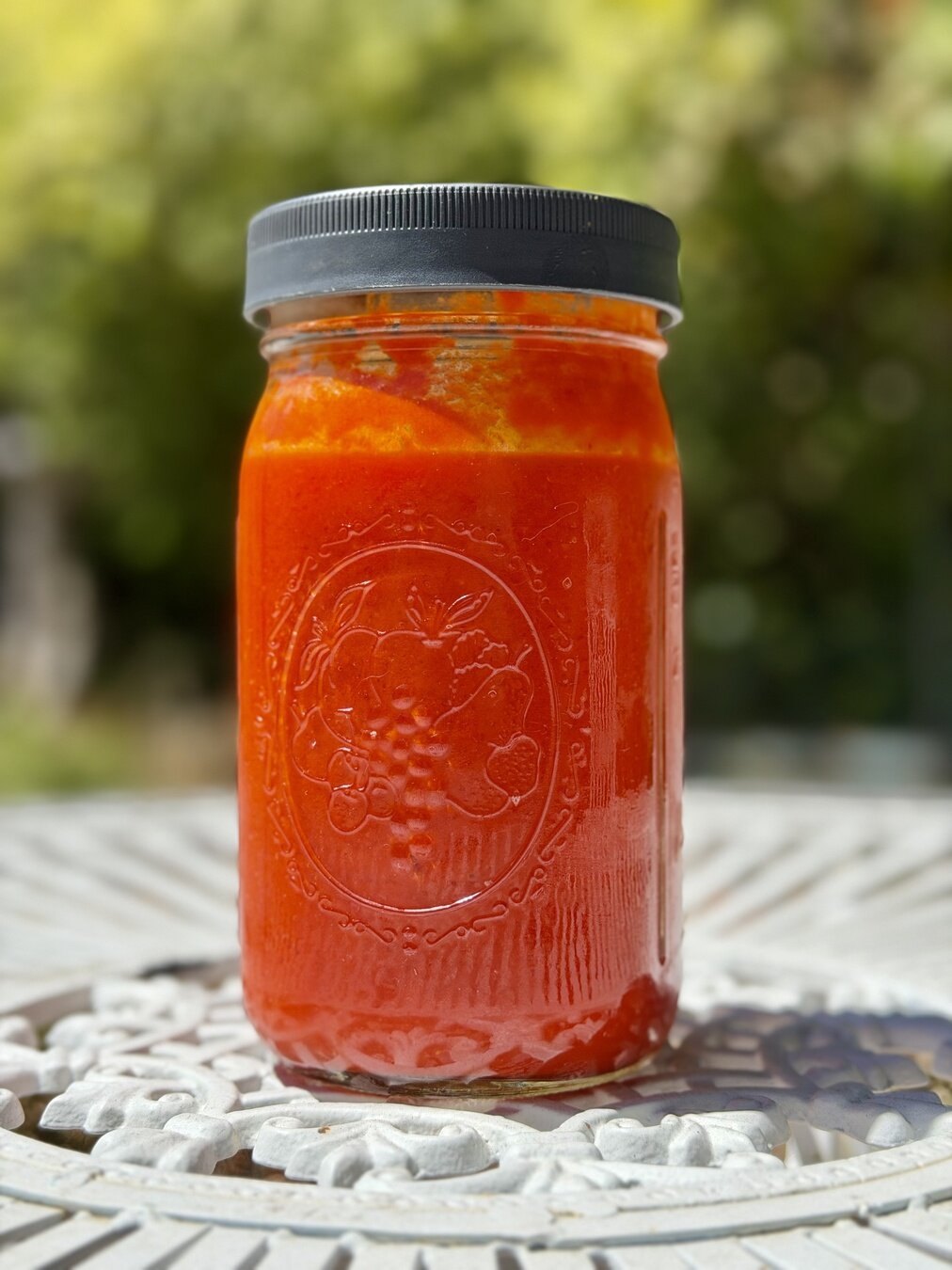
A sample lacto ferment project
What to do with super ripe garden peppers? (red jalapenos and habaneros)
The goal - a hyped up boosted Sriracha
First step - supplement the harvest to get enough for a ferment!
- Farmers Market - Late for Deals
Super Rooster Project
(The Prep and Ferment)
520g Red Jalapeños/Fresnos
275g Red Italian Frying peppers
221g Cayennes
86g Thai Bird's Eye
55g Habaneros
65g Garlic
27g Kosher Salt (2.5%)*
1 oz Sauerkraut Brine
* - cleaned veg yield 1078g
Salt = (1078g (Veg) + 0g (Water) ) *0.025
Salt= 27g
Super Rooster Project
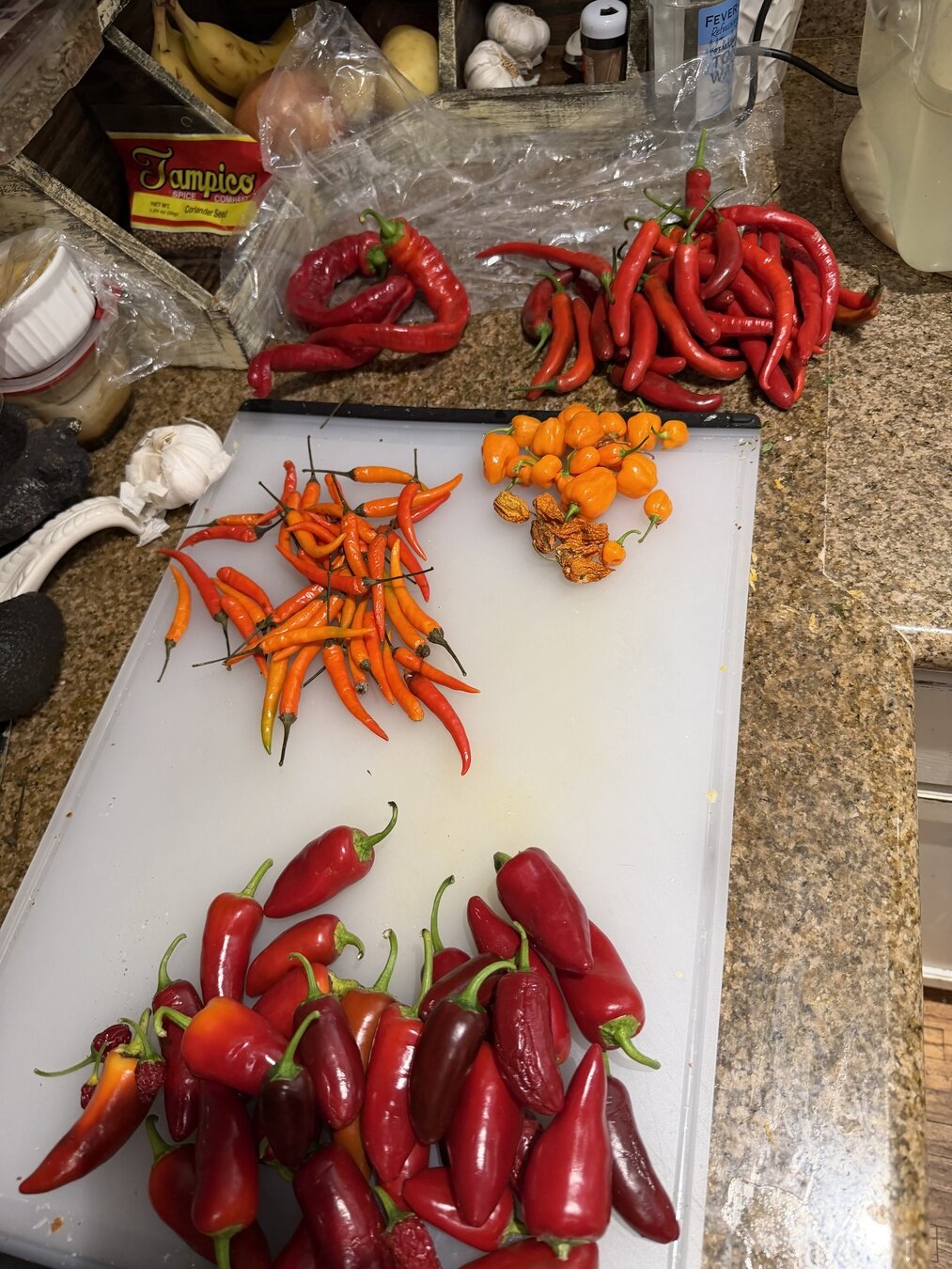
- Wash the peppers
- Split and remove the seeds from the frying peppers, jalapenos, and cayennes
- Destem all the peppers
- Weigh the total mash
- Coarsely Chop (think pico, not salsa)
WEAR GLOVES OR REGRET IT
(mask & safety glasses recommended)
Super Rooster Project
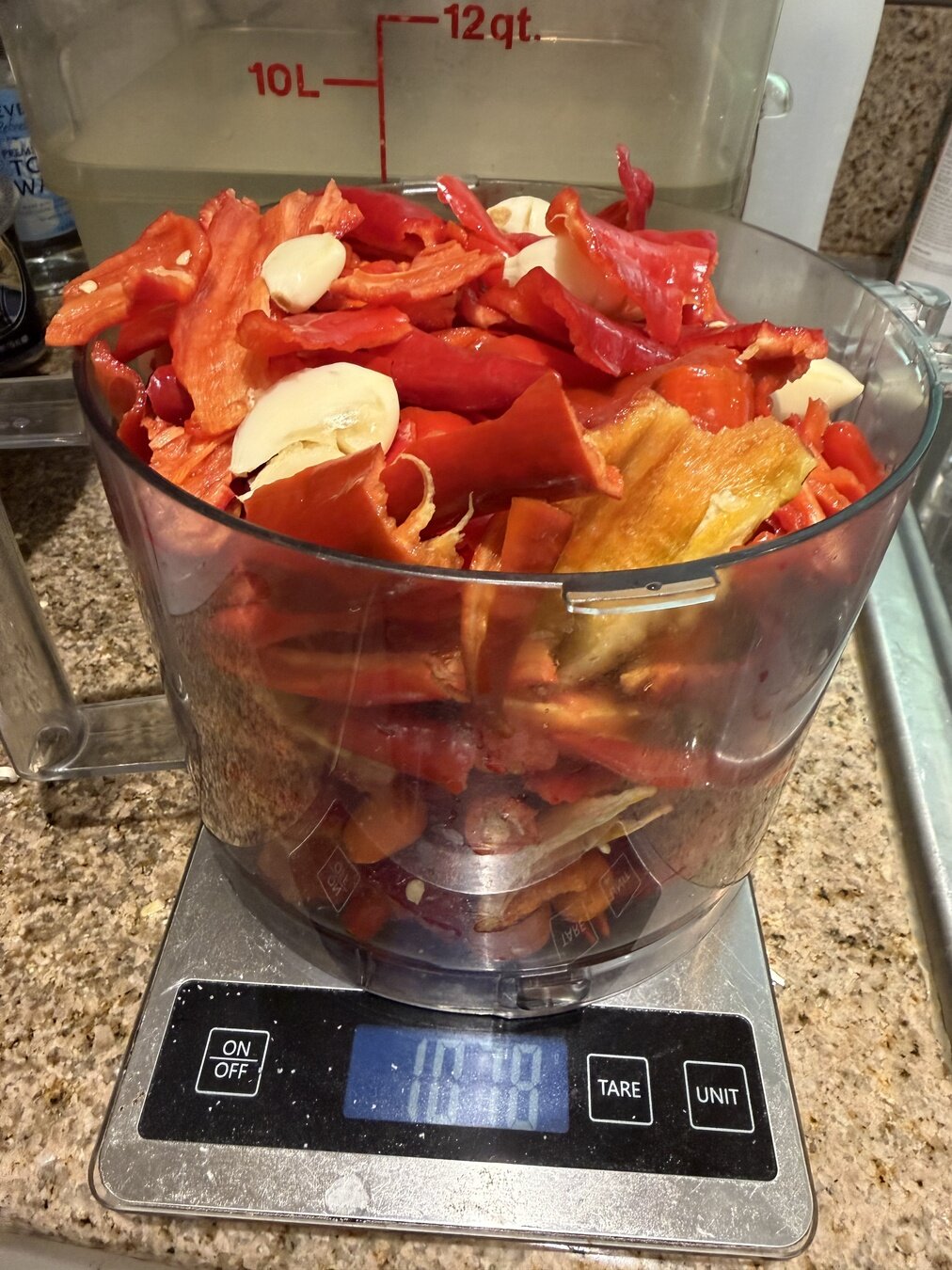
- Add non-iodized salt and stir it through
- Wait 30 minutes
- Brine comes out & mash relaxes
- If there's not enough liquid, make fresh brine (same salinity).
PPE Beats Macing Yourself
Super Rooster Project
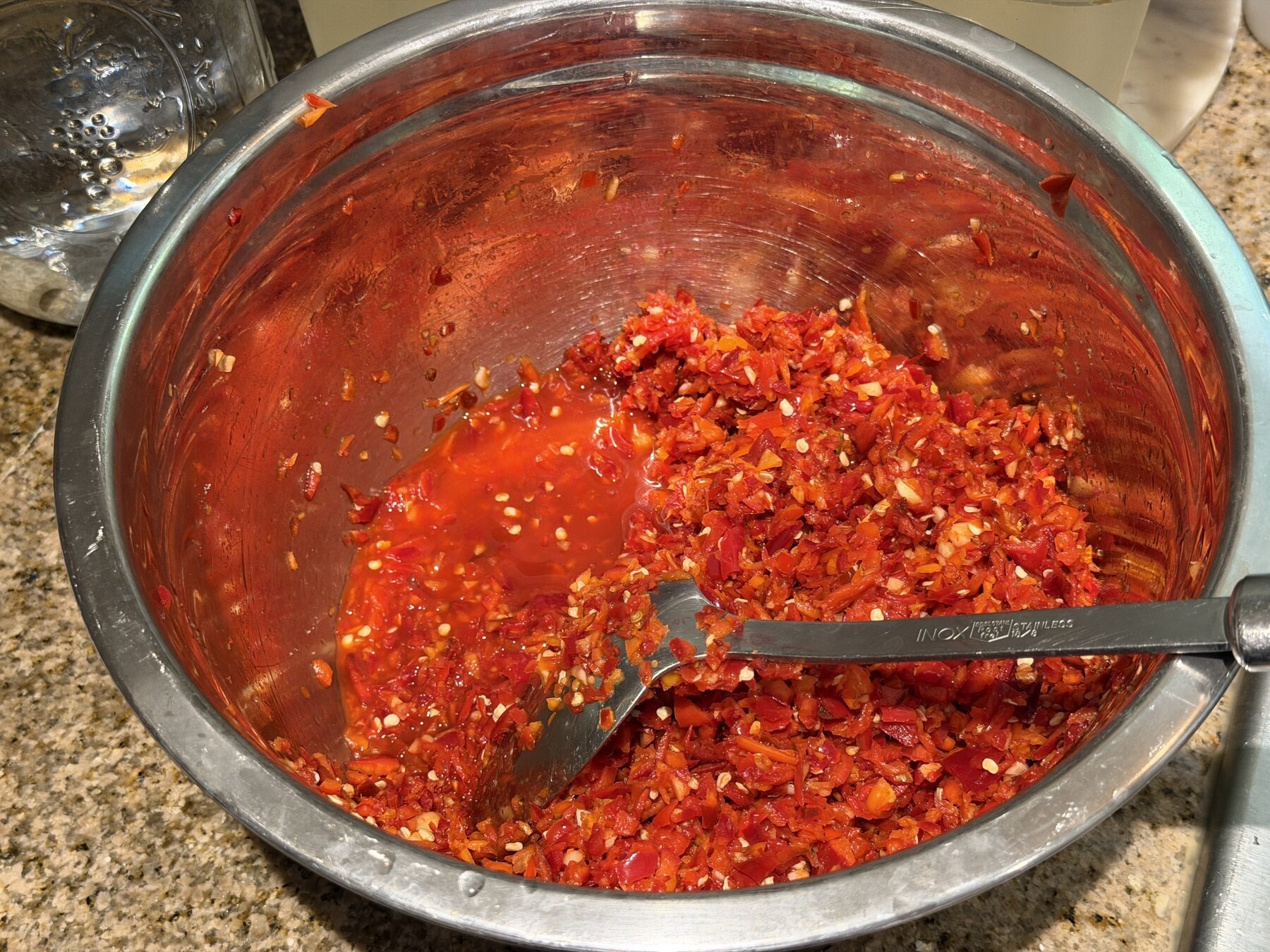
- Add brine (if using)
- Pack into the fermenter
- Weight the mash to submerge it completely in the brine
- I use a sanitized filled baggie
Wash Your Hands Please
(even if you used gloves)
Super Rooster Project
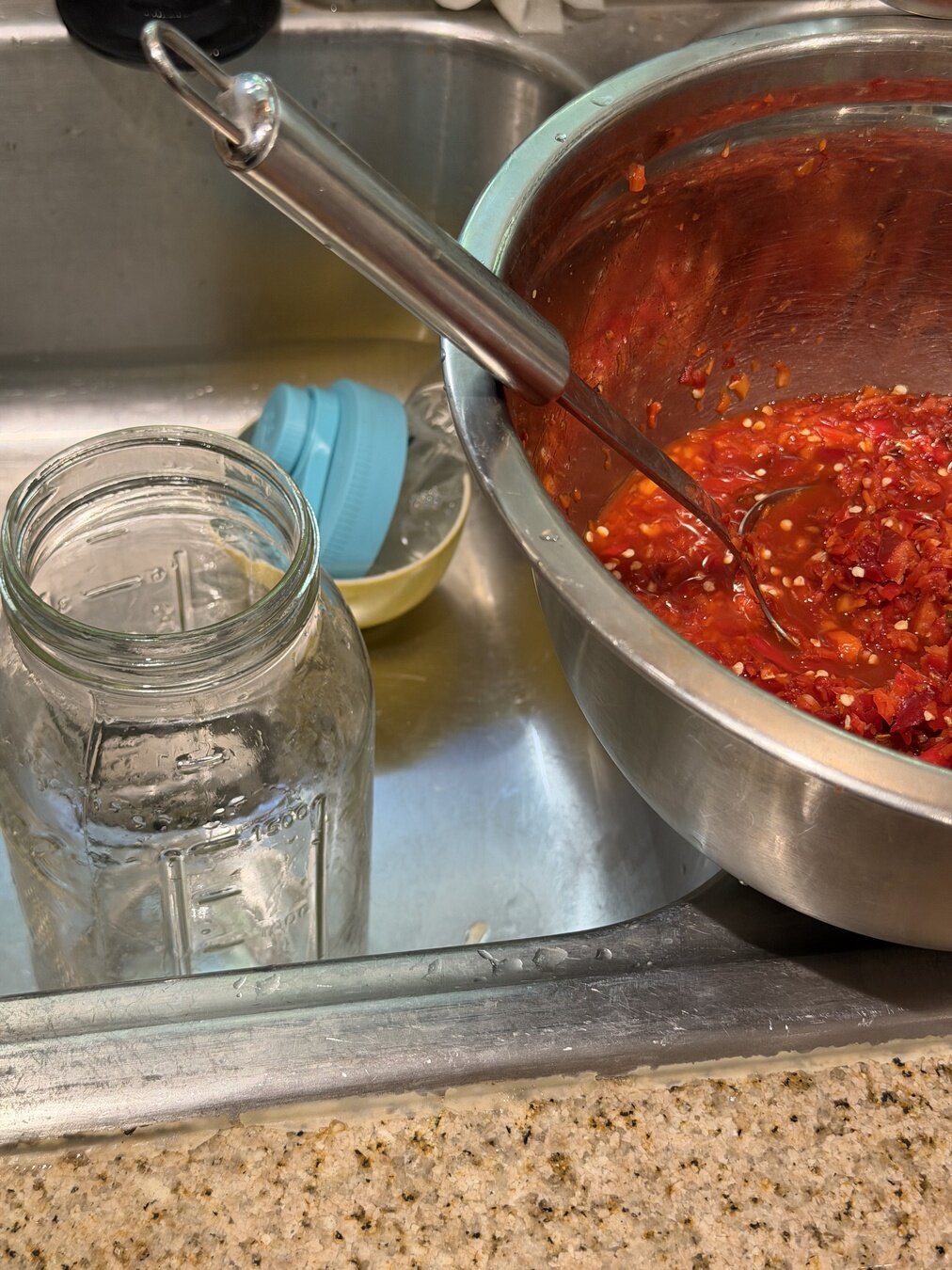
- Ferment for 4 Weeks at cool room temp (65-75°F)
- Keep the pepper mash submerged
- Don't Mess With It
Super Rooster Project (Ferment)
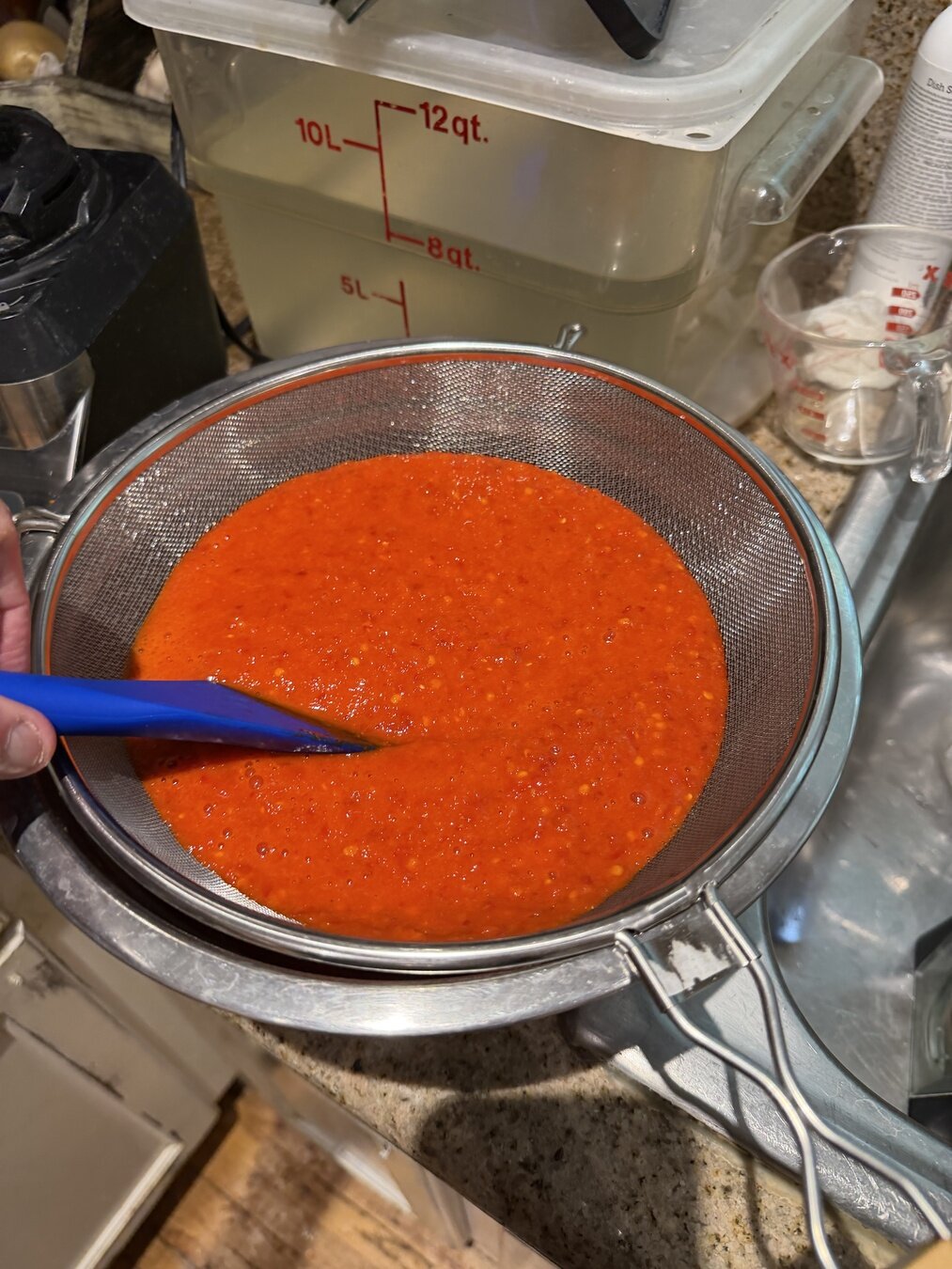
- Pureed finely with minimal brine
- you can thin the finished sauce down
- Pass through a sieve
- Re-blend the mash with a little sauce and pass again
- Adjust flavor with salt, sugar and vinegar
- Add Ascorbic Acid (color/oxidation)
- Blend in Xanthan Gum to prevent separation
Super Rooster Project (Finish)
What if Chipotle, but Blueberry
- Fermented
- Blueberries (fresh), Jalapeno, Chipotle Morita, Habanero, Garlic, Red Onion
- Finished:
- Apple Cider Vinegar, Honey, Black Pepper
Hitting the Sauce
Blue Smoke
So many ways to swing
- Tabasco peppers with salt and oak
- Habaneros & Mango, Pineapple, Mustard
- Herbs? Spices? Booze? Sugars?
- e.g. Chipotle and Maple Syrup
- Change the heat, the acid, sweetness
- Blow your head off or not!
Exercise a different palate!
Flavor Playground
How to Build a Sauce
- What's Available? What "Pops"?
- What's the "Vibe"/"Story"
- Rooster = "Super Sriracha", etc
- What do you ferment vs add later?
- Ferment: peppers, onions, garlic
- Fresh: fruits, sugars, herbs, etc
- Simple Ferments are flexible
- The Sauce is Never Done!
Recipe Thoughts
This is Easy
If you have questions - drew@maltosefalcons.com
Also - your worksheet!
Sauced Sauce - Wild Parrot
By Drew Beechum
Sauced Sauce - Wild Parrot
A guide to making your first hot sauce