Making Astronomical Data AI-Ready
Across Surveys
Lessons-learned from the Multimodal Universe Project
François Lanusse
National Center for Scientific Research (CNRS)
Polymathic AI

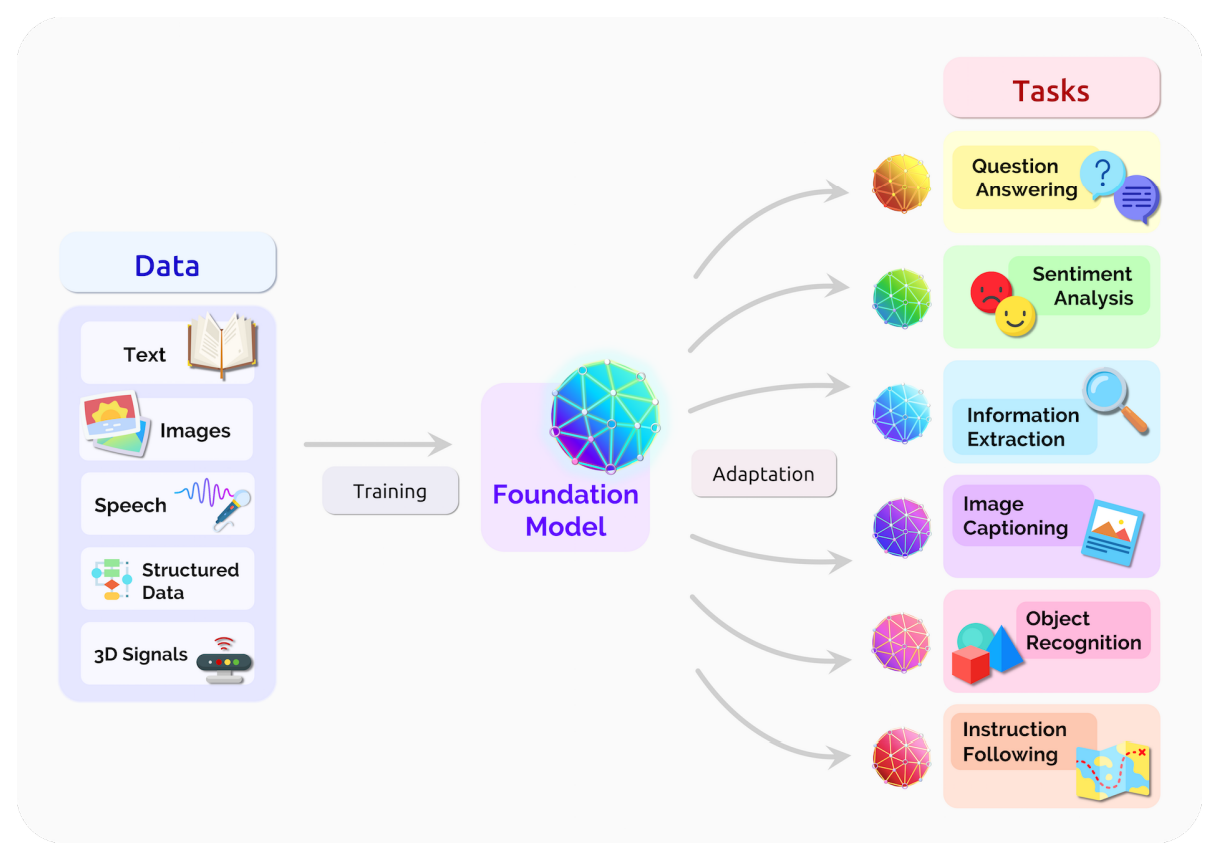
The Rise of The Foundation Model Paradigm
-
Foundation Model approach
-
Pretrain models on pretext tasks, without supervision, on very large scale datasets.
- Adapt pretrained models to downstream tasks.
-
Pretrain models on pretext tasks, without supervision, on very large scale datasets.
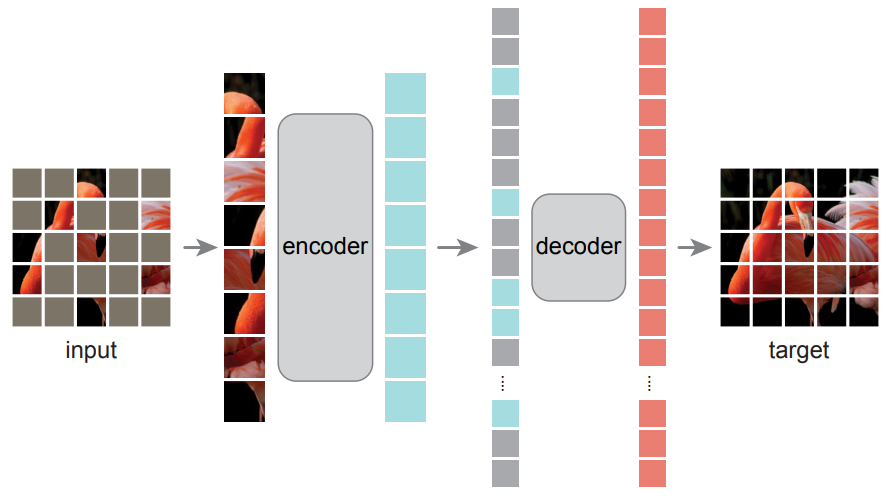

The Advantage of Scale of Data and Compute
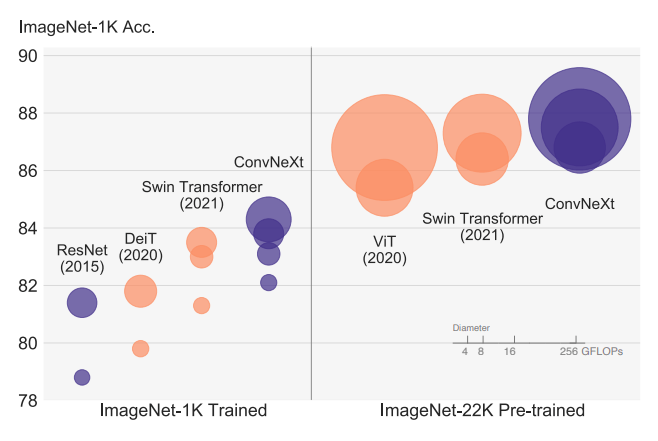
What This New Paradigm Could Mean for Us
-
Never have to retrain my own neural networks from scratch
-
Existing pre-trained models would already be near optimal, no matter the task at hand
-
Existing pre-trained models would already be near optimal, no matter the task at hand
- Practical large scale Deep Learning even in very few example regime
-
Searching for very rare objects in large surveys like Euclid or LSST becomes possible
-
Searching for very rare objects in large surveys like Euclid or LSST becomes possible
- If the information is embedded in a space where it becomes linearly accessible, very simple analysis tools are enough for downstream analysis
- In the future, survey pipelines may add vector embedding of detected objects into catalogs, these would be enough for most tasks, without the need to go back to pixels
AION-1

Omnimodal Foundation Model for
Astronomical Surveys
Accepted at NeurIPS 2025, spotlight presentation at NeurIPS 2025 AI4Science Workshop








Project led by:
Francois
Lanusse
Liam
Parker
Jeff
Shen
Tom
Hehir
Ollie
Liu
Lucas
Meyer
Sebastian Wagner-Carena
Helen
Qu
Micah
Bowles
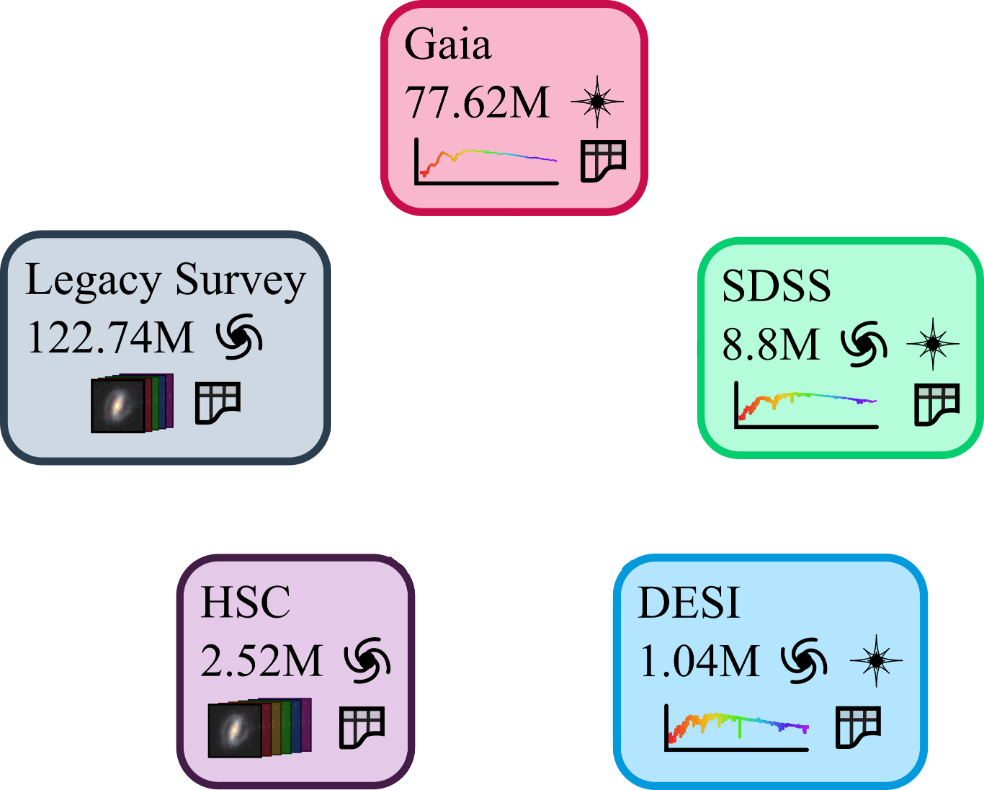
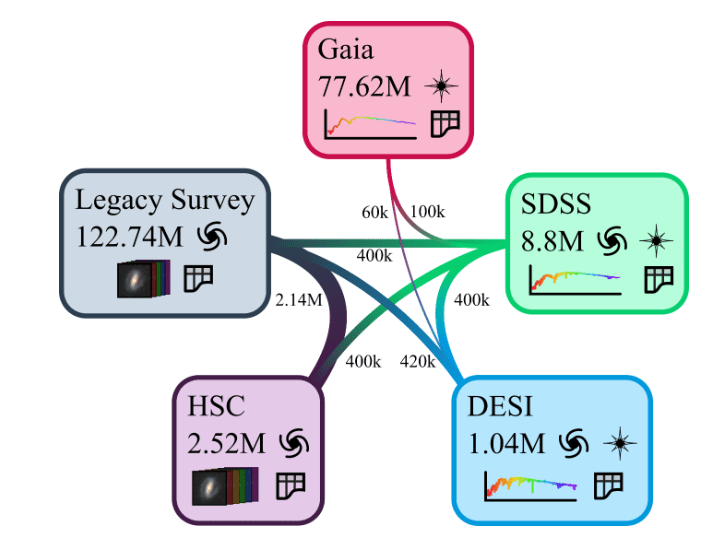
The AION-1 Data Pile
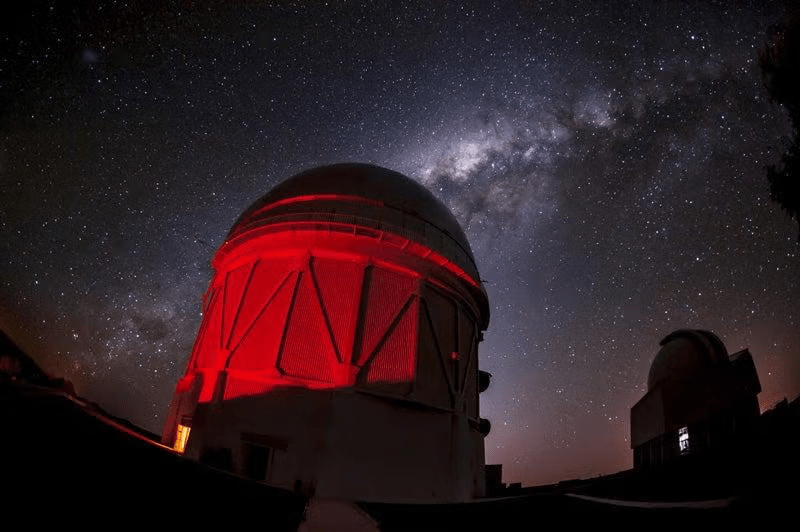
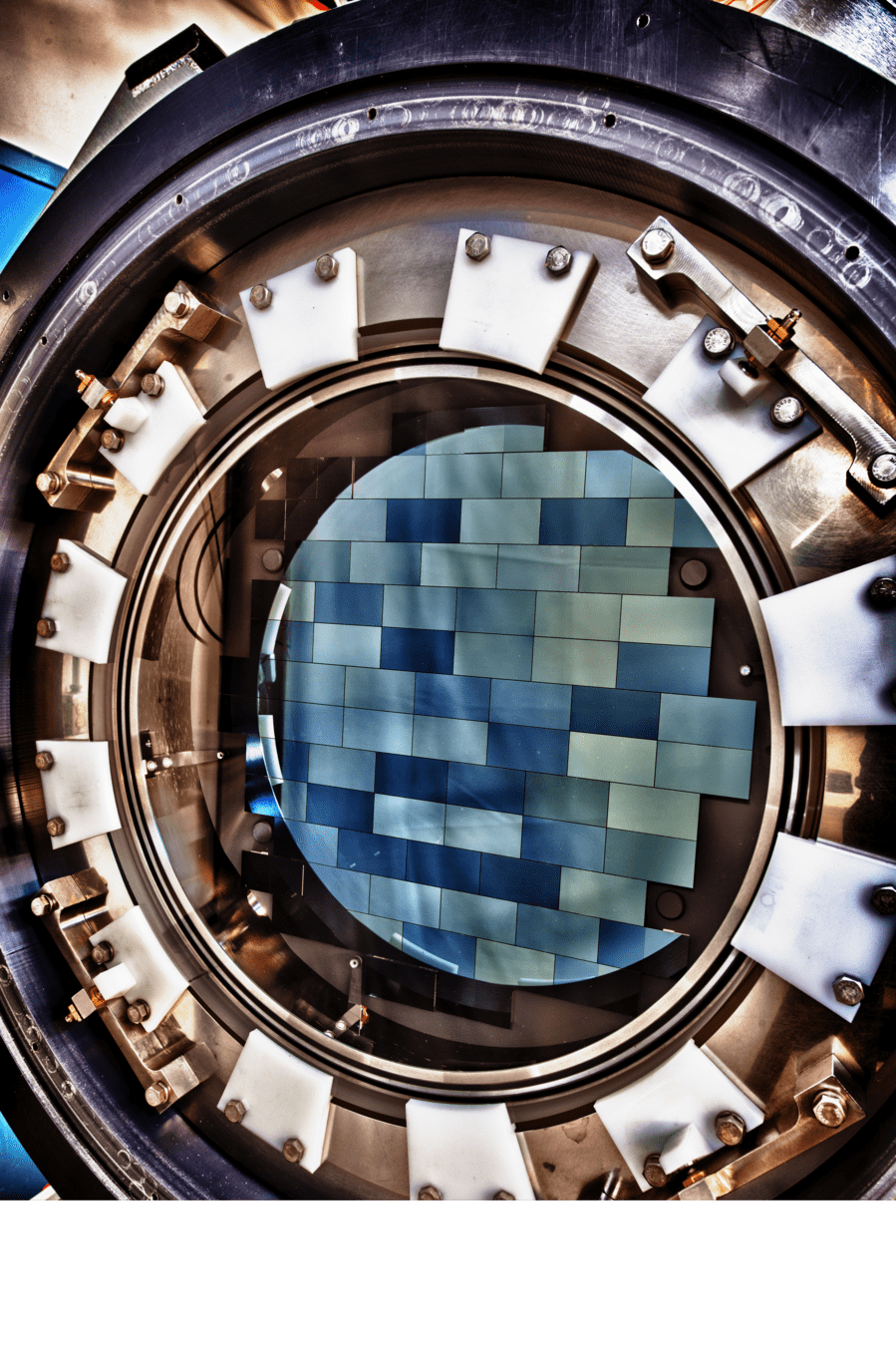
(Blanco Telescope and Dark Energy Camera.
Credit: Reidar Hahn/Fermi National Accelerator Laboratory)
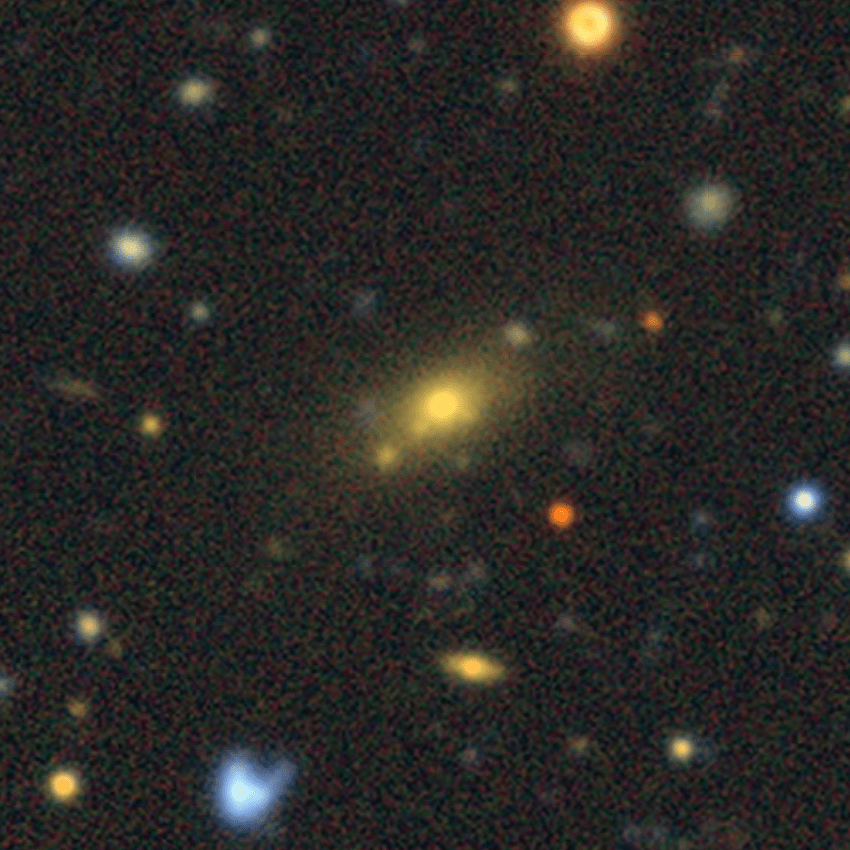
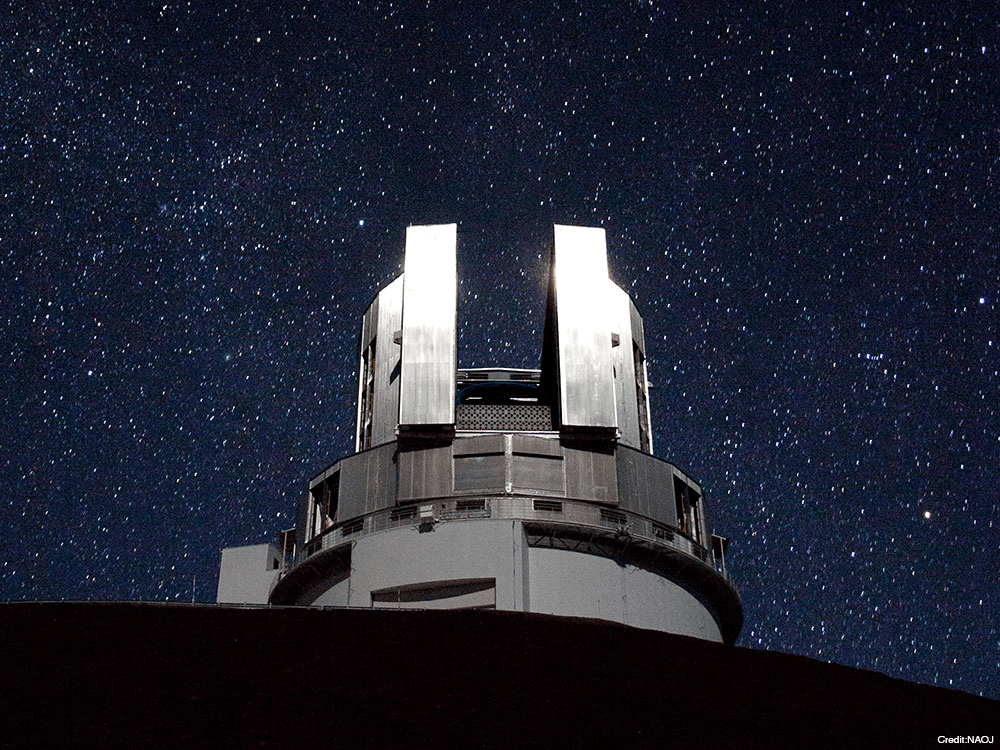
(Subaru Telescope and Hyper Suprime Cam. Credit: NAOJ)
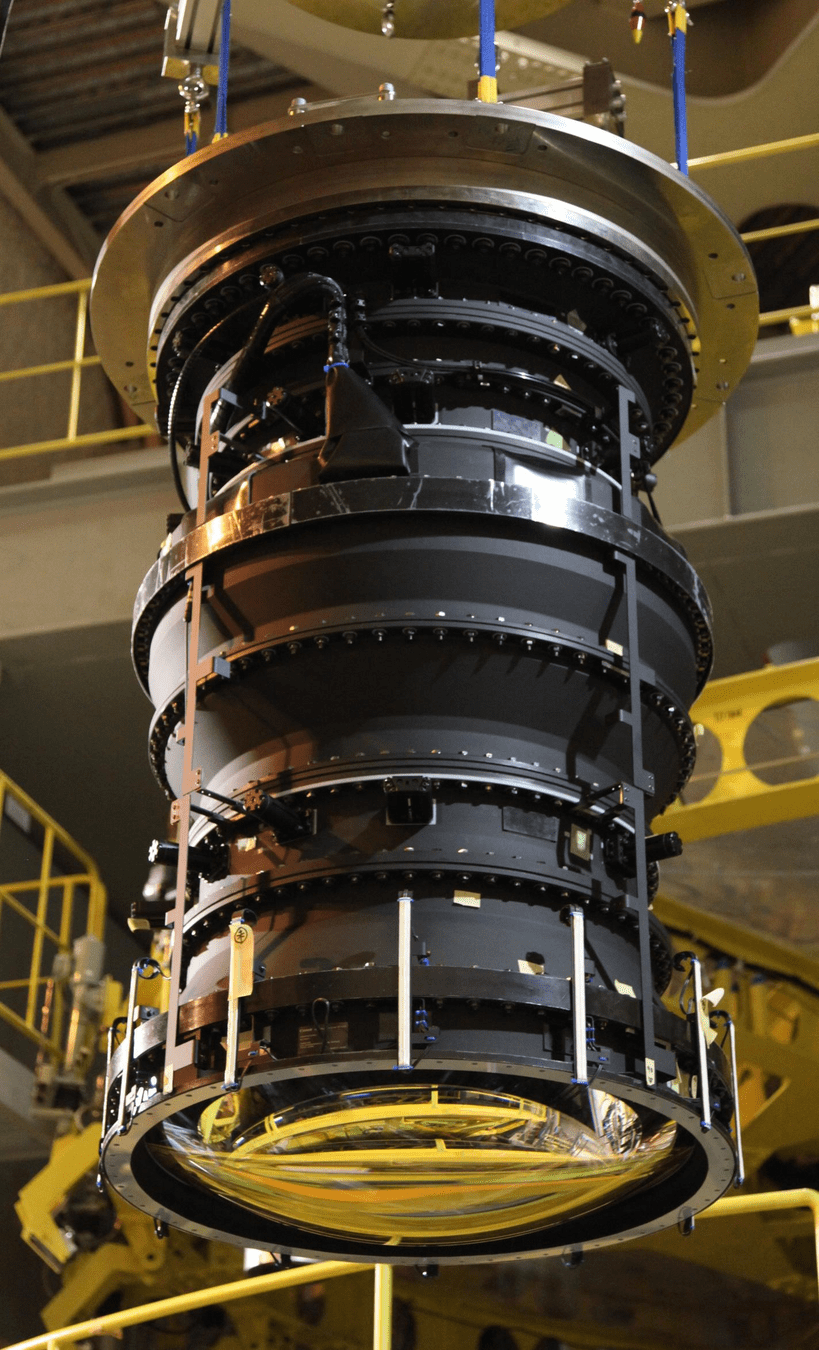
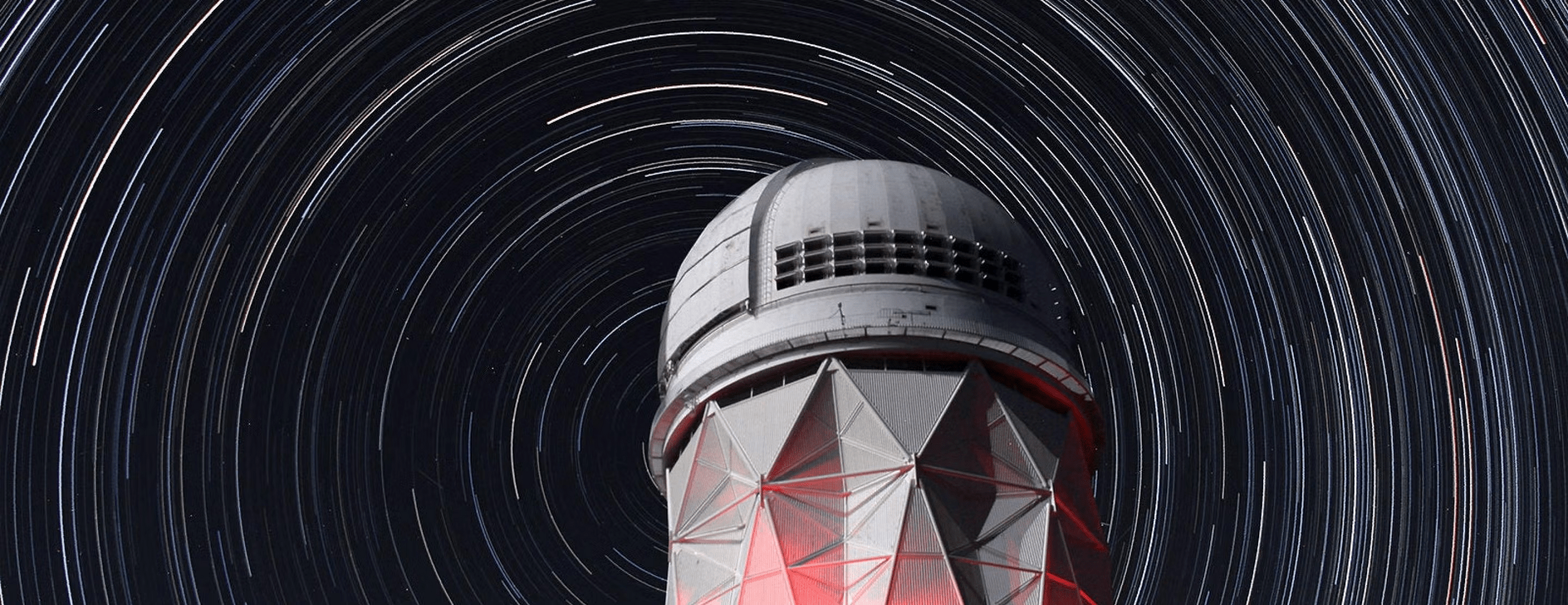
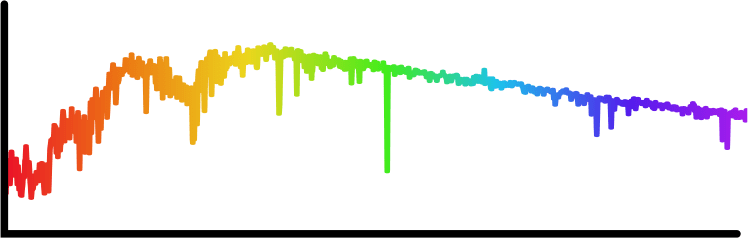
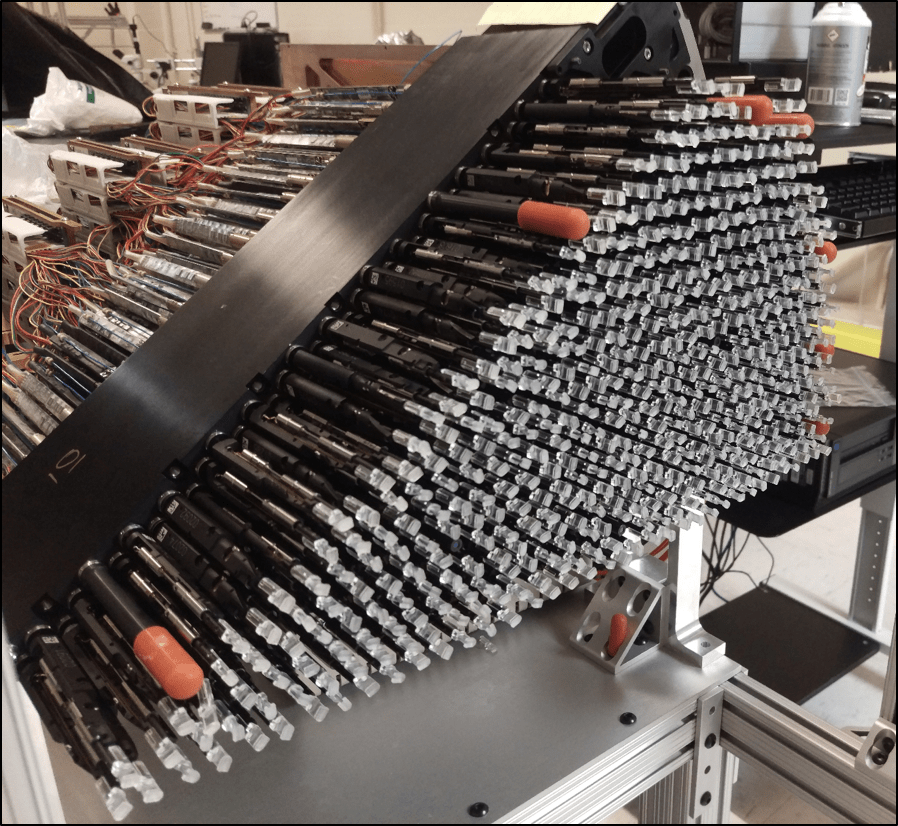
(Dark Energy Spectroscopic Instrument)
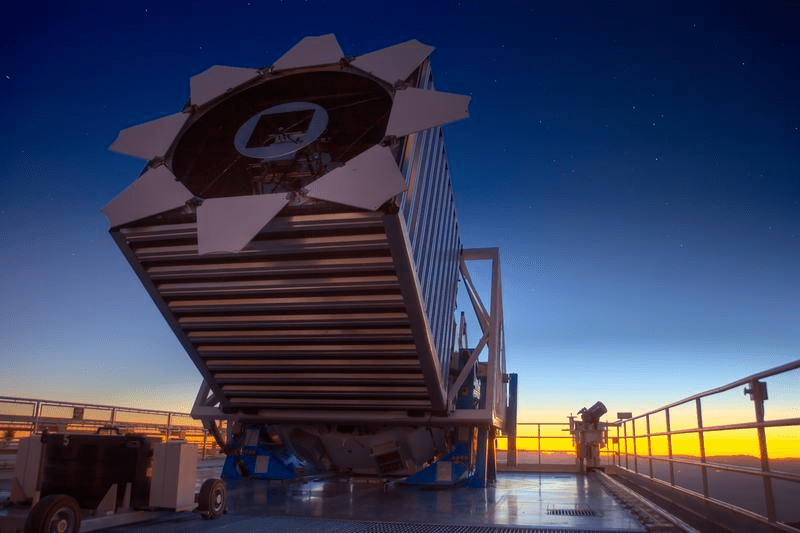
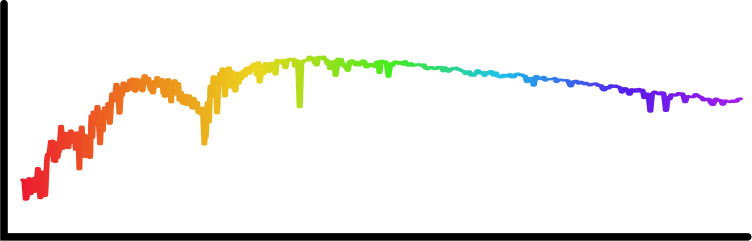
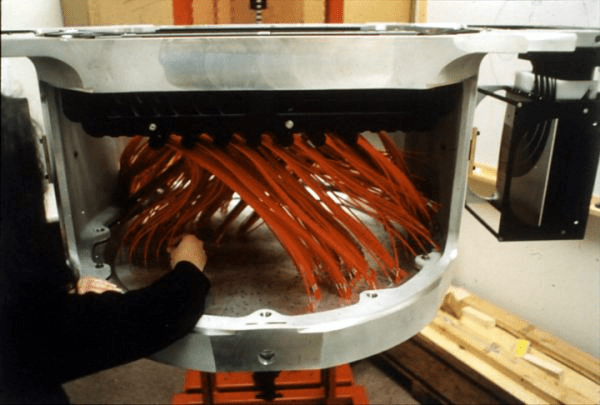
(Sloan Digital Sky Survey. Credit: SDSS)
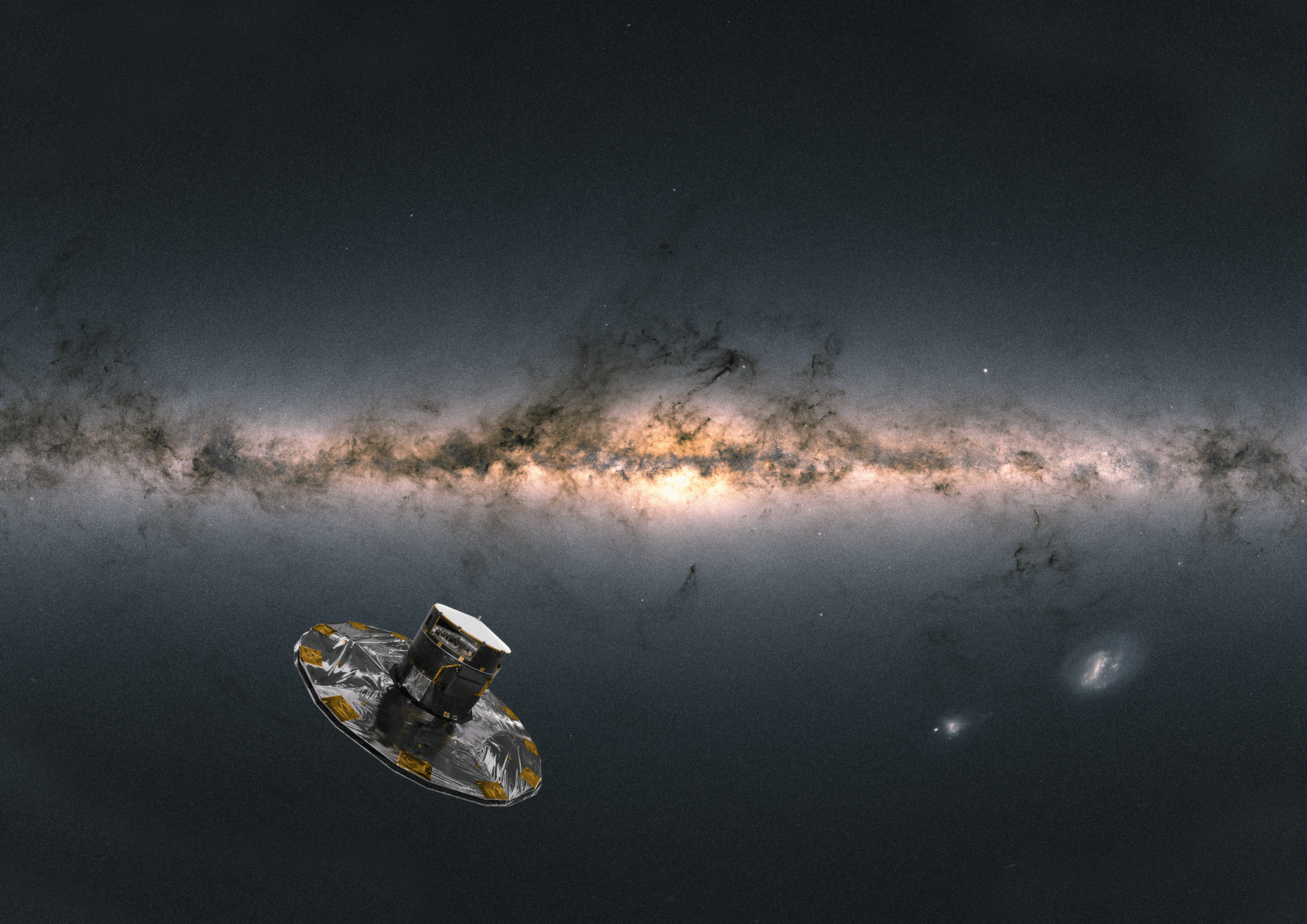
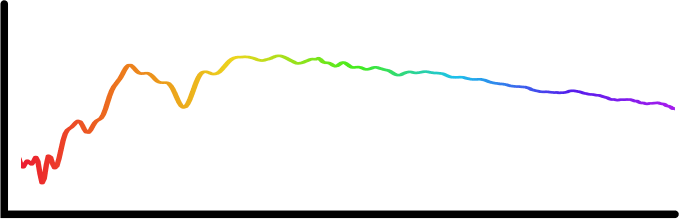
(Gaia Satellite. Credit: ESA/ATG)
Cuts: extended, full color griz, z < 21
Cuts: extended, full color grizy, z < 21
Cuts: parallax / parallax_error > 10
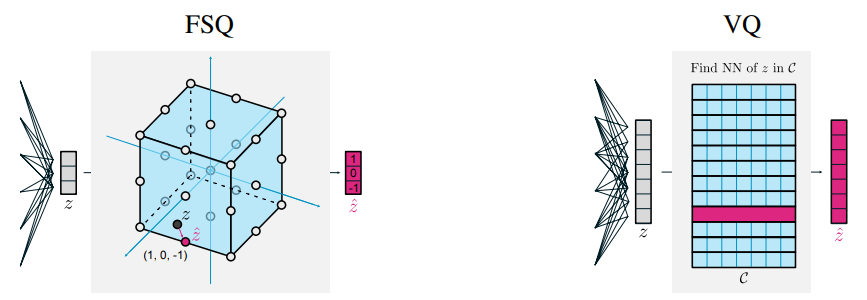
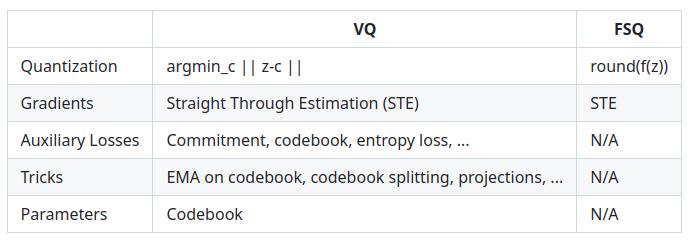
Standardizing all modalities through tokenization
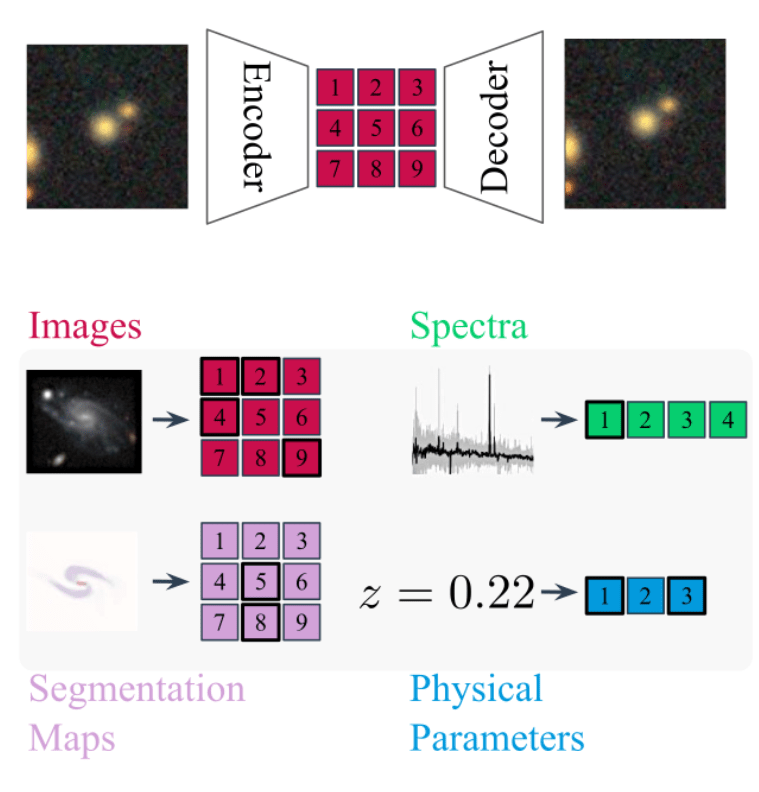
- For each modality category (e.g. image, spectrum) we build dedicated tokenizers
=> Convert from any data to discrete tokens
- For Aion-1, we integrate 39 different modalities (different instruments, different measurements, etc.)
\mathcal{L} = \parallel \Sigma^{- \frac{1}{2}} \left( x - d_\theta( \lfloor e_\theta(x) \rfloor_{\text{FSQ}} \right) \parallel_2^2
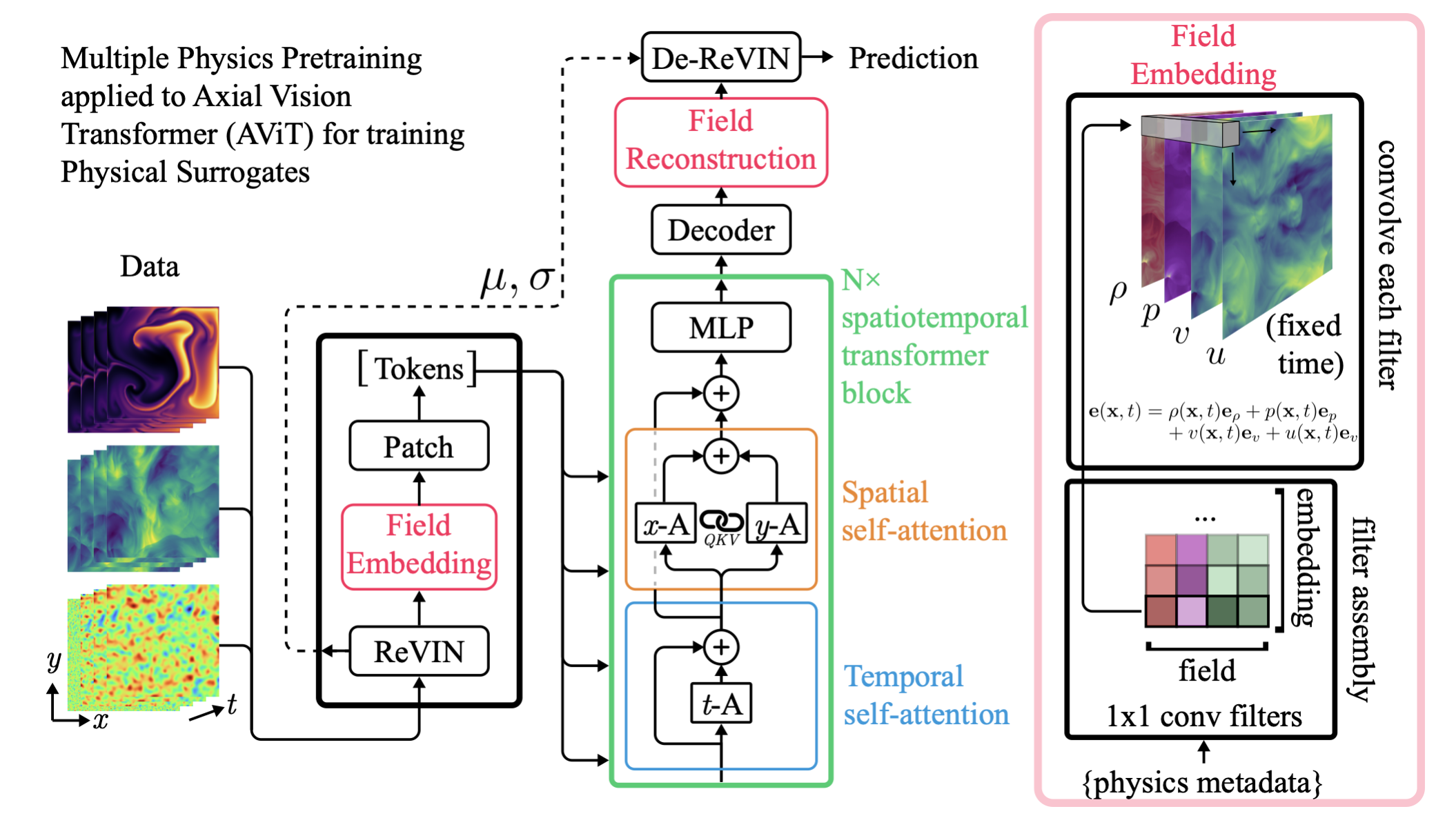
Field Embedding Strategy Developed for
Multiple Physics Pretraining (McCabe et al. 2023)
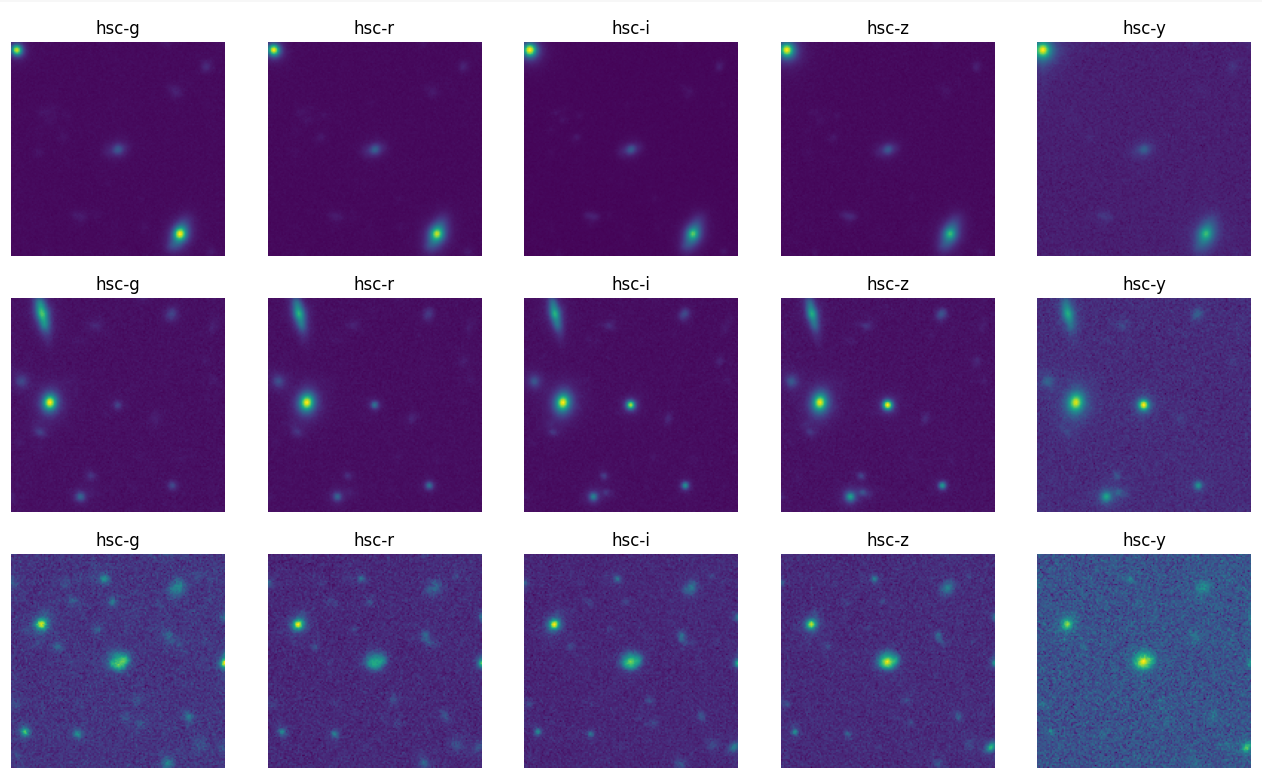
DES g
DES r
DES i
DES z
HSC g
HSC r
HSC i
HSC z
HSC y
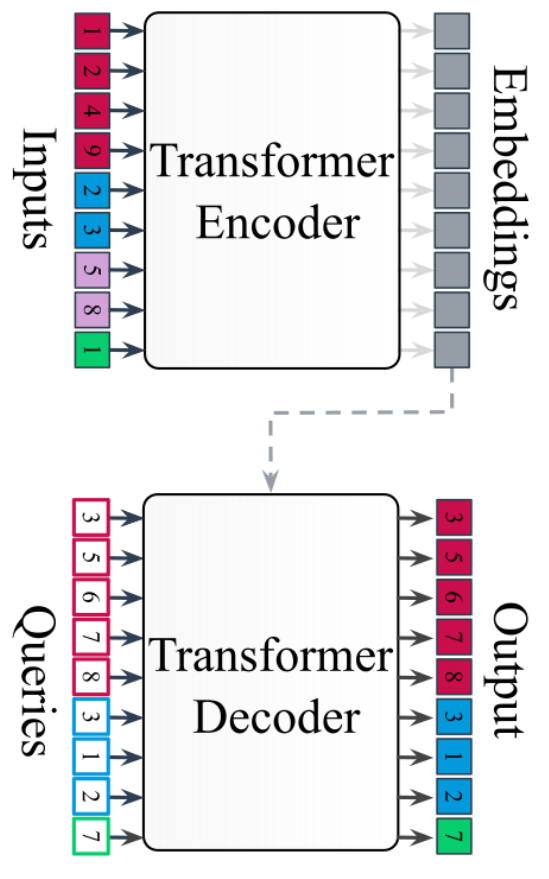
Any-to-Any Modeling with Generative Masked Modeling
- Given standardized and cross-matched dataset, we can feed the data to a large Transformer Encoder Decoder
- Flexible to any combination of input data, can be prompted to generate any output.
- Model is trained by cross-modal generative masked modeling
=> Learns the joint and all conditional distributions of provided modalities:
\forall m,n \quad p_\theta(x_m | x_n)
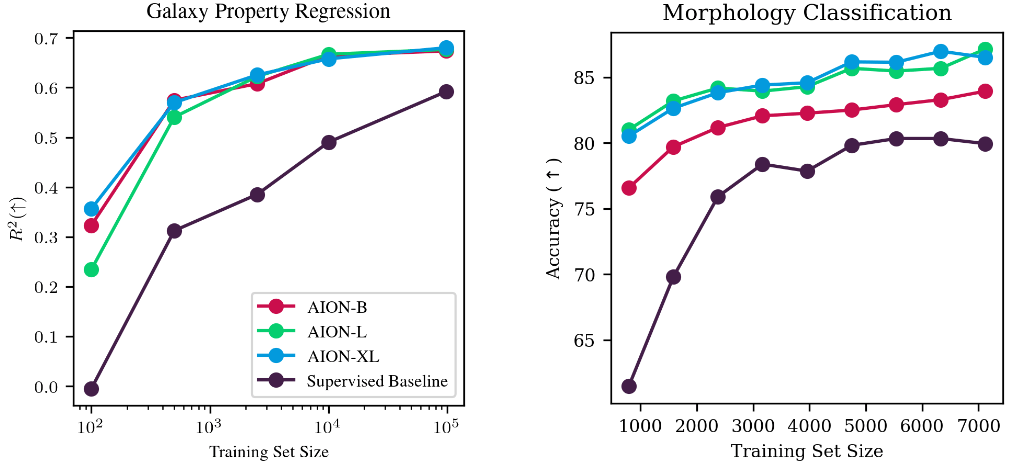
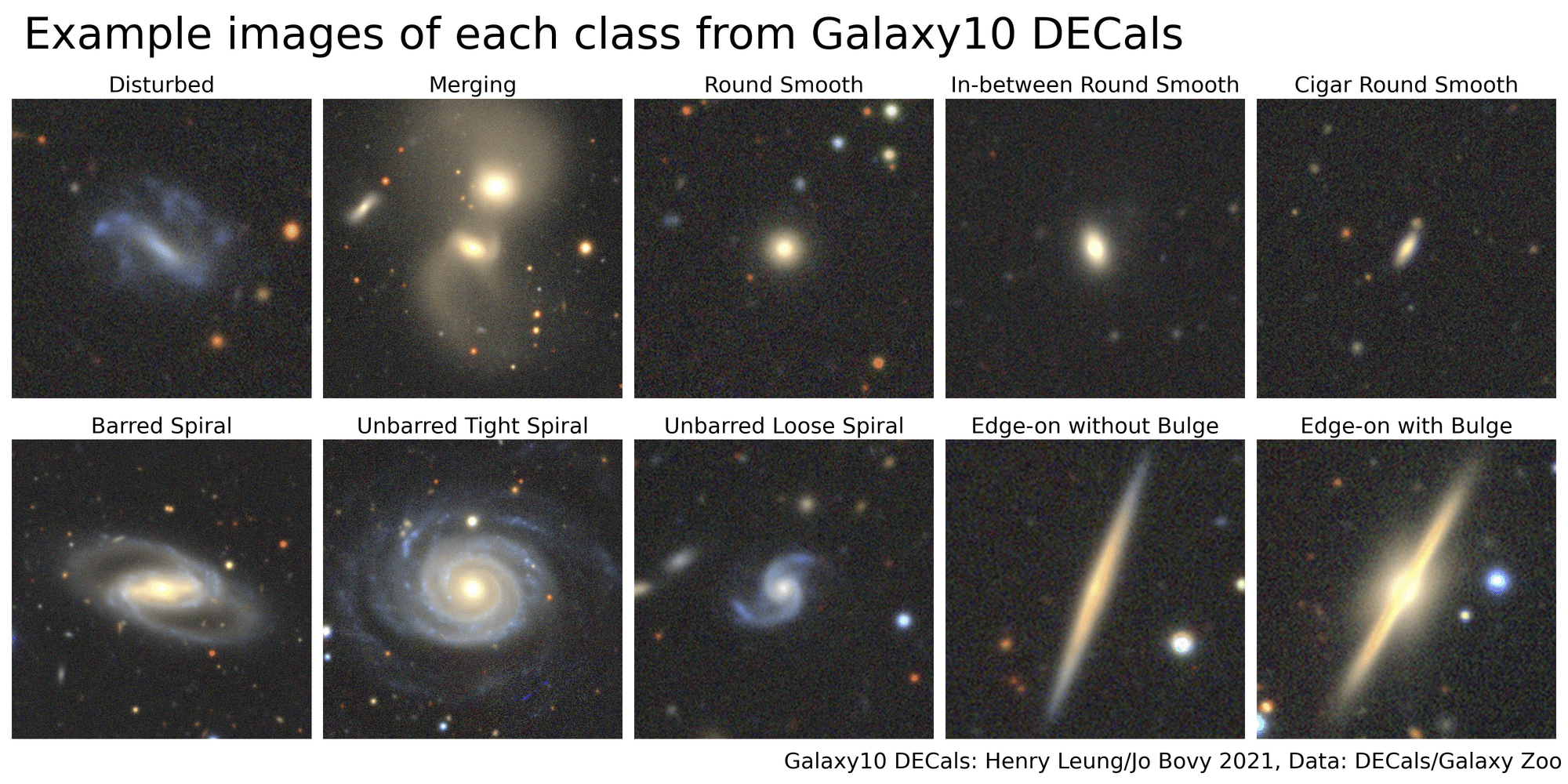
Morphology classification by Linear Probing
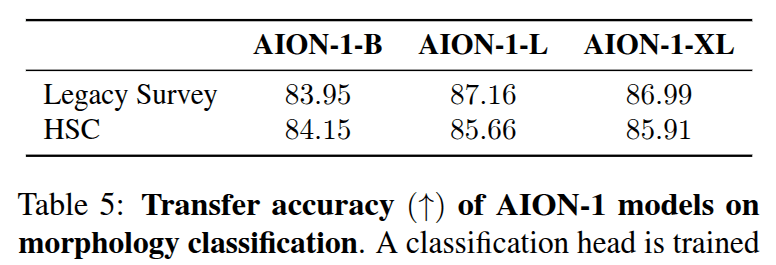
Trained on ->
Eval on ->
Physical parameter estimation and data fusion
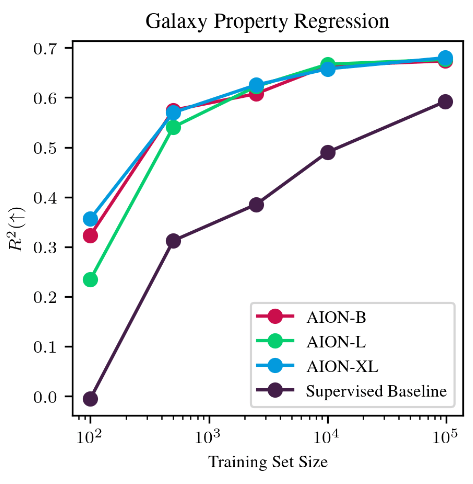
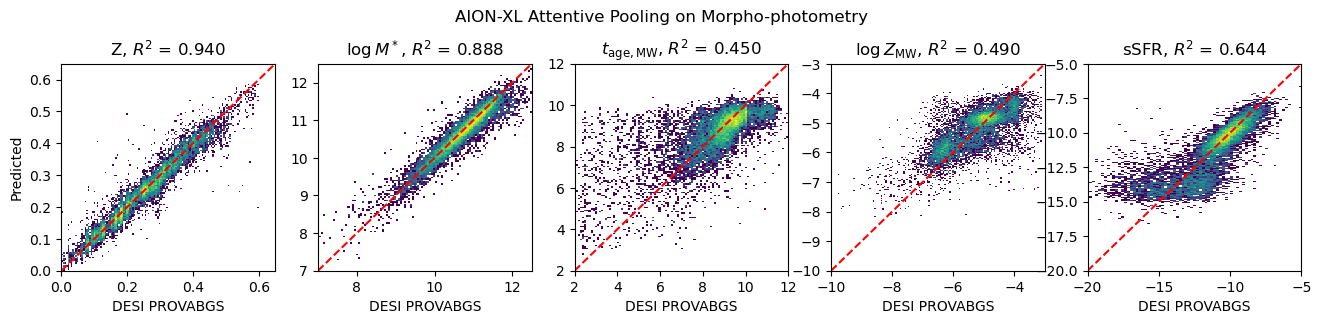
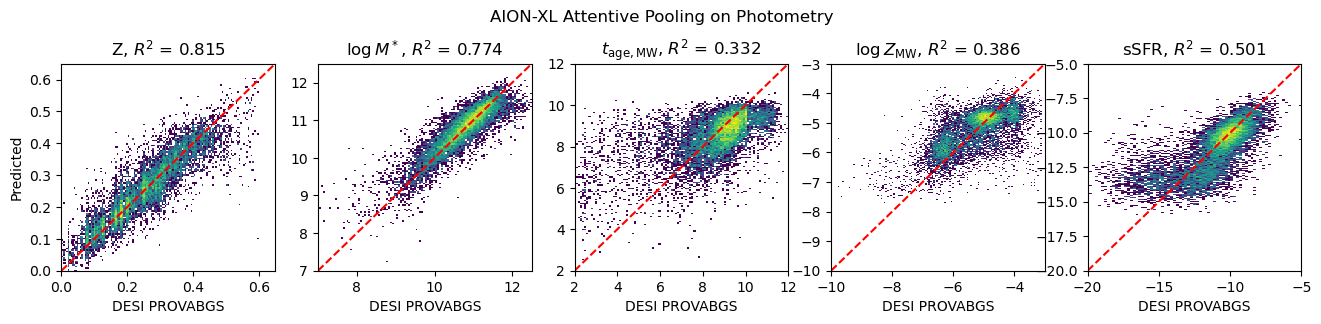
Inputs:
measured fluxes
Inputs:
measured fluxes + image
Example-based retrieval from mean pooling
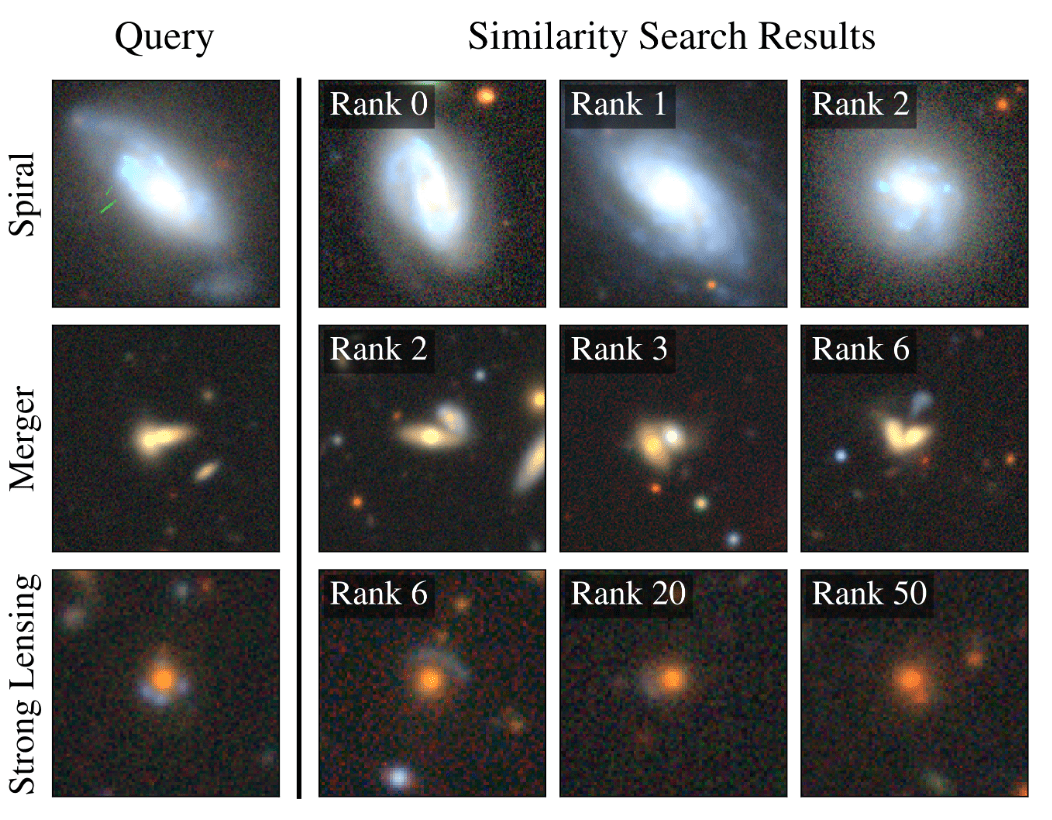
AION-Search: Semantic Retrieval
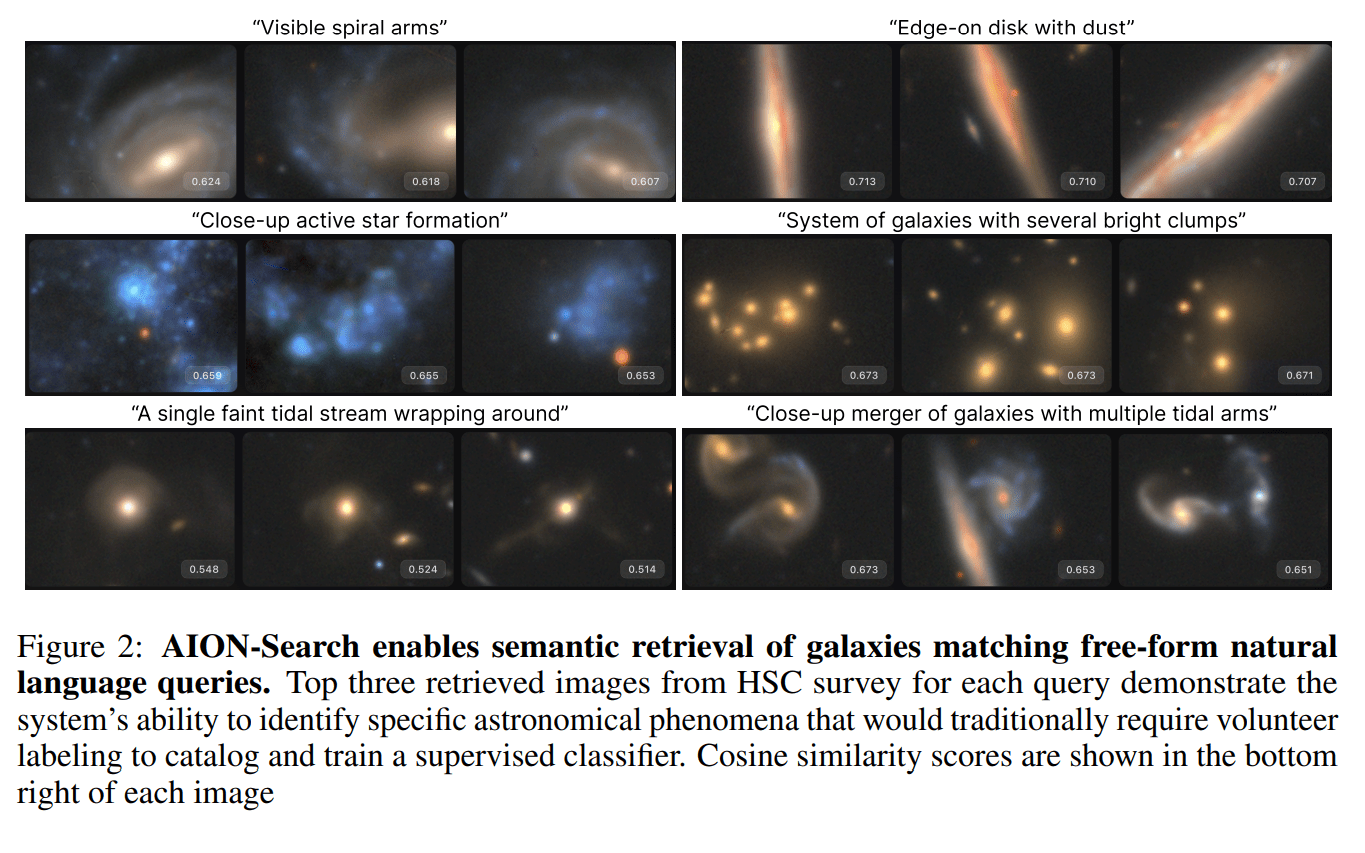
Spotlight at 2025 NeurIPS AI4Science Workshop

Nolan Koblischke
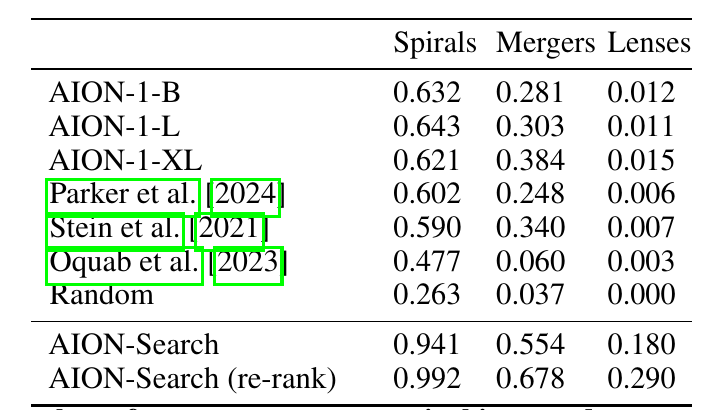
Where do we get the data to train these models?
The Scientific Data Curation Challenge
- Success of foundation models is driven by large corpora of uniform data (e.g LAION 5B).
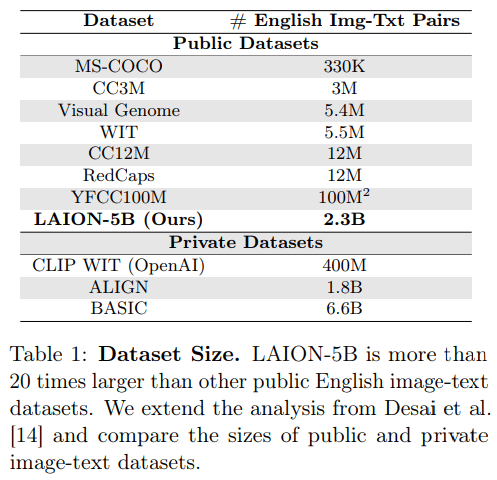
- Scientific data comes with many additional challenges:
- Metadata matters
- Wide variety of measurements/observations

Credit: Melchior et al. 2021


Credit:DESI collaboration/DESI Legacy Imaging Surveys/LBNL/DOE & KPNO/CTIO/NOIRLab/NSF/AURA/unWISE
The Multimodal Universe
Enabling Large-Scale Machine Learning with 100TBs of Astronomical Scientific Data
Collaborative project with about 30 contributors
Presented at NeurIPS 2024 Datasets & Benchmark track



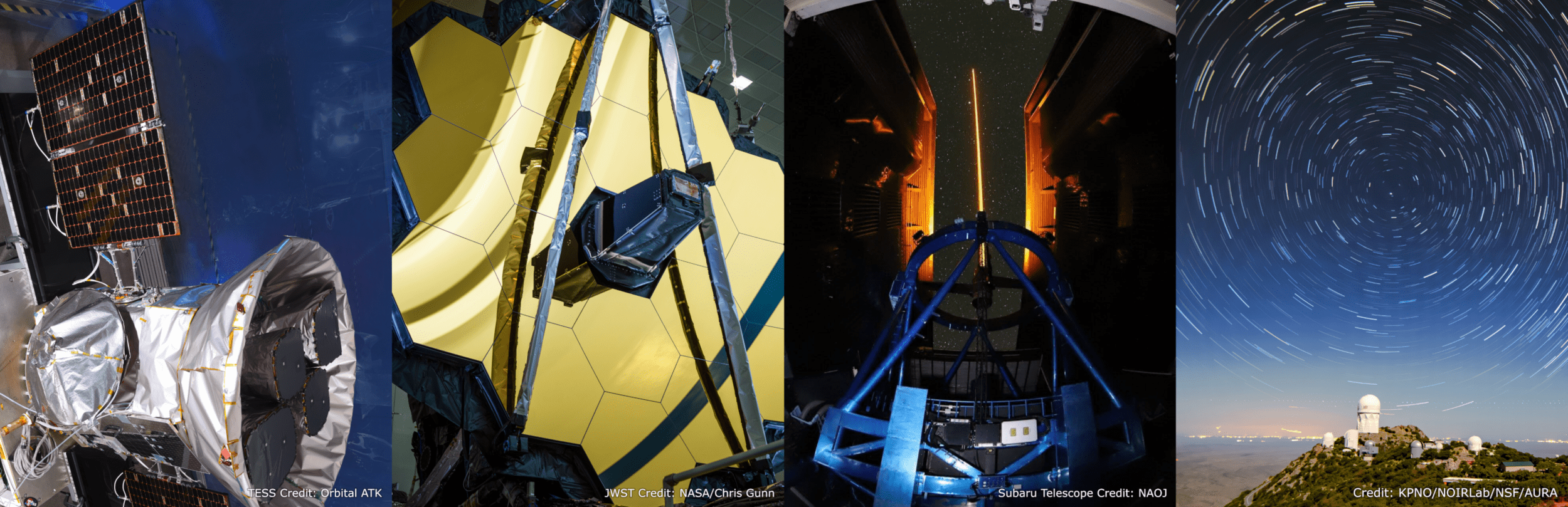
The MultiModal Universe Project
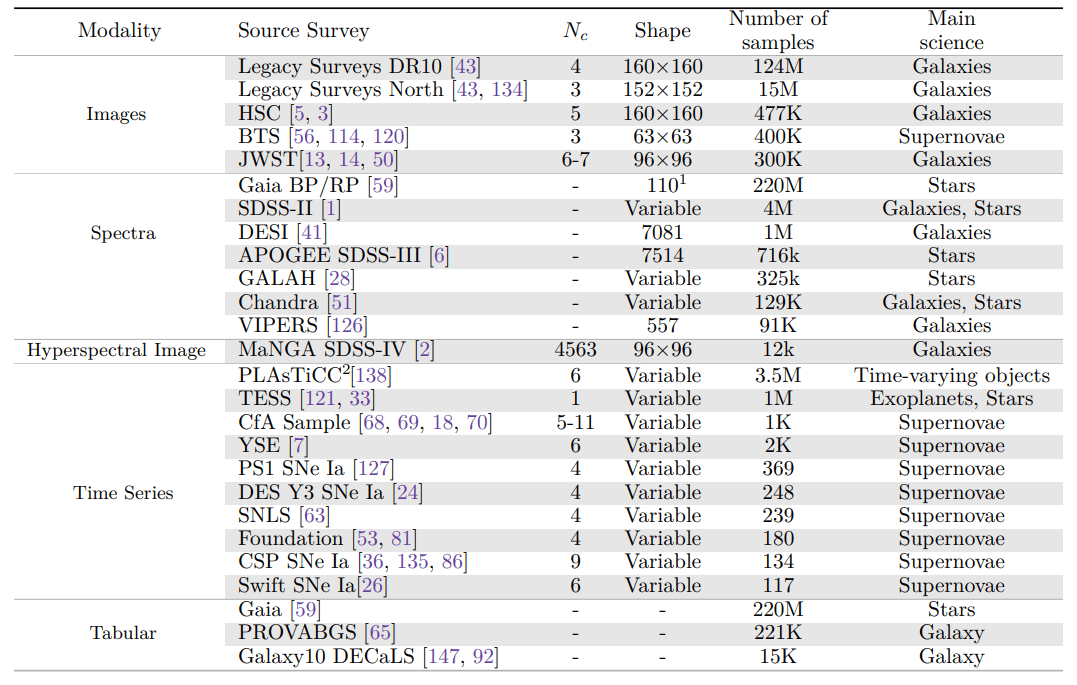
- Goal: Assemble the first large-scale multi-modal dataset for machine learning in astrophysics.
-
Main pillars:
- Engage with a broad community of AI+Astro experts.
- Adopt standardized conventions for storing and accessing data and metadata through mainstream tools (e.g. Hugging Face Datasets).
- Target large astronomical surveys, varied types of instruments, many different astrophysics sub-fields.
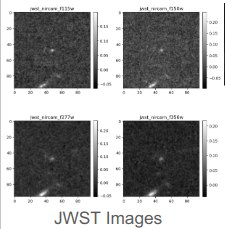


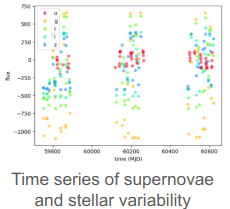
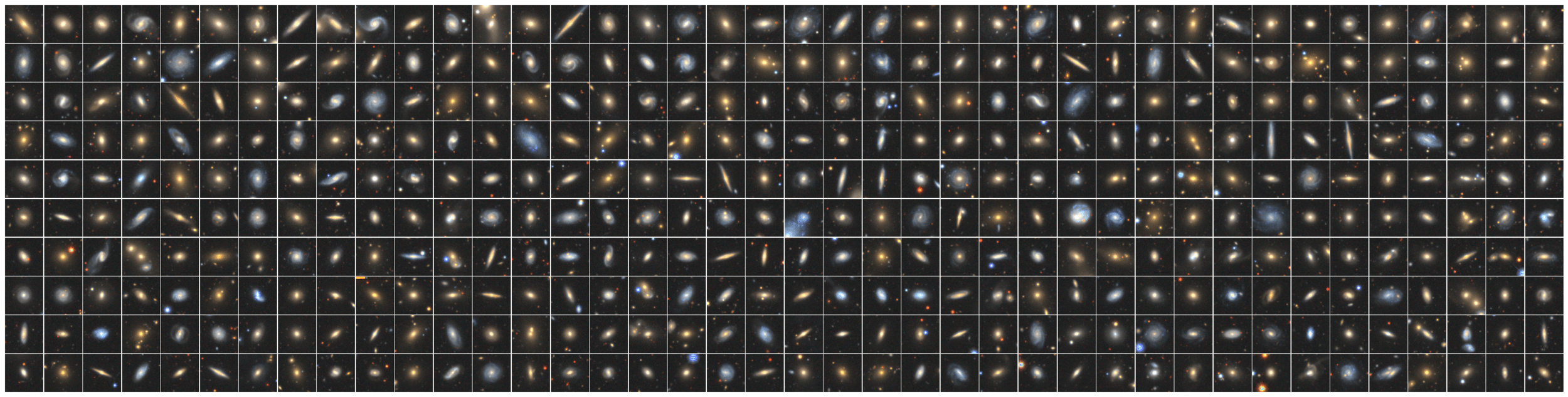
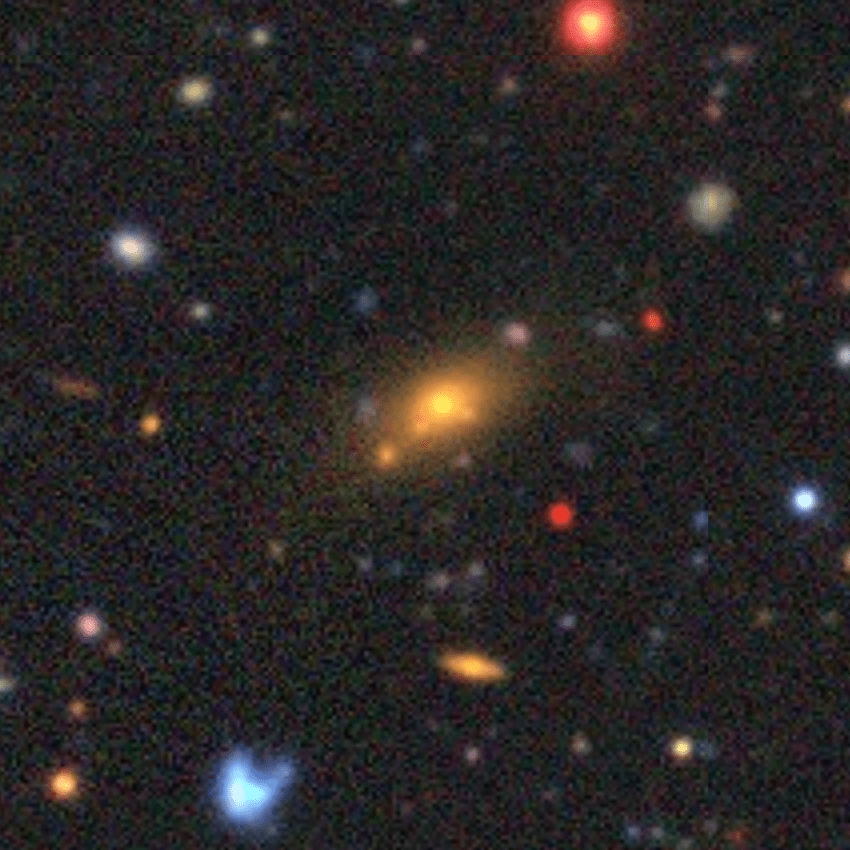
Multiband images from Legacy Survey

MMU Infrastructure

Content of v1
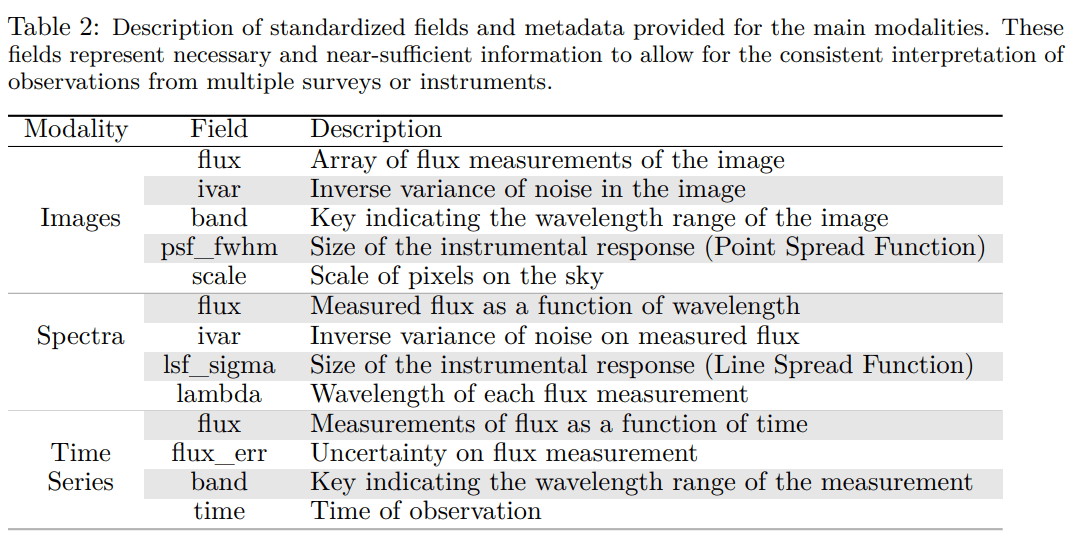
Data schema and storage
- For each example MMU expects a few mandatory fields:
- object_id, ra, dec
- object_id, ra, dec
- For each modality, MMU expects the data to be formatted according to a fixed schema which only contains strictly necessary metadata.
- Data is stored in HDF5 files, split according to HEALPix regions for efficient cross-matching and easy access
hsc
├── hsc.py
├── pdr3_dud_22.5
│   ├── healpix=1104
│   │   └── 001-of-001.hdf5
│   ├── healpix=1105
│   │   └── 001-of-001.hdf5
│   ├── healpix=1106
│   │   └── 001-of-001.hdf5
│   ├── healpix=1107
│   │   └── 001-of-001.hdf5
│   ├── healpix=1171
│   │   └── 001-of-001.hdf5
│   ├── healpix=1172
│   │   └── 001-of-001.hdf5
│   ├── healpix=1174
│   │   └── 001-of-001.hdf5
│   ├── healpix=1175
│   │   └── 001-of-001.hdf5
│   ├── healpix=1702
│   │   └── 001-of-001.hdf5
...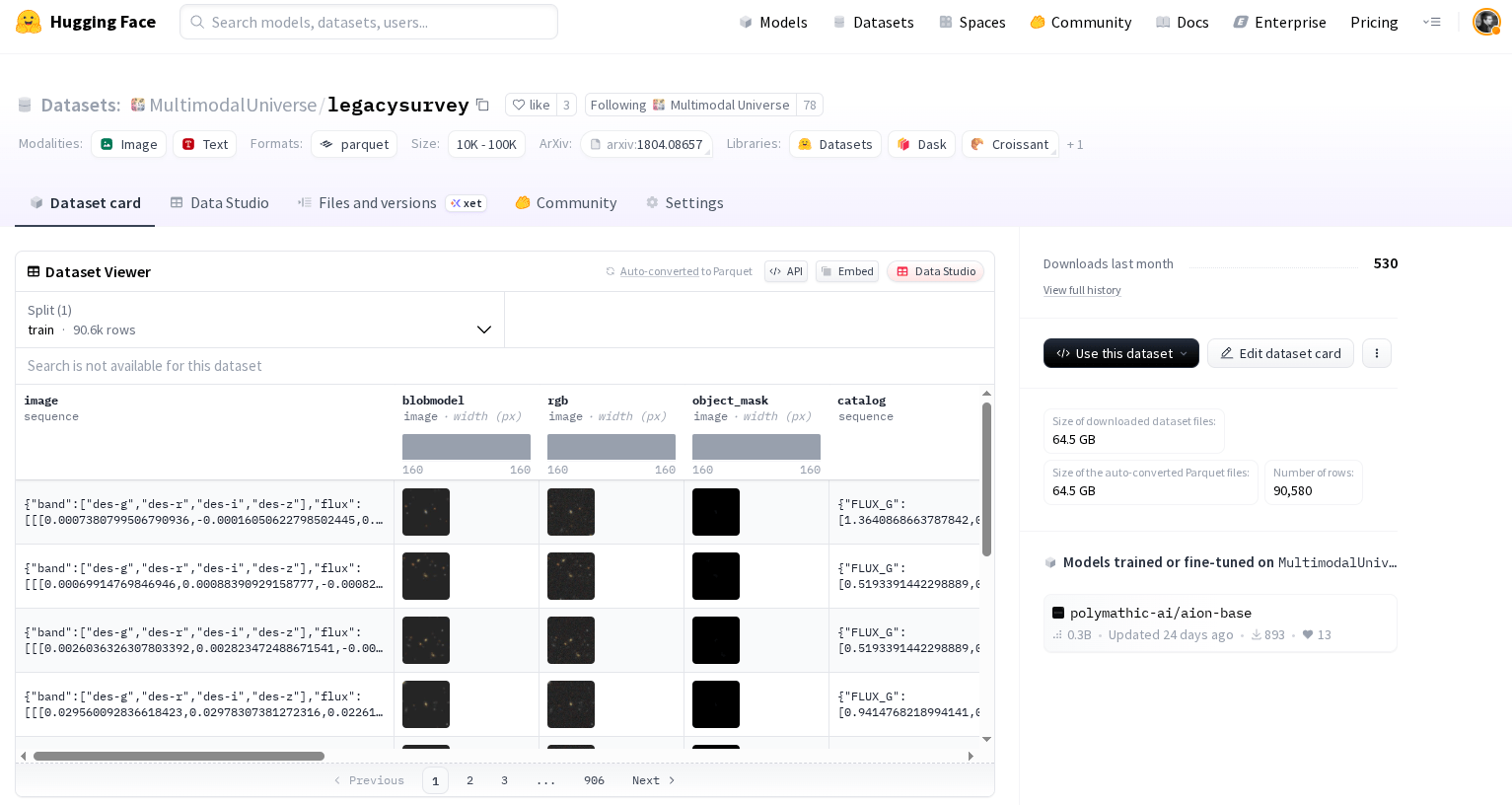
Usage example
from datasets import load_dataset

# Open Hugging Face dataset
dset_ls = load_dataset("MultimodalUniverse/legacysurvey",
                       streaming=True,
                       split='train')
dset_ls = dset_ls.with_format("numpy")
dset_iterator = iter(dset_ls)

# Draw one example from the dataset iterator
example = next(dset_iterator)

# Let's inspect what is contained in an example
print(example.keys())

figure(figsize=(12,5))
for i,b in enumerate(example['image']['band']):
  subplot(1,4,i+1)
  title(f'{b}')
  imshow(example['image']['flux'][i], cmap='gray_r')
  axis('off')
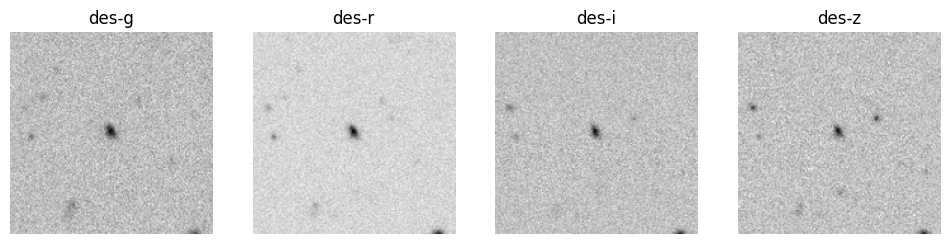
dict_keys(['image', 'blobmodel', 'rgb', 'object_mask', 'catalog', 'EBV', 'FLUX_G', 'FLUX_R', 'FLUX_I', 'FLUX_Z', 'FLUX_W1', 'FLUX_W2', 'FLUX_W3', 'FLUX_W4', 'SHAPE_R', 'SHAPE_E1', 'SHAPE_E2', 'object_id'])

Some considerations for AI pre-training
- Design should facilitate streaming tensors to GPUs in conventional frameworks (e.g. Hugging Face Datasets or similar)
- Homogeneity is good but does not have to be imposed across data sources
- i.e. images can have different pixel scale, normalizations, etc... as long as provenance is somehow captured alongside the data.
-
Neural networks will automatically learn to interpret the relative difference between datasets
-
Multimodal training requires cross-matching across surveys
- Implies a strategy to obtain O(1000) postage stamps per seconds between 2 surveys
-
With MMU and training AION-1 this cross-matching is done offline: slow, not very flexible
- Versionning and production of static curated datasets is challenging
- Requires a local copy of all datasets (postage stamps APIs of most surveys are not fast enough to support generating millions of stamps), non trivial storage, and non trivial compute.
- MMU contains 120TB of data, versionning that data and incremental additions is not trivial to manage.
Thank you for listening!

Follow us online
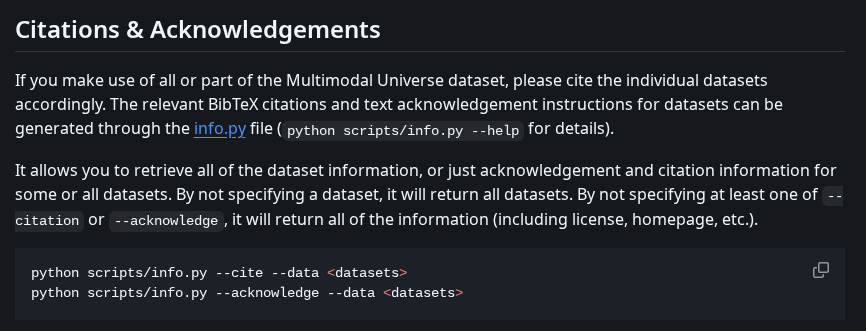
MultimodalUniverse
By eiffl
MultimodalUniverse
MultimodalUniverse