Module 3; Practice 3:
Helping Your Team Develop
Group 3
Case
You lead a bigger project team of 12 engineers. Therefore, the team has many ceremonies and meetings. But it is obviously not well-organized. The meetings take too much time, team members are frustrated about that.
Leading the meetings is going out of your control as some team members blame others for inefficiency, and project it to the others’ personality. You can’t facilitate the meetings well and it affects the rest of the team.
Brainstorm and answer the following questions:
· How will the situation develop further if nothing changes?
· What do you recommend for avoiding and/or handling the situation?

Team suffers from...
1
5 dysfunctions of the team
Hate meetings and avoid spending time together, discussion is a pain(lack of trust)
Have more interpersonal conflicts and personal attacks(fear of conflict)
Finger-pointing and blaming culture(lack of commitment and accountability)
The team doesn't strive for the project success(inattention to results)
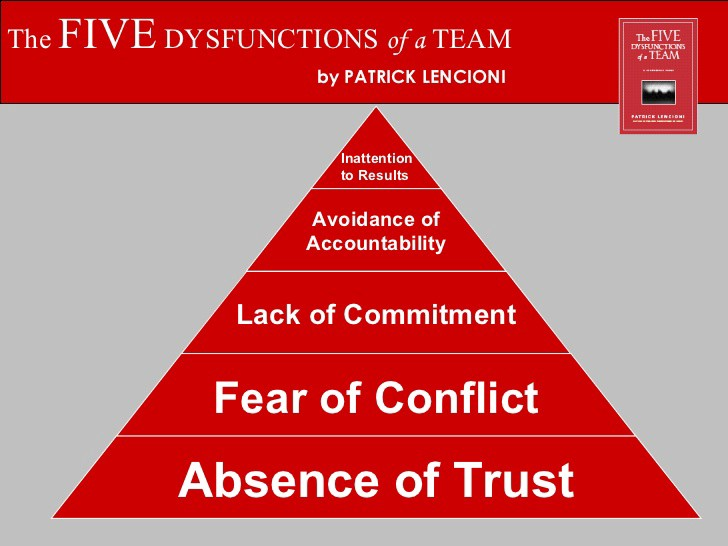
based on indicators we can assume from the case
Team suffers from...
2
Finger-pointing and established blaming culture
Team members don't commit to anything during the meetings, thus they don't account for anything.
In addition, a group of people doesn't act as a team(Team members rather than admitting team mistakes and act as a team, team members focus on blaming others instead of focusing on solving problems).
It might be the indicator of missing trust among the group as well. People afraid to acknowledge their mistakes and be blamed for them.

based on indicators we can assume from the case
Team suffers from...
3
Missed key elements for a team
People among the group don't know what they strive for, lack of clear mission and objectives. Unclear team values, goals, and mission.
based on indicators we can assume from the case

Team suffers from...
4
Insufficient preporation to the meetings
Lack of action plan and a clear set of actions, lack of agenda, and unclear objectives leading to time-wasting and distractions during the meeting

based on indicators we can assume from the case
Will lead to(big picture)...
Lose achievement-oriented team members
Fail to develop
Lose market competition
Miss deadlines
Long discussion process
Declines performance,
raises bad attitudes
Handicaps the creative mindset
Decreases self-confidence
...

AND WHAT CAM WE DO?


TEAM
- Absence of trust - set the good example
- Fear of conflict - establish that conflict is welcome and purposeful
- Fear of commitment - setting clear deadlines, reviewing key decisions at the end of meetings
... more actions from the module's material
Overcome 5 dysfunction of the team
Avoid finger pointing by building trust and free individuals from the fear to show their weaknesses, focus on strengths rather than weaknesses
Breaking the blaming culture
Establish team mission and goals
Communicates the purpose for your team's existence
What is a team going to do?
How is a team going to do it?


MANAGING TEAM MEETINGS
Engagement roles for team members(meeting facilitator, timekeeper, scribe, energy manager)
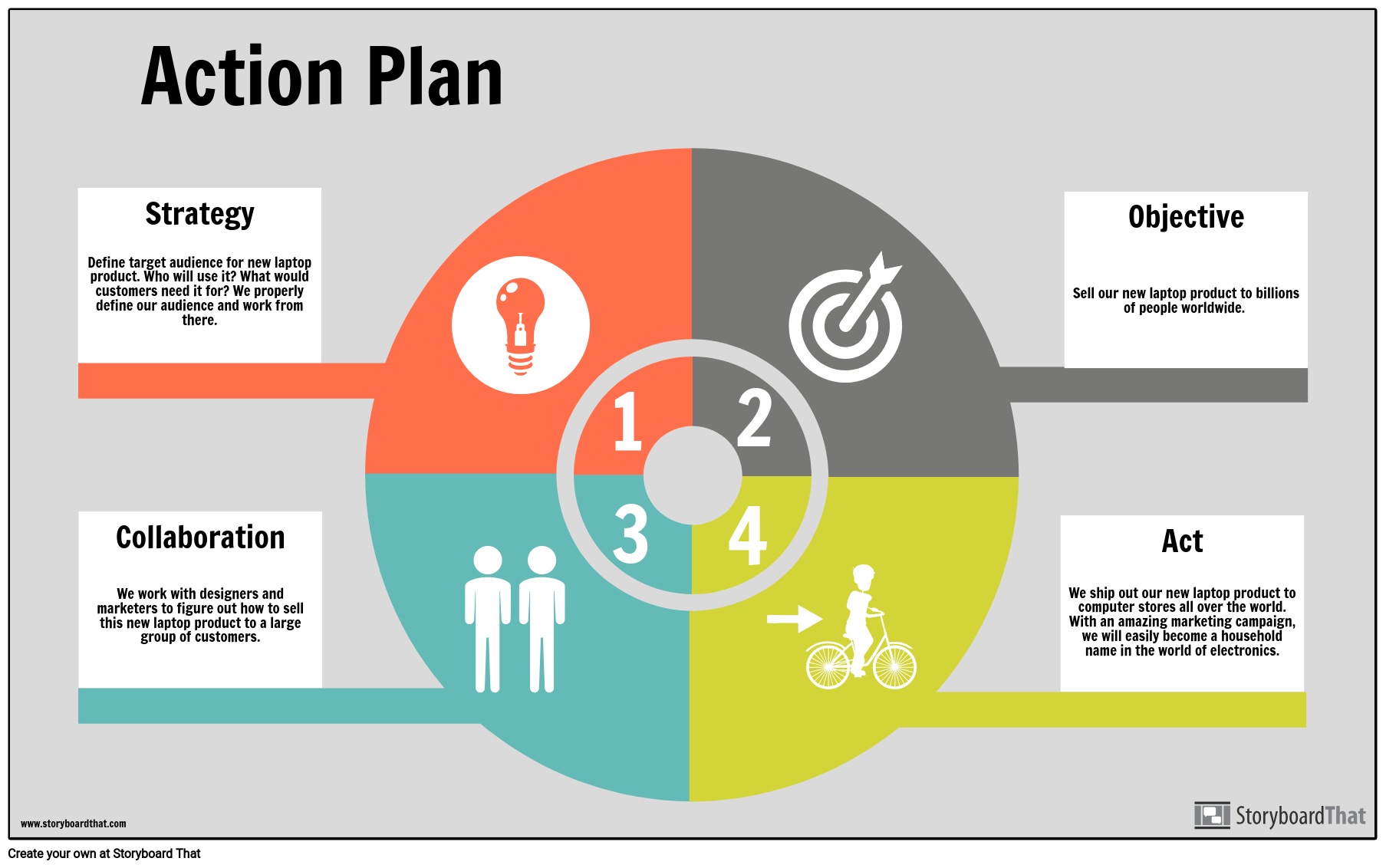
GOAL <- OBJECTIVES <- ACTION PLAN(TASKS)
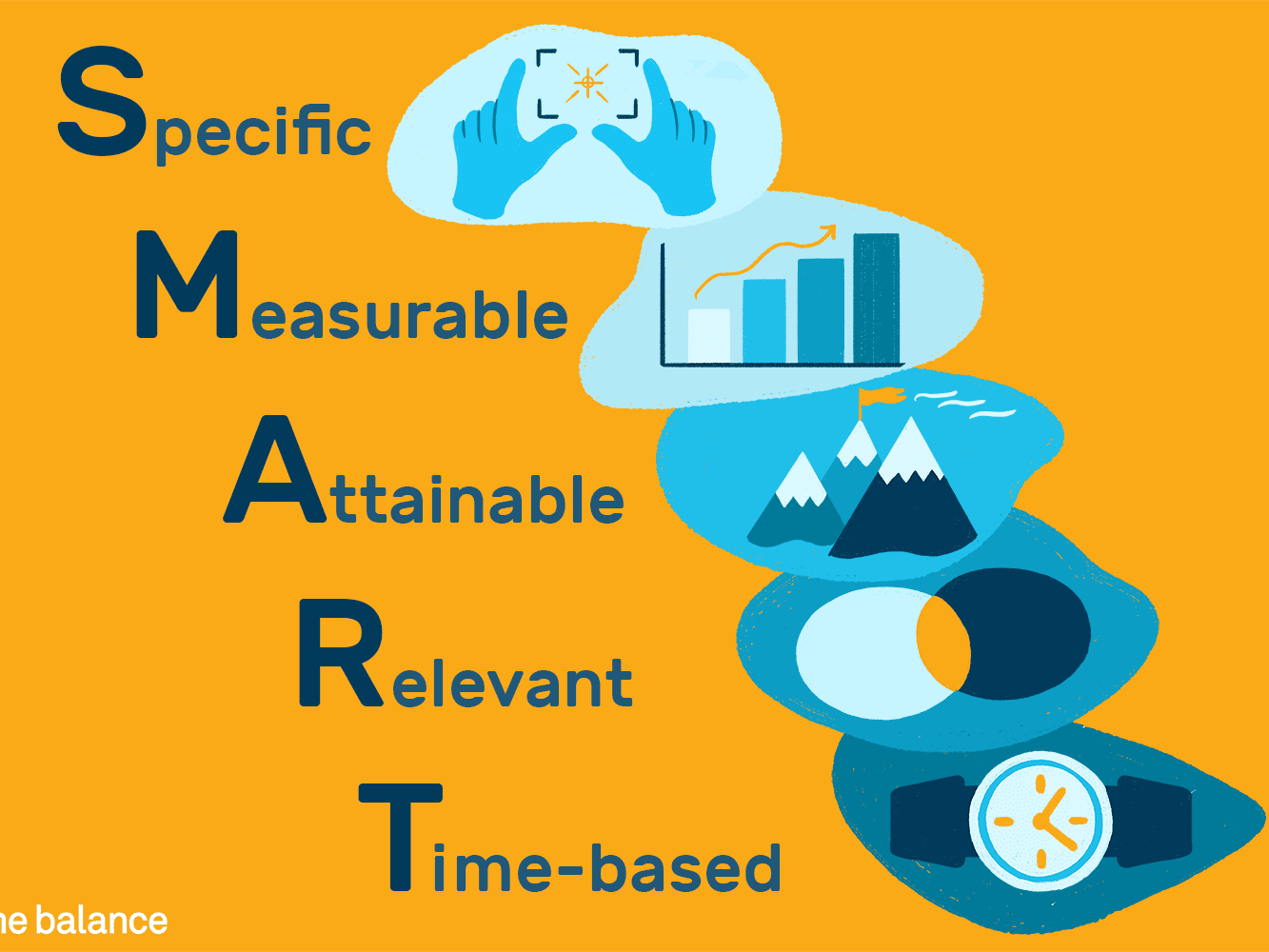
Start with clear objectives, they should be SMART (specific, measurable, achievable, relevant, and time-bound)
Avoid meeting if it isn't necessary
Craft an agenda
Seek the team's input
Time estimation for items
Preparation in advance, skip reviewing process during the meeting
Assigning the person to each agenda
Proper addressing agenda items(What action step was decided on? Who is responsible for making sure it's done? Who is responsible for making sure it's done? When would it be completed?)
Create a team action plan(Tasks, Person, Resources, Challanges, Copletion date)
THANK YOU
Q&A
Module 3; Practice 3: Helping Your Team Develop
By Maryia Krauchanka