Digital tools for teaching psychology, post-pandemic
Matt Jarvis CPsychol, AFBPsS, FSET, FCCT, AFHEA, FRSA, CMALT, PGCE
July 2022, University of Warwick
The education context
rapid development of remote learning
emergency pedagogy
big winners = Microsoft & Google
losers = Education-specific platforms

replication of synchronous classroom teaching
The aftermath
complex,changing & uncertain
The technology context
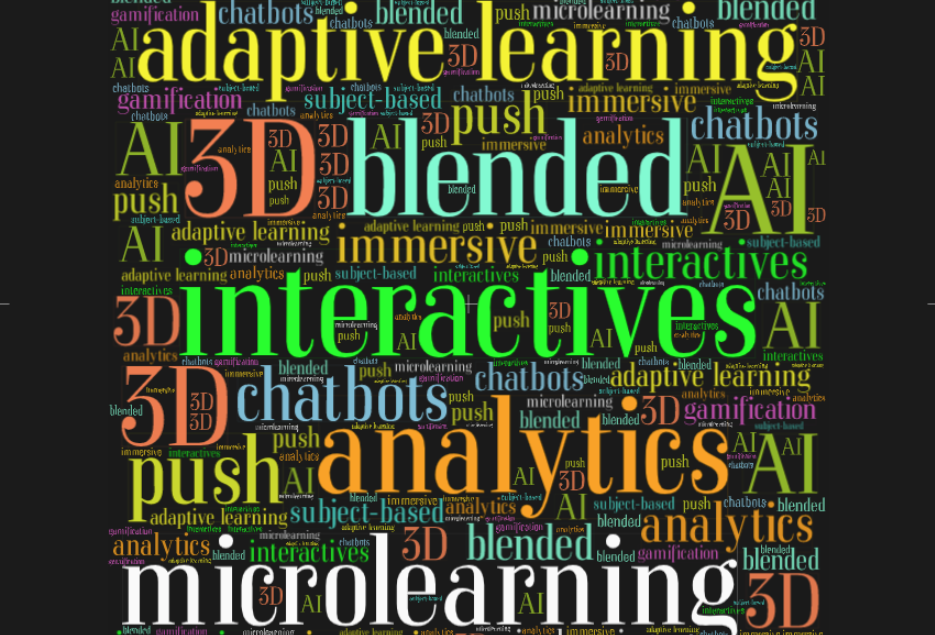
The technology
But change is likely to be as much about what it means to teach as about the technology itself
What can psychology tell us?
JJ Gibson - direct perception
Deci - self determination
Sweller - cognitive load
Gibson's theory of affordances
We are powerfully influenced by the appearance of objects

Important in explaining why people use technology badly

Death by PowerPoint
The eternal Zoom lecture
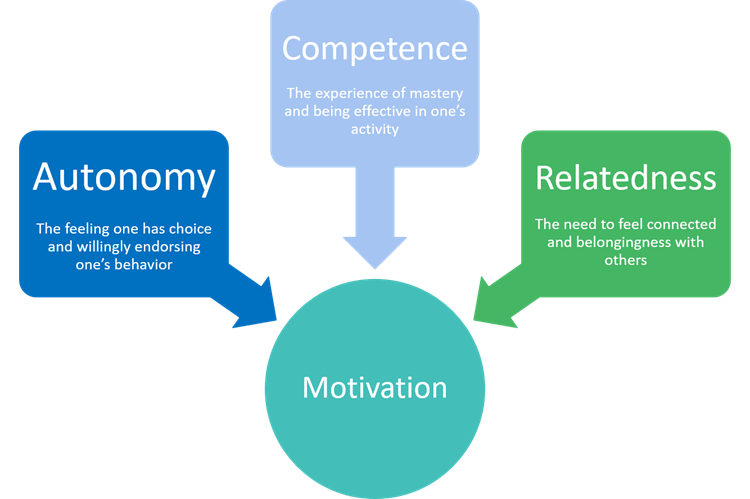
Deci's self-determination theory
We are motivated to be free, competent and connected
Important in explaining why we are or are not motivated to use learning technology
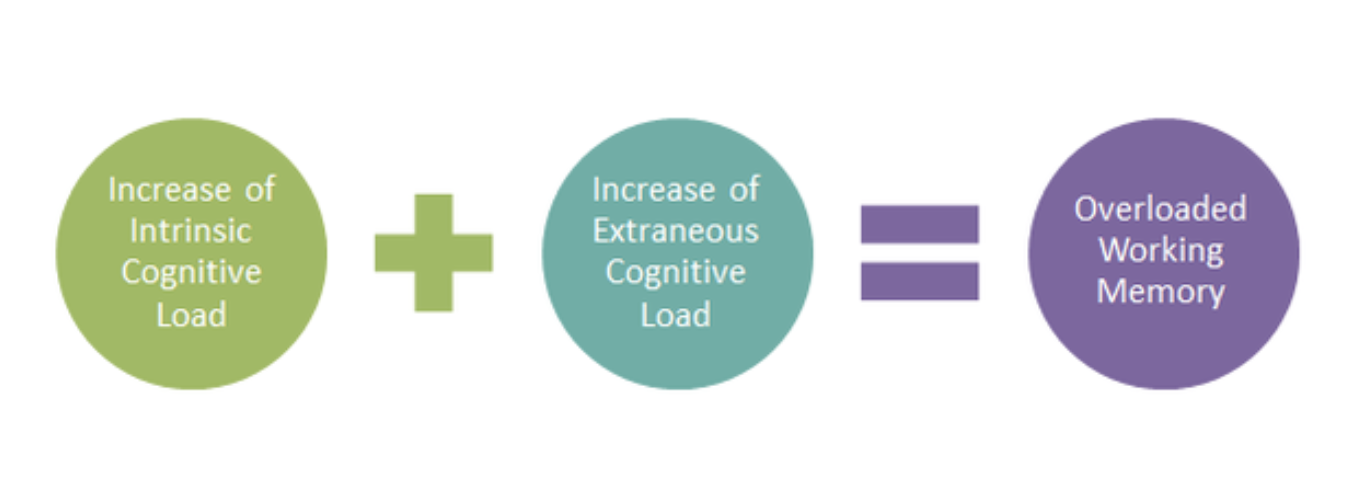
Sweller's cognitive load
Learning is dependent on good use of short term memory resources
Important in explaining why teaching strategies do or don't promote learning
Adaptive learning
Two approaches
Hard adaptive learning
Soft adaptive learning

In hard adaptive learning automated progress decisions are made for the learner.
In soft adaptive learning the learner makes decisions about how to progress.
The course content modifies in response to learner responses
Push microlearning/gamification
Based on the idea of reducing cognitive load by 'pushing' small chunks of information out to learners
Artificial intelligence
Technology that can learn from experience and modify its own behaviour
Conclusions
The big move to remote synchronous tools is so over
Office suites are popular but are already hitting a glass ceiling
We are well-placed to use psychological theory to understand success and failure of e-learning
AI will change things but it's not yet clear how
VLE technology is out of fashion but has developed rapidly and is the most powerful platform option
Buzzwords like gamification, microlearning, adaptivity etc are worth exploring but don't need knee-jerk responses
Learning Technology for Psychology Education
By Matt Jarvis