Module 7: Cells
Use ribosomes to translate information carried in RNA into proteins
Use an RNA as an intermediate to express information
Use DNA as their genetic material
ALL cells:
Cell Similarities
use ATP as an immediate energy source
utilize similar metabolic pathways
are defined by a plasma membrane
ALL cells:
Cell Similarities continued...
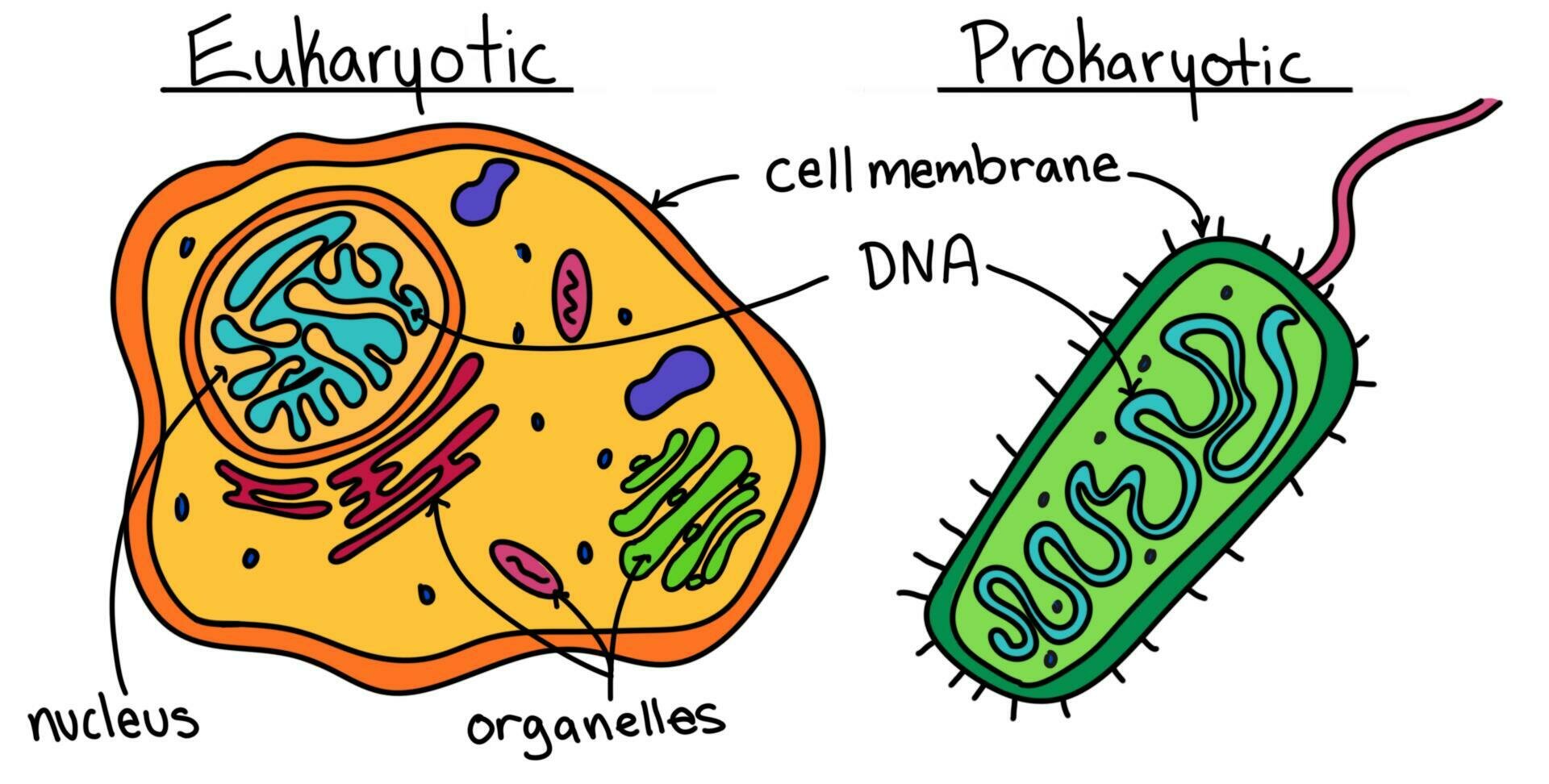
- membrane enclosed nucleus
- Eukarya (domain)
- Plants, Fungi, Animals (kingdoms)
Eukaryotes
- Lack nucleus
- Bacteria, Archea (domains)
Prokaryotes
Habitat & Organization
Single cells, but often live in clusters or chains.
- Clusters/Bunches= Staphylo
- Chains/Lines=Strepto
Size & Shape
Generally smaller than eukaryotic cells.
Circular=coccus
Rods=bacillus
Comma=vibrio
spiral-spiri
Environment & Energy
Inhibit wide range of environments and can exist on diverse energy sources
include Bacteria and Archea domains
Prokaryotic Cells
Cytosol + Organelles= Cytoplasm
- Seen only in eukaryotic cells
- Metabolic reactions & protein synthesis take place in cytoplasm
Organelles
- Internalized compartments in Eukaryotic cells
- each organelle is defined by its own membrane
- specific roles
- allow specialization of cells to form tissues and organs.
Cytosol
- Jelly-like fluid
- composes cell interior
- Contains DNA, ions, molecules, organelles (internal membranes) etc.
Defining Structure: Plasma Membrane
- Barrier between inside and outside world
- Prokaryotes have a single membrane
Eukaryotic Cell Structure
Lysosome
- digestive organelle
Golgi Apparatus
- modifier of molecules (ex. add sugars to protein)
- packaging + transport
Endoplasmic Reticulum (ER)
- Connected (membrane bound) to the nuclear membrane
- Rough: ribosomes; protein synthesis
- Smooth: lacks ribosomes; lipid synthesis
Nucleus
- Defining structure
- Store genetic information
- Surrounded by nucleomembrane (double bilayer with nuclear pores)
Eukaryotic Cell Structure Cont.
Membrane Fluidity
- Temperature:
- increased temp=increased fluidity
- fatty acid saturation:
- increased saturation=decreased fluidity
- cholesterol content
Phospholipid Bilayer
- Can be altered in:
-
- fatty acid chain length
- degree of saturation
- phosphate conjugated groups
- cholesterol content (animals)
Cell Membranes
- Bi-layered, dynamic
- form boundaries
- contain embedded proteins
- regulate molecule movement
- Process information
- Harness energy
- organize reactions
- facilitate transport
a group of membranes and organelles in eukaryotic cells that work together to modify, package, and transport lipids and proteins.
Endomembrane System
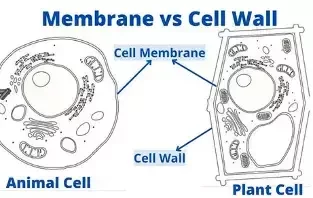
- tough, rigid structural support
- selective barrier
- Bacteria Cell Walls: composed of a peptidoglycan, and sugar and amino acid
molecule - Plant Cell Walls: cellulose
Cell Walls
- Dynamic
- Flexible
- Universal to all living cells
- Fluid-like
Cell Membranes
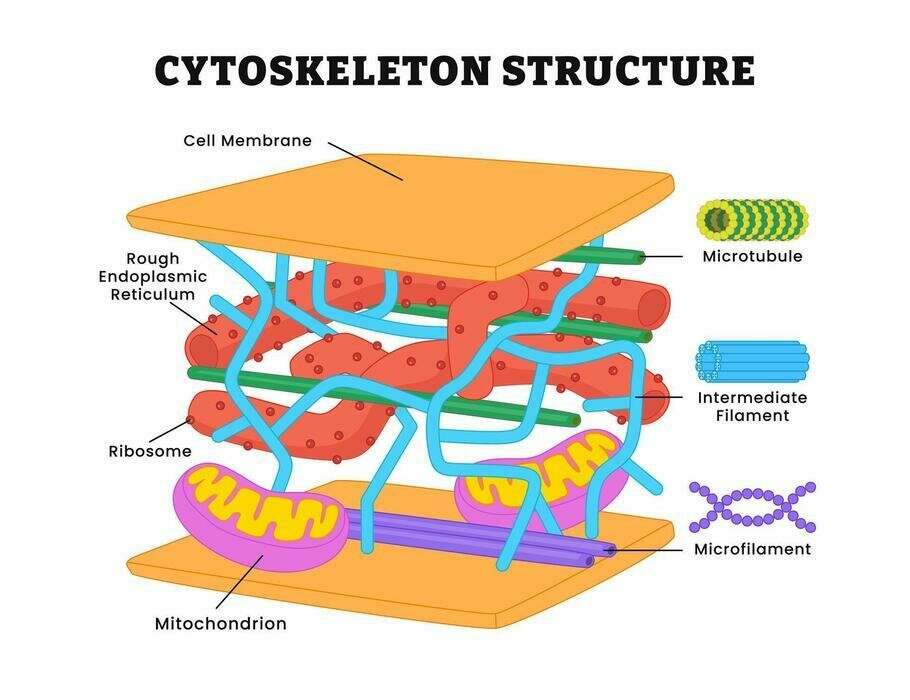
- Cell shape & supports/positions organelles
- provides mechanisms for cell movement
- tracks for "motor proteins" (move materials within cell)
Cytoskeleton
Transport
Microtubules (widest)
- hollow cylinders made of dimer subunits of tubulin
- regularly form and disassemble as needs change
- Structural elements of flagella, cilia...
Movement
Microfilaments (narrowest)
- made of protein monomer actin (powered by ATP)
- single filaments, bundles, or networks
- needed for cell contraction
- involved in formation of pseudo podia
Stability
Intermediate Filaments
- made of fibrous protein monomers
- flexible, rope like
- stabilize cell structure
Cytoskeleton Structure
Cytoplasmic Streaming
In plant cells, the movement of myosin's on actins causes cytoplasmic streaming, which is easily visualized by the movement of organelles.
Bundling for Large Movement
Complexing many small contractile molecules into bundles, and then bundling these complexes into increasing larger bundles creates the massive contractile force of muscle tissue
Contractile Movement
opposite movement of numerous myosin's on organized actin filament
Myosins
microfilament motor proteins
Cellular Muscle
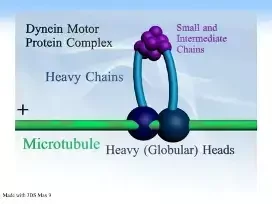
- Kinesins and Dyneins:
- motor proteins
- use ATP to move along microtubules, binding to them on one end and another structure at the other end.
Intracellular Highway
- Contain cell wall, chloroplasts, and a large central vacuole
Plant Cells
- Contain centrosome and lysosomes
- Centrosome:
- where all microtubules originate
Animal Cells
Cells Module 8
By morg ekstrom