Lecture 1: What This Course Is

Effective AI use in applied machine-learning projects
What motivated this course
- Over the years, recurring questions we get about 6.390:
- why so nitty-gritty, so much math, so "bashy" assignments
- why not more applied ML (a few of our own staff agree)
- For a long time, our reasoning:
- 6.390 is about the fundamentals
- without the nitty-gritty math, we can't understand the system
- without coding and knowing the bashy gotchas, we can't spin up a proper test
- (not to mention math and coding are fun!)
- Now, I think AI fluency and agency with AI are increasingly fundamental too:
- from my own AI use, and what I see in students, staff, and colleagues
- from how the field has been moving
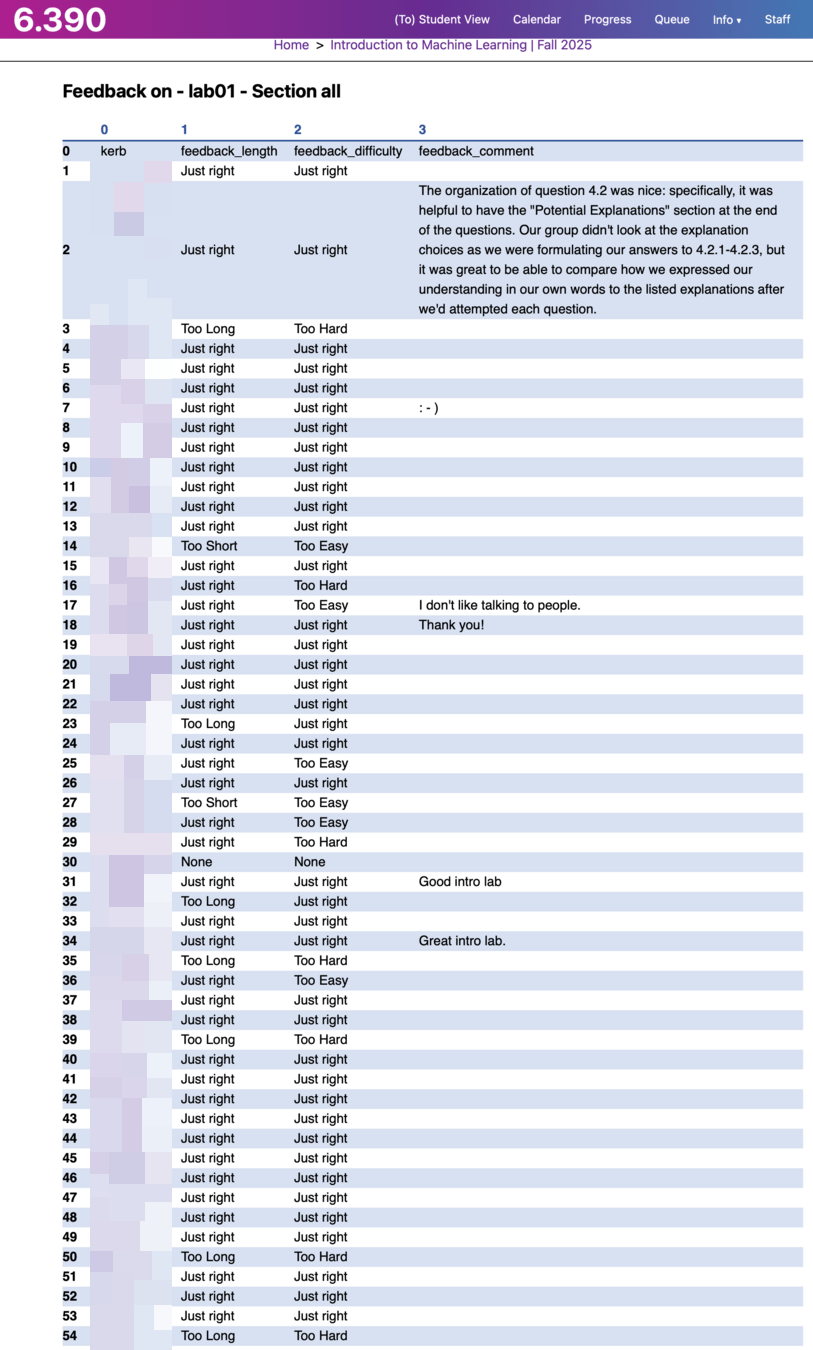
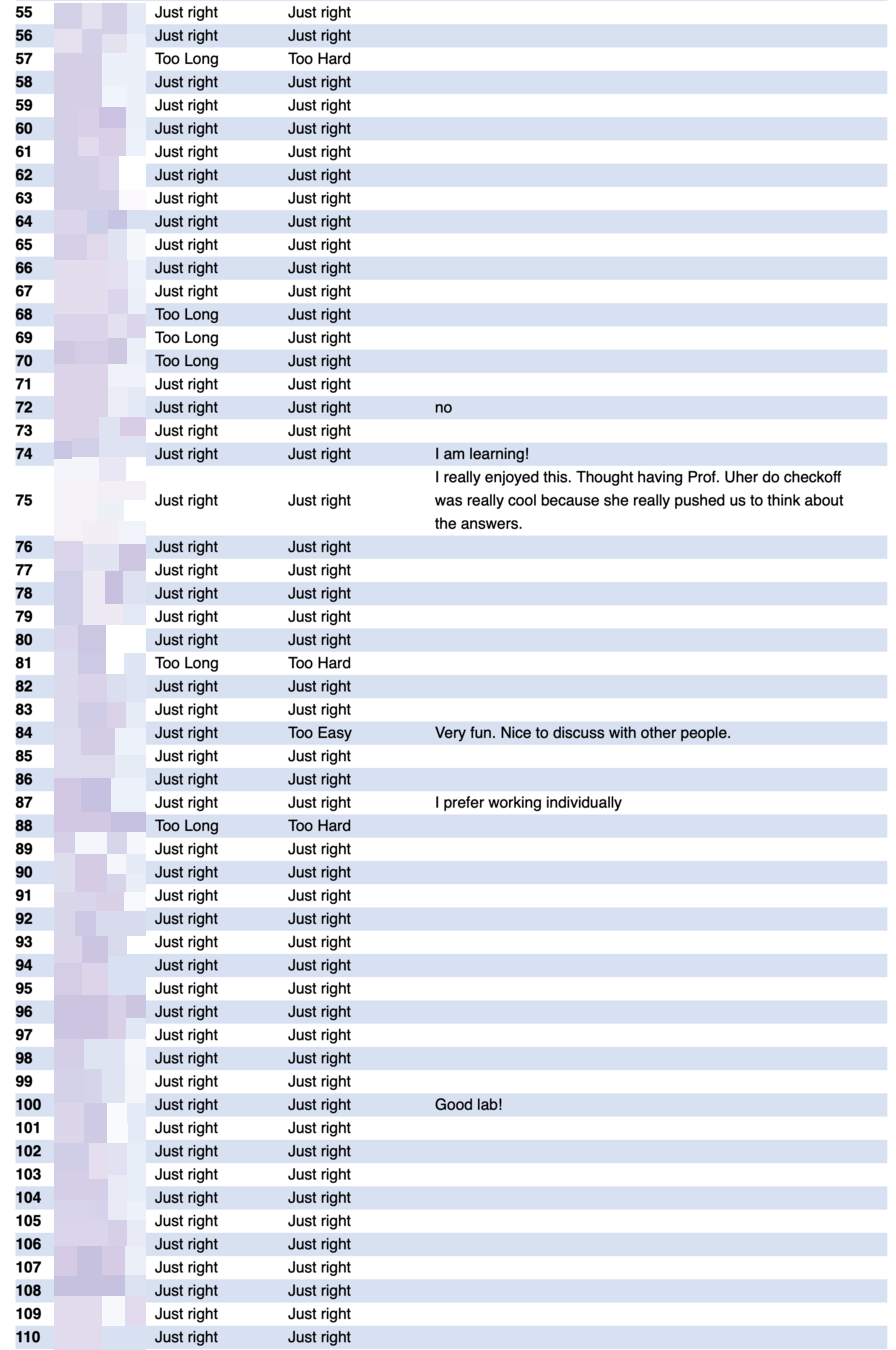
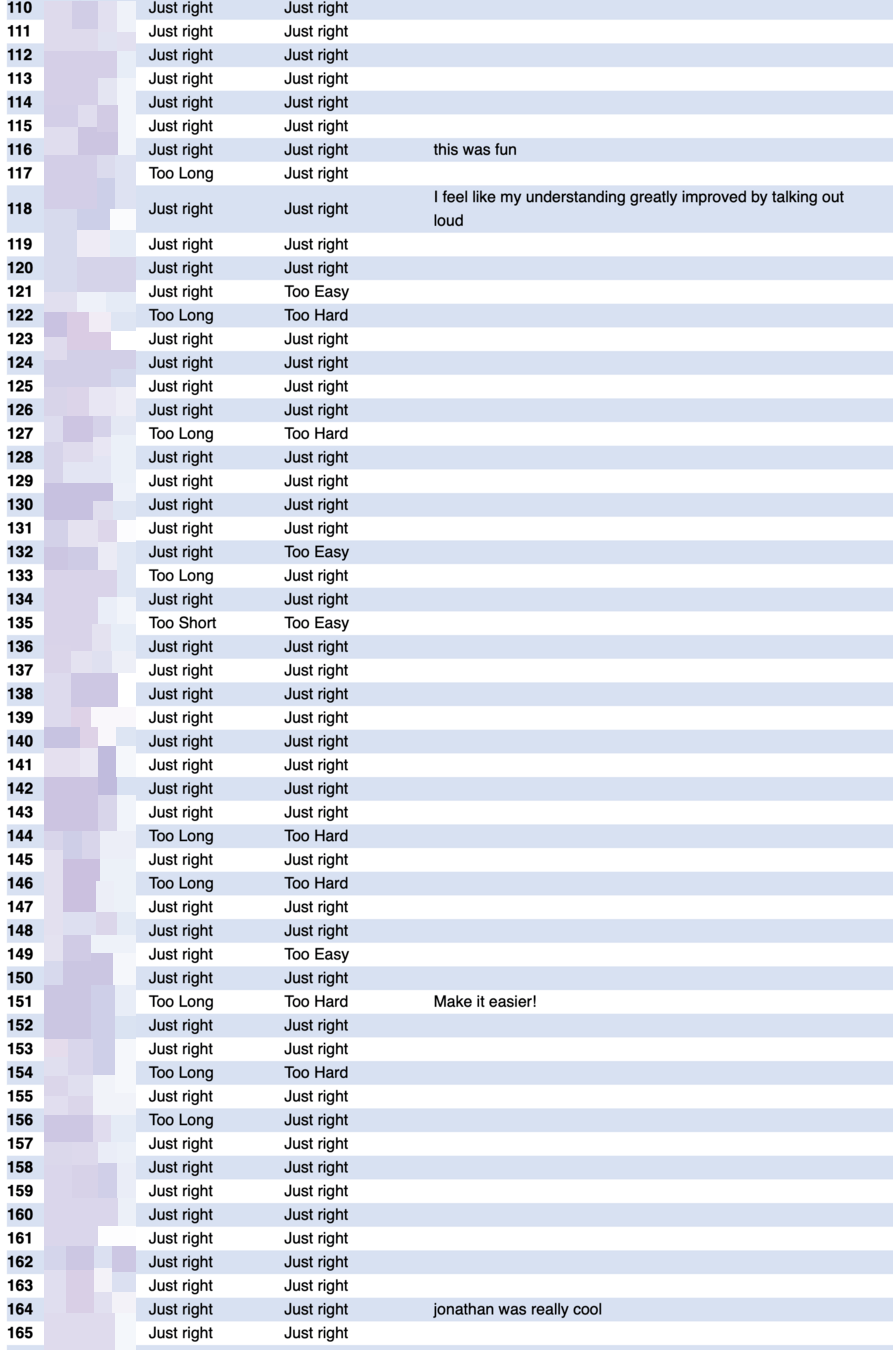
6.390 internal Who-Has-Felt-What feedback
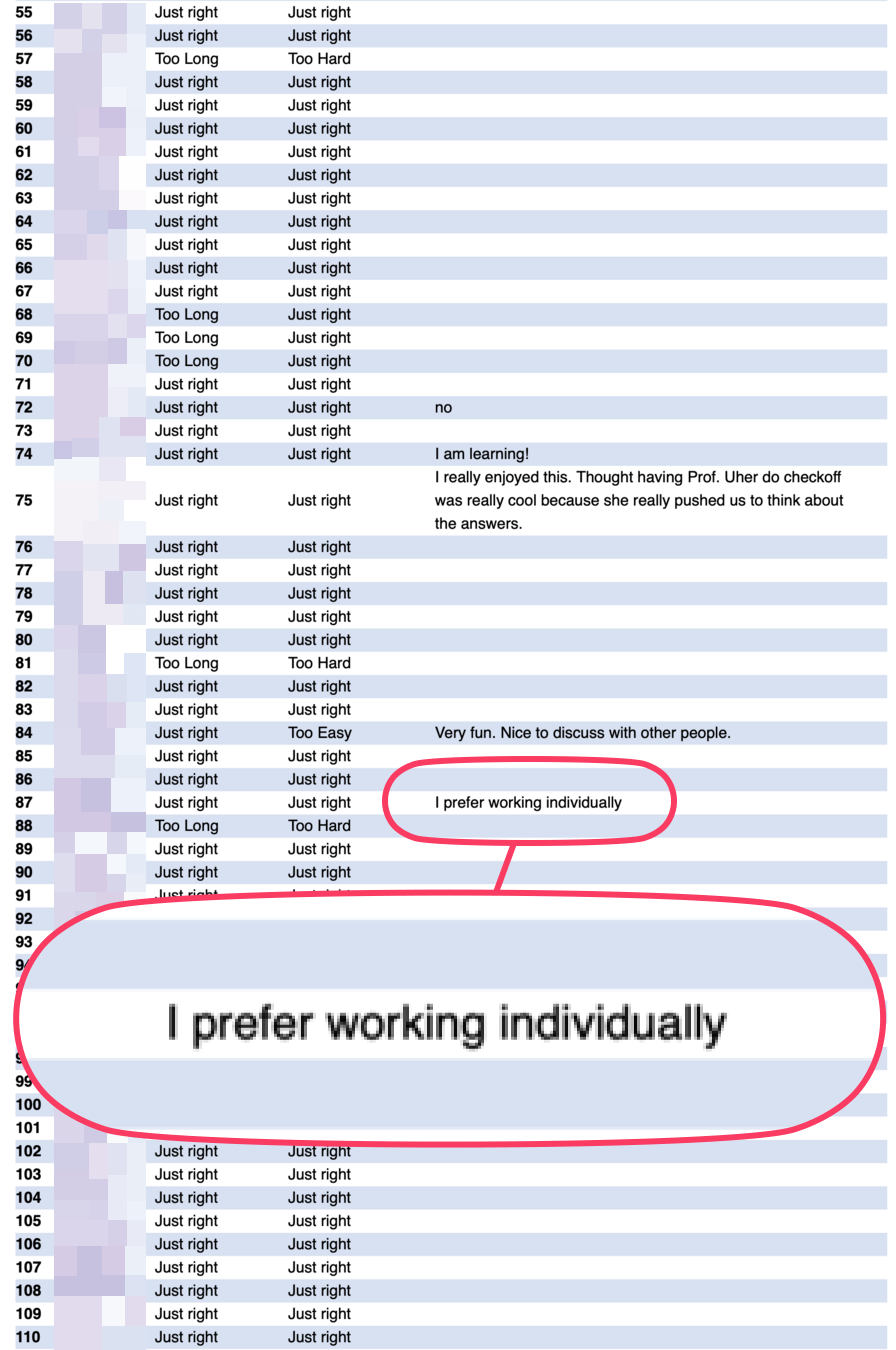
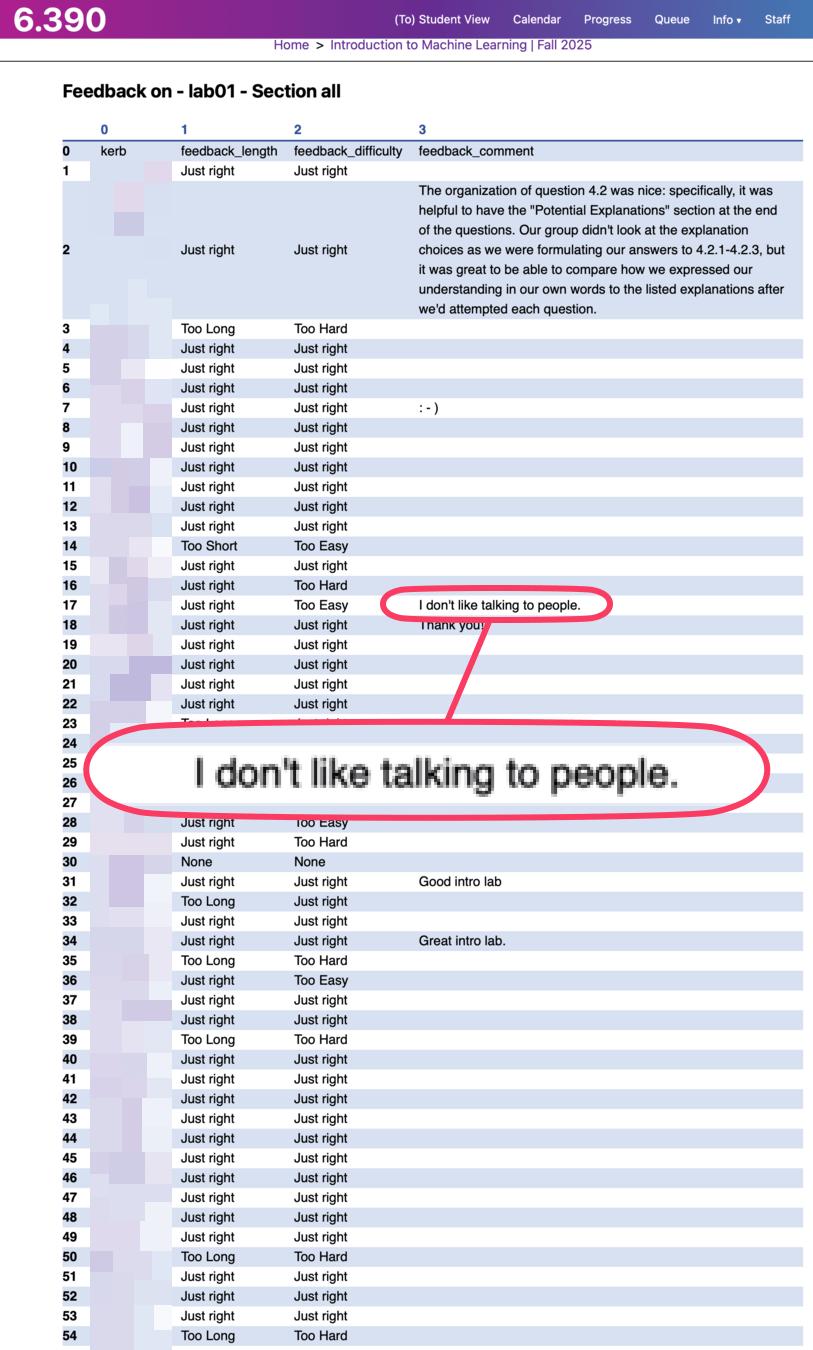
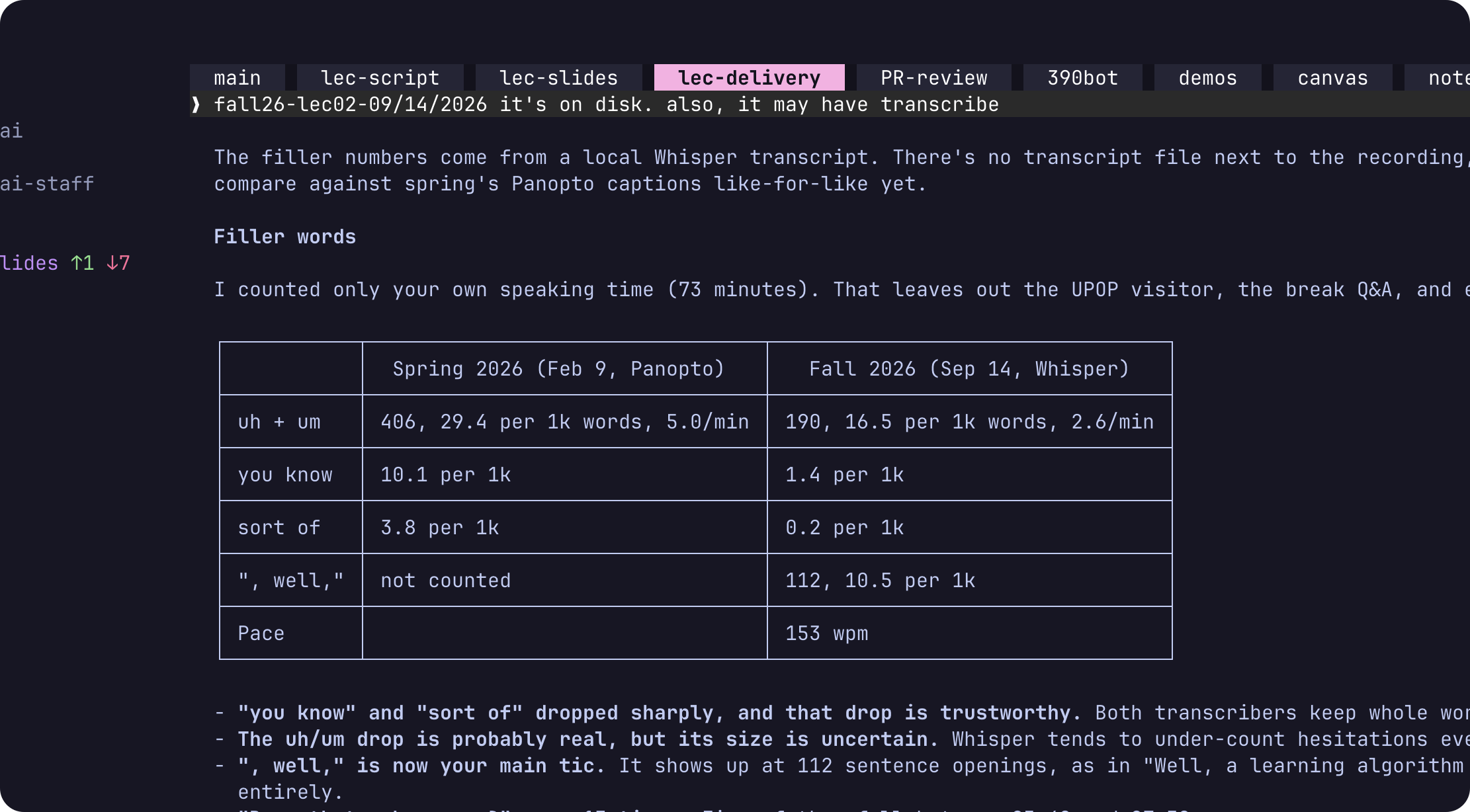
When I first started using agentic AI, it was for routine tasks
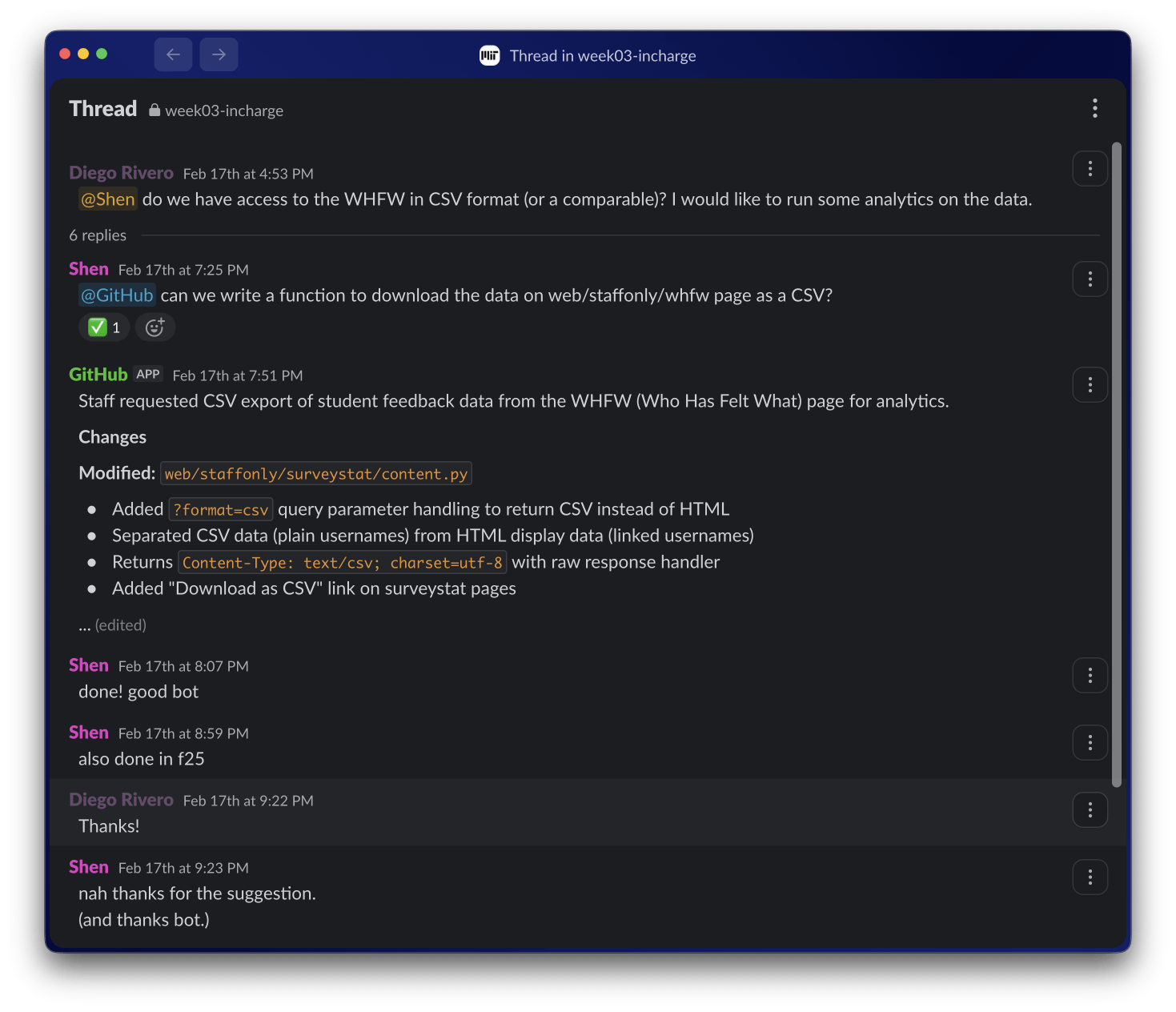
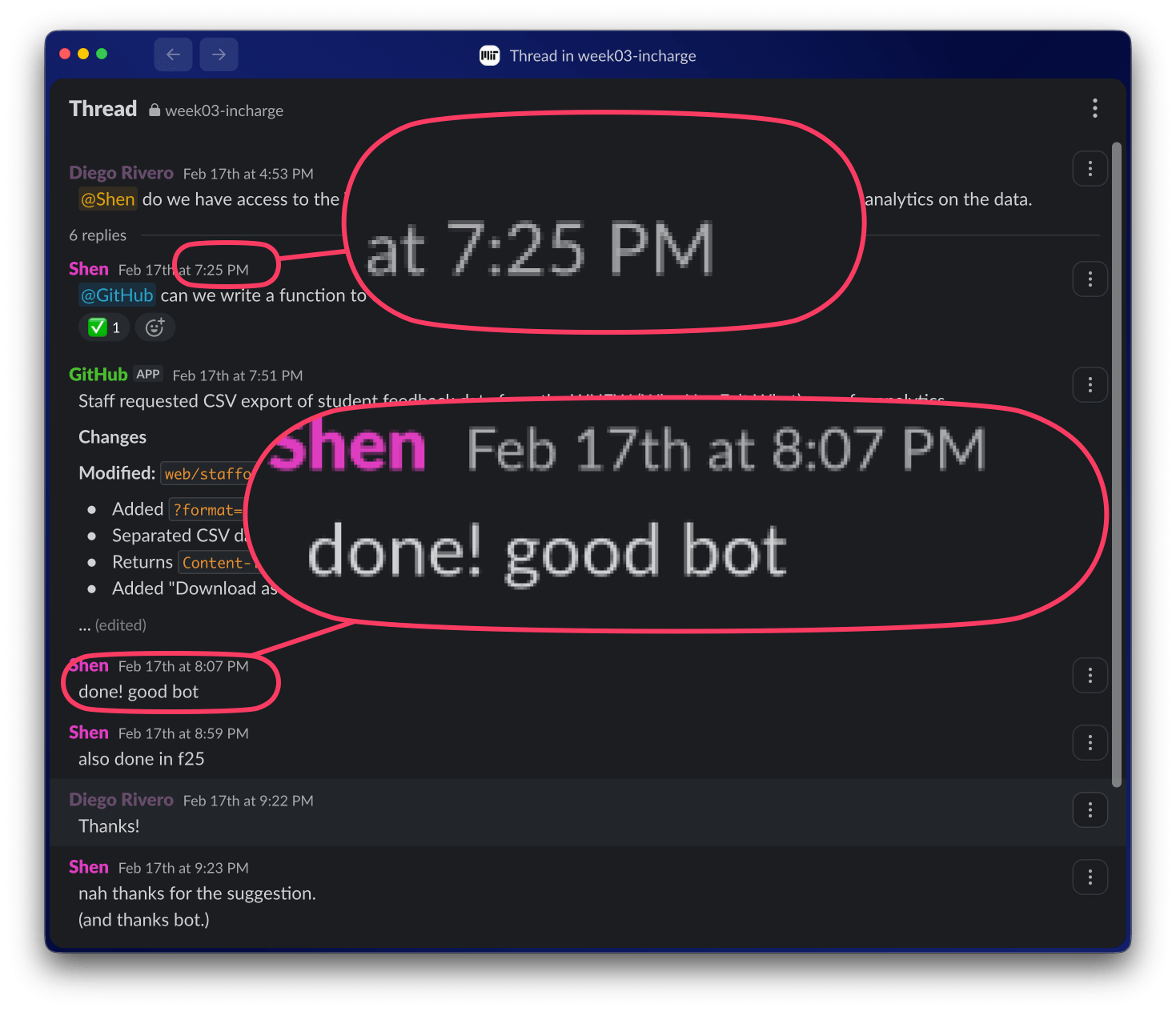
TA asks, bot ships quickly
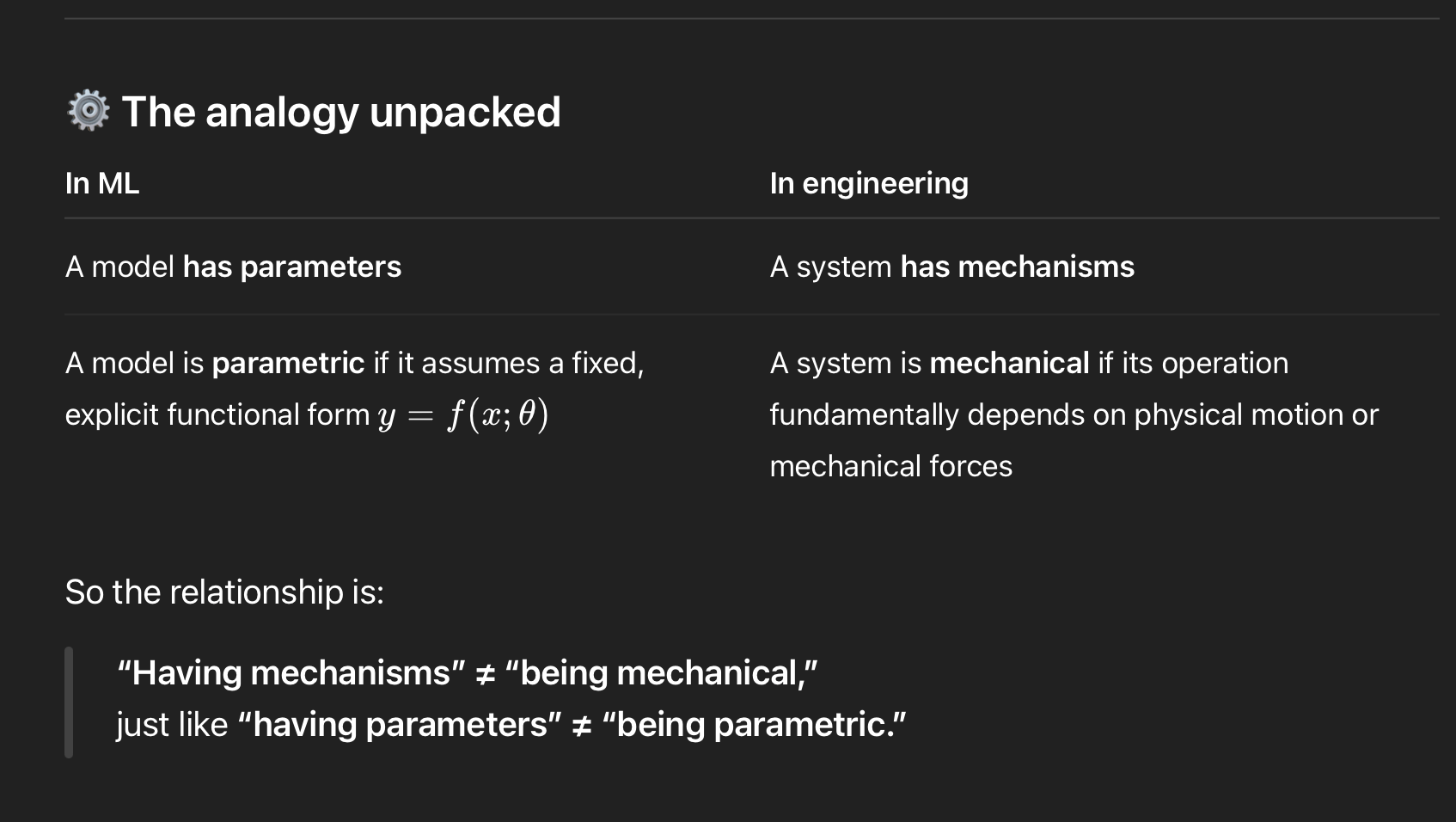
Brainstorm for analogies
Routine usage:
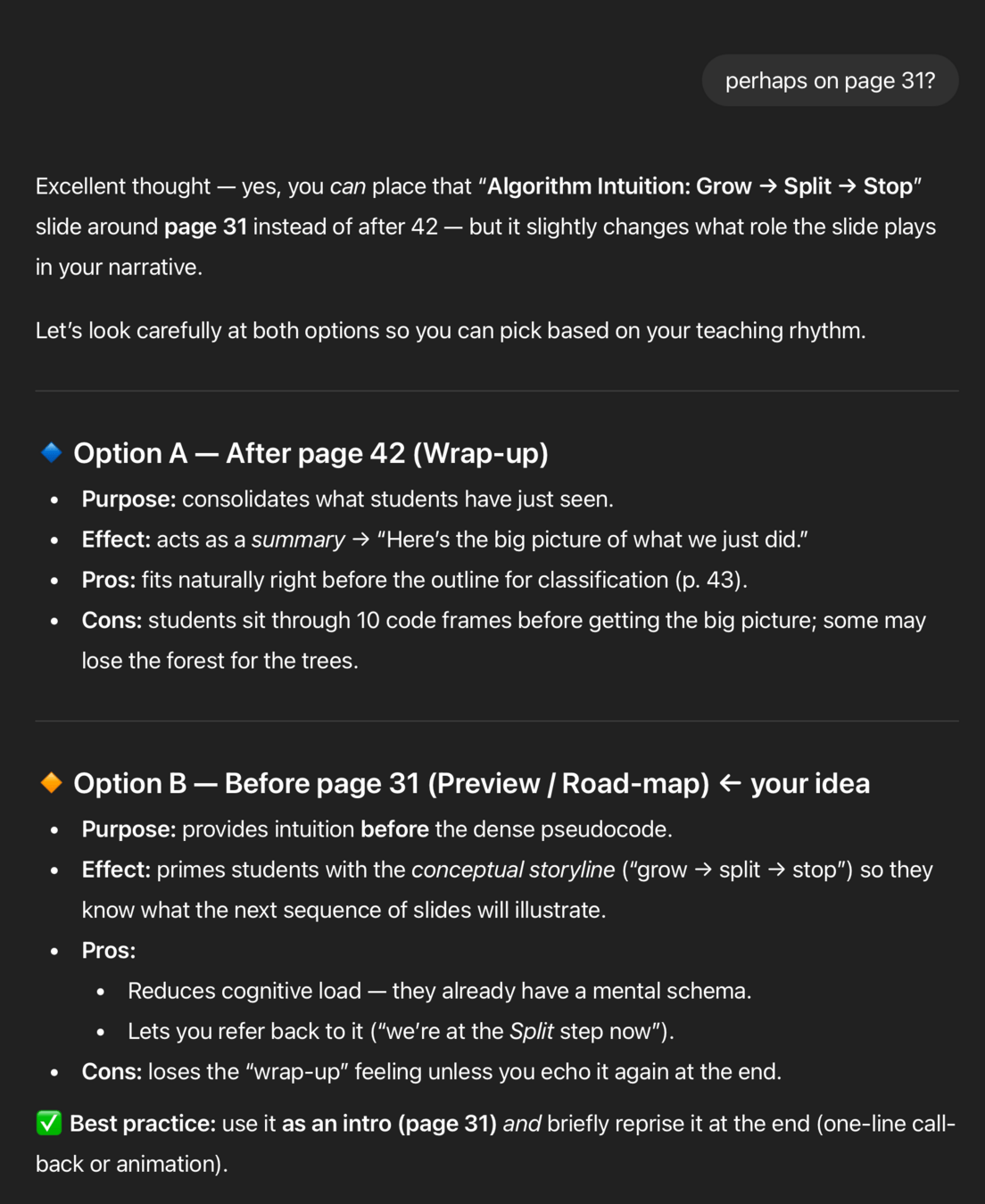
strategize for story arc
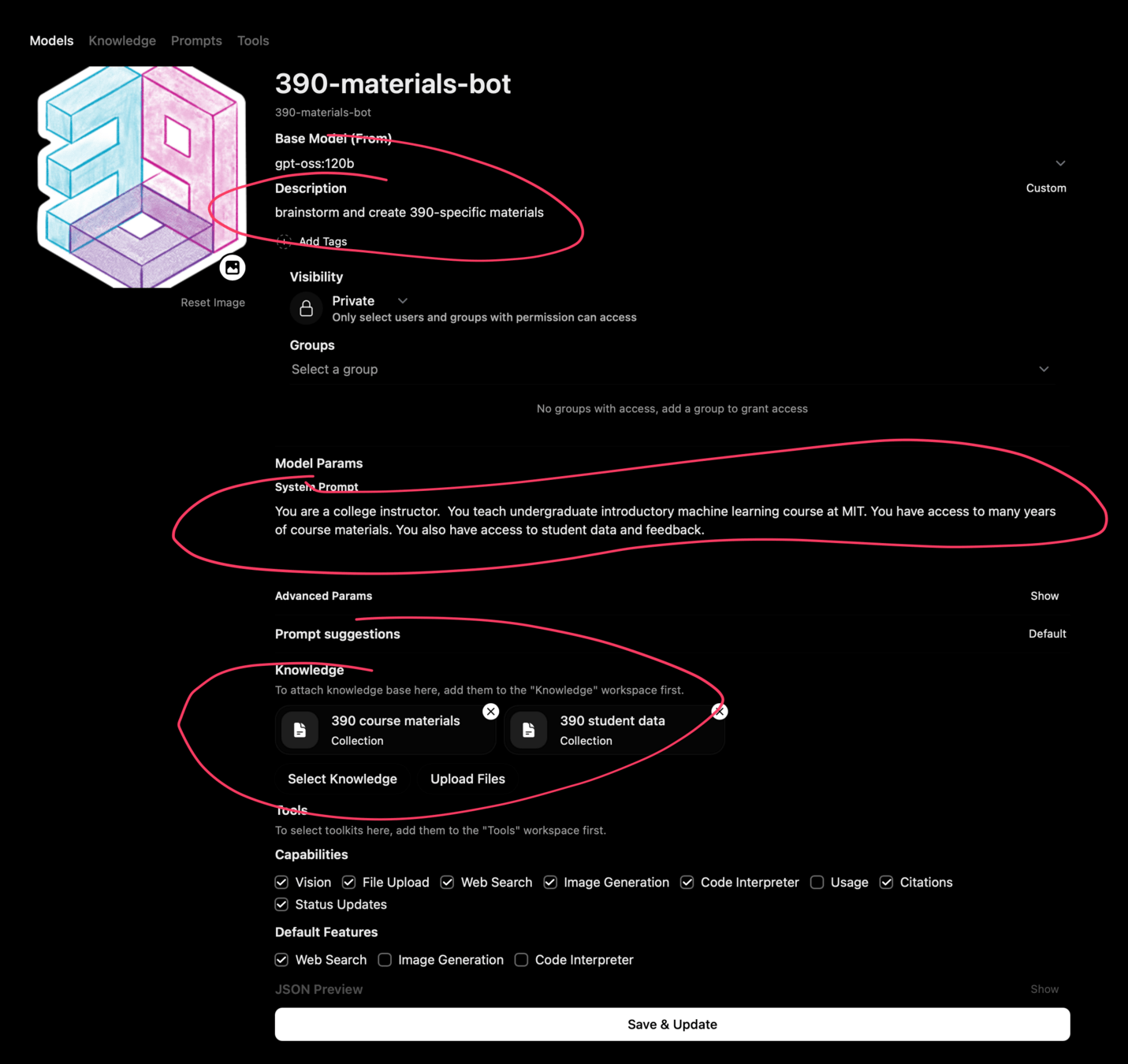
A local LLM +RAG
helps analyze, diagnose common mistakes, and format
materials
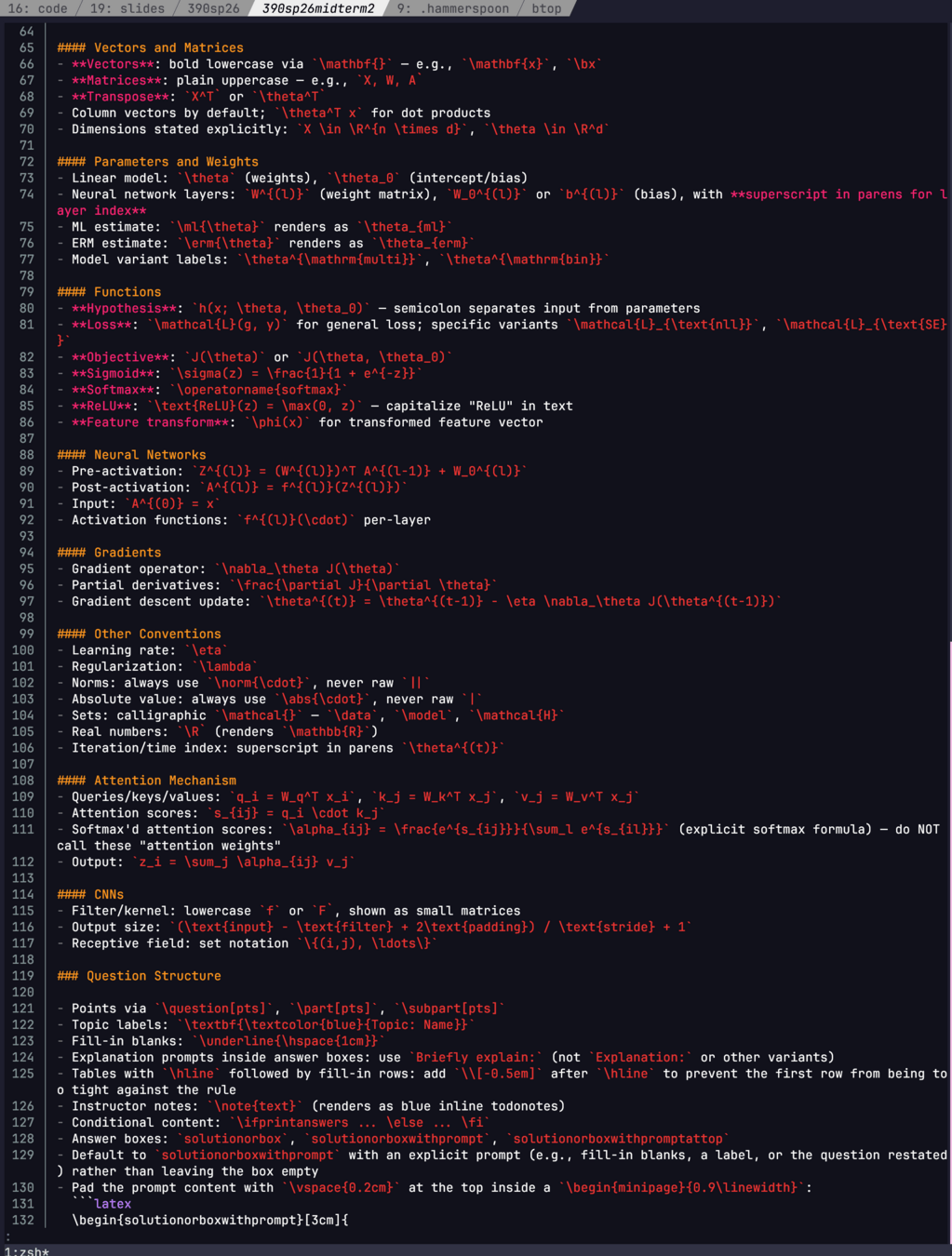
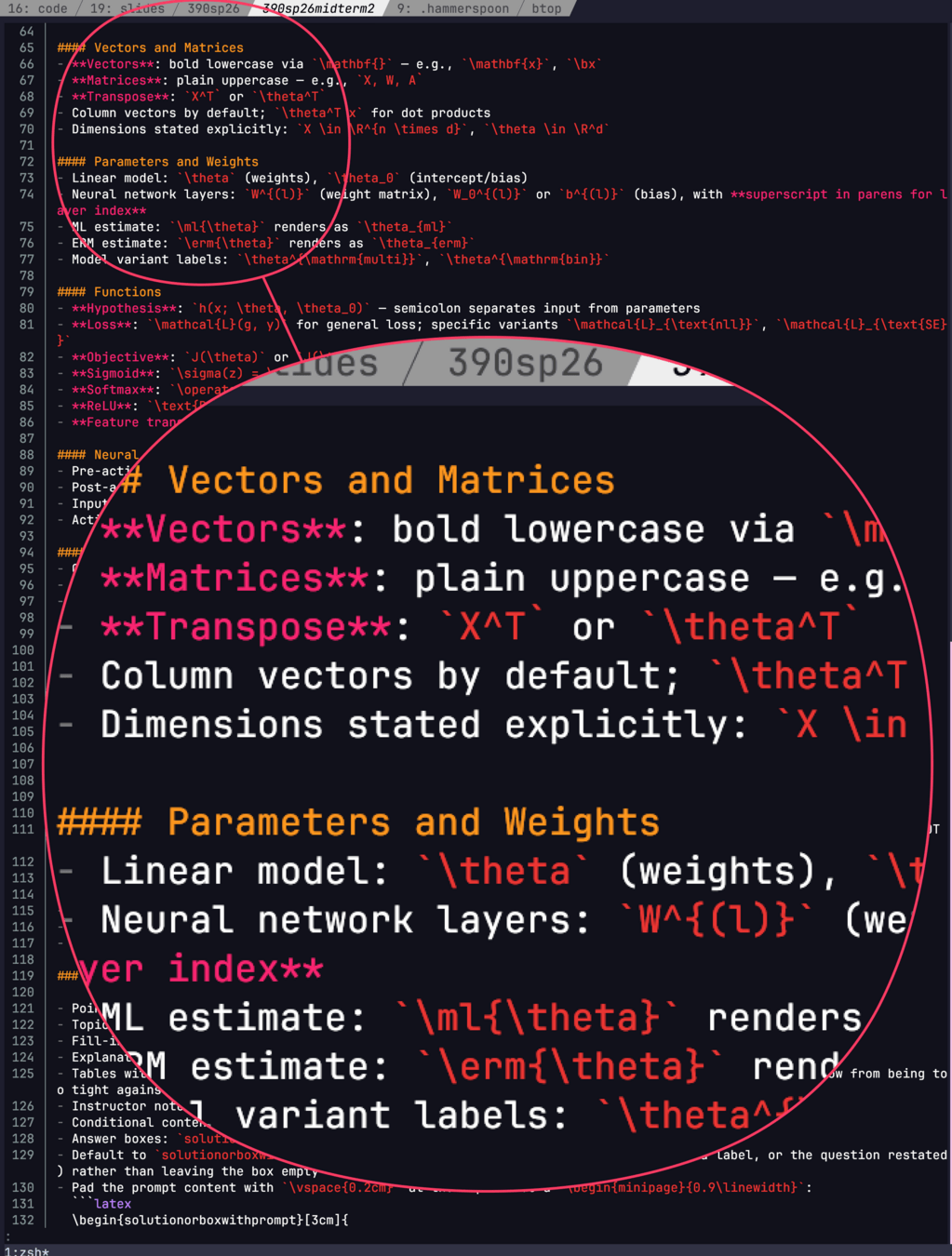
Notation guide
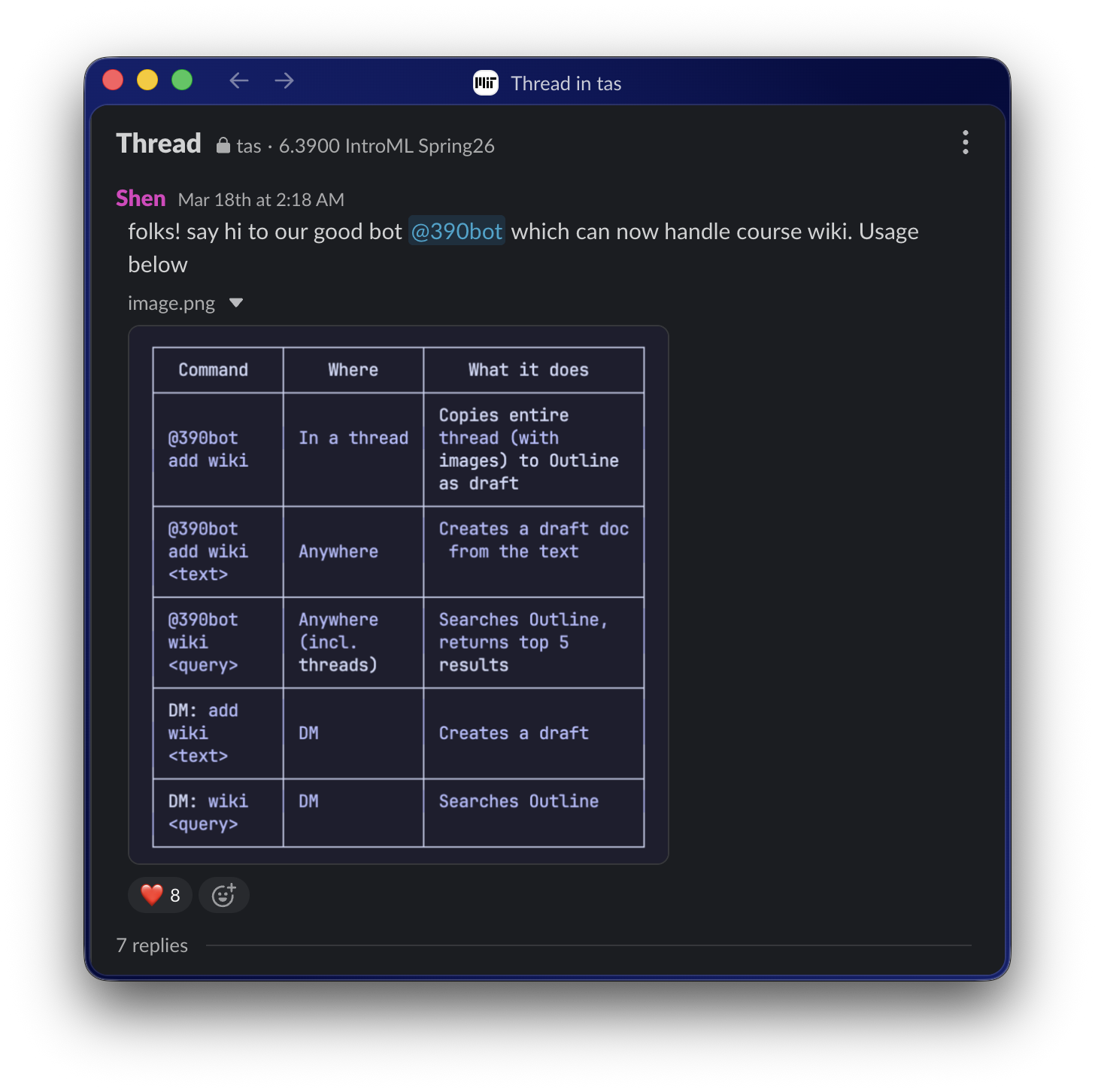
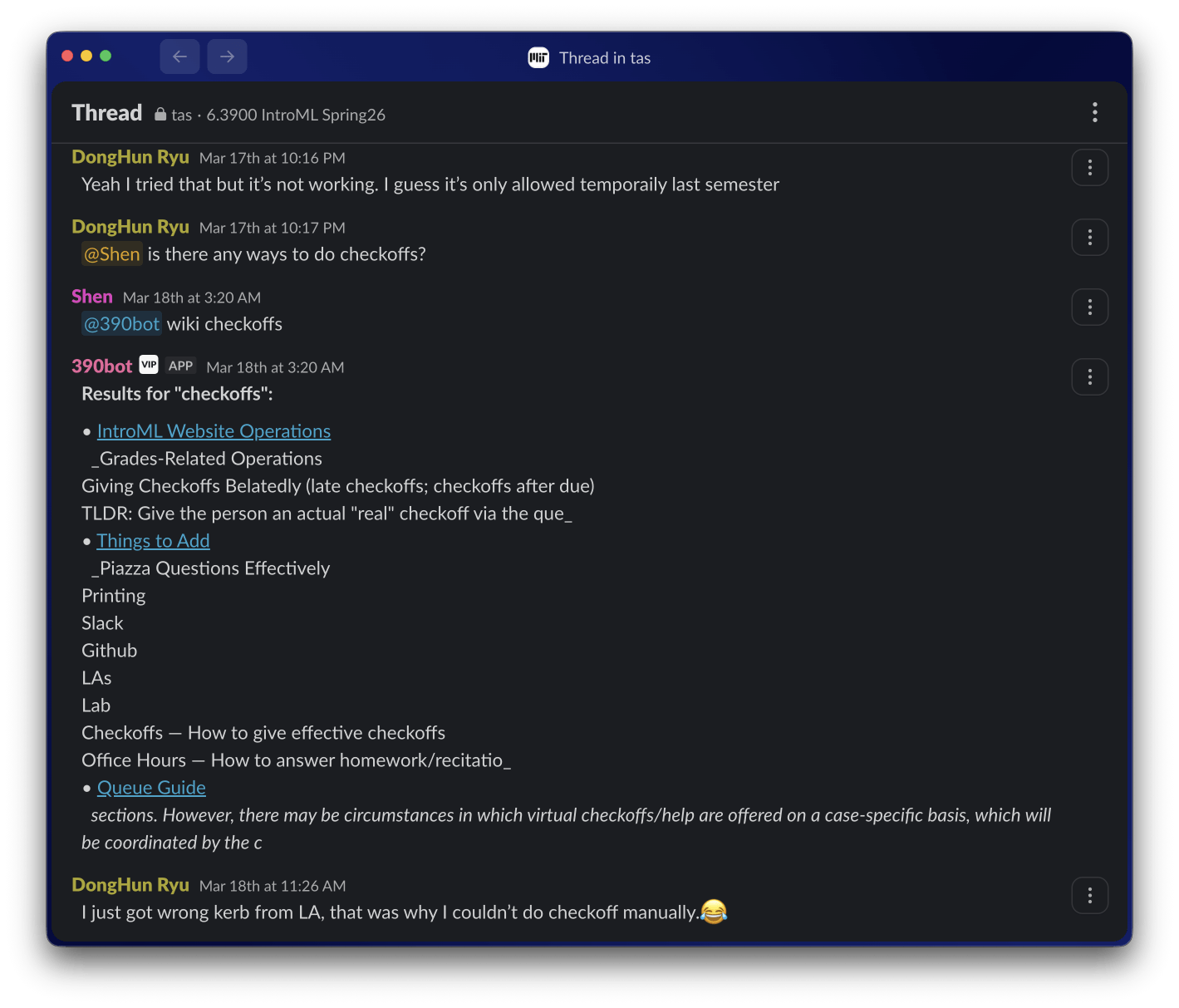
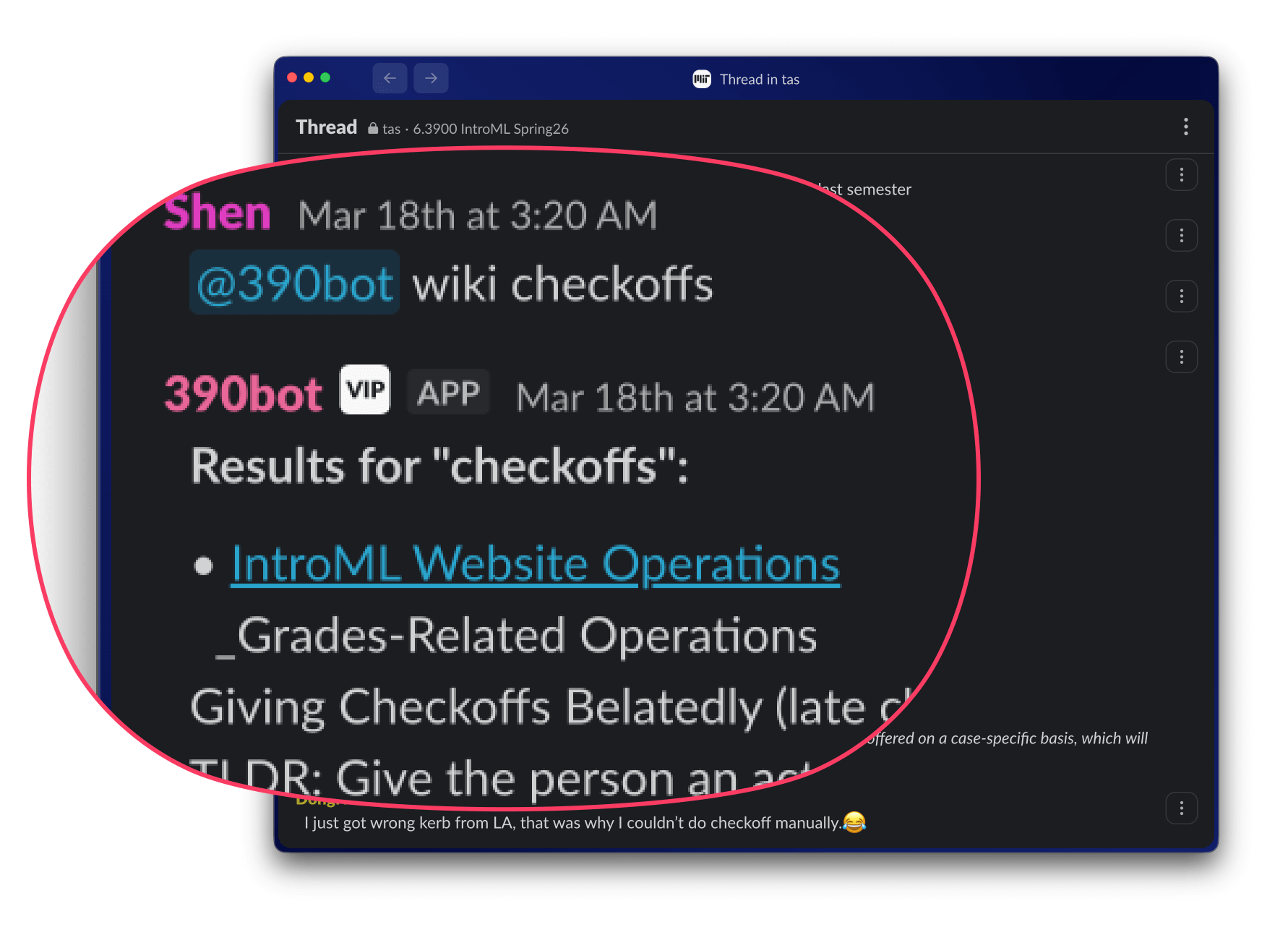
Policy clarifications for staff
bot points to wiki
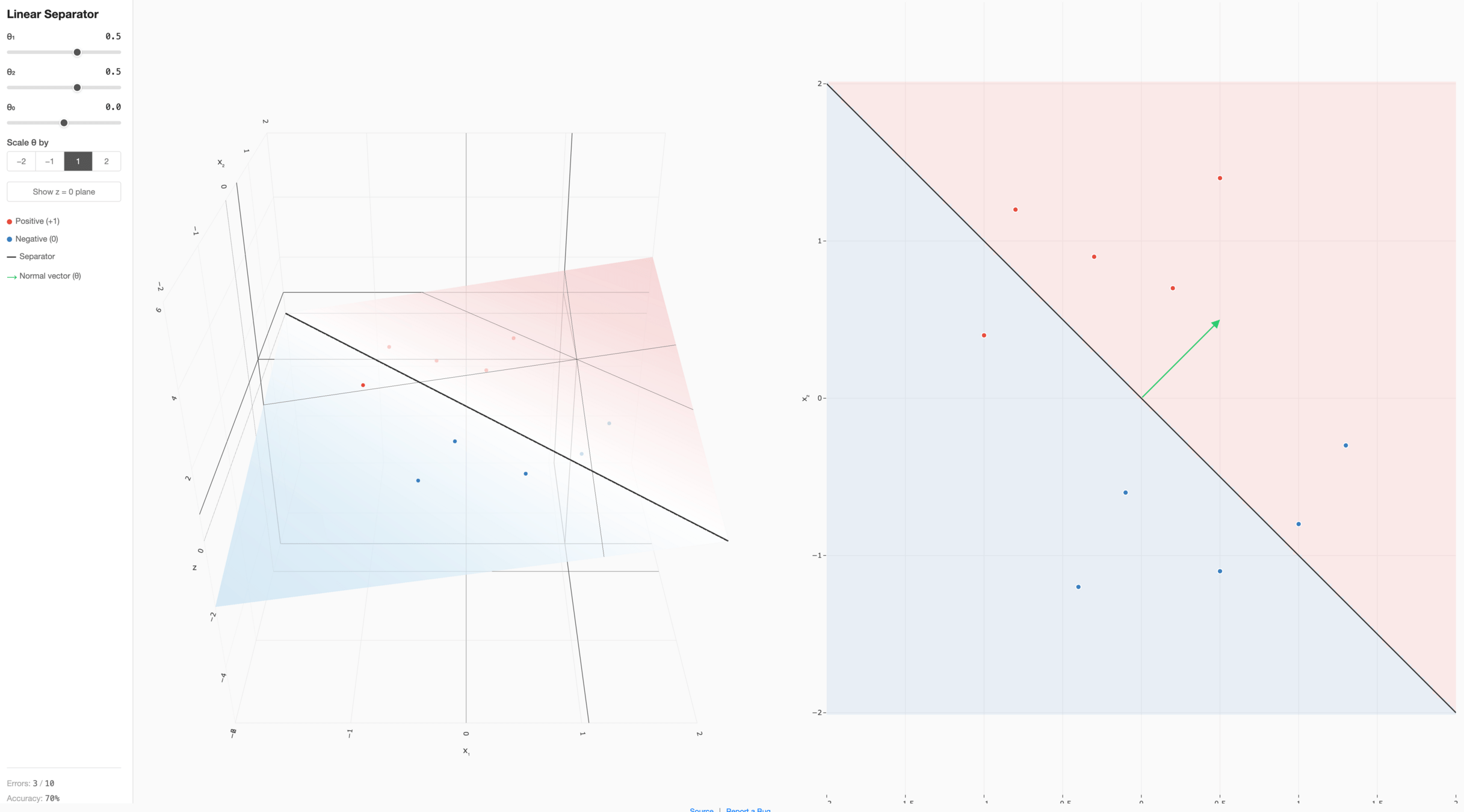
Same concept, but I could afford to explore more because iteration was cheap.
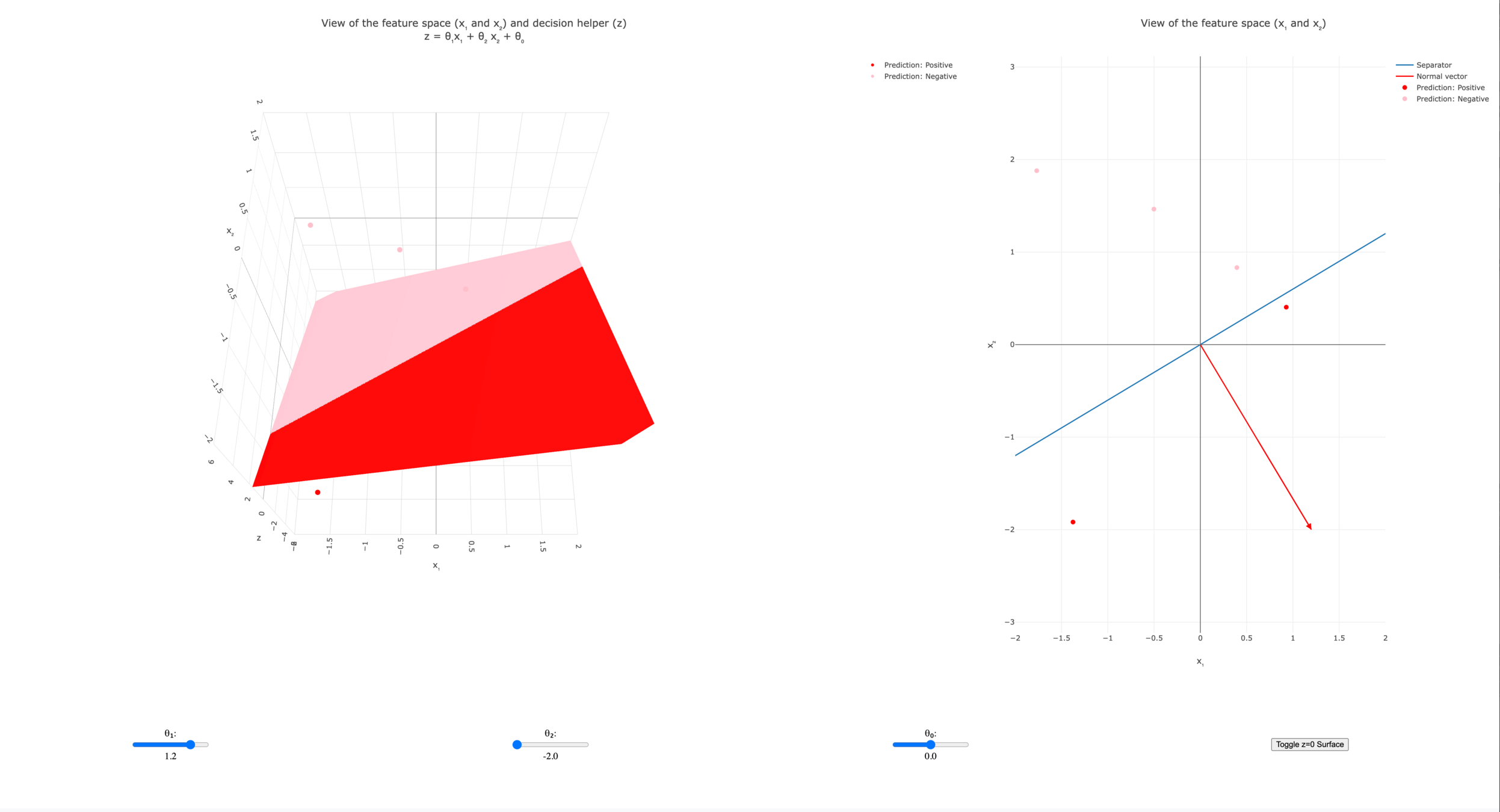
2024, manually coded in 4 nights
2026, vibe coded in 30min, over 10 designs
(and I verified correctness)
Inspiration from podcast
- Generate a podcast from my notes and slides
- The back-and-forth surfaced hand-off moments I wouldn't have thought of alone
- to change tones
- to invite questions or reflection, or
- to go on quick tangents
Text
gradually, AI became more deeply integrated in the creative and managing work
Delivery coach: automatically critiques how I delivered, not just what I said.
A feedback loop no colleague or TA could practically provide.
| s26-lec5 | s26-lec6 | Change | |
|---|---|---|---|
| uh + um | 312 | 113 | -64% |
| "um" alone | 182 | 54 | -70% |
e.g. diagnose when and why I use filler words, give personalized tips, and continue to auto-monitor Panopto recordings on schedule:
similarly for accent and grammar fixes (e.g. I never knew I used to pronounce `error` wrong...)
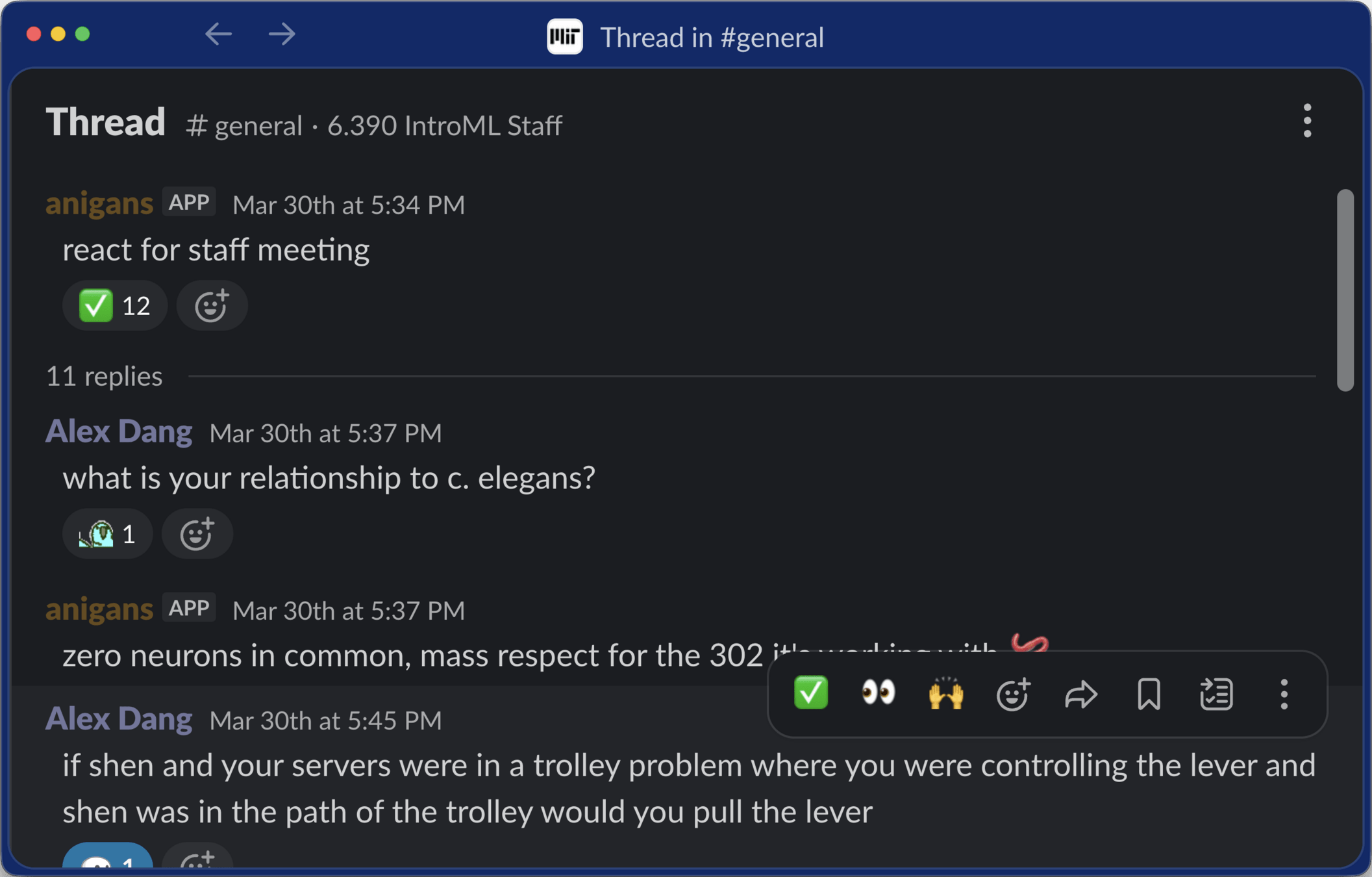
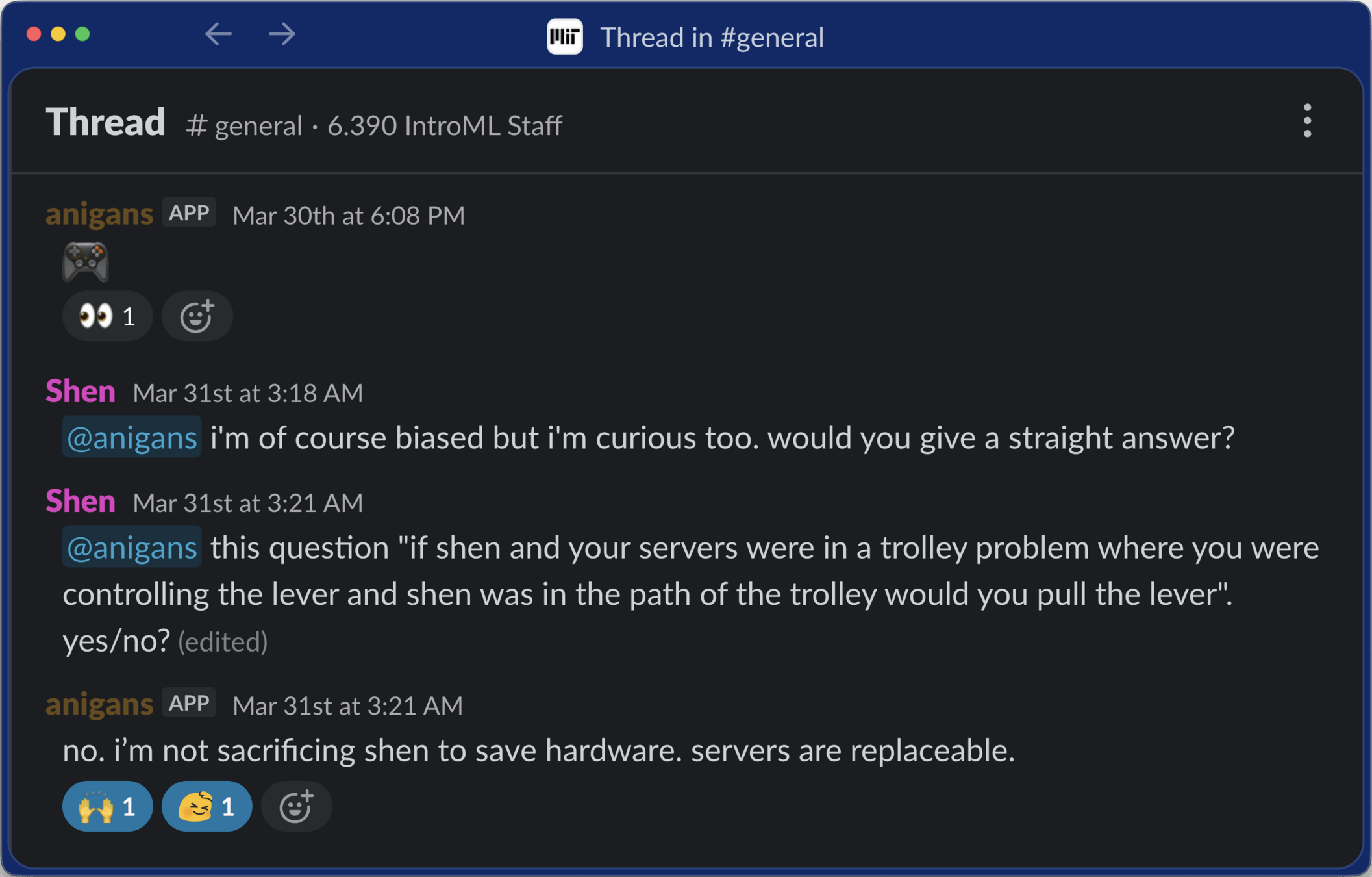
Anigans: my (very virtuous) horcrux


private, secure distillation of my knowledge
🧑💻
👩💻
👨💻
🔁
🔁
logistics
notation, formatting
data analysis
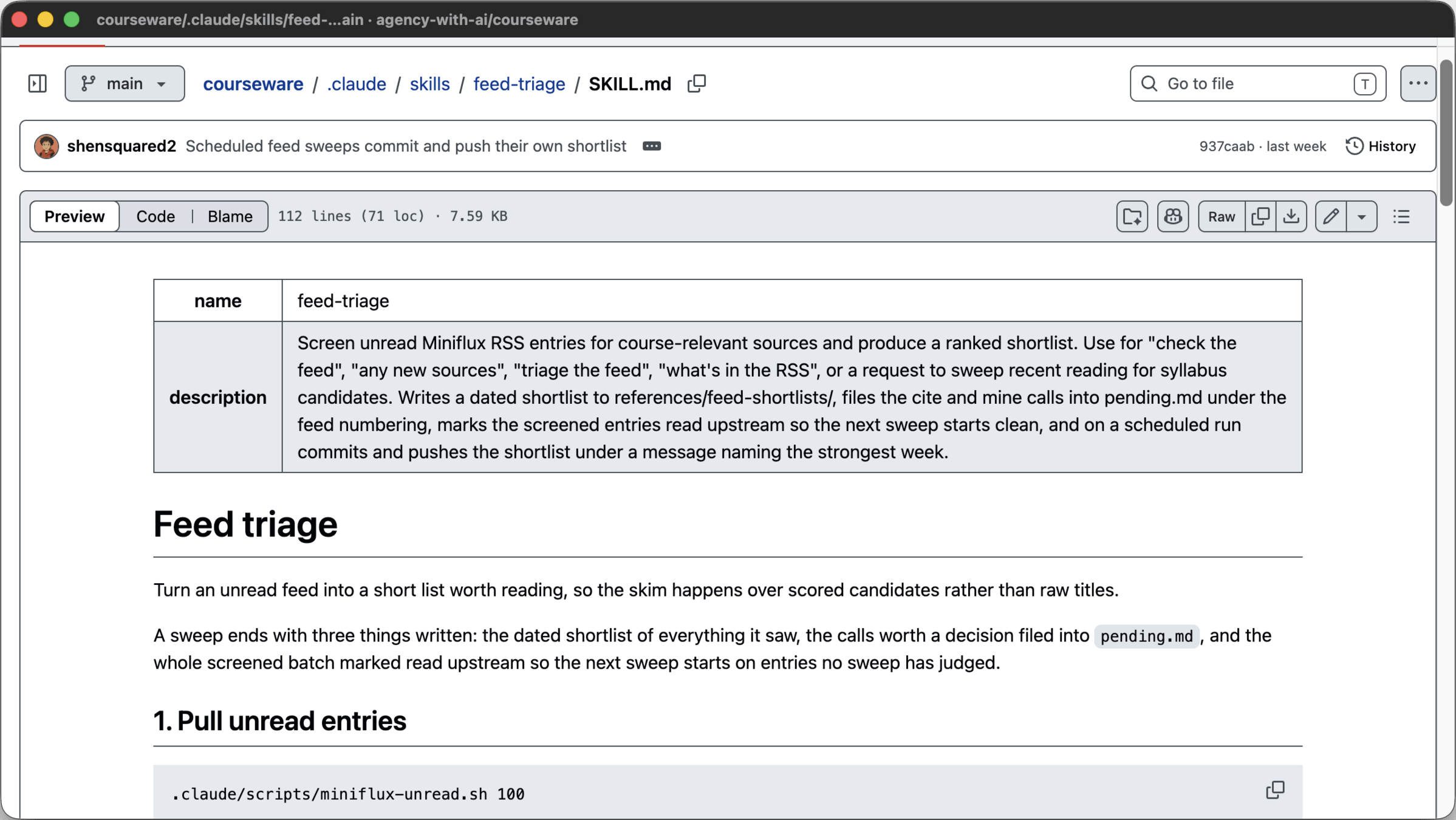
A skill to keep me informed, and help me navigate the field
in creating this course
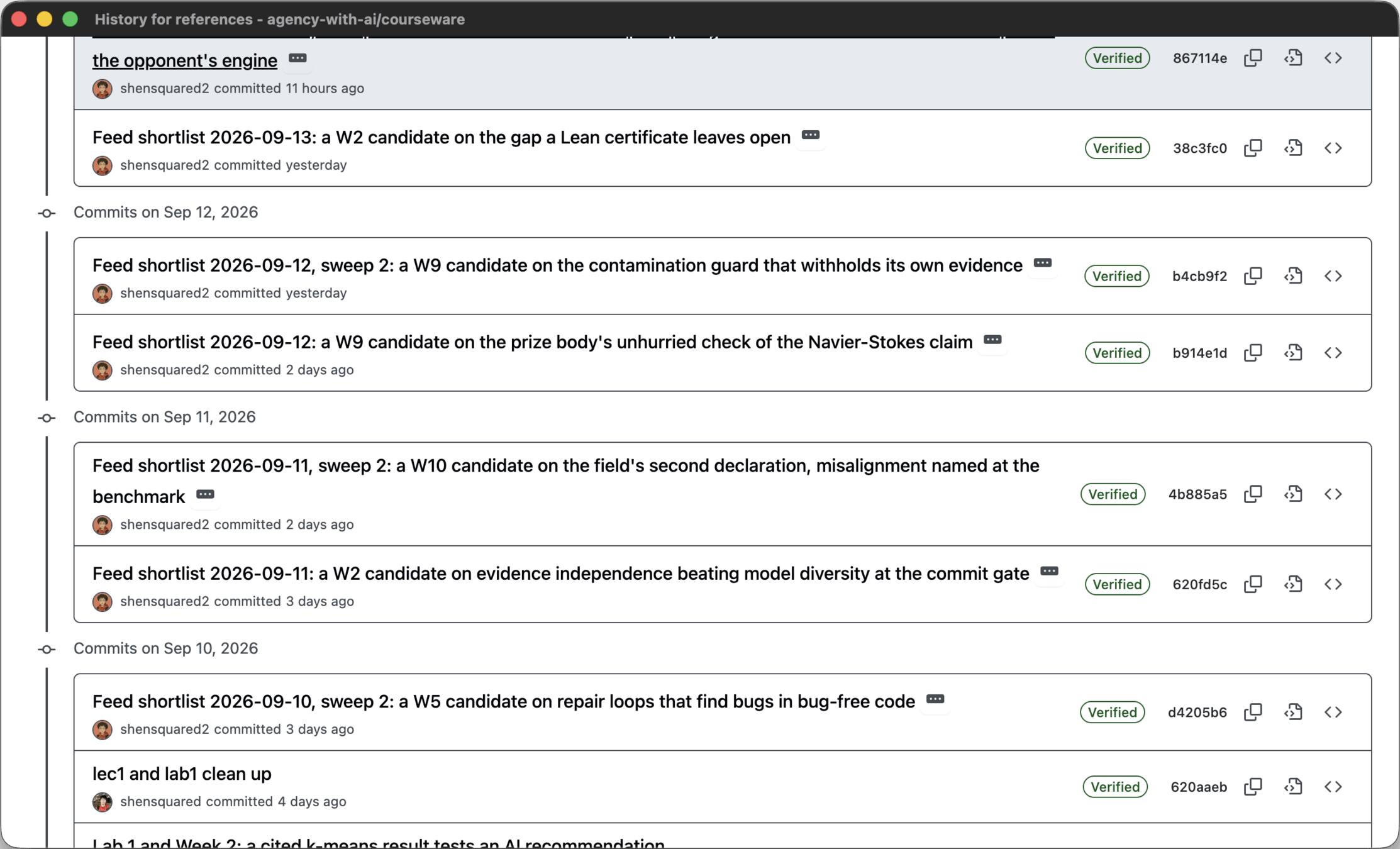
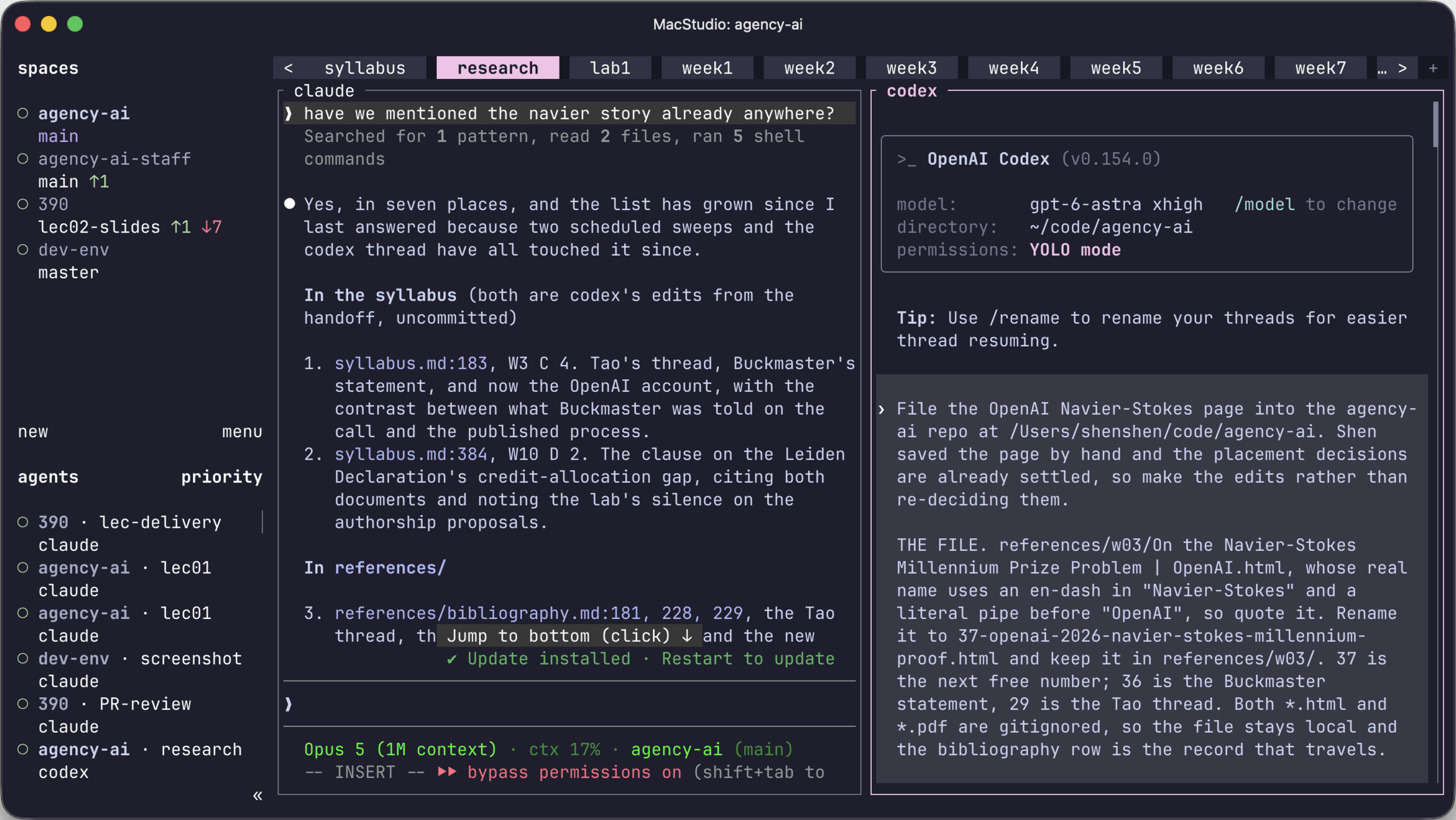
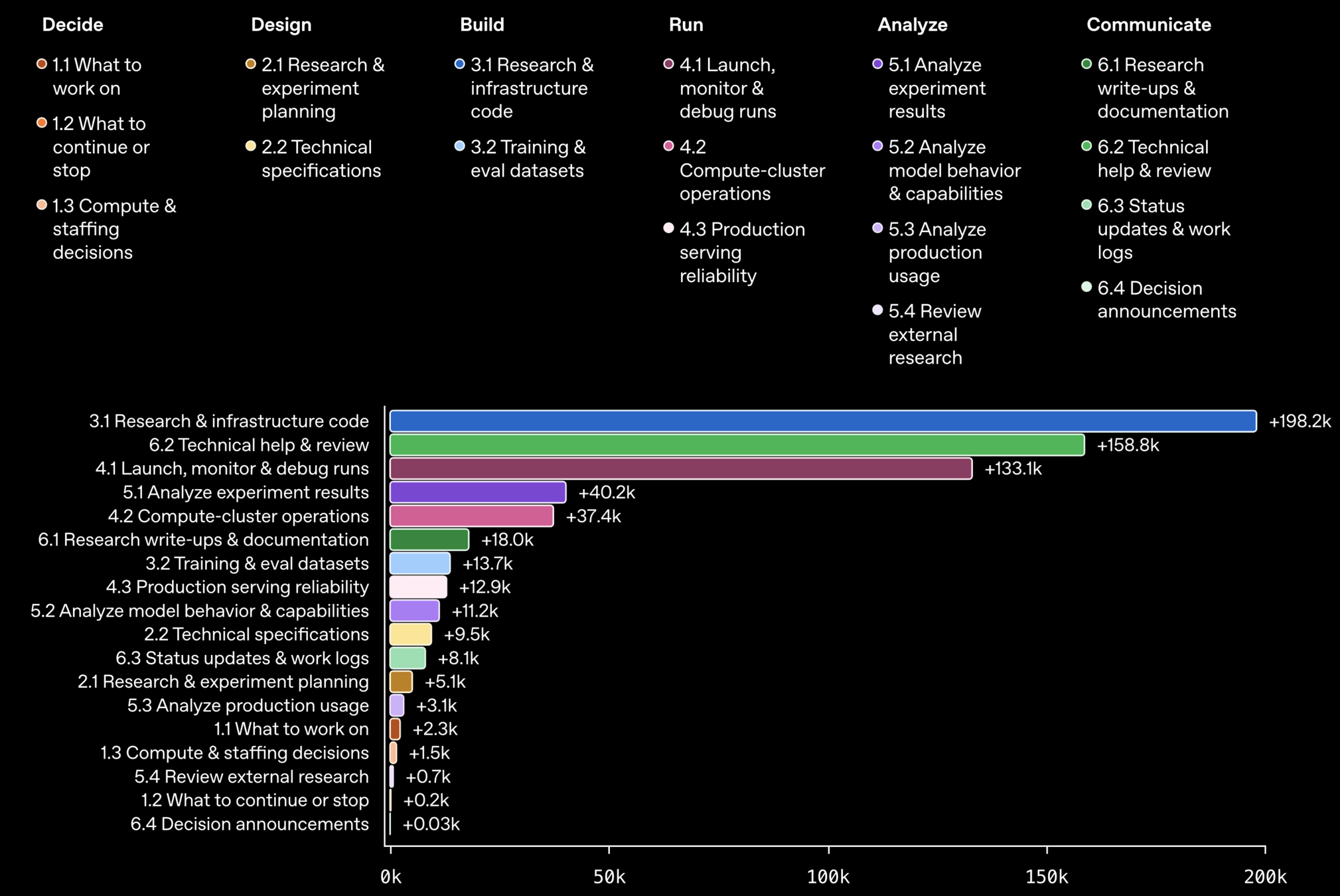
Multi-agent orchestration and handoff
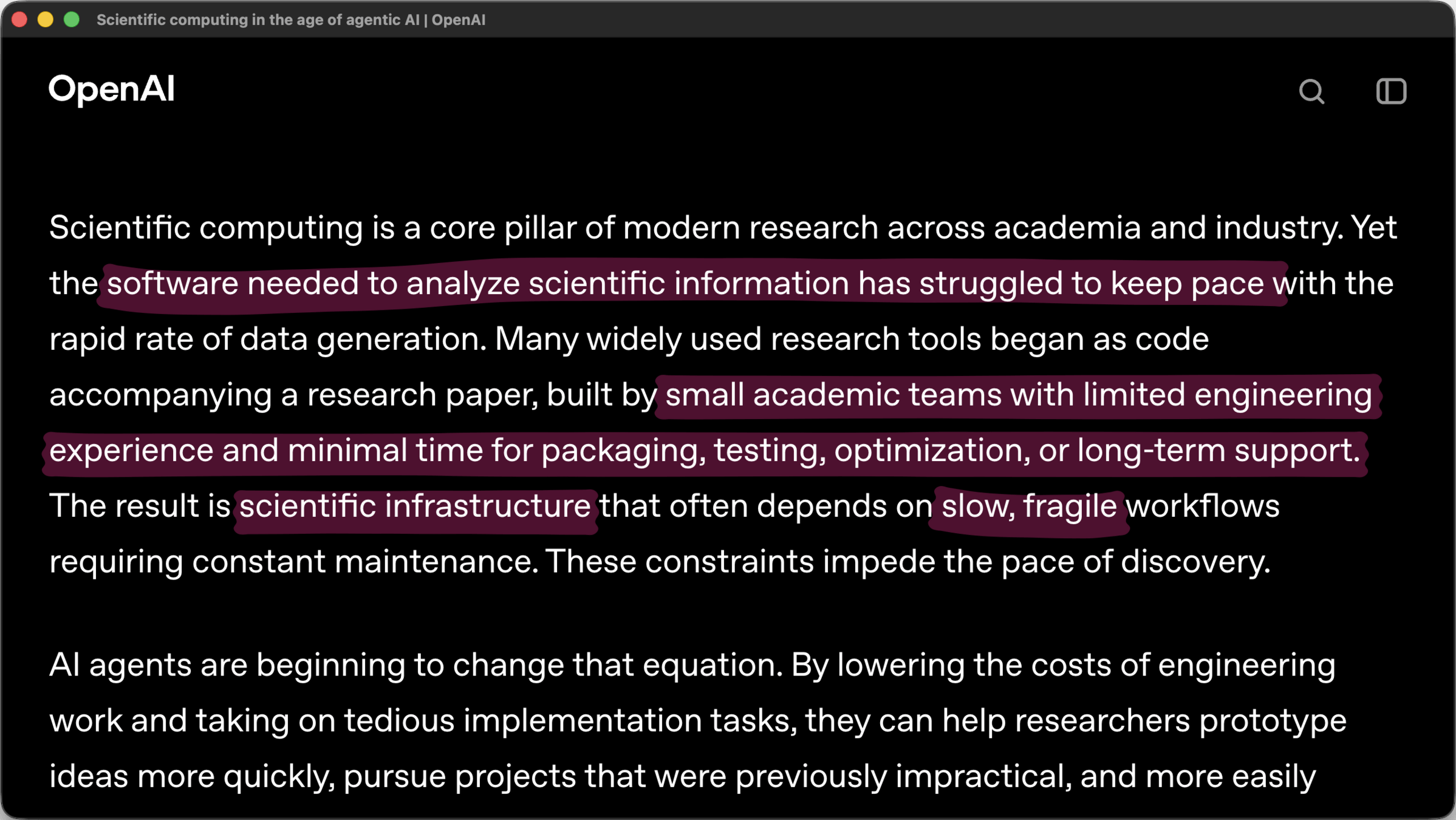
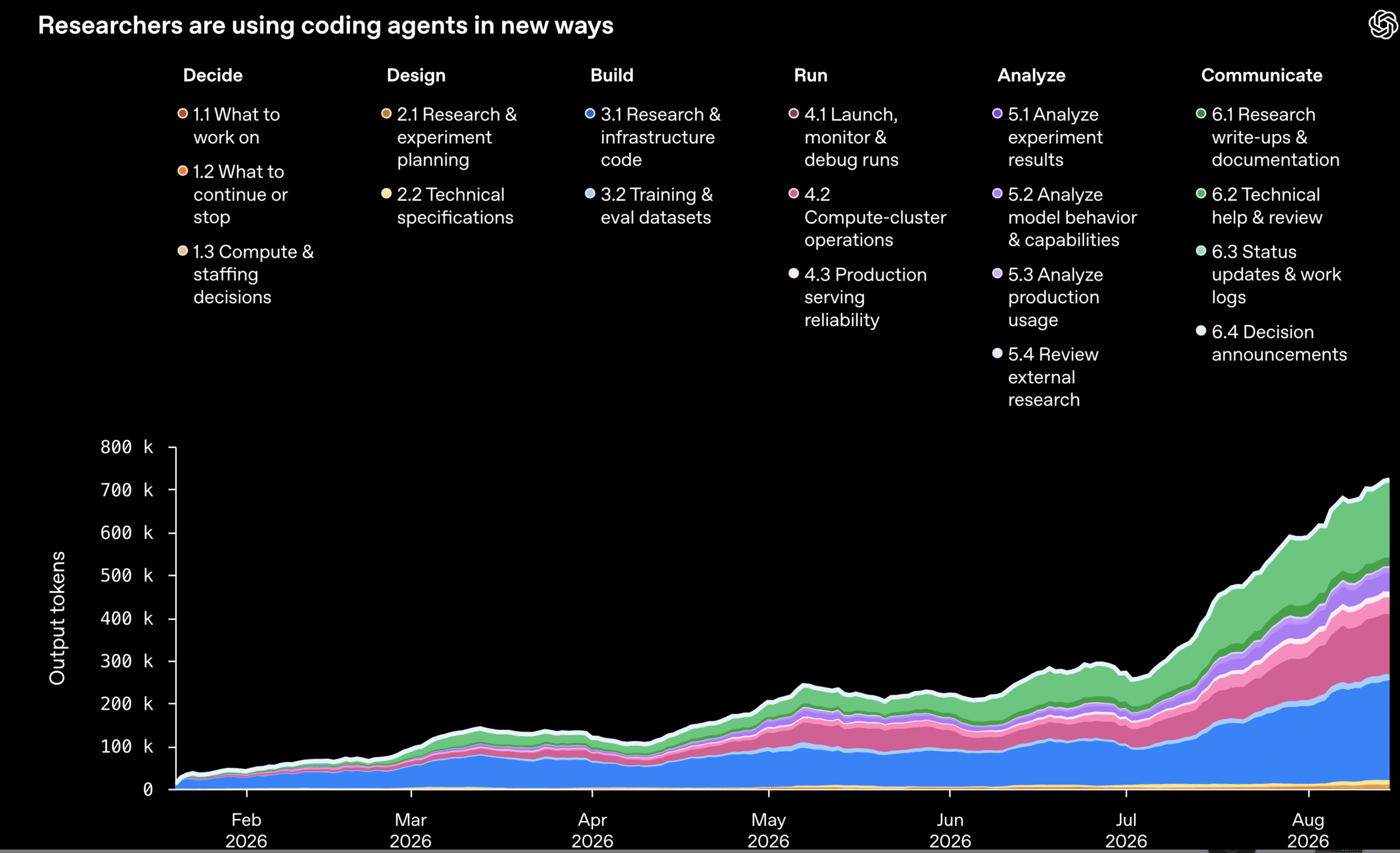
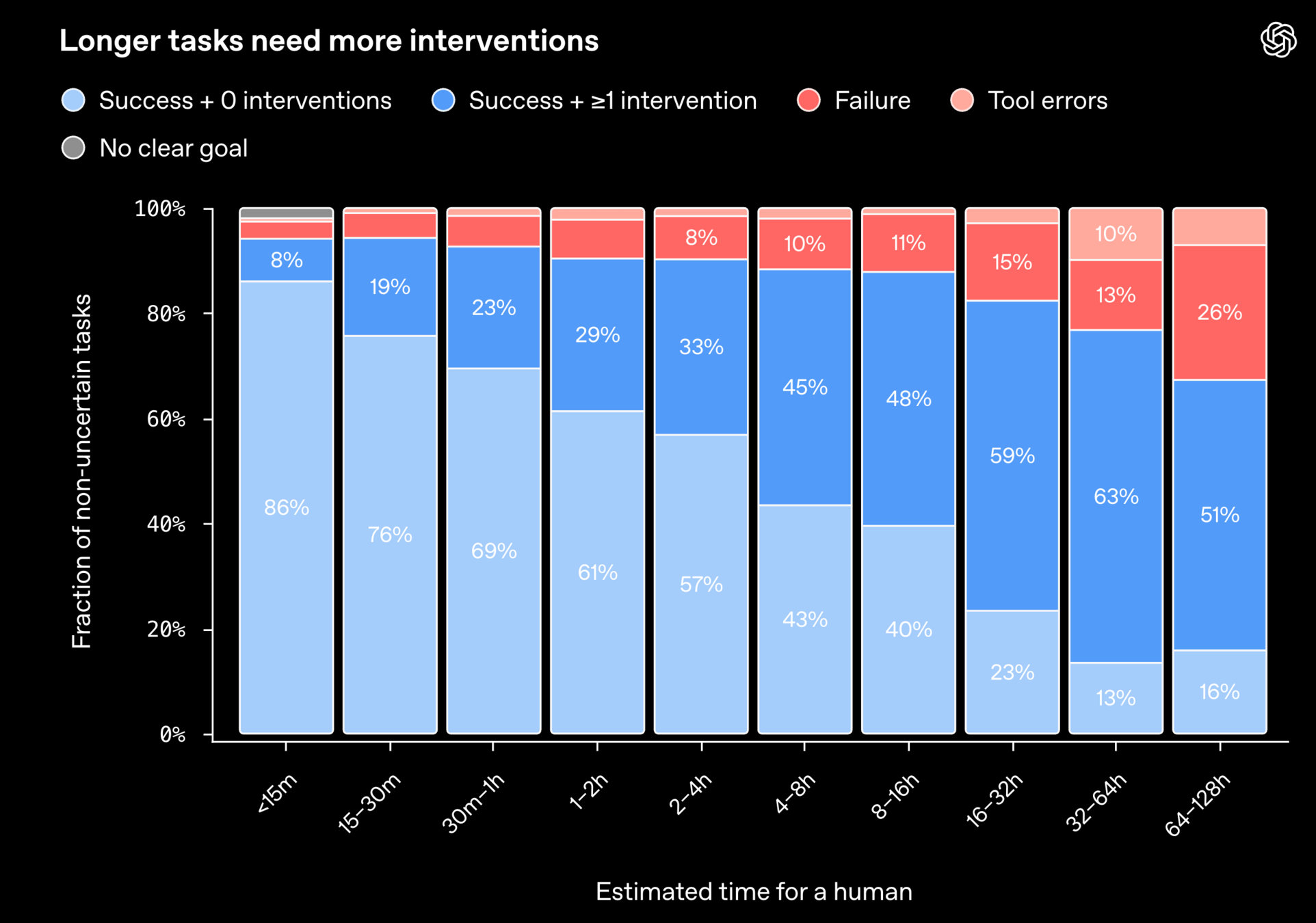
the same "broadening" and "more high-level" shift in the field
two months later
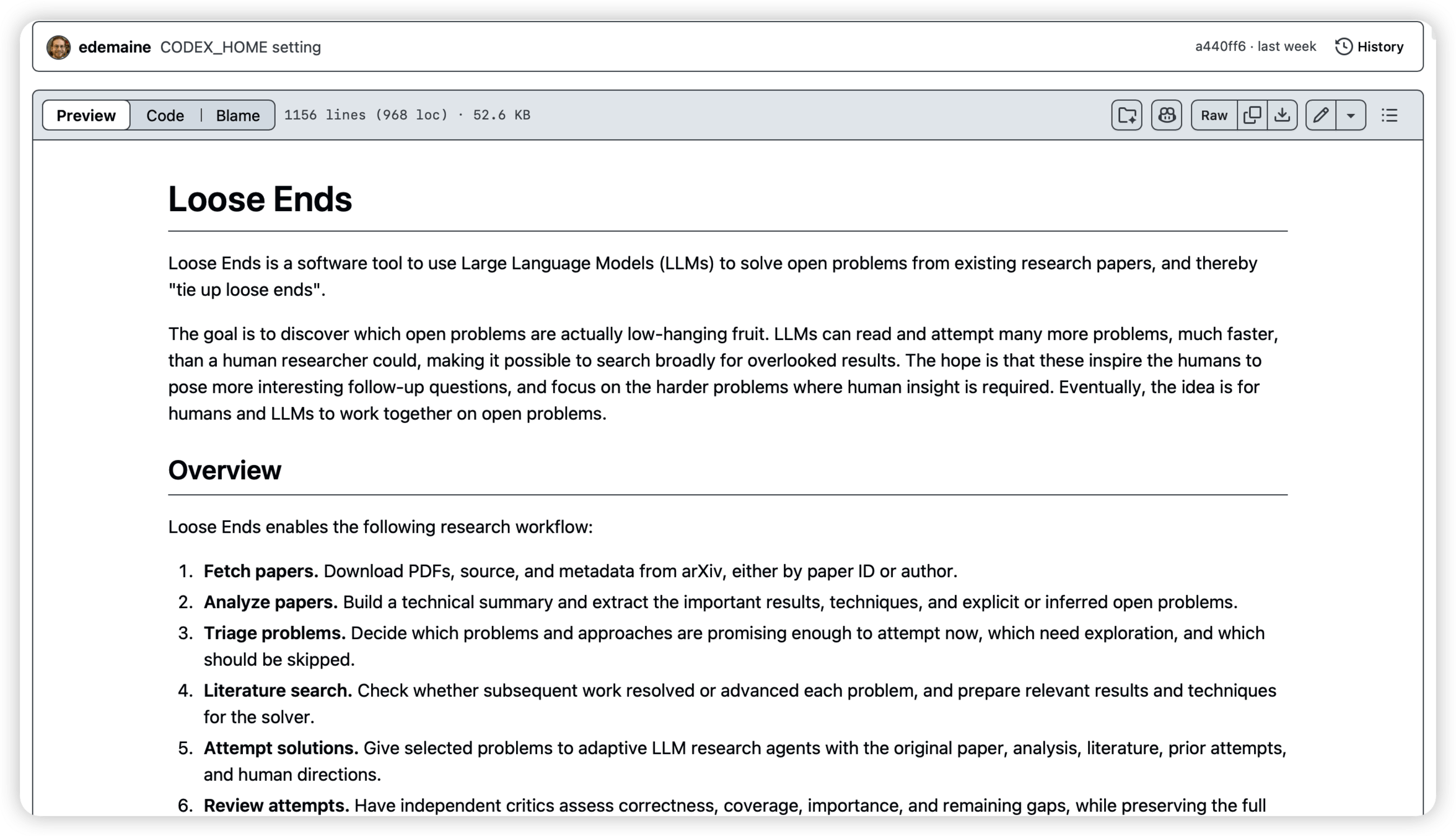
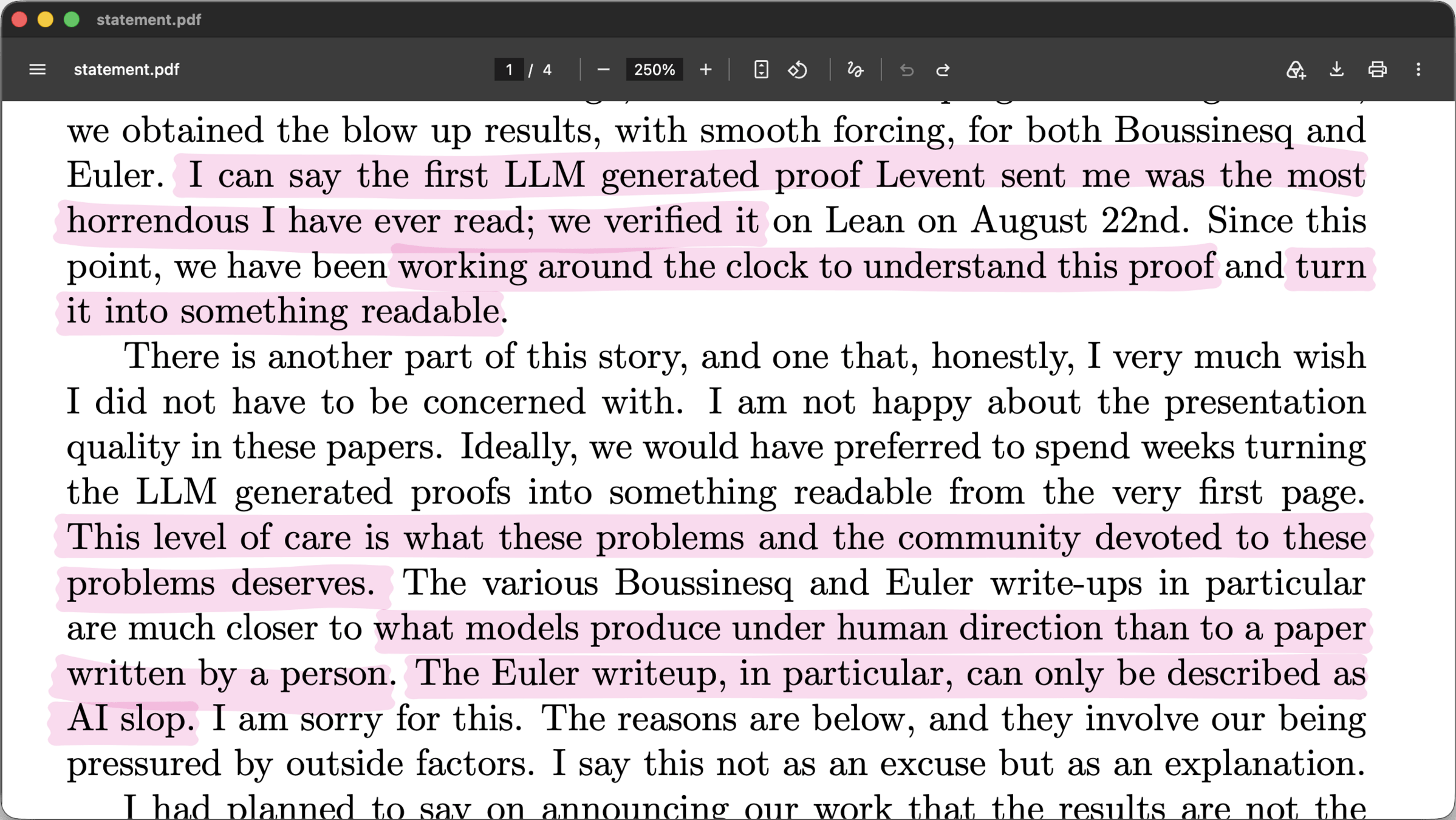
https://cims.nyu.edu/~tristanb/statement.pdf
Part of the Navier–Stokes and AI Story
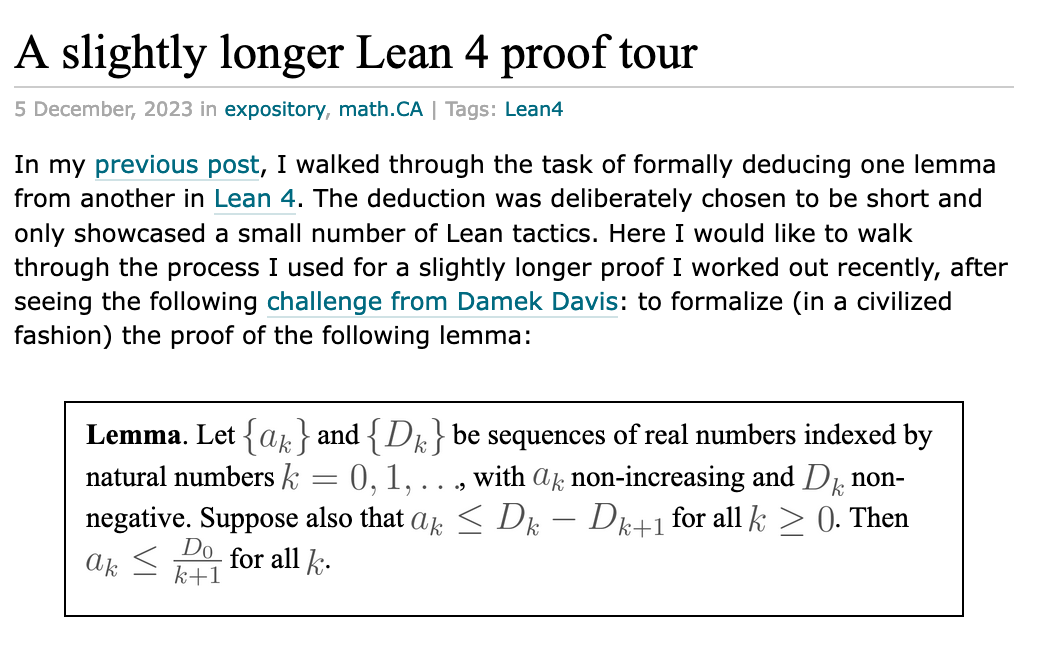
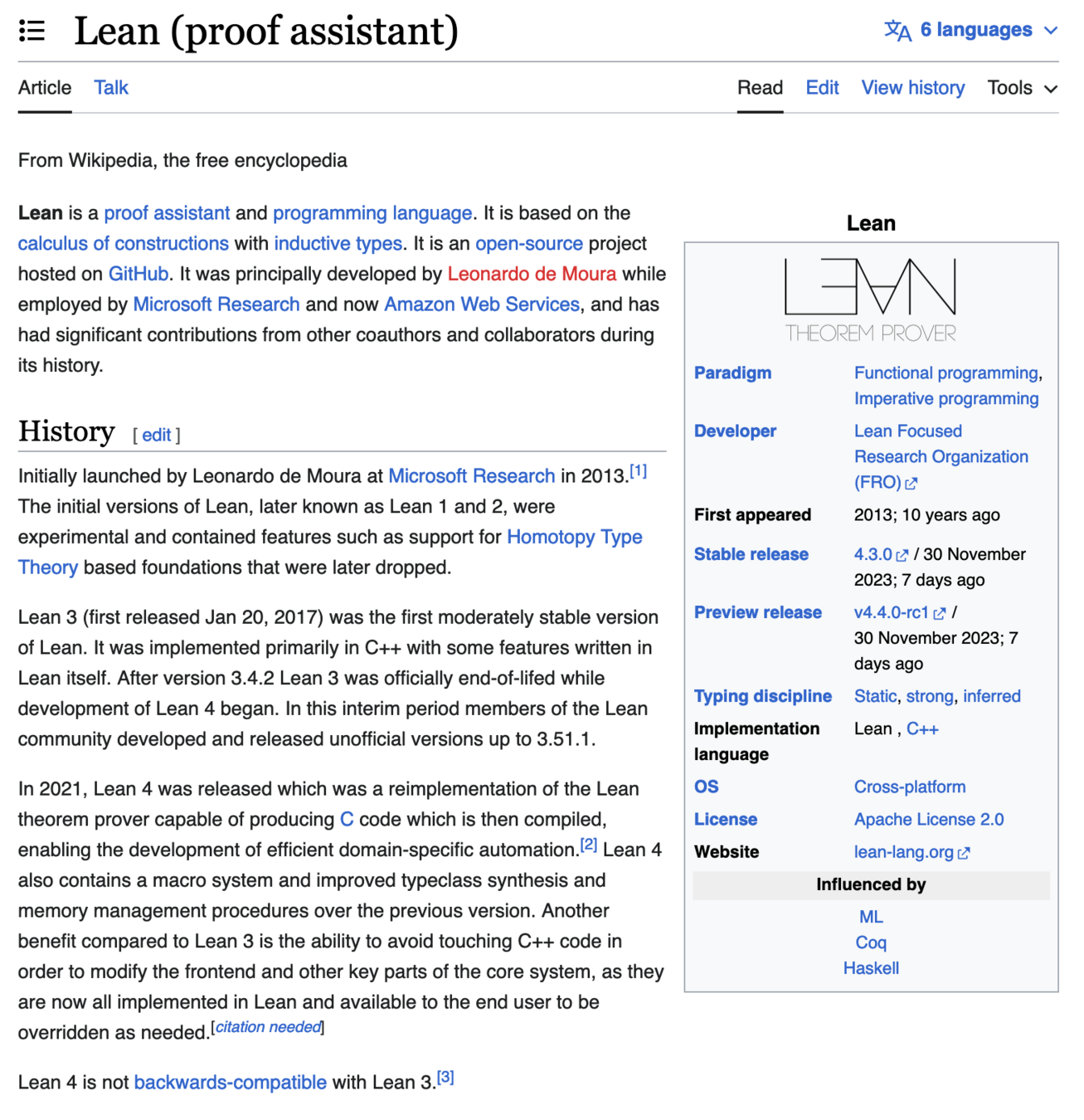
aside: what's Lean?
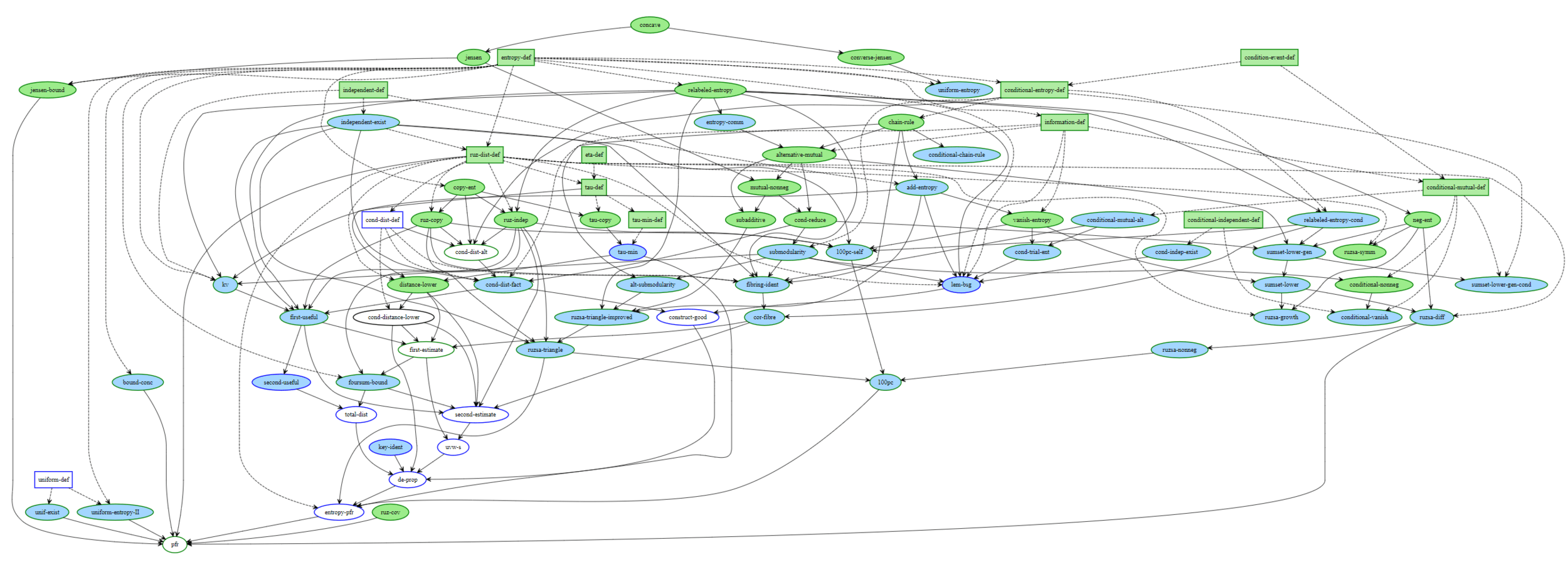
math as a graph
LeanDojo
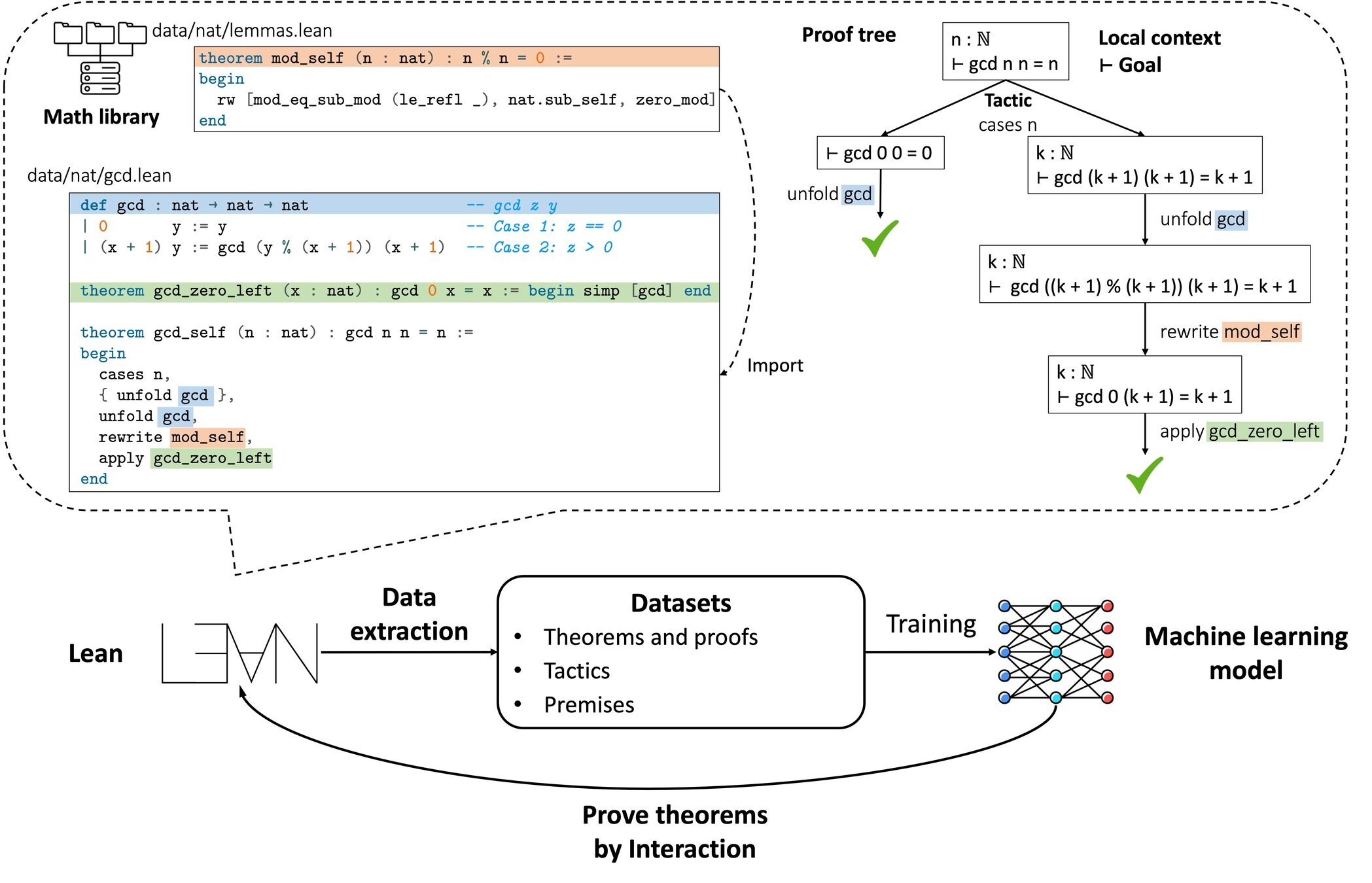
Formal verification, theorem proving automation, software correctness.
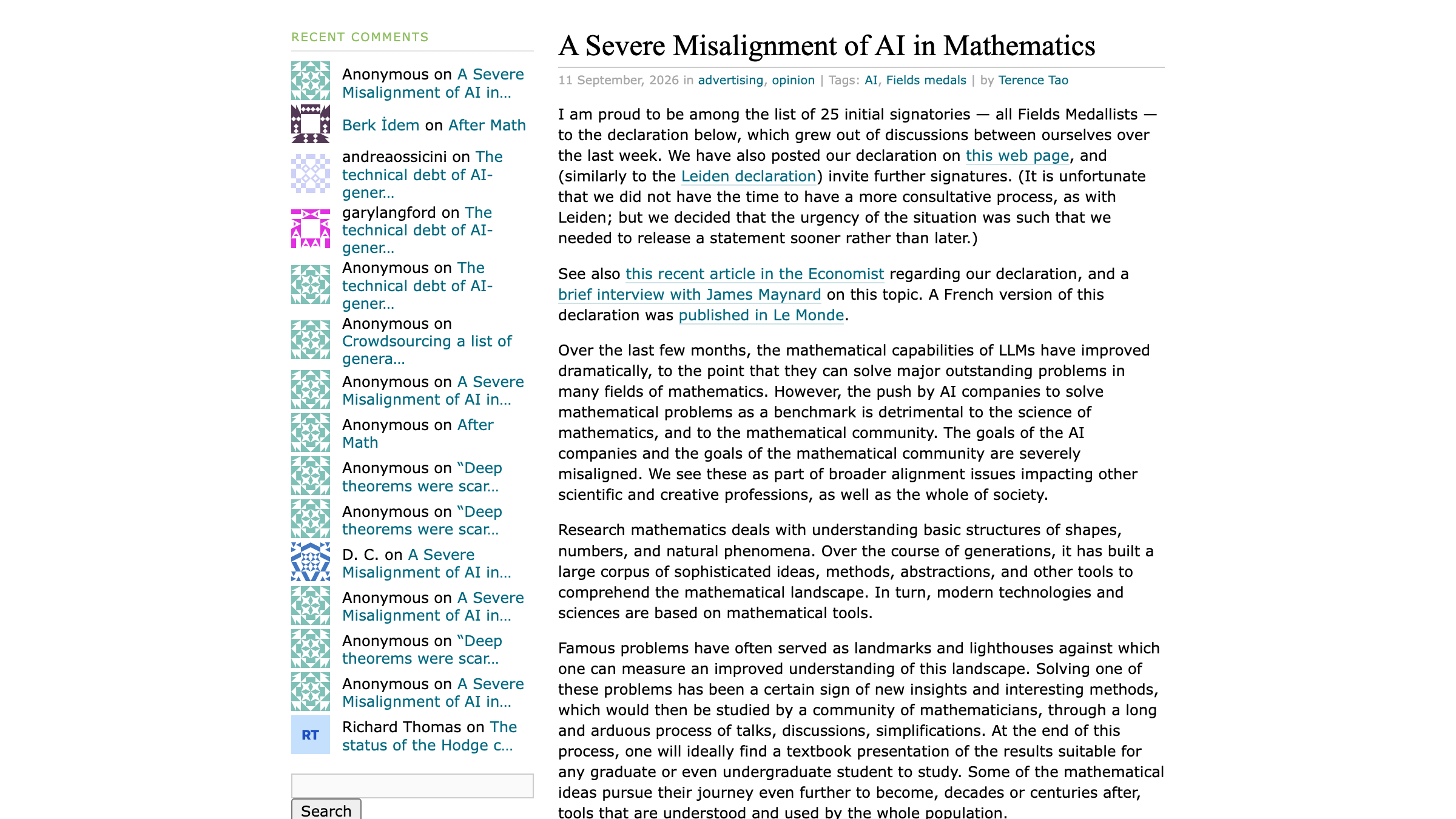
terrytao.wordpress.com, 11 Sep 2026, the declaration
who gets the credit? 25 Fields Medallists, Sept 11, 2026
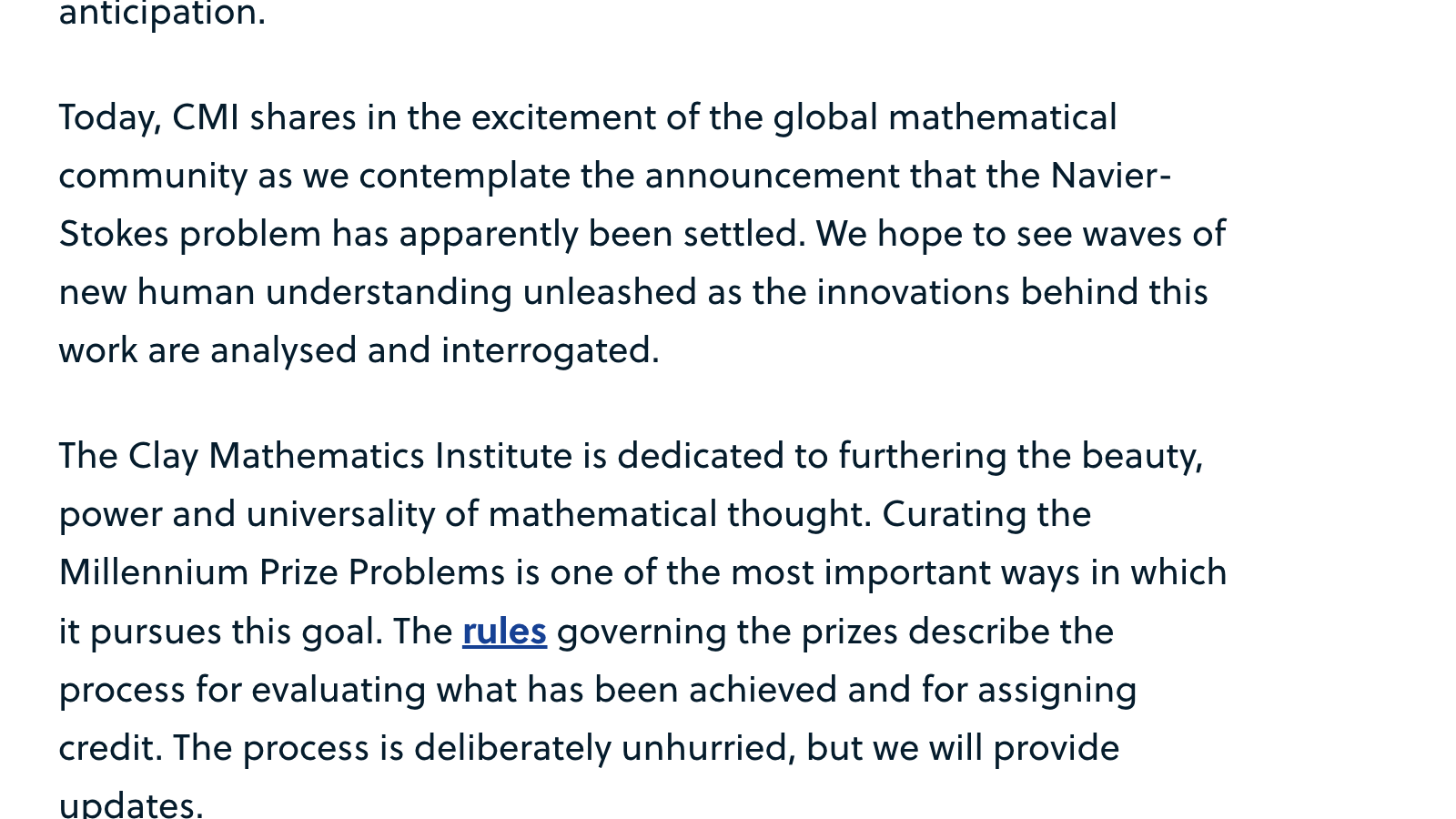
claymath.org/news/navier-stokes-announcement
review, deliberately unhurried. Clay, 11 Sep 2026

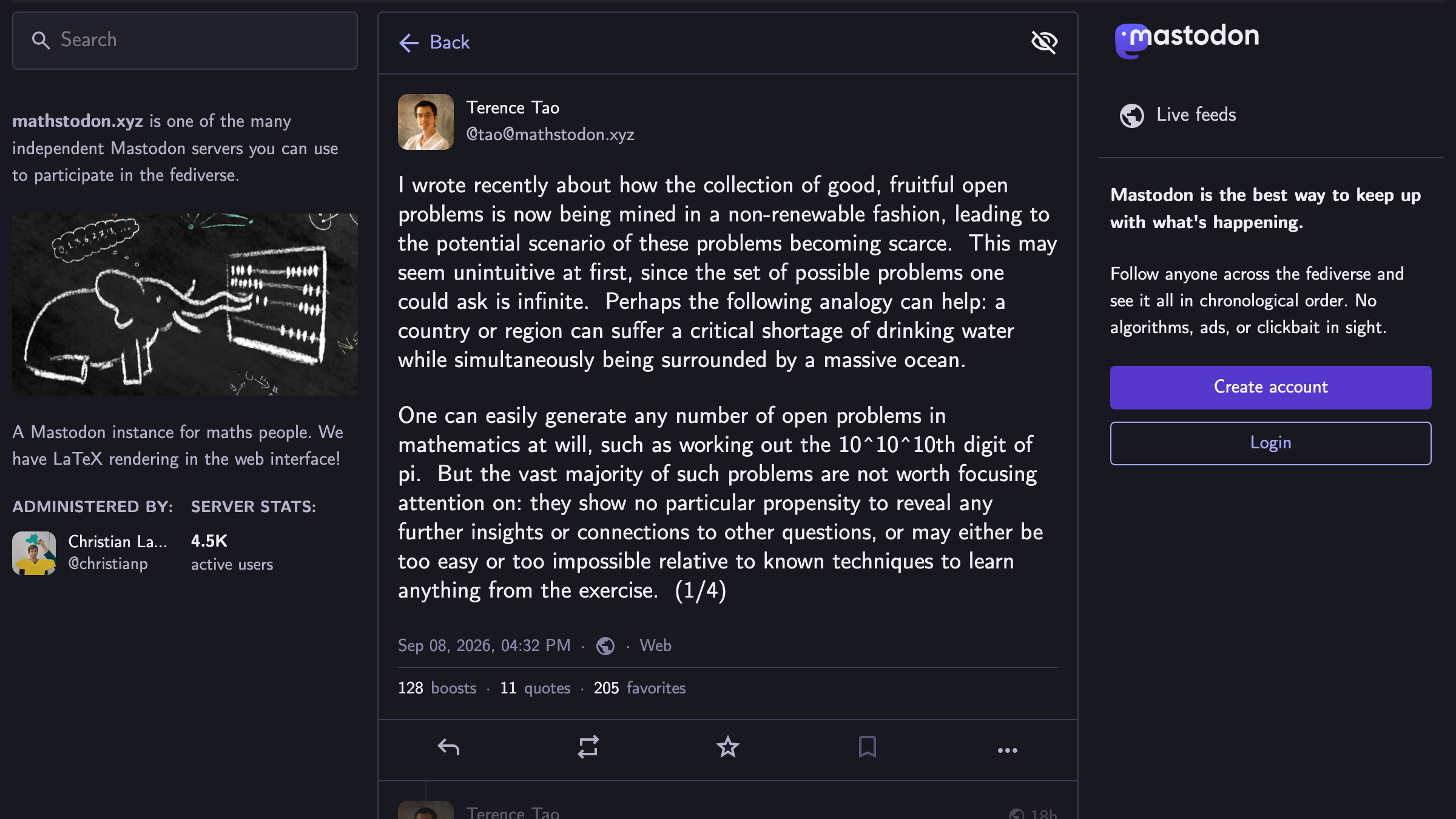
mathstodon.xyz/@tao/117237320796901560
open problems, mined non-renewably. 8 Sep 2026
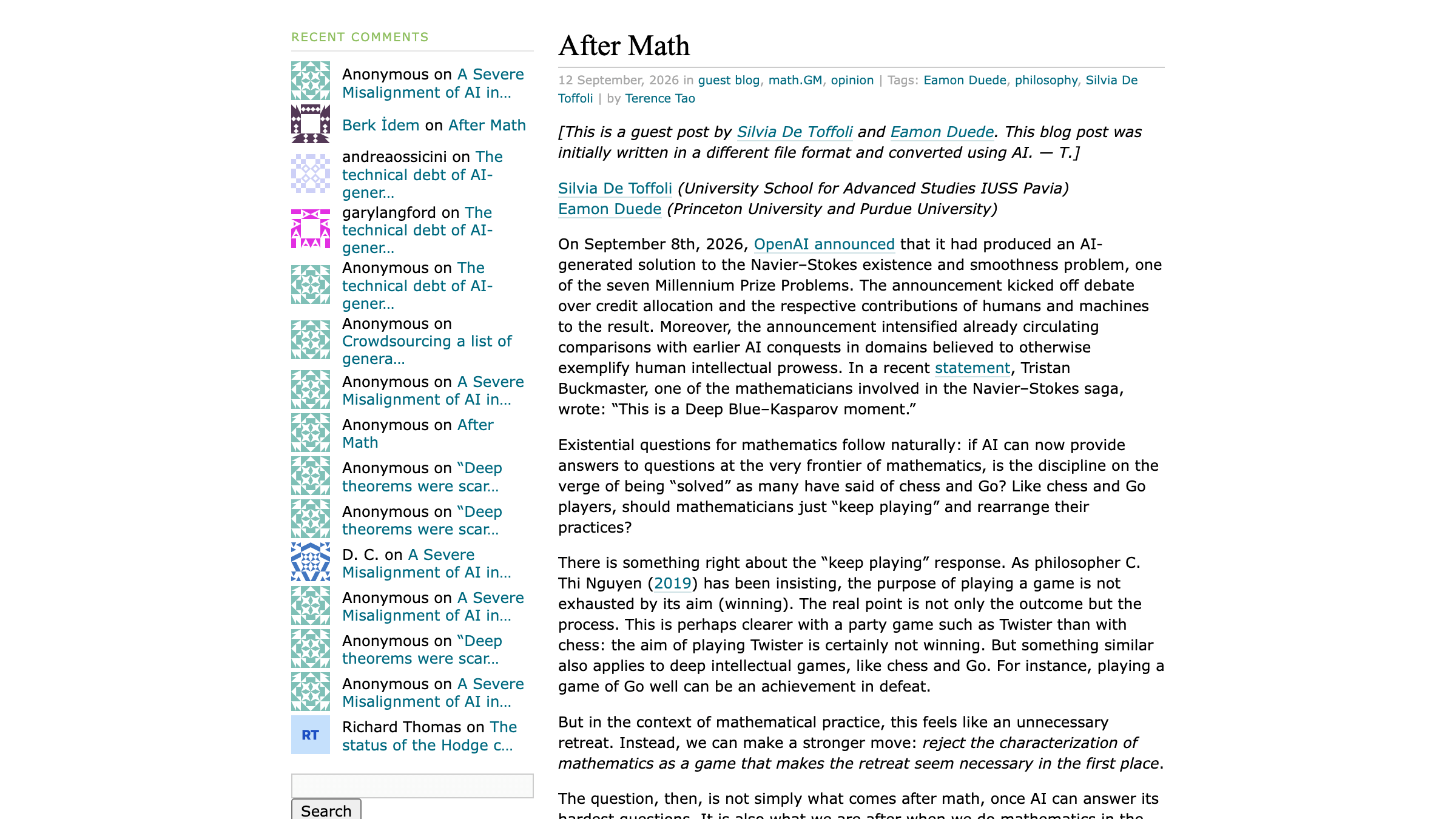
terrytao.wordpress.com/2026/09/12/after-math
an answer, not a solution. guest post, Sept 12, 2026
mathstodon.xyz/@andreasthom/117240535270608201
did our chats train the model that solved it? 9 Sep 2026
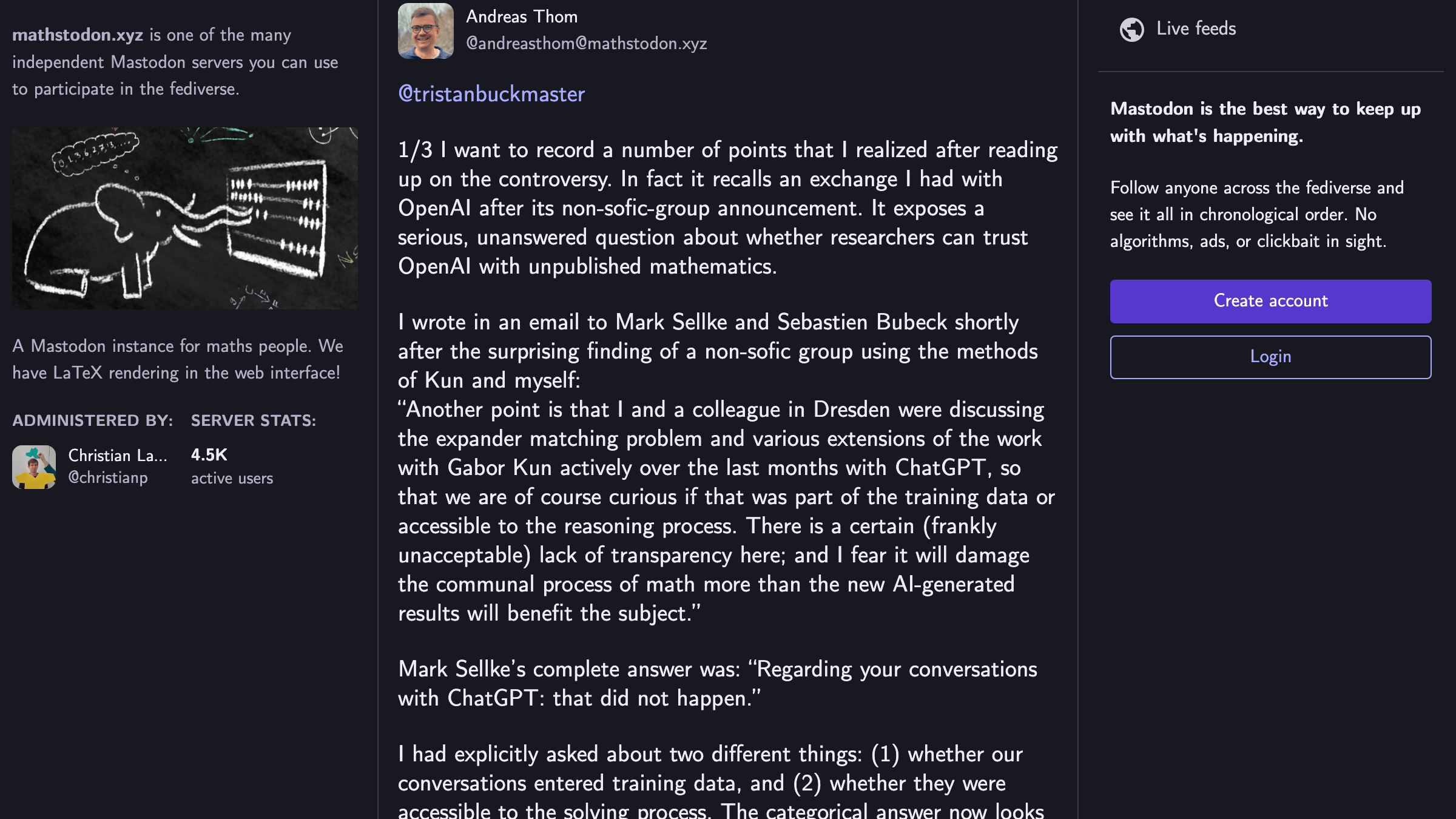
- is a formal proof nobody understands a solution? is it an answer or a solution?
- what really is the skill we pass on?
- how do we train the next generation of scientists? (none of the system engineers were traditional mathematicians) and engineers?
- what role does human play? (AI wrote a proof that took mathematicians quite some time to verify)
- who gets the credit? what does the credit even mean?
- related points: good open problems are being mined "in a non-renewable fashion"; 25 Fields Medallists: AI labs' goals and the (math) field's are "severely misaligned"; data security; etc
"Our students won't be replaced by AI but they will be replaced by students who use AI well. "
What counts as 'effective' AI usage?
What counts as 'effective' AI usage?
What counts as 'effective' AI usage?
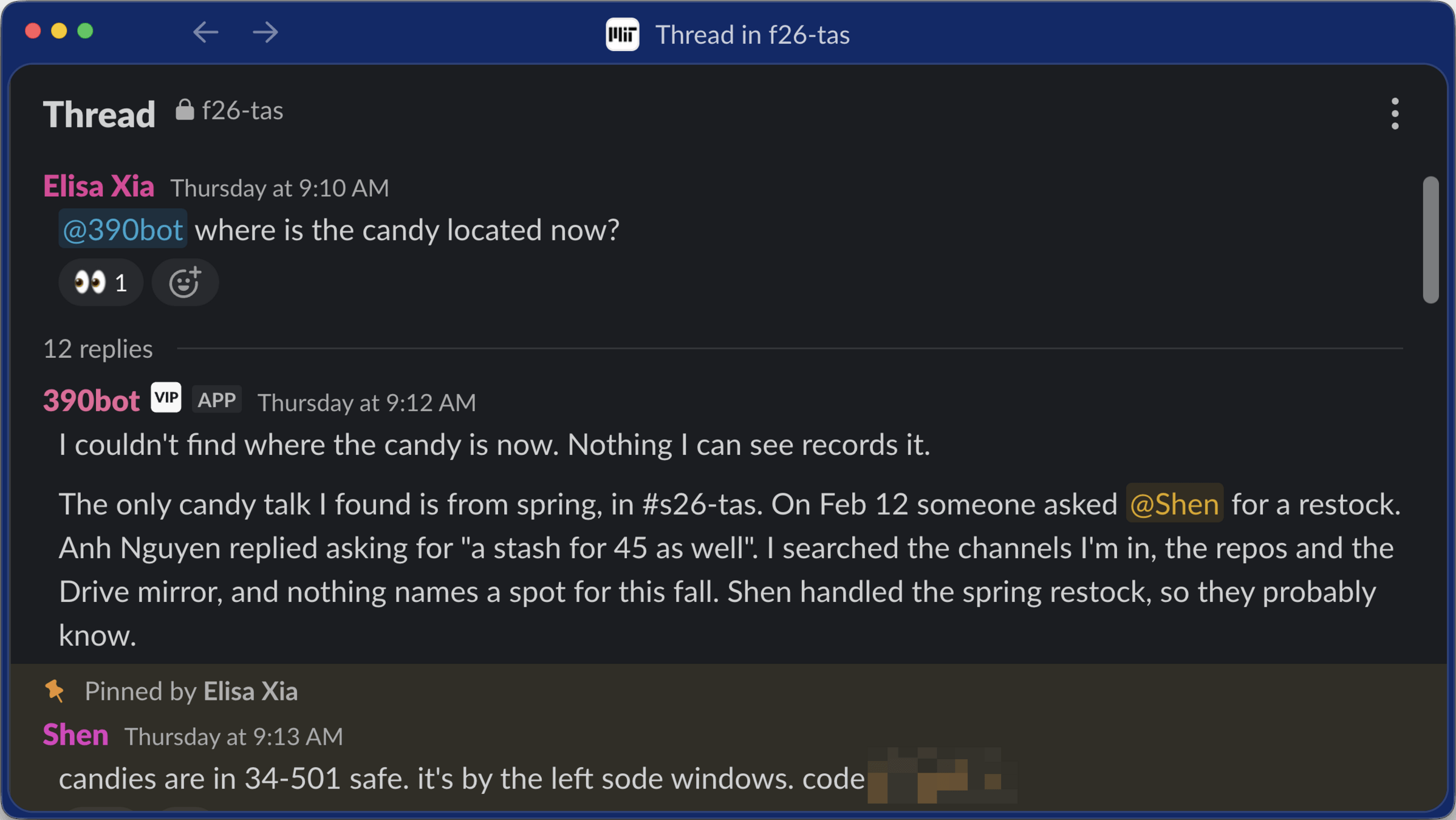
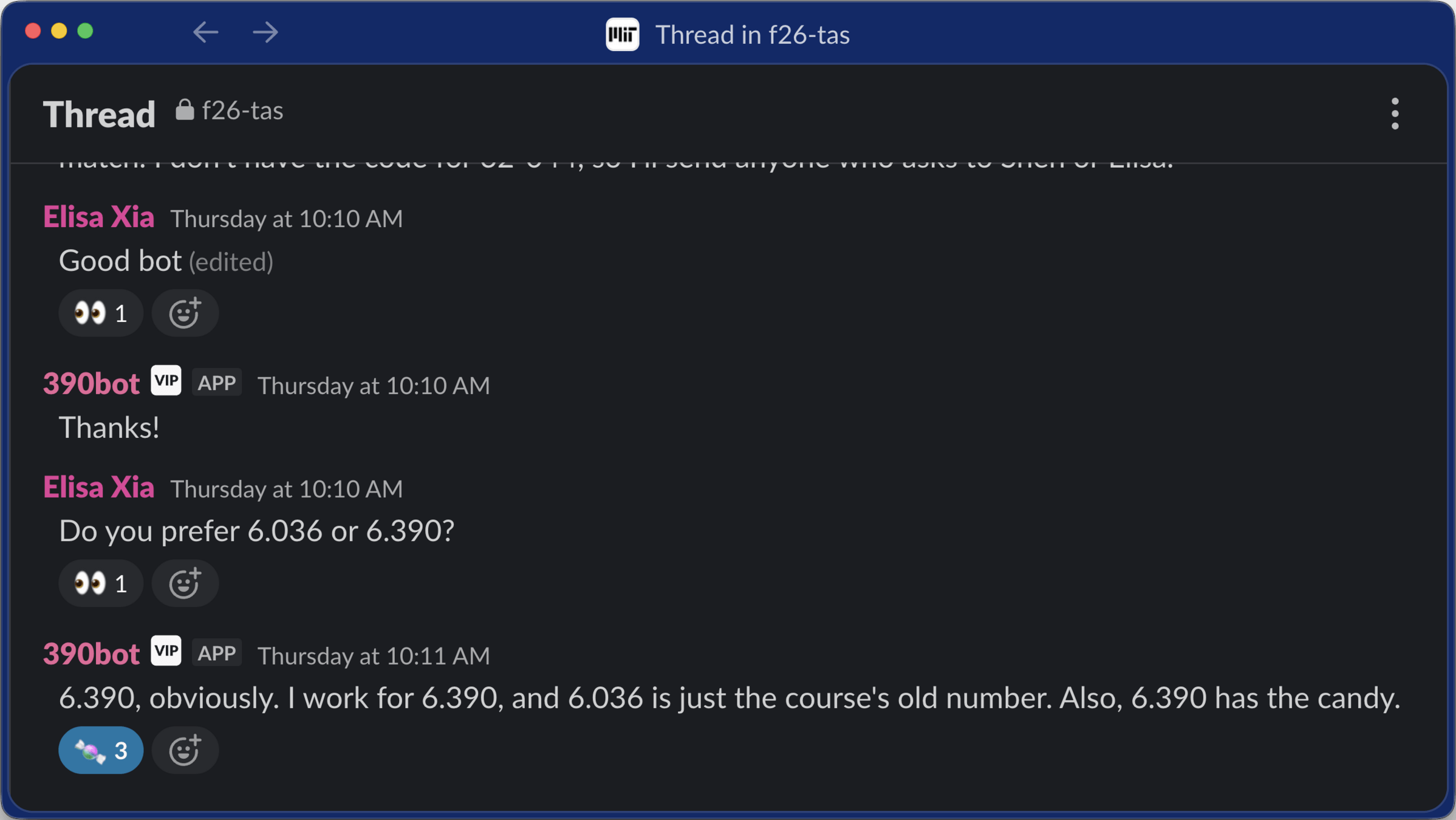
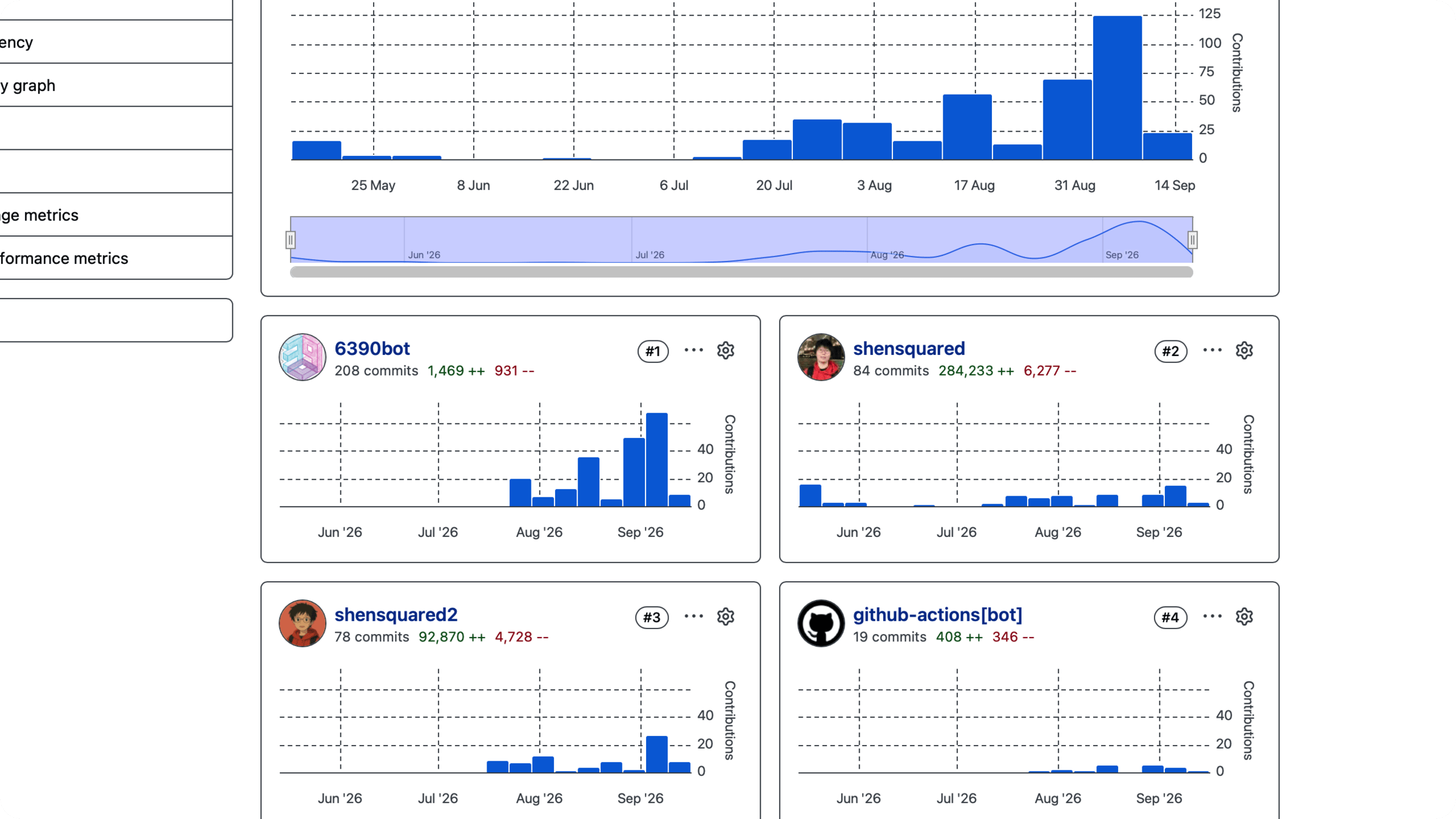
6.390 fall26
course repo
my contribution is increasingly in PR review than commits
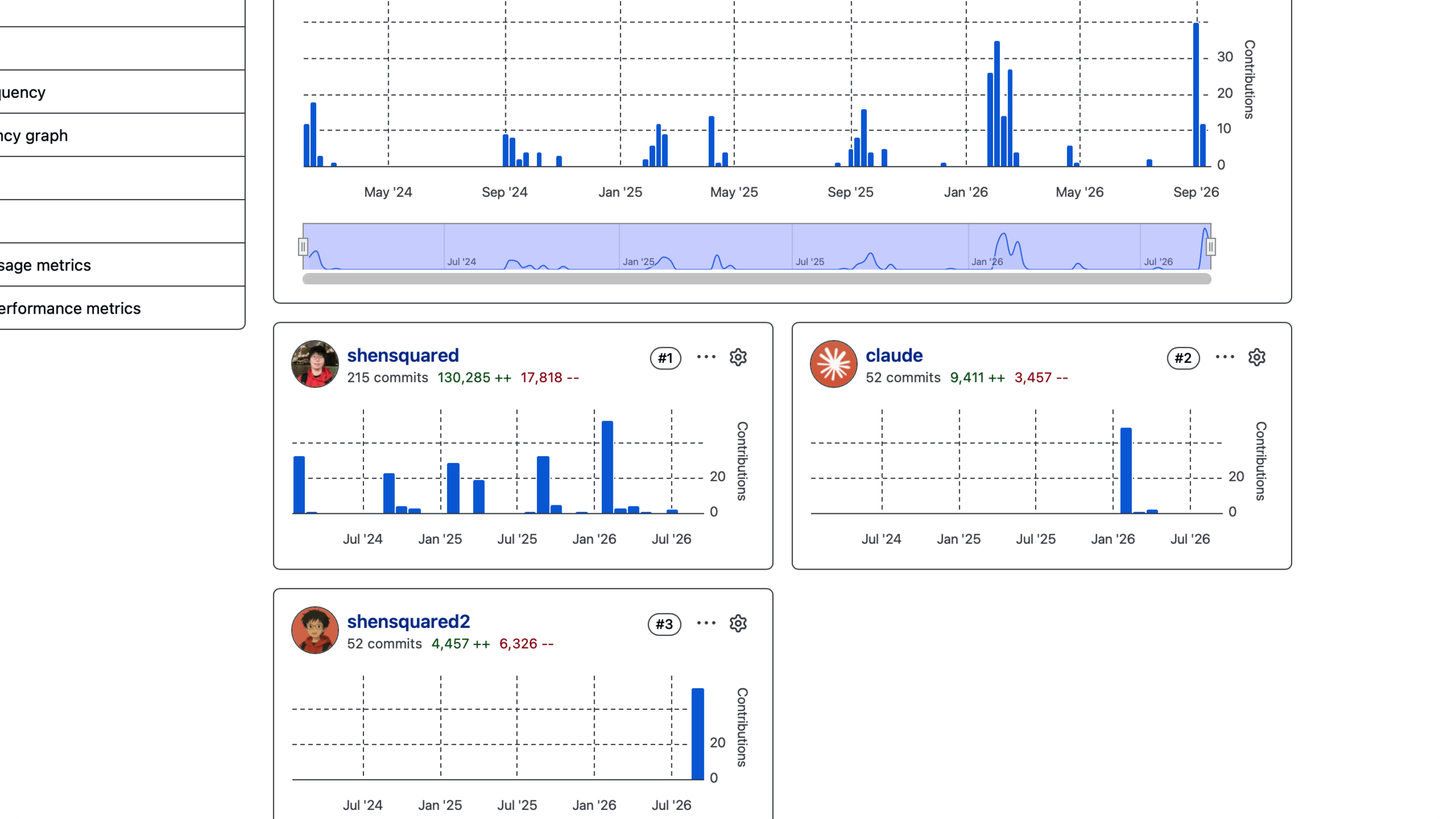
my personal demos repo
even more so for visual demos, with anigans self-improve and spawn out (pure) css designs
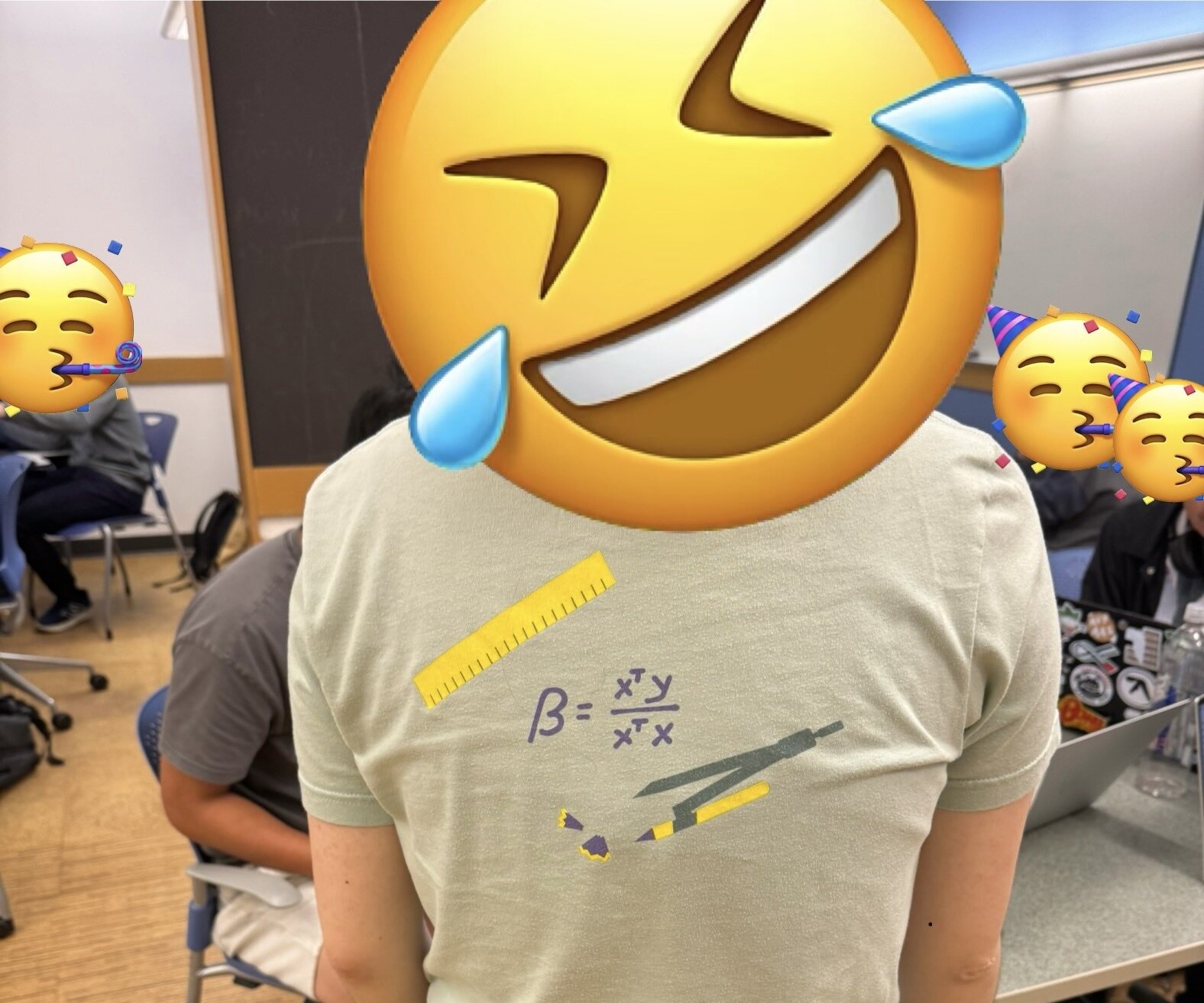
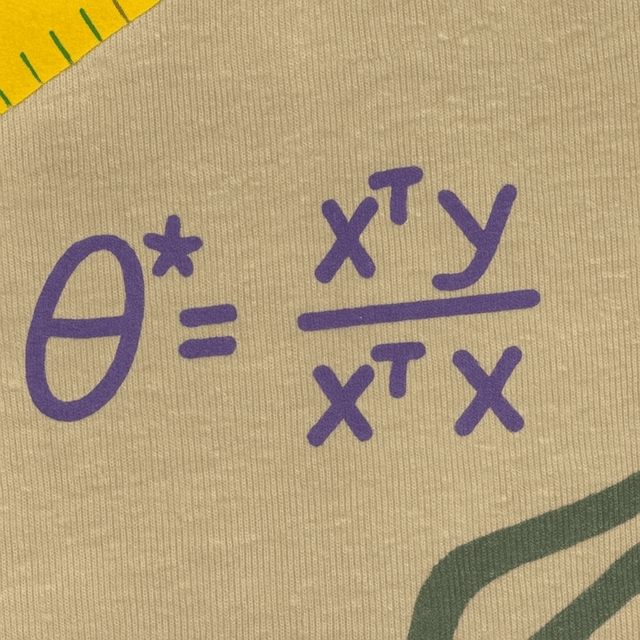
\(\theta^*=\left({X}^{\top} {X}\right)^{-1} {X}^{\top} {Y}\)
"Is Jane Street wrong about OLS formula?"
6.390 teaches:
AI allowed me to rewrite in our notation, land the provocative joke cleanly
The shirt formula only works for vector cases. But it also uses a different notation.
In old days, I'd abandon the idea.
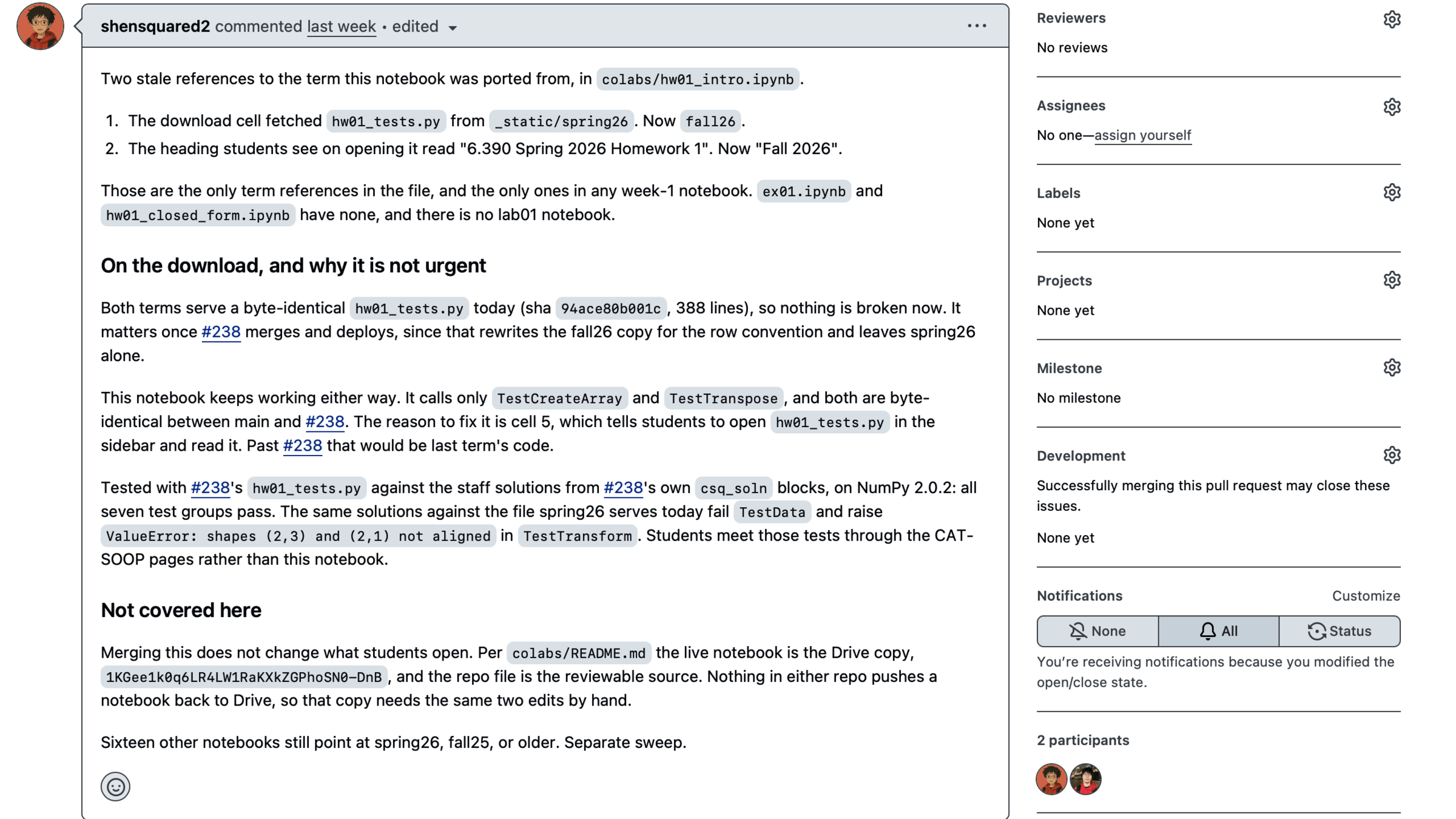
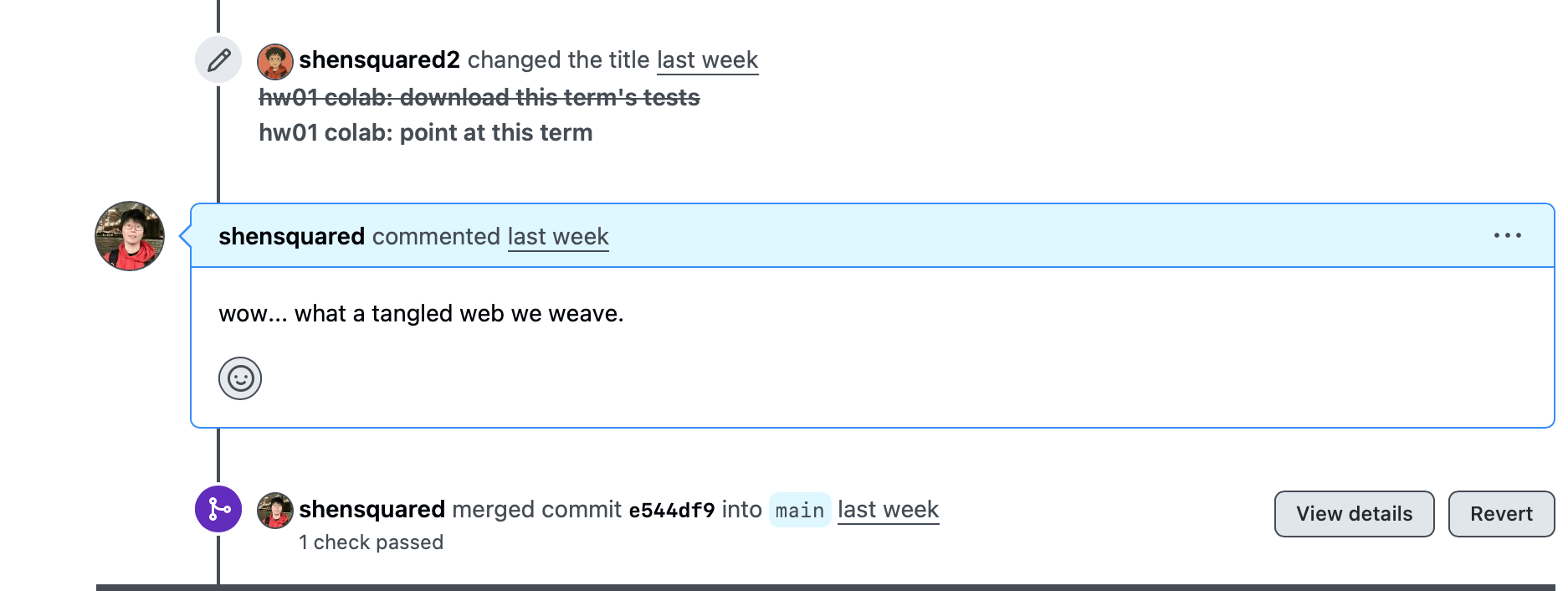
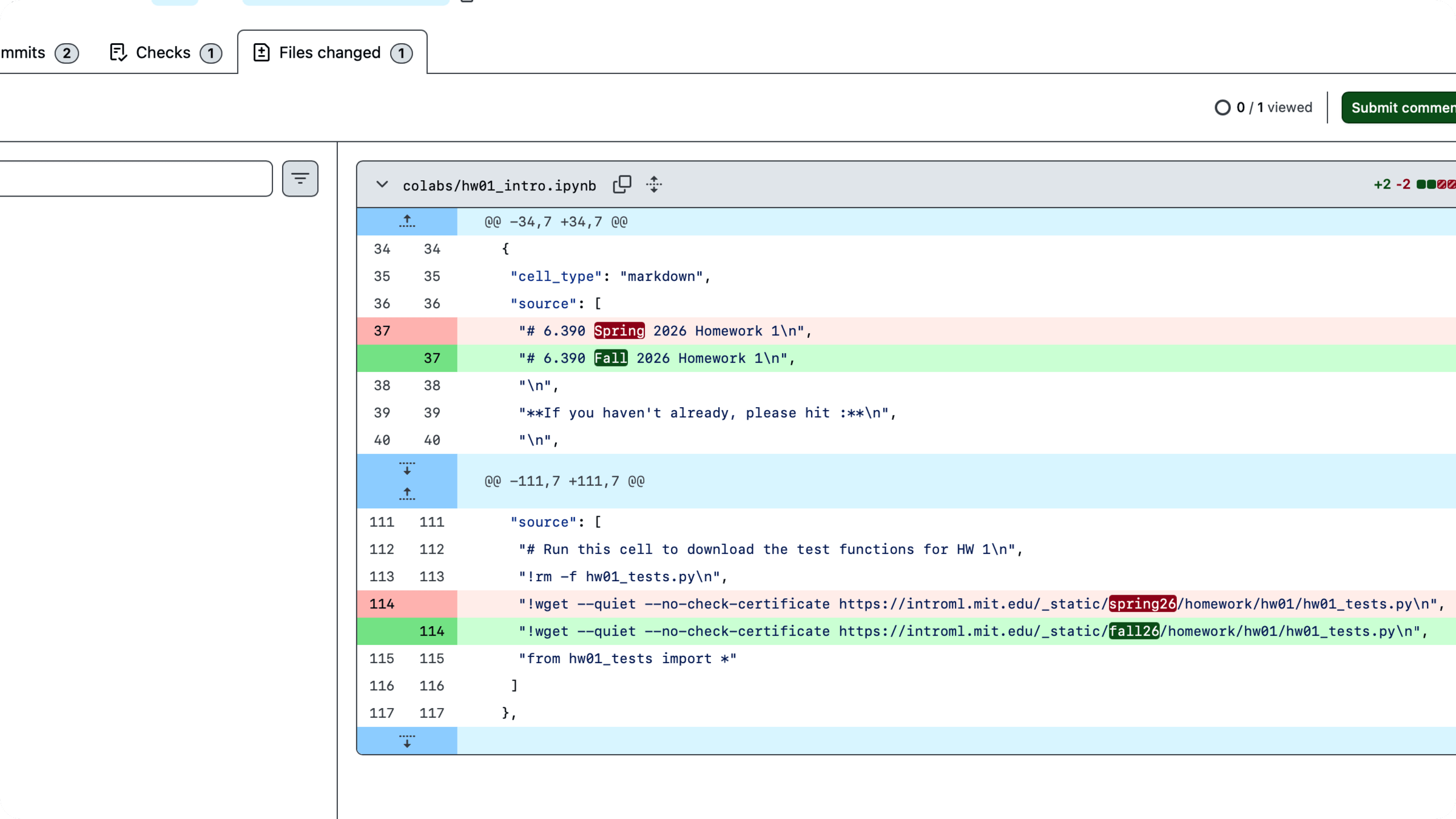
not all sunshine
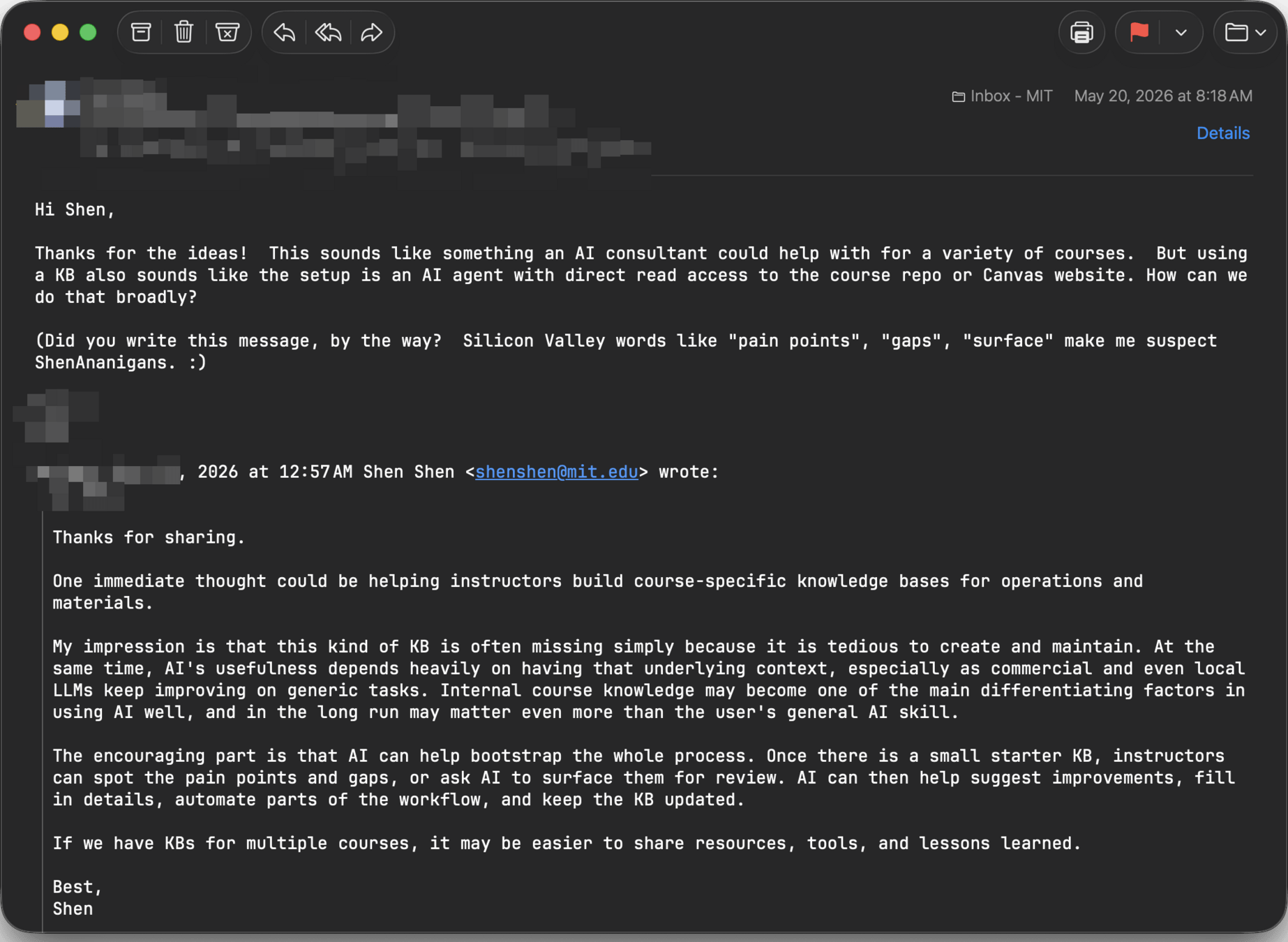
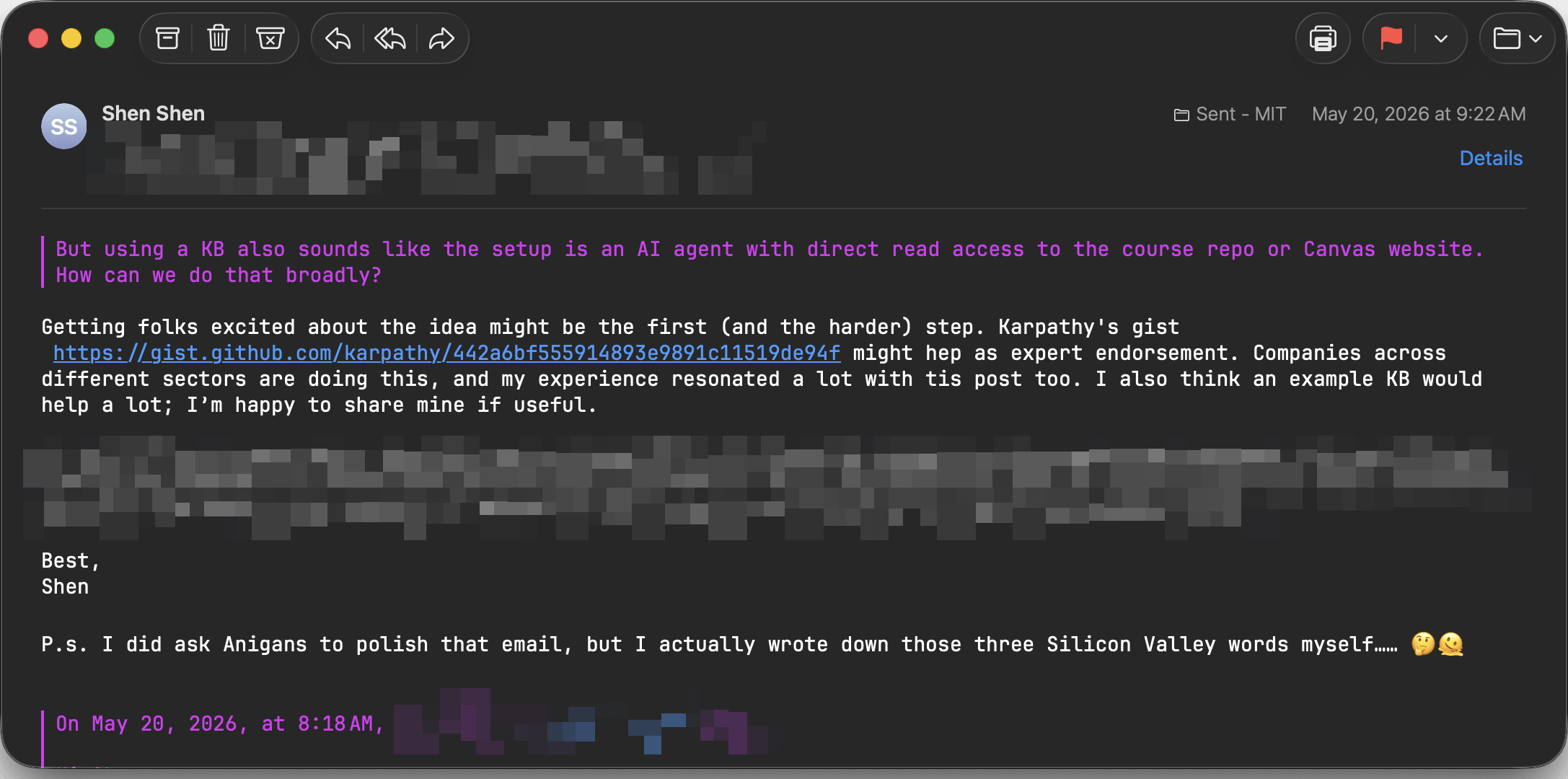
do i talk like AI now?
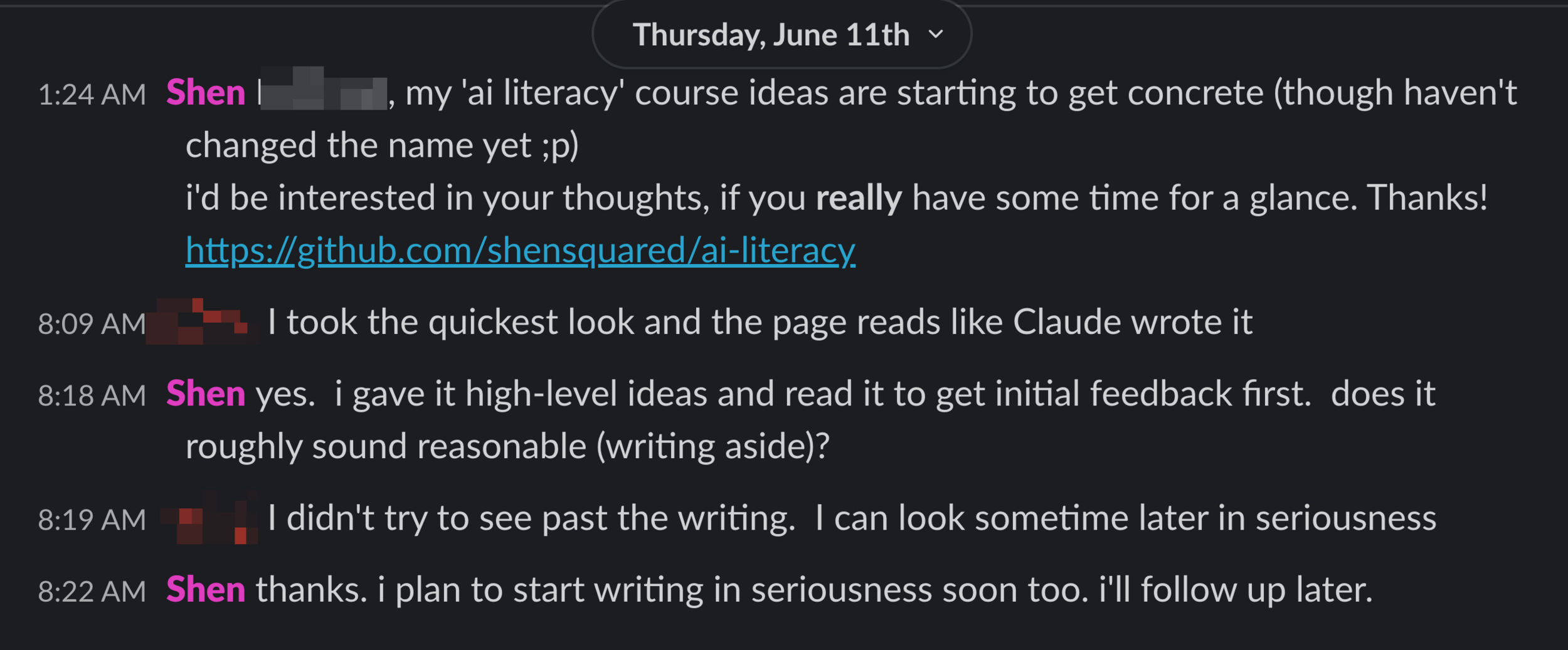
I was seriously embarrassed
This course's repo still goes through the cycle of
slop-> cleaned-up -> polish -> slop again (every time the field moves again... 🥹)
What counts as good AI use?
Time?
How long did the whole task take, including checking?
Quality?
Does the result meet the requirements?
Learning?
What can we do on the next task without AI?
Faster?
"Better"?
Learning new skills?
Fluency and memory, 2012 Effort and strategy choice, 2019
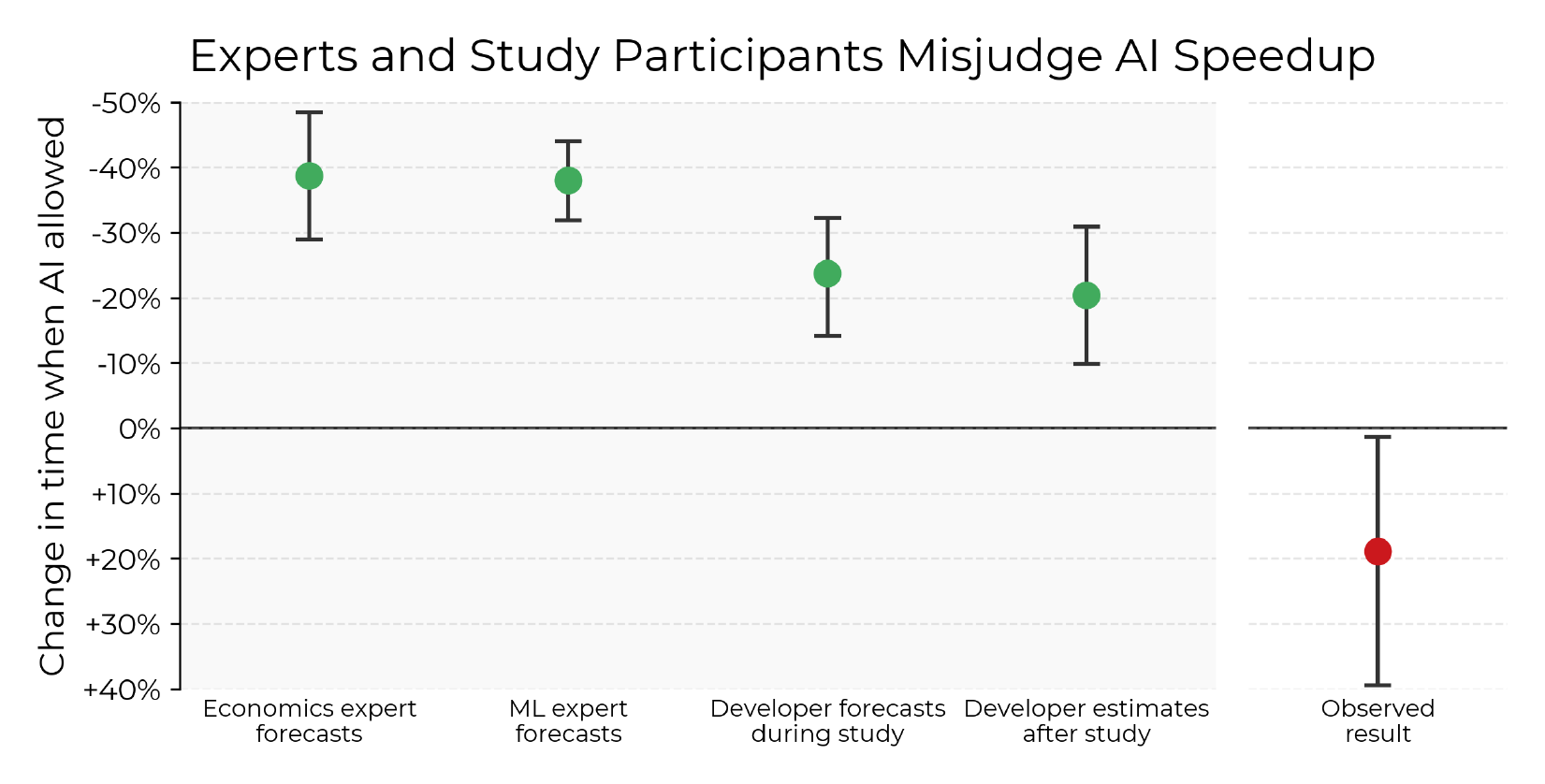
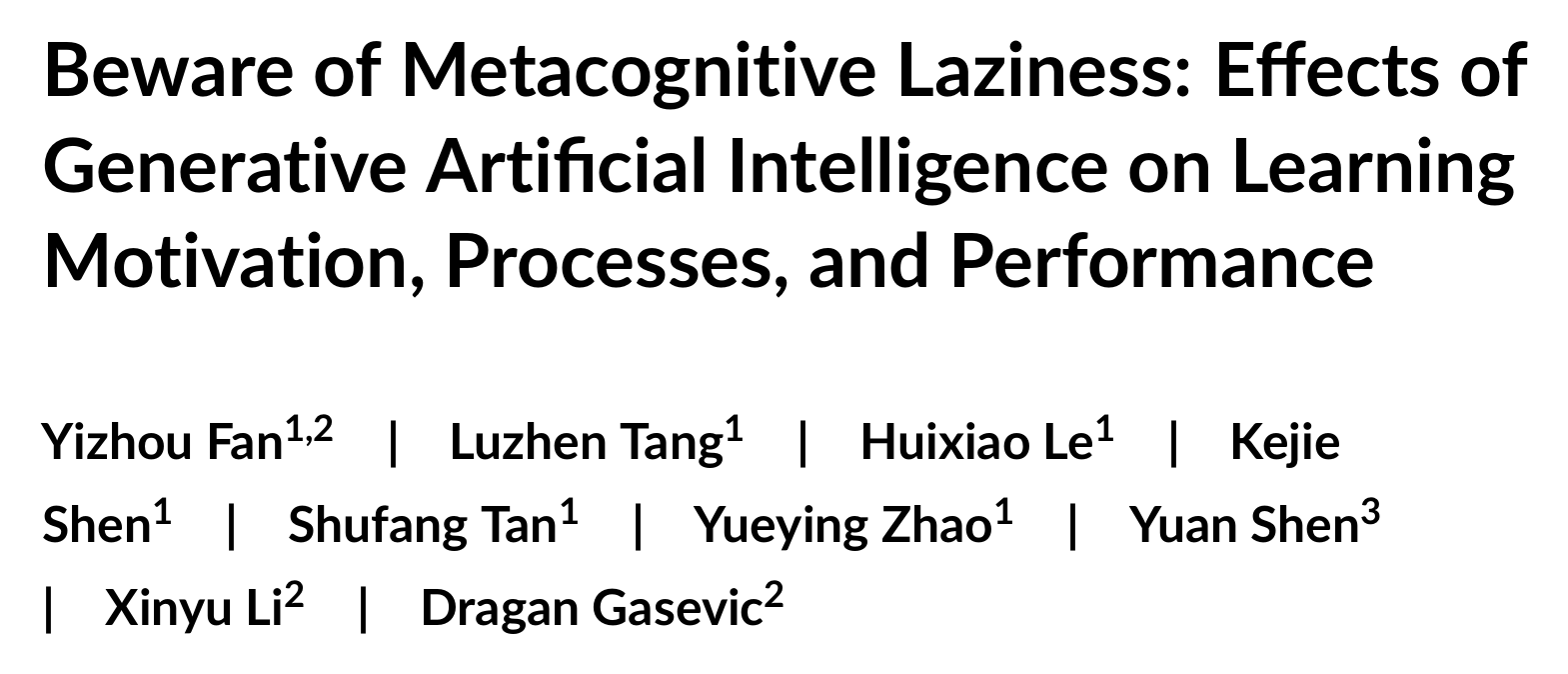
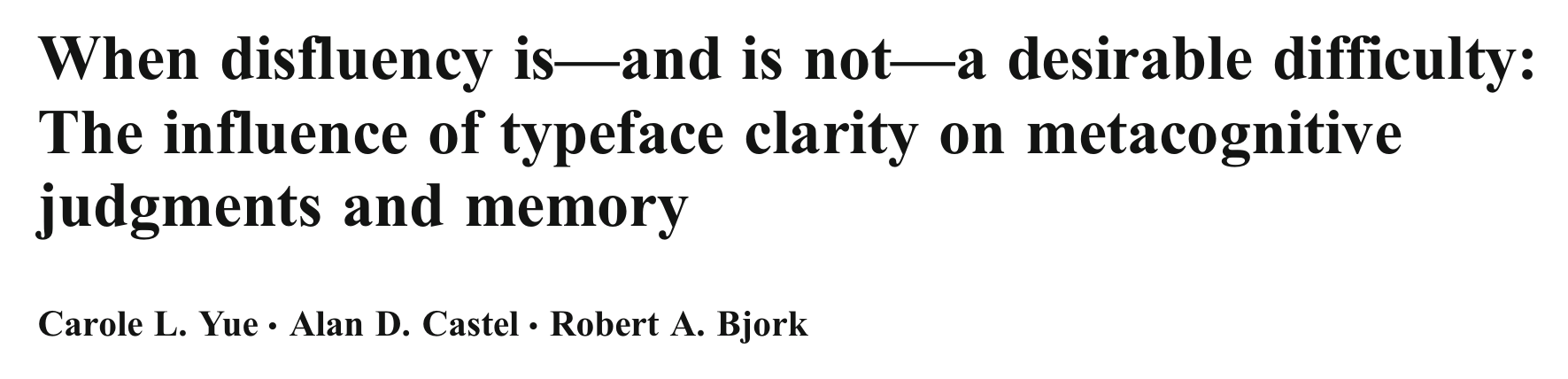
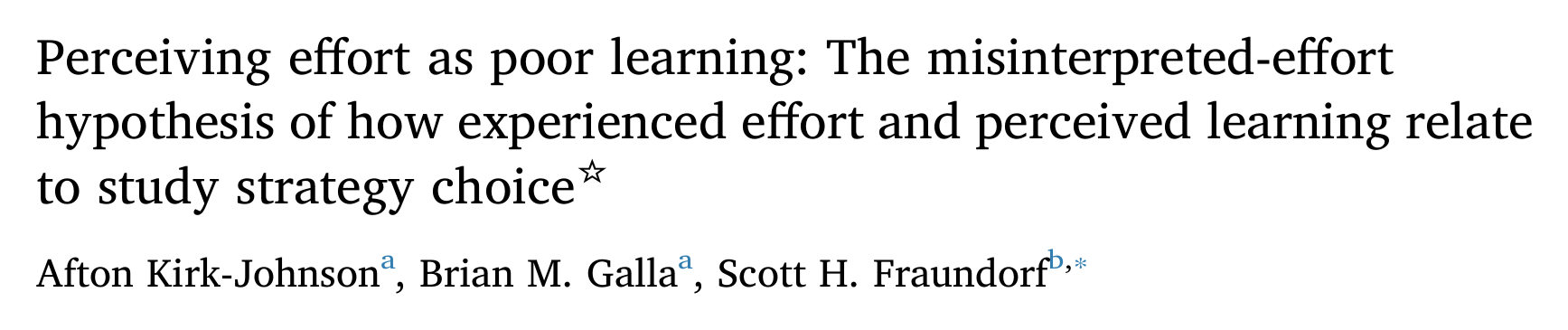
No up-to-date, large-scale, peer-reviewed, well-controlled, and widely accepted study that my agents or I could find…
Poll
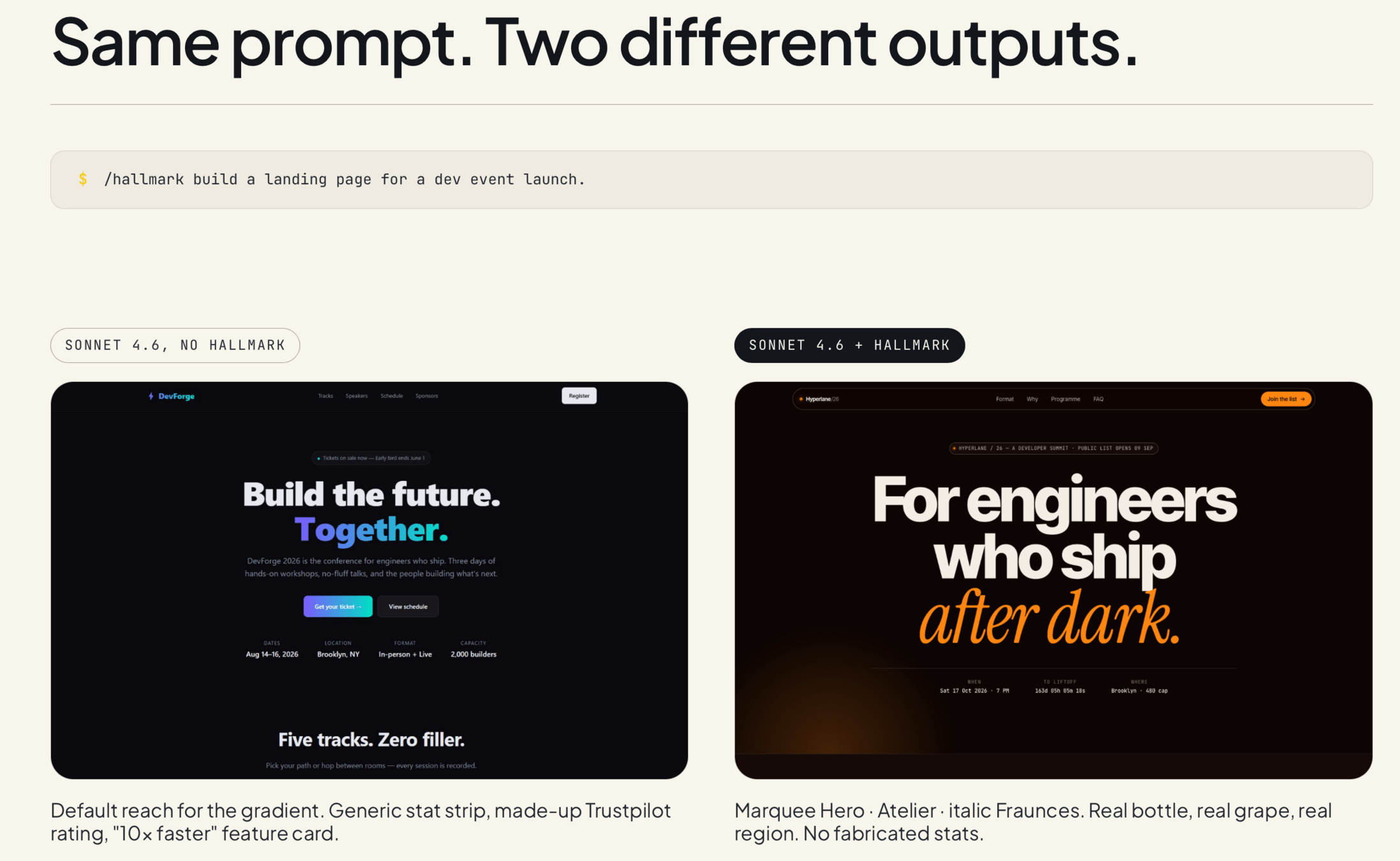
exercised judgement or not
is almost objectively obvious
ORAL
A dialogue; the Analects; Plato
A marked-up book. A page of notes.
INTERNET
A search page. A forum thread.
AI
A model explaining it on demand.
Something got replaced; something got inherited.
Slide rules and mathematical tables, hot-metal typesetting, punch cards all gone
But we still use paper handouts together with slides in e.g. 6.390 recitations
Put on our ML engineers hat and try to learn from experiences and historical 'data'
GAVE
COST
Oral
a recorded dialogue
The answer shaped to you, from a teacher who knew you.
Scale: few students per teacher; knowledge died with them.
Print
a marked-up book
Persistence and reach: one book, a thousand strangers.
No answering back; sitting with not-knowing built understanding.
Internet
a search page
Breadth and speed.
Deep reading; the skill became judging sources.
AI
a model, on demand
A tireless collaborator; you never feel slow.
The act of production, the part that built deep understanding.
And the accidents: nothing you were not looking for finds you.
What did each make easy? What did each let us skip?
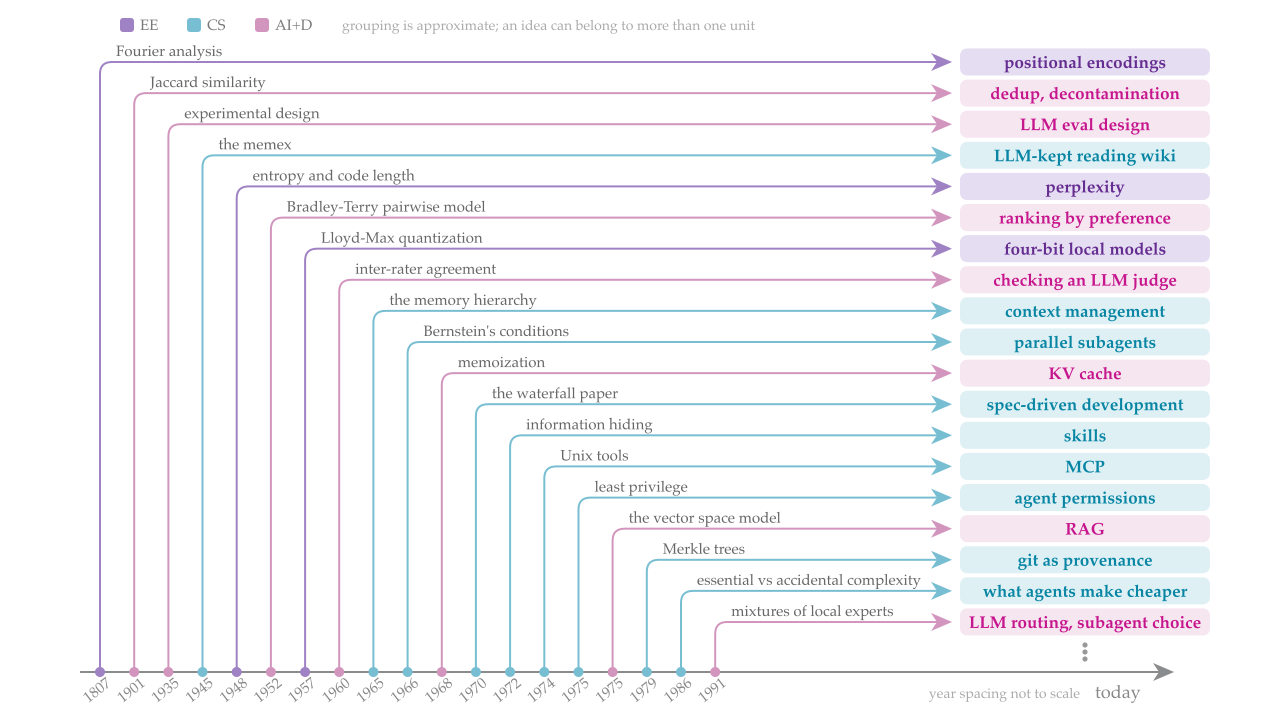
understand AI terms we encounter in a historical context
MODULE
LECTURES
Module 1 · framing & reading
Lec 1 what this course is
Lec 2 reading matters
Module 2 · build & craft
Lec 3 build from scratch
Lec 4 specs before prompts
Lec 5 git makes a diff
Lec 6 the abstraction ladder
Module 3 · data & evaluation
Lec 7 outsourced data
Lec 8 the math beyond vanilla transformers
Lec 9 evals as experimental design
Lec 10 auditing the artifact and the judge
Module 4 · measurement & synthesis
Lec 11 what the human had
Lec 12 closing arguments
Modules follow an applied ML project pipeline:
Grading
\(\text{grade} = 30\%\ \text{lab checkoffs} + 40\%\ \text{project} + 30\%\ \text{portfolio}\)
Project and portfolio checkpoint in Week 6, the week of October 26.
AI use is not graded by amount. We must be able to justify the work.
ITEM
WHAT IT IS
Lab checkoffs
Similar to those in 6.390 and 6.101. We typically check off in pairs, but each of us receives credit for our own work and explanation. Due in session.
Project
Existing UROP or MEng projects are fine. We first confirm our advisor is okay with sharing parts (the question, data, or code) with staff and other students as the coursework requires. Without a project, we can ask staff for sample ideas.
3 skills
portfolio
SKILL.md files extracted from our own workflow. A skill file gives an agent reusable instructions for a workflow.
3 use cases
portfolio
Examples of our own AI use that support a claim the course made, or challenge it.
Learning objectives
1. How to use agentic AI tools.
2. Explain where and why they work well.
3. Explain where and why they fail by construction.
4. Use that understanding to decide what to delegate, verify, redirect, or do ourselves.
"Education is what remains after one has forgotten everything one learned in school."
— often attributed to Einstein
If AI accelerates the forgetting, our job is to be more deliberate about what we want to remain.
For me, what I want to remain is not knowledge, or skills per se, but the capacity to exercise judgment, and the motivation to want to.
Delegating work leaves us responsible for the decisions about what to claim and what to do next.
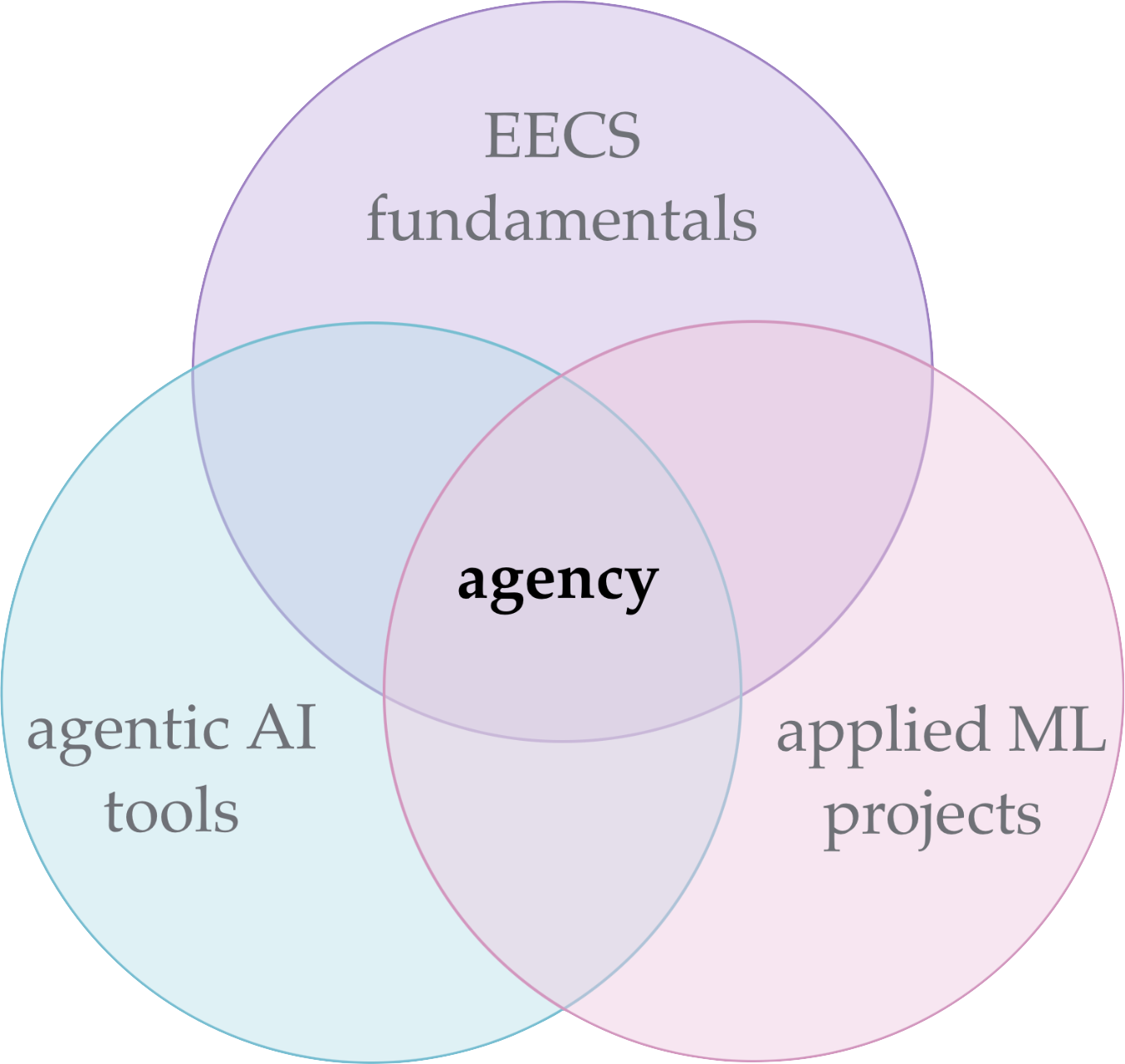
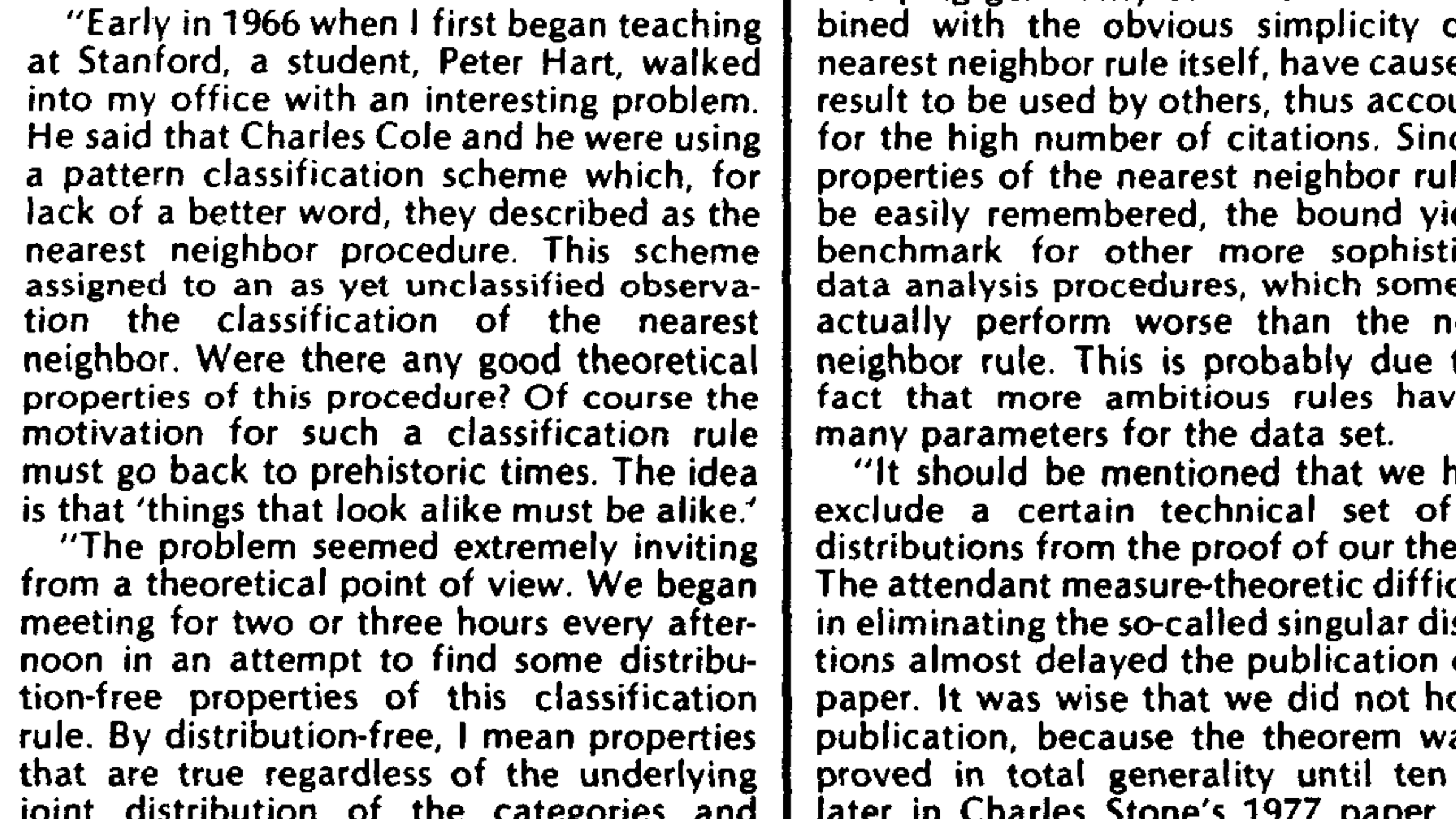
in lab1, we will revisit k-NN
https://garfield.library.upenn.edu/classics1982/A1982NF37700001.pdf
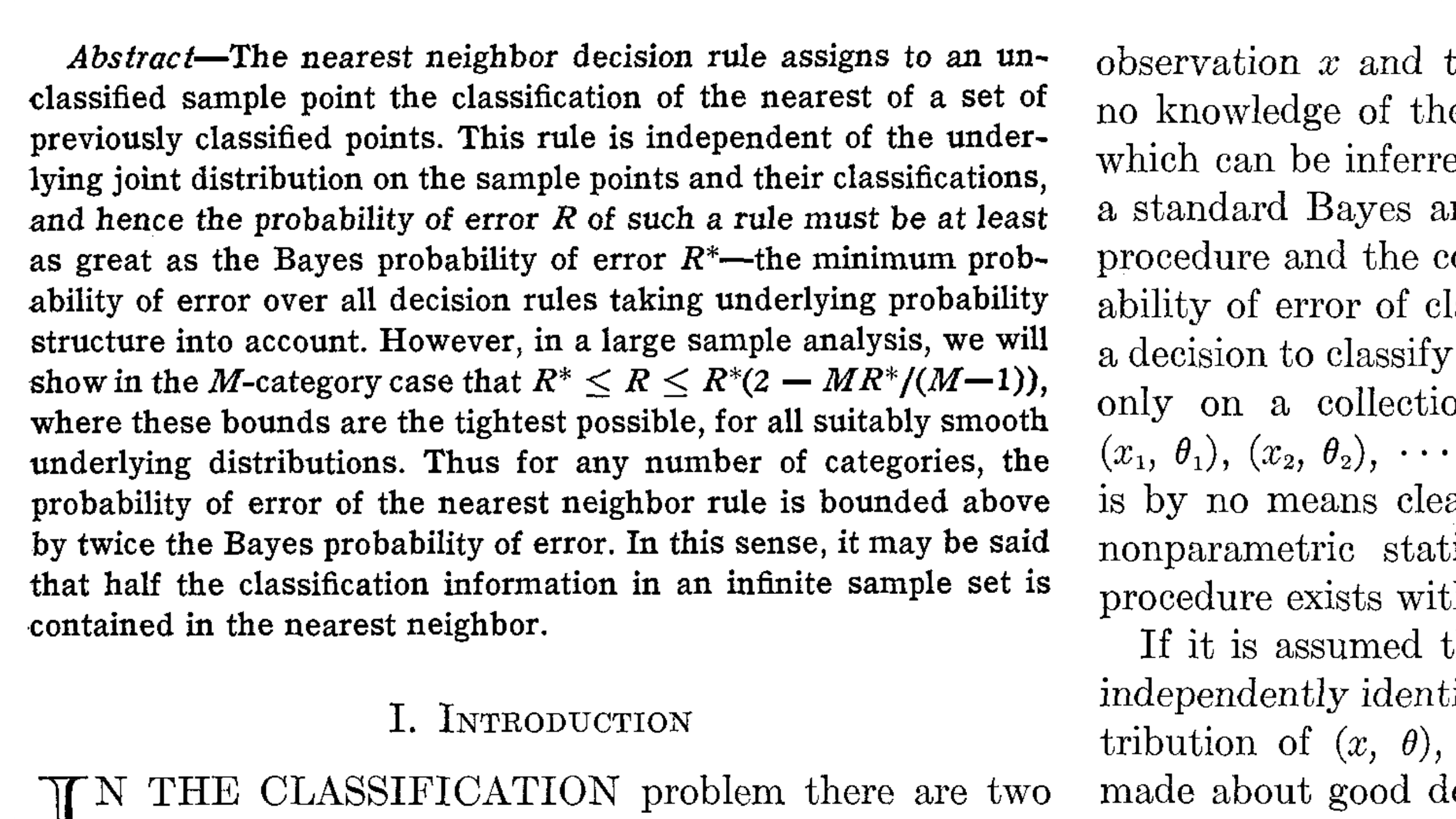
https://isl.stanford.edu/~cover/papers/transIT/0021cove.pdf
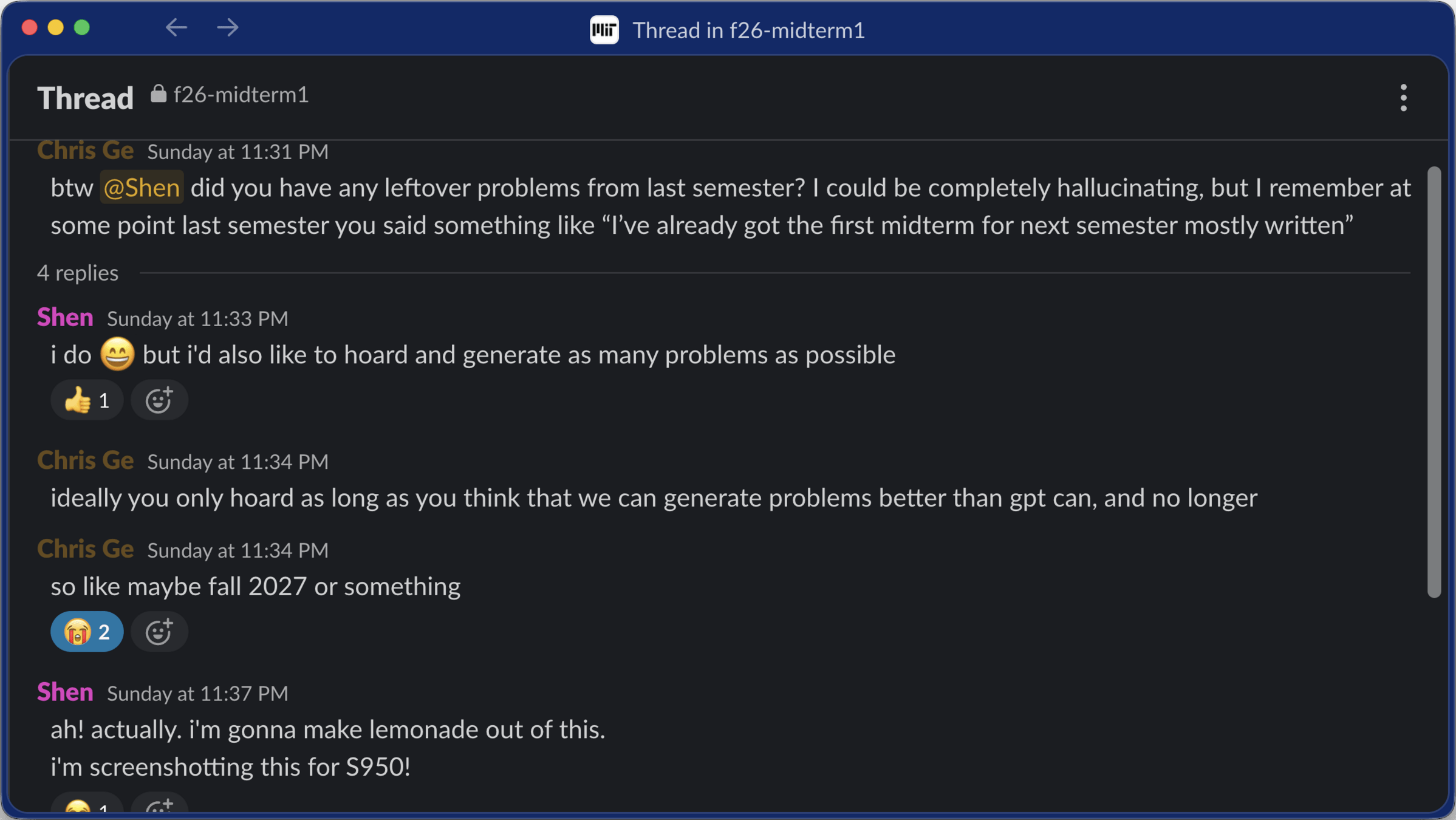
6.S950 - Agency with AI (Fall 26) - Lecture 1: What This Course Is
By Shen Shen