


federica bianco PRO
astro | data science | data for good
federica b. bianco
she/her
University of Delaware
Department of Physics and Astronomy
Biden School of Public Policy and Administration
Data Science Institute
Speaking as myself, my views, my opinions
federica b. bianco
she/her
what's in a name?
what's in a name?
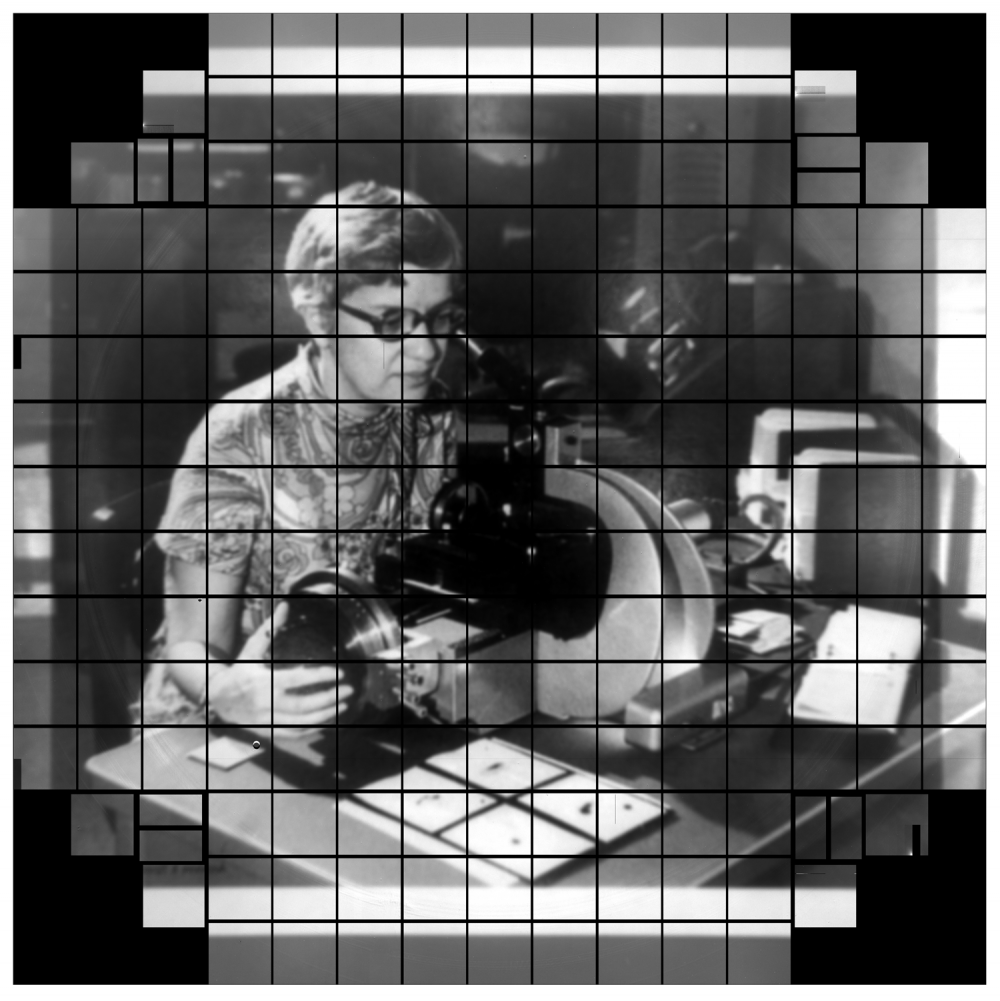
The first ground-based national US observatory named after a woman, Dr. Vera C. Rubin
what's in a name?
The first ground-based national US observatory named after a woman, Dr. Vera C. Rubin
Rubin
Observatory
LSST
DA
LSST
SCs
Rubin EPO
Rubin
Observatory
LSST
DA
LSST
SCs
Rubin EPO
Rubin
Observatory
LSST
DA
LSST
SCs
Rubin EPO
We have all the ingredients to engage people in astrophysics, in science, in critical thinking
Astronomy is a gateway to sciene
Open Data Policies to enable access
Scientific advances are never just technical — they are sociotechnical
Tied to social arrangements, organization, and ethics
The notion of moral economy puts forward two concerns for consideration: an economy in which resources are developed and exchanged, and the moral reasoning by which people form expectations and make decisions about proper distribution of those resources.
All Eyes on Rubin
In an era of data abundance, a new moral economy is emerging
Tanweer et al. 2026 (hopefully)
Nature Perspectives - in editorial review
Anissa Tanweer is a Senior Social Scientist at the eScience Institute, an Affiliate Faculty member in the Department of Communication
The astronomy community is optimistic that Rubin’s abundant data and broad data access policies have the potential to further the “democratization”16 of the field, meaning that “first-rate discoveries” no longer depend upon “privileged access” but can be made by anyone with scientific “talent” across a wide range of research areas, realizing untapped human potential and releasing a flood of science
Tanweer+2026
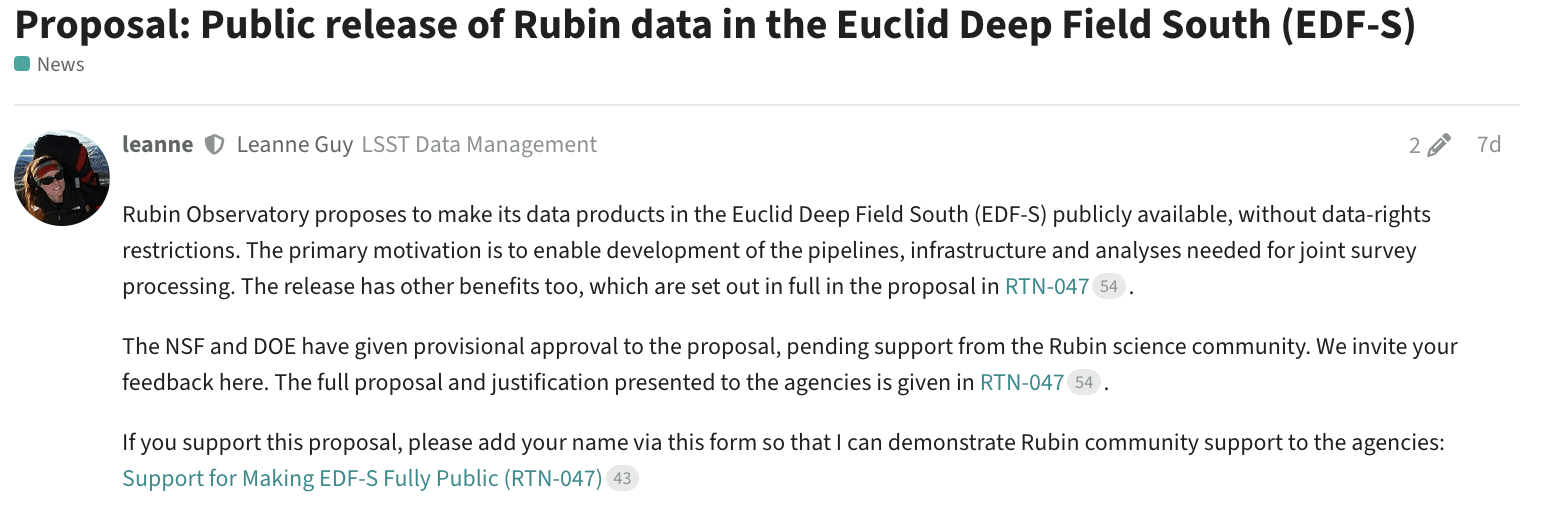
Democratized data access
Near-OPEN DATA POLICY
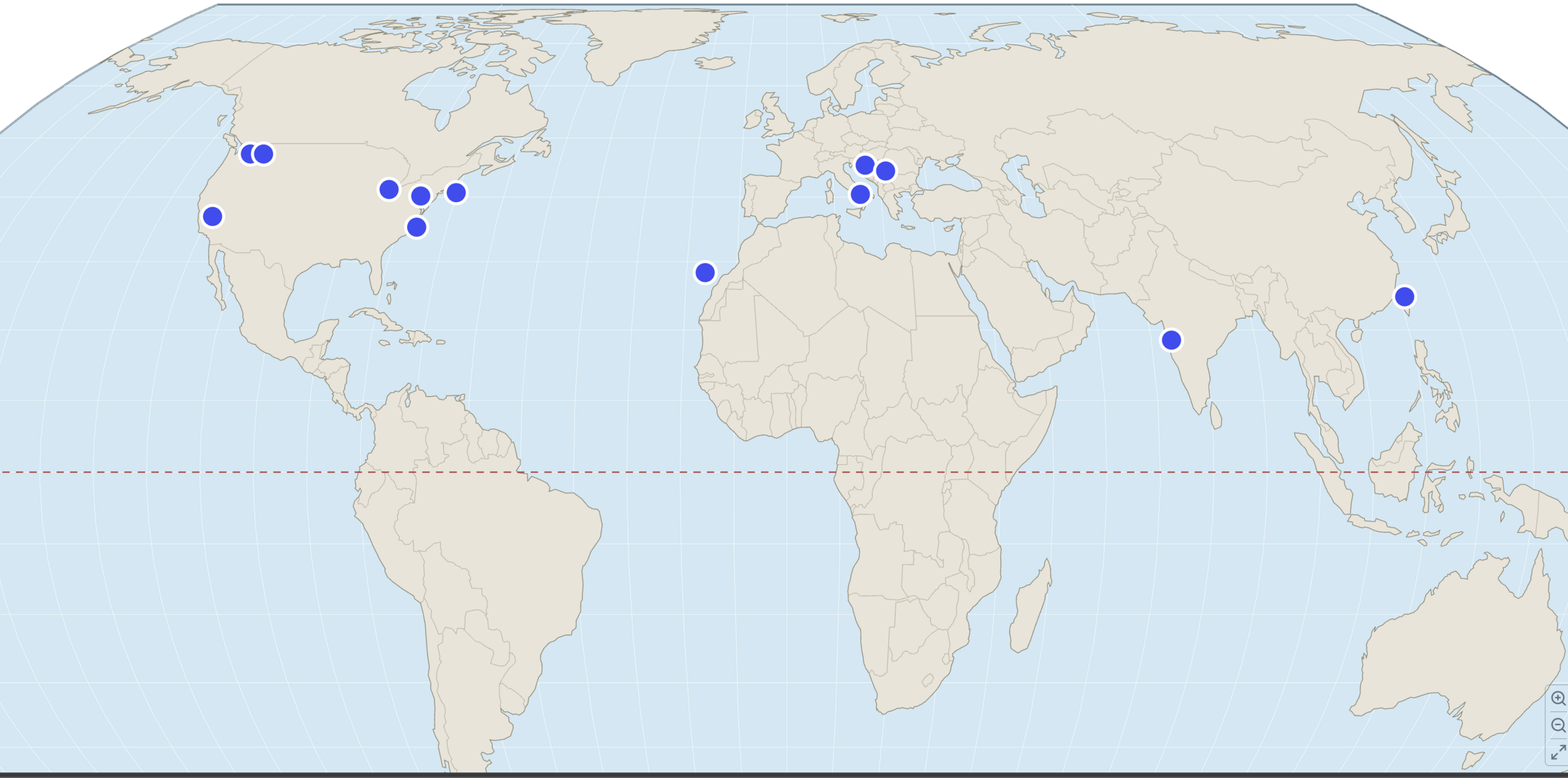
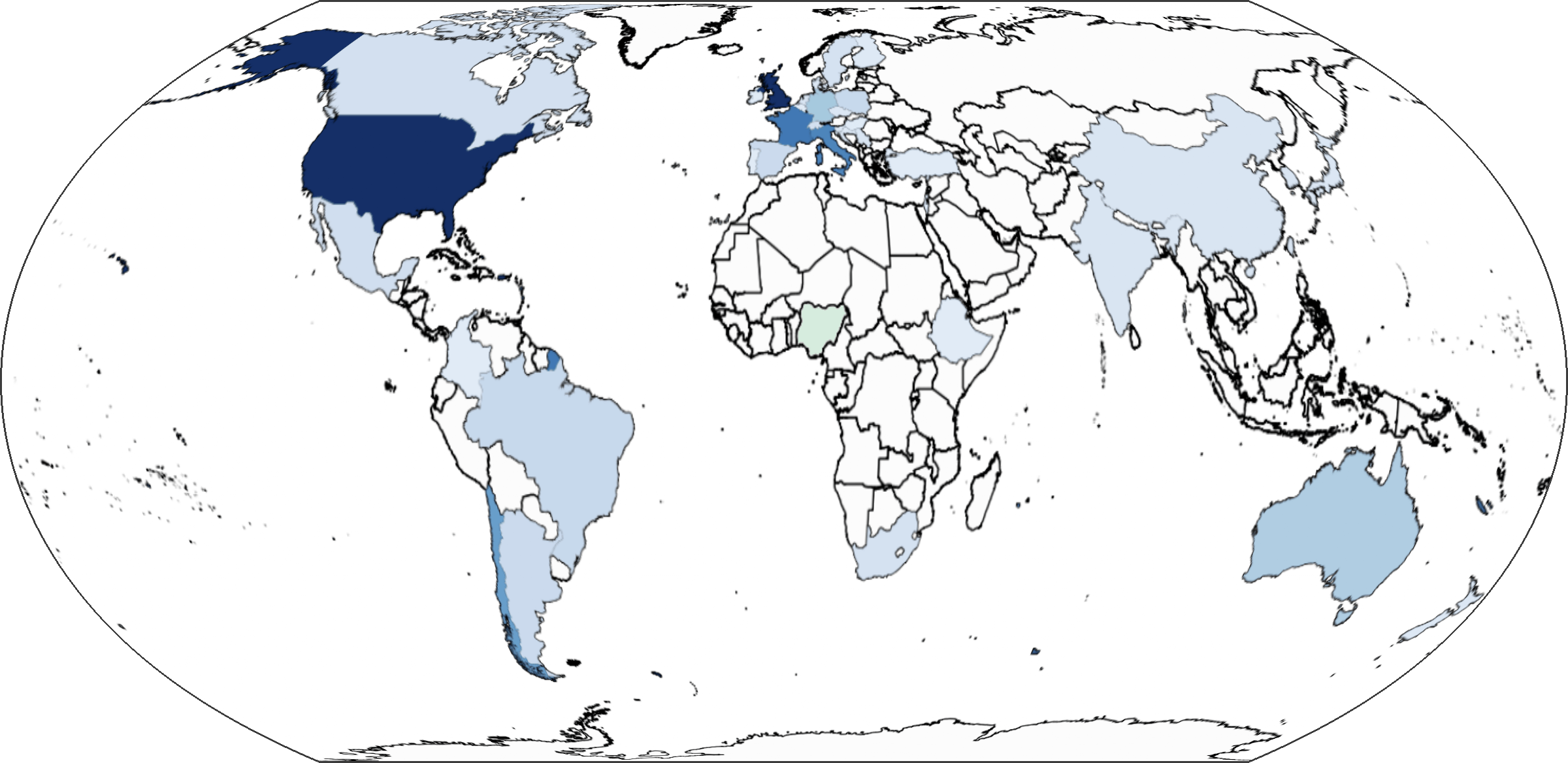
Who has access:
Alerts: everyone worldwide! Why?
because it takes a village
All other data and catalogs:
every scientist in the United States
and Chile (the country in which the
telescope is located), along with more
than two thousand international
Democratized data access
Near-OPEN DATA POLICY
Who has access:
Alerts: everyone worldwide! Why?
because it takes a village
All other data and catalogs:
every scientist in the United States
and Chile (the country in which the
telescope is located), along with more
than two thousand international
RSP: low barrier for use
equal access to computational resources (?)
CST: accessible tutorials
Who has access:
Alerts: everyone worldwide! Why?
because it takes a village
All other data and catalogs:
every scientist in the United States
and Chile (the country in which the
telescope is located), along with more
than two thousand international
RSP: low barrier for use
equal access to computational resources (?)
CST: accessible tutorials
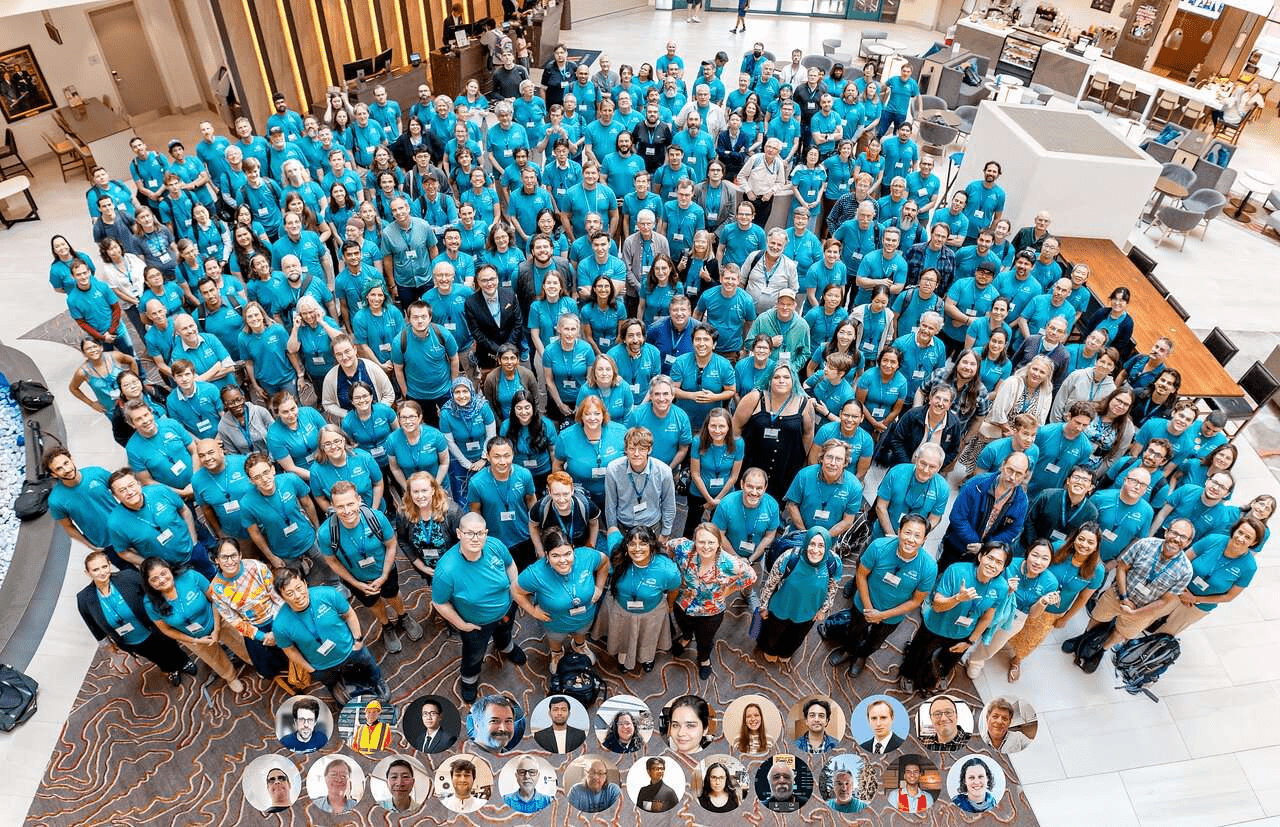
Engagement of a large international community
Democratized data access
Near-OPEN DATA POLICY
is it working?
First papers from DP1 & DP2
Democratized data access does not automatically mean equitable access
Some of the most important decisions for scientific communities concern not simply access to large datasets, but also the distribution of decision-making power, resources, labor, and expertise necessary to shape and process such datasets.12 Taking advantage of data abundance requires not just investment in machines, but investment in the forms of social organization and human infrastructure31 that will ensure the broadest possible benefits are reaped.
Tanweer+2026
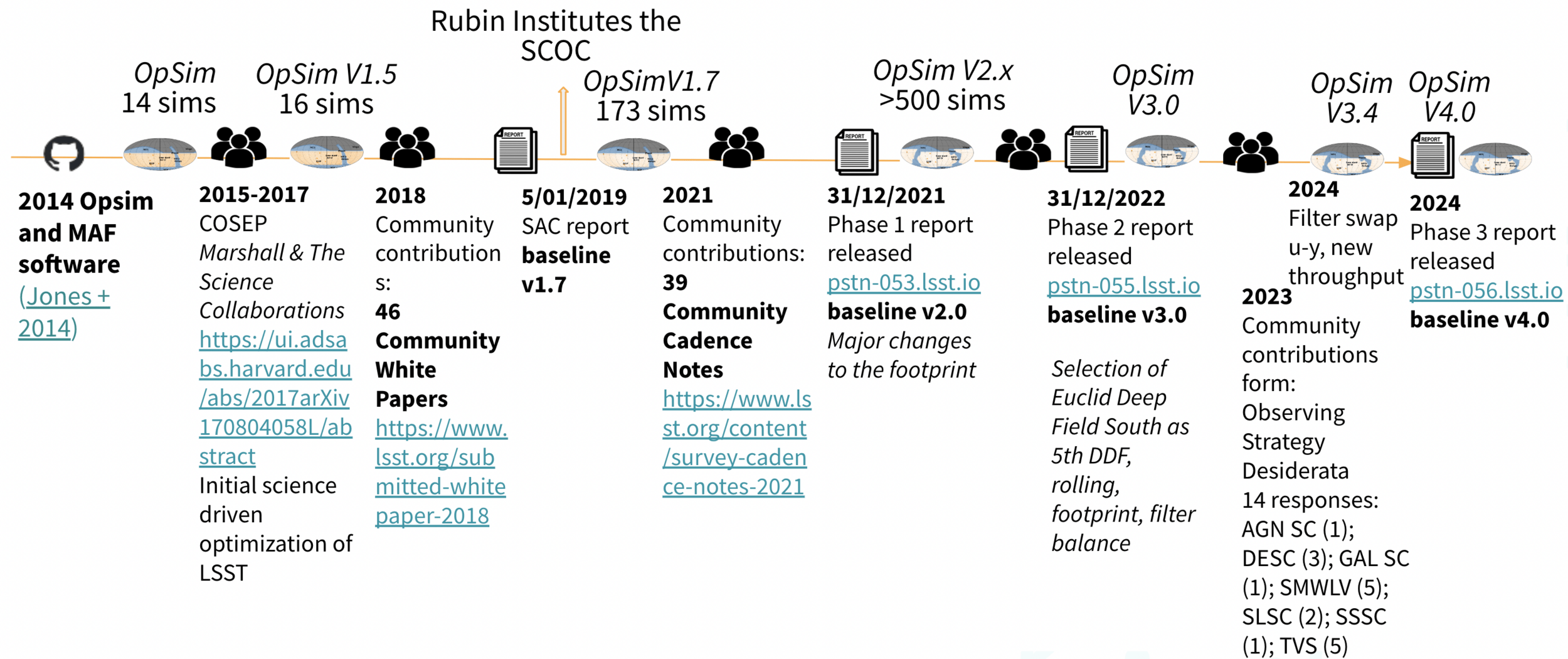
Rubin has involved the community to an unprecedented level in survey design this is a uniquely "democratic" process!
Survey Cadence Optimization Committee
However, LSST’s ability to serve many scientific use cases is not just a technical accomplishment, it is also an organizational one that requires new configurations for negotiation, collaboration, and coalition-building across numerous constituencies with different objectives and needs.
Tanweer+2026
However, LSST’s ability to serve many scientific use cases is not just a technical accomplishment, it is also an organizational one that requires new configurations for negotiation, collaboration, and coalition-building across numerous constituencies with different objectives and needs.
Tanweer+2026
We are not maximizing happiness.... we are minimizing unhappiness
Željko Ivezić
However, LSST’s ability to serve many scientific use cases is not just a technical accomplishment, it is also an organizational one that requires new configurations for negotiation, collaboration, and coalition-building across numerous constituencies with different objectives and needs.
Tanweer+2026
We are not maximizing happiness.... we are minimizing unhappiness
Željko Ivezić
or, the risk to fall in the "Tyranny of the majority"
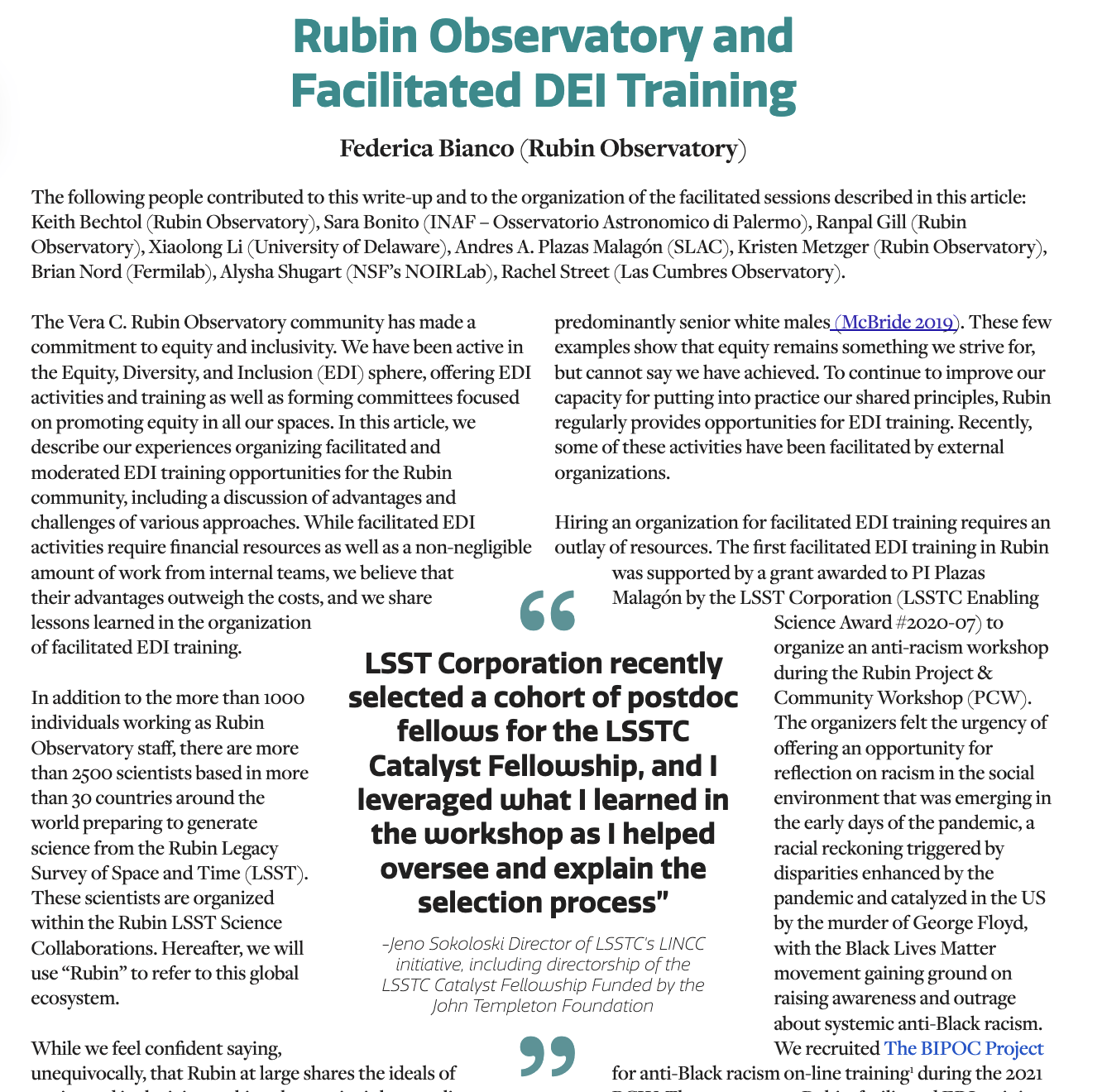
In the past, Rubin Observatory has lead a number of equity minded activities
Rubin Observatory receives support from government agencies. Support for these activities is not possible right now
(this does not mean we are not equity minded! they cannot controls our minds)
But the other elements of the Rubin ecosystem are not tied to these constraints
NOIRLab The Mirror, Volume 5, p.40
August 2023
Rubin
Observatory
LSST
DA
LSST
SCs
Rubin EPO
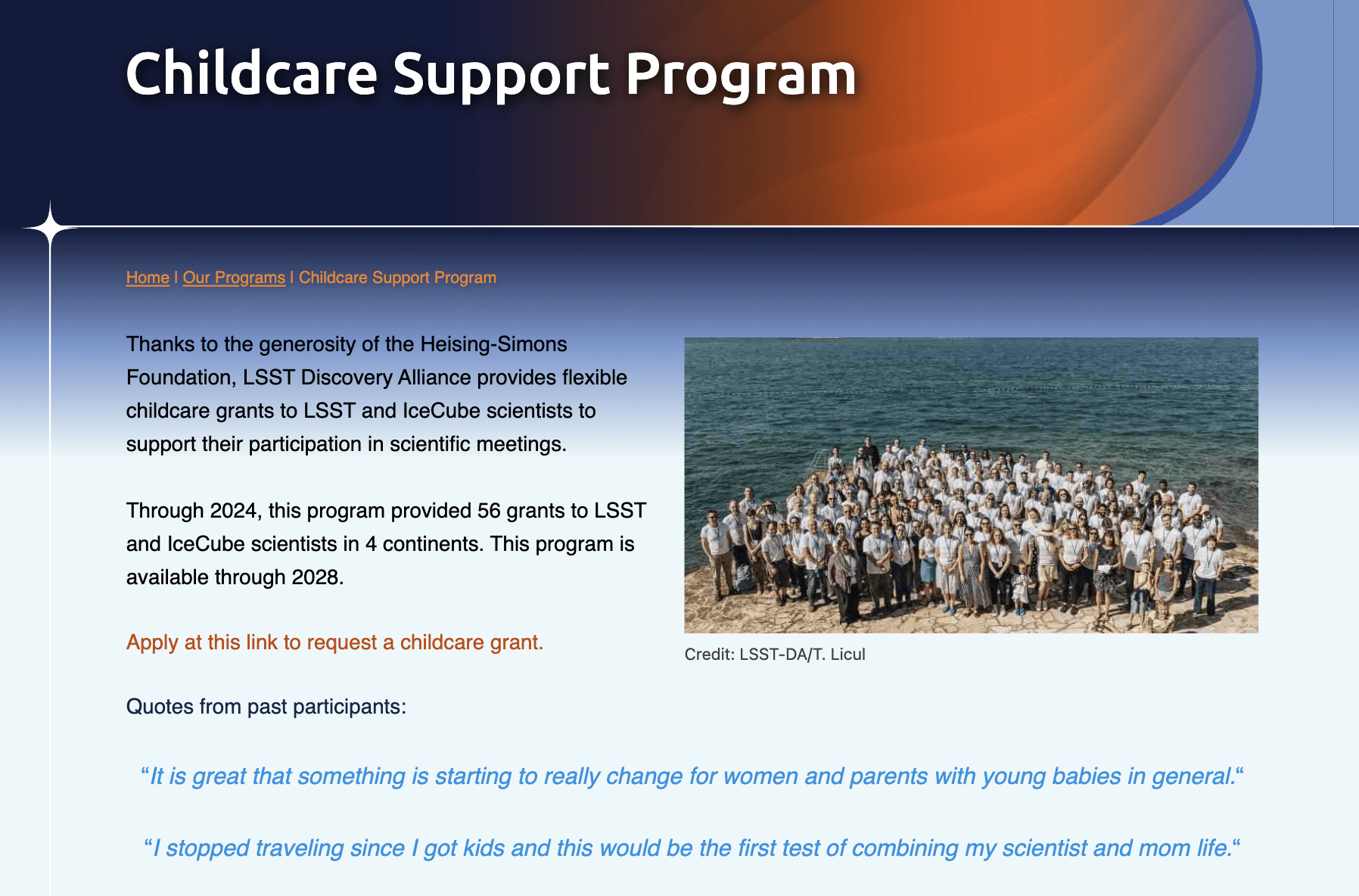
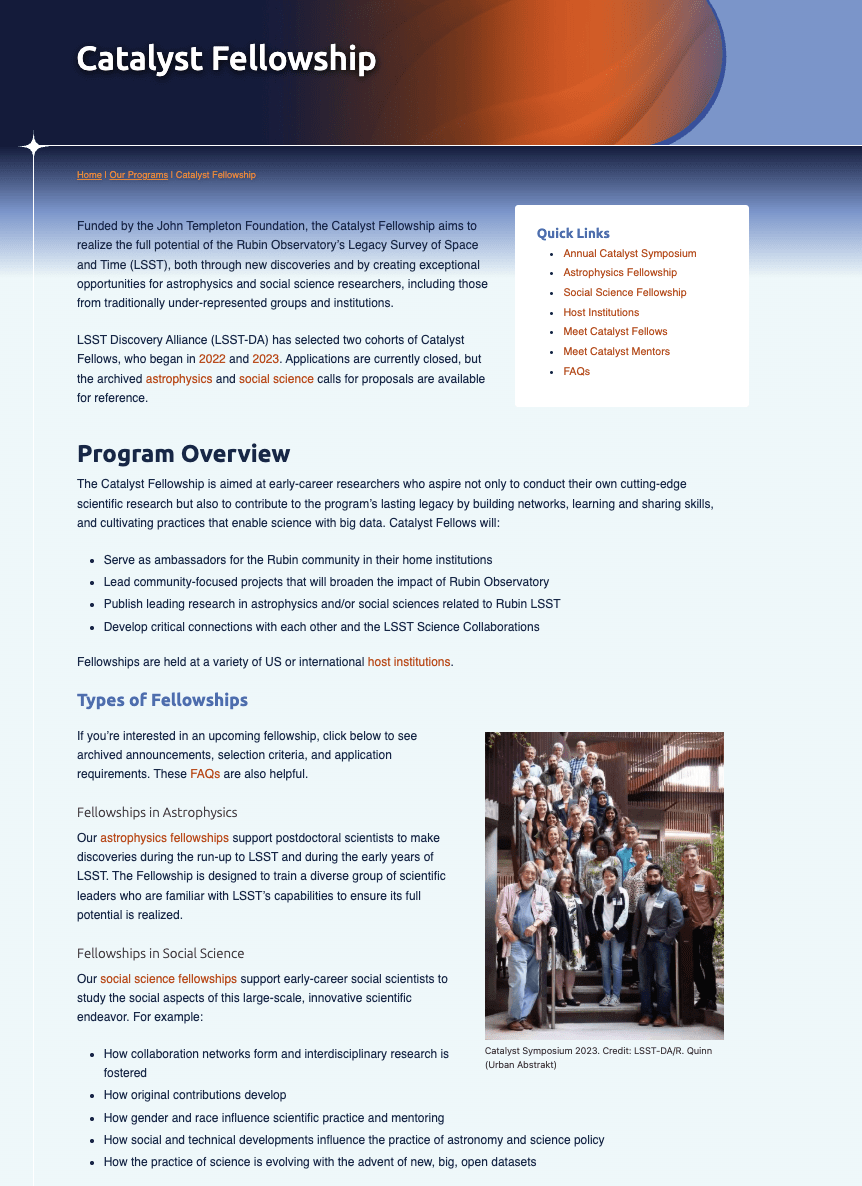
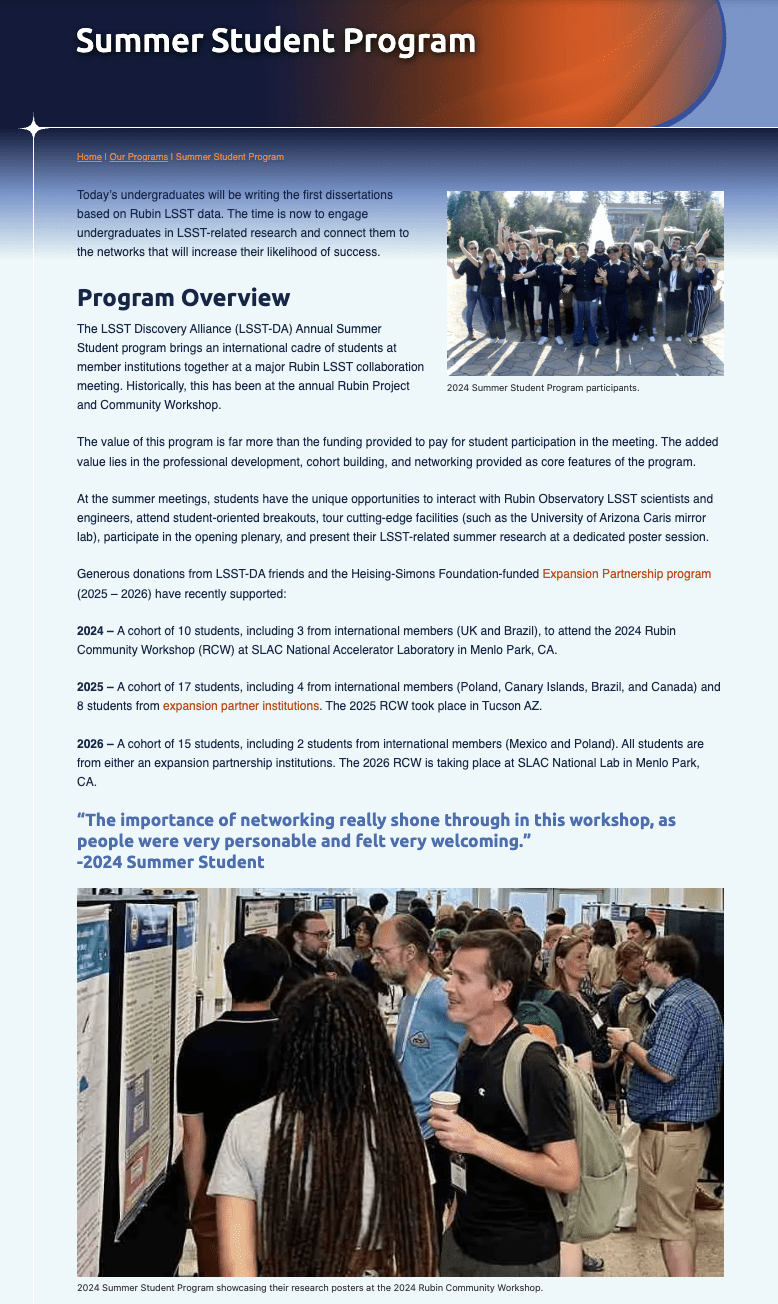
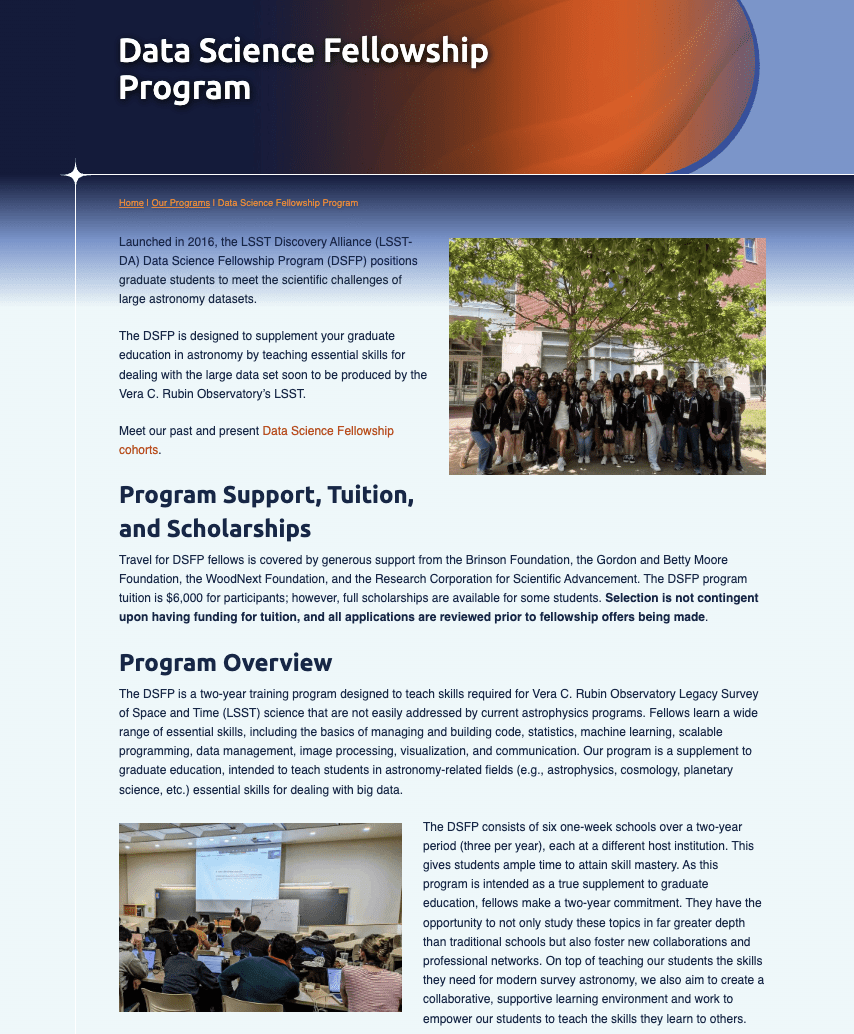
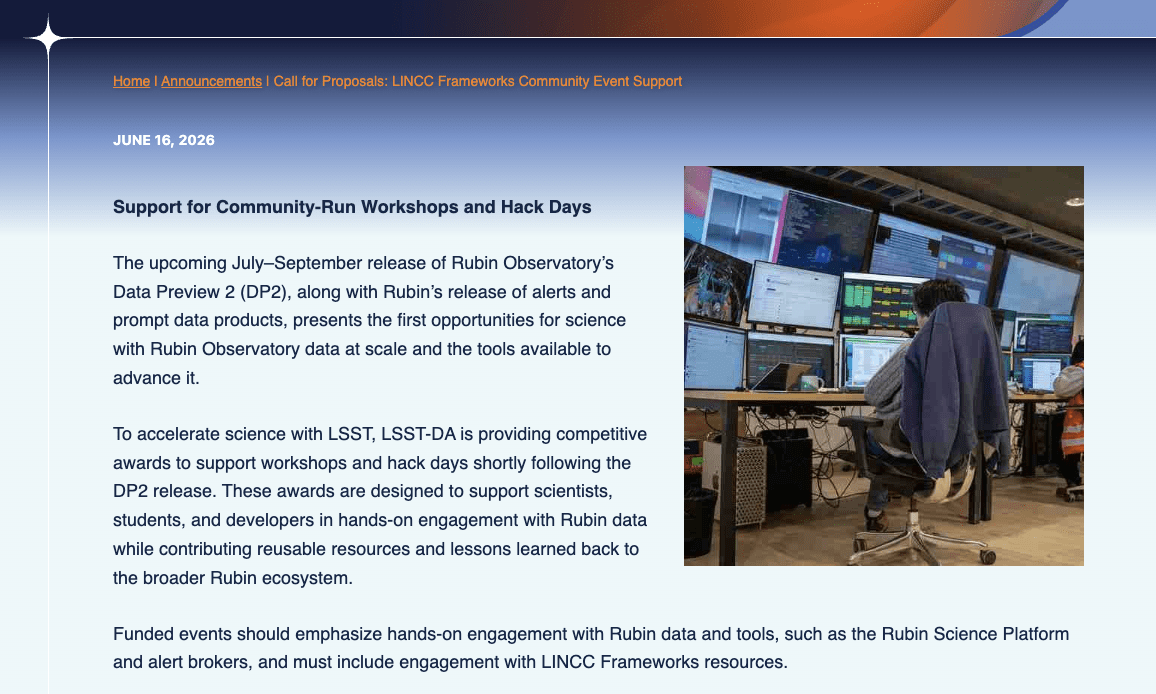
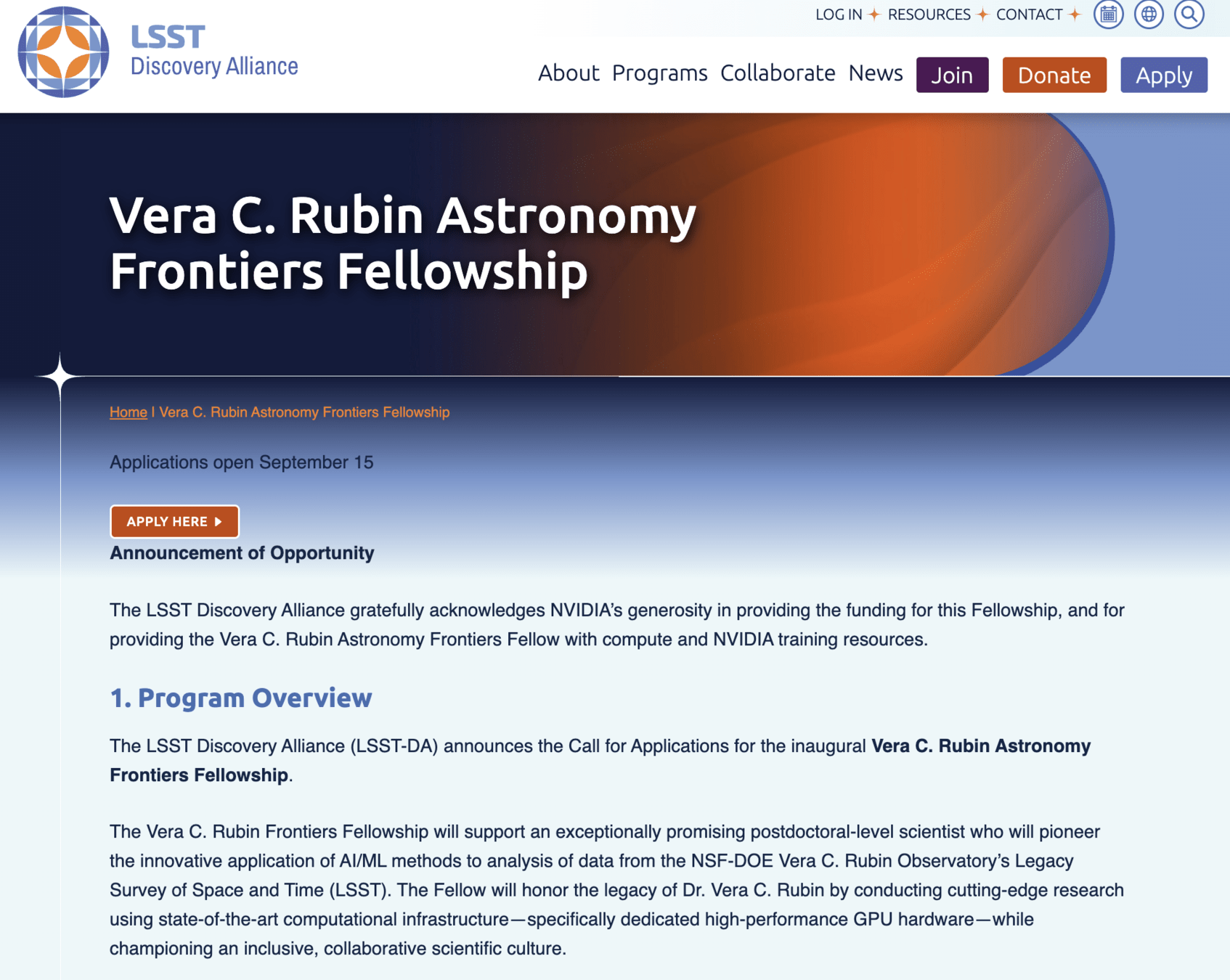
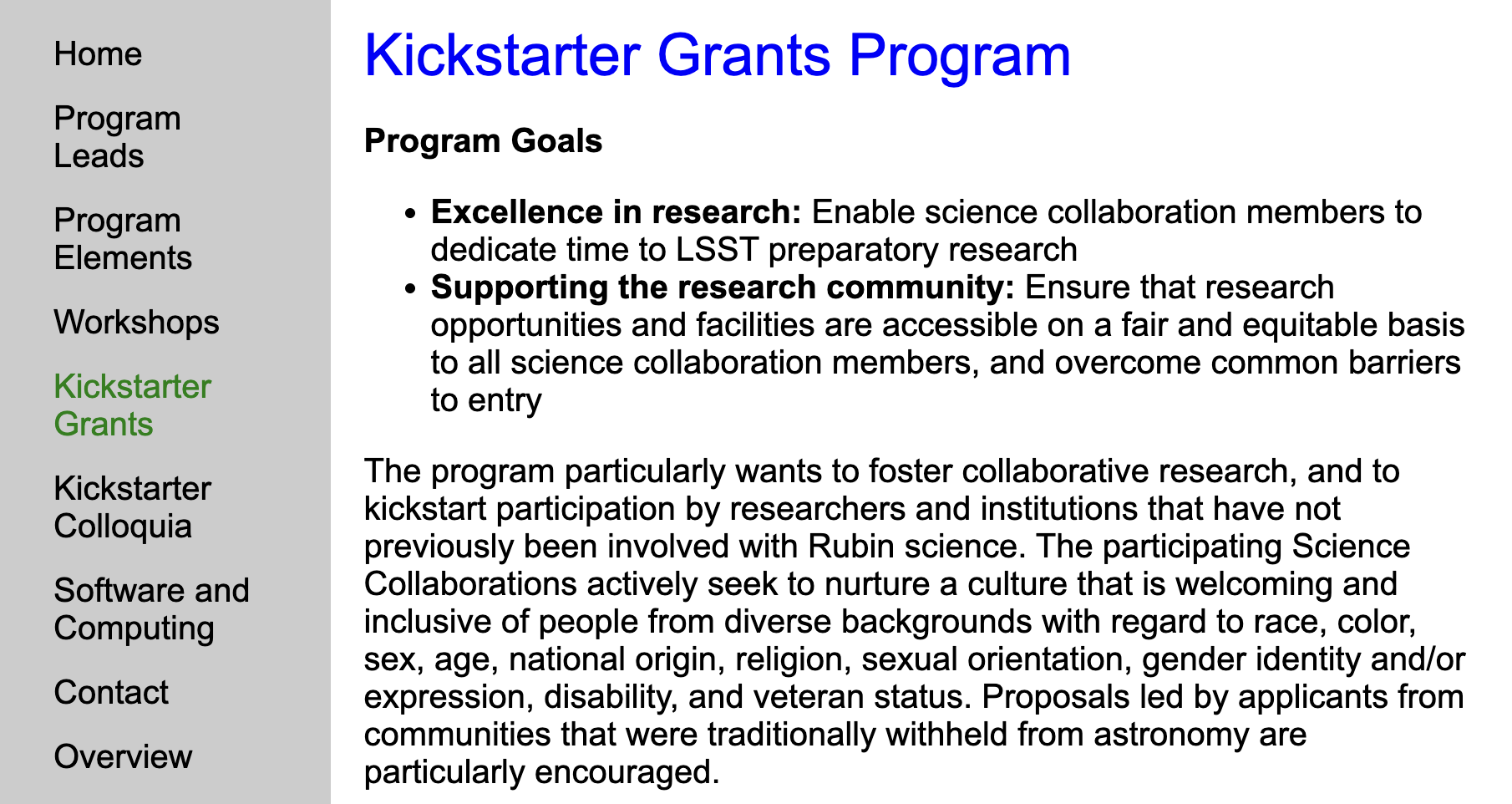
LSST DA programs have consistently and persistently sought out to broaden communities by establishing equity
Large + multi-year programs
Small ad-hoc programs
Newest Opportunity
Rubin
Observatory
LSST
DA
LSST
SCs
Rubin EPO
The LSST
Science Collaborations
A community of practice funded on principles of Equity, Inclusivity, Cooperation
The SCs aspire to be an inclusive and nurturing environment for scientists interested in pursuing LSST-based science.
Each SC works independently, but most have community building and equity efforts in common
The SCs aspire to be an inclusive and nurturing environment for scientists interested in pursuing LSST-based science.
Each SC works independently, but most have community building and equity efforts in common
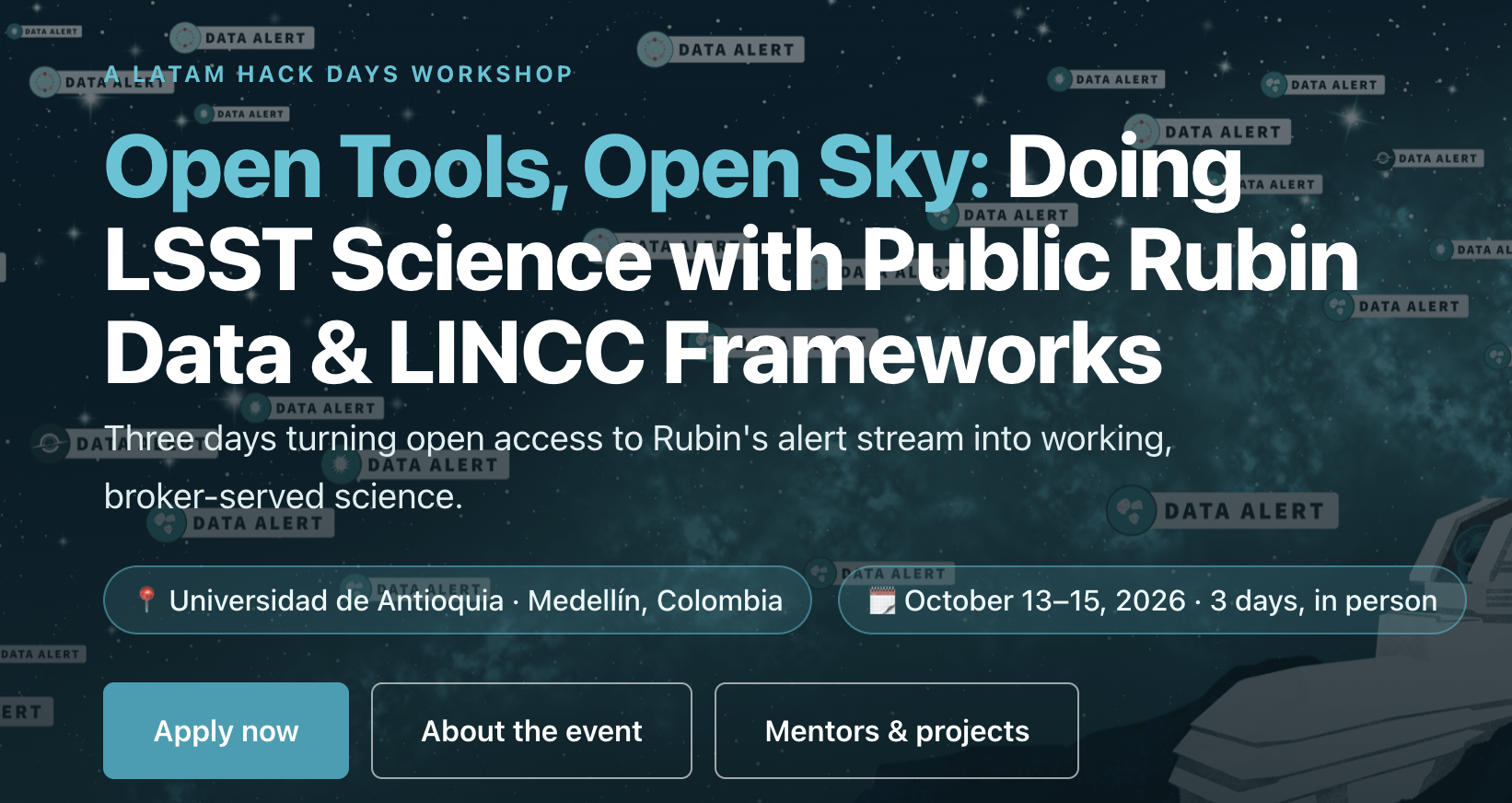
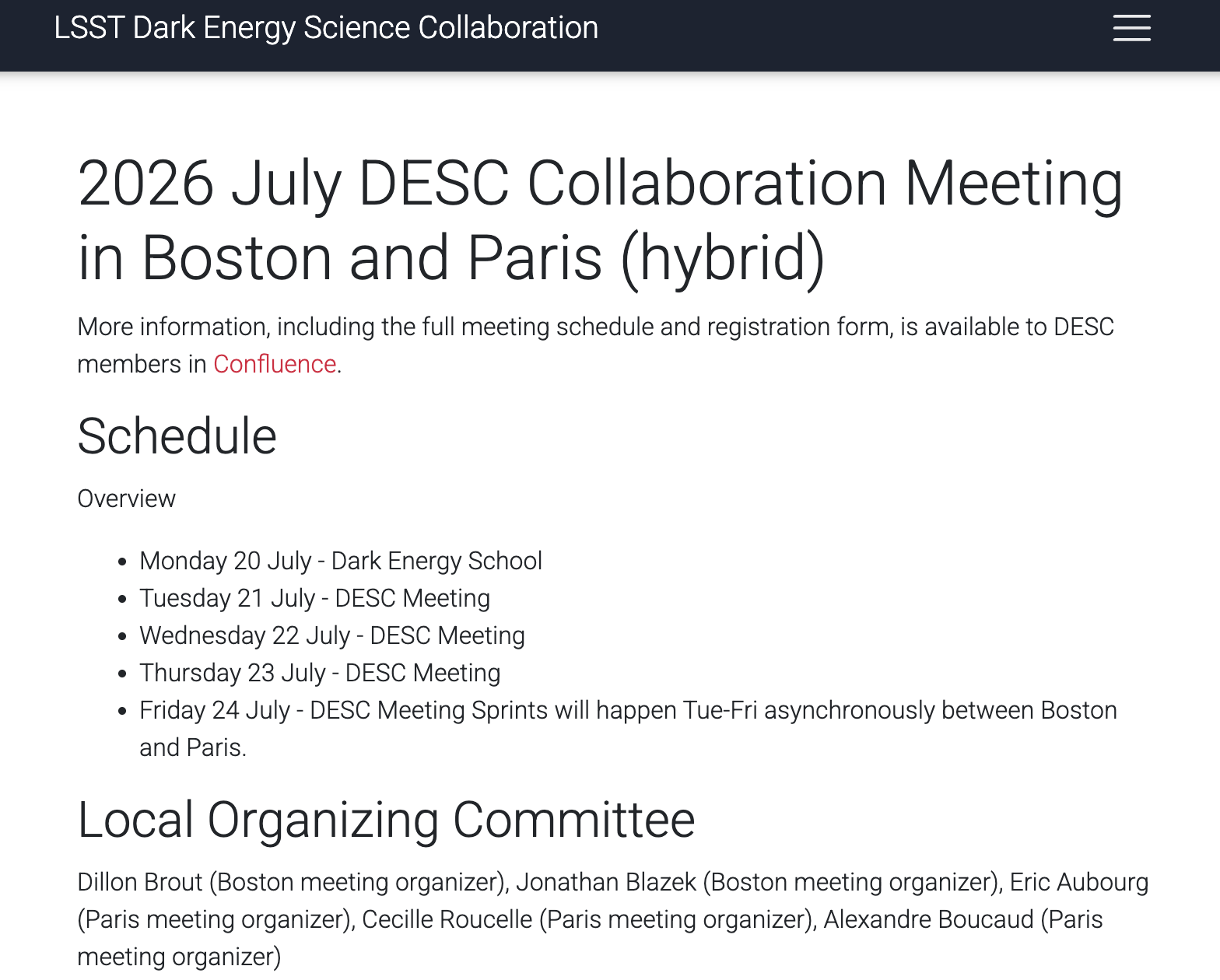
SOME EQUITY MINDED SC PROGRAMS
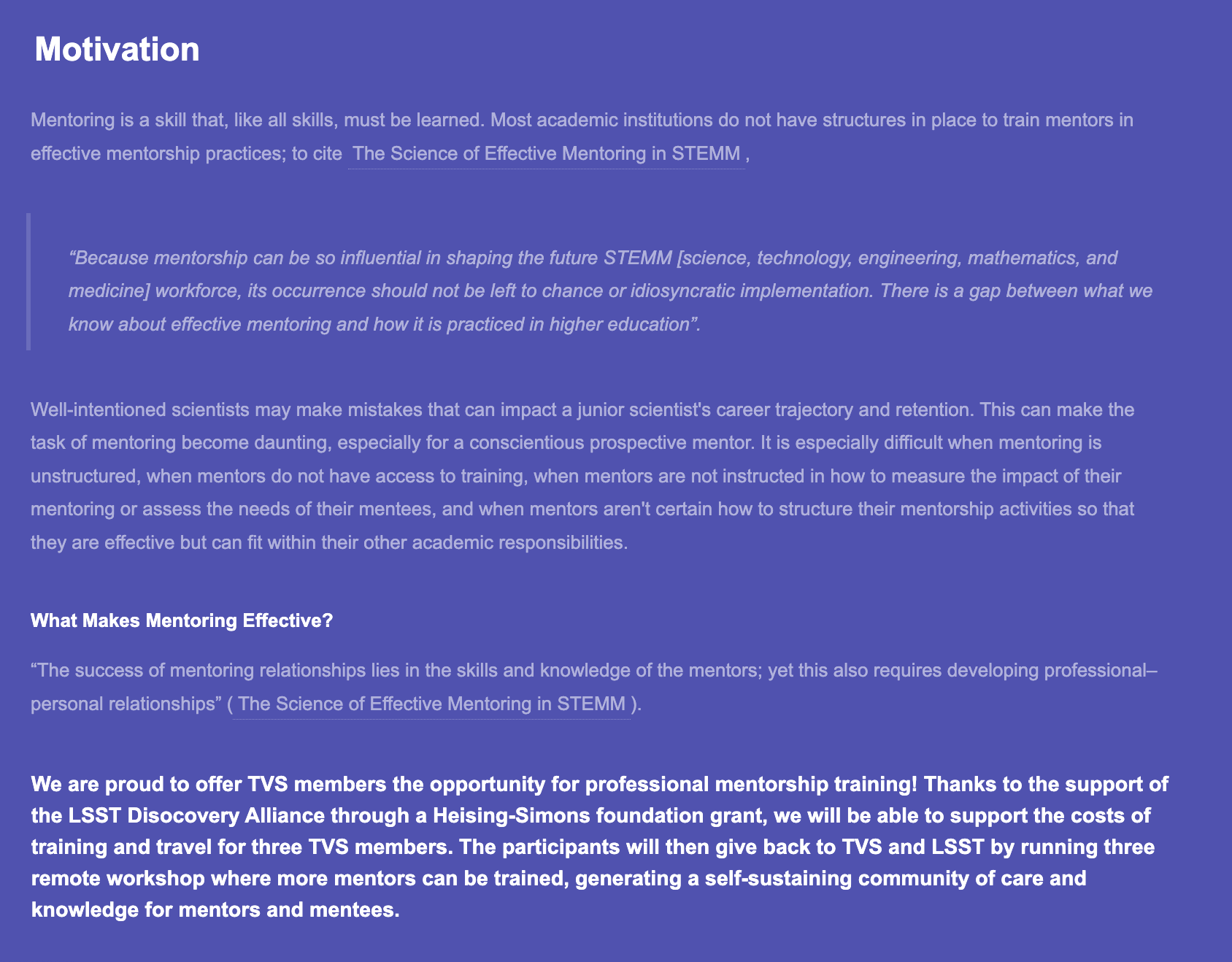
TVS Mentor Training
United we are stronger!
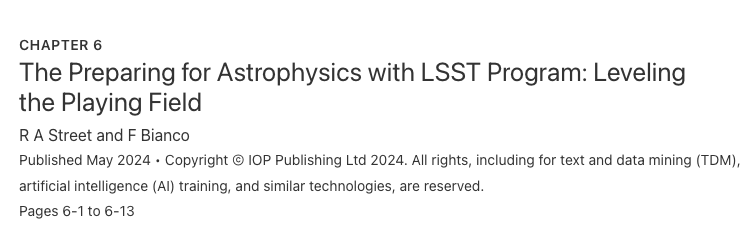
TVS + SMWLV + SSSC $1M from Heising Simons Foundation for "Leveling the Playing Field" (PI Street)
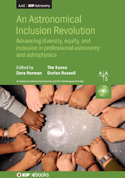
An Astronomical
Inclusion Revolution
Dara Norman, Tim Sacco and Dorian Russell
SOME EQUITY MINDED SC PROGRAMS
So how are we doing...
[...] some evidence suggests that when team size increases in a field, junior scientists become less likely to find funding, secure tenure, or stay in the academy.
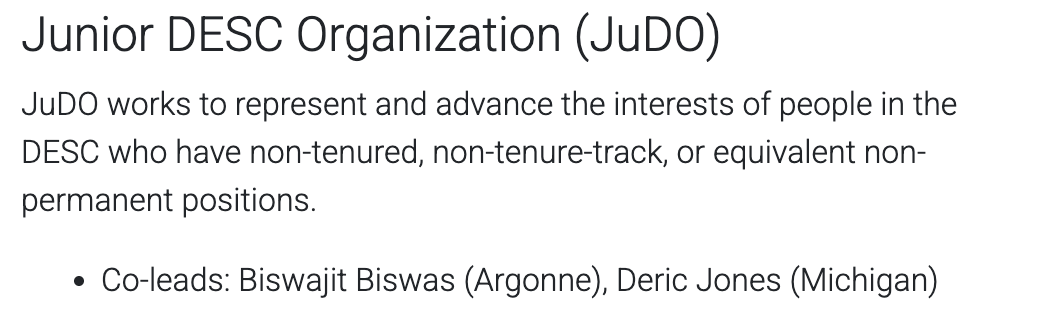
Leadership of the Rubin Science Collaborations are aware of these risks and have taken steps to mitigate them. Some of these measures include putting junior scientists into high-visibility positions, creating affinity groups focused on the interests of early career researchers, directing funds to support early career involvement in workshops and conferences, and providing mentorship training.
Yet the efficacy of these efforts remains to be seen.
Tanweer+2026
[...] some evidence suggests that when team size increases in a field, junior scientists become less likely to find funding, secure tenure, or stay in the academy.
Leadership of the Rubin Science Collaborations are aware of these risks and have taken steps to mitigate them. Some of these measures include putting junior scientists into high-visibility positions, creating affinity groups focused on the interests of early career researchers, directing funds to support early career involvement in workshops and conferences, and providing mentorship training.
Yet the efficacy of these efforts remains to be seen.
In other words, the outcomes of organizing for breadth—of developing the survey cadence with input from many scientists across many different areas of astronomy and astrophysics—are not foretold.
Tanweer+2026
As Rubin LSST unfolds over the next decade watch out for
Who is producing scientific findings?
Are scientists from varied institutions, geographies, and career stages able to leverage this data?
Why?
How are policies, practices, and infrastructures implicated in either spreading or concentrating opportunity?
What can other fields learn?
Many scientific fields are undergoing similar transformations
Lessons from Rubin's organizational experiments apply broadly
is a word I am borrowing from Margaret Atwood to describe the fact that the future is us.
However loathsome or loving we are, so will we be.
Whereas utopias are the stuff of dream dystopias are the stuff of nightmares, ustopias are what we create together when we are wide awake
US-TOPIA
thank you!
University of Delaware
Department of Physics and Astronomy
Biden School of Public Policy and Administration
Data Science Institute
federica bianco
fbianco@udel.edu
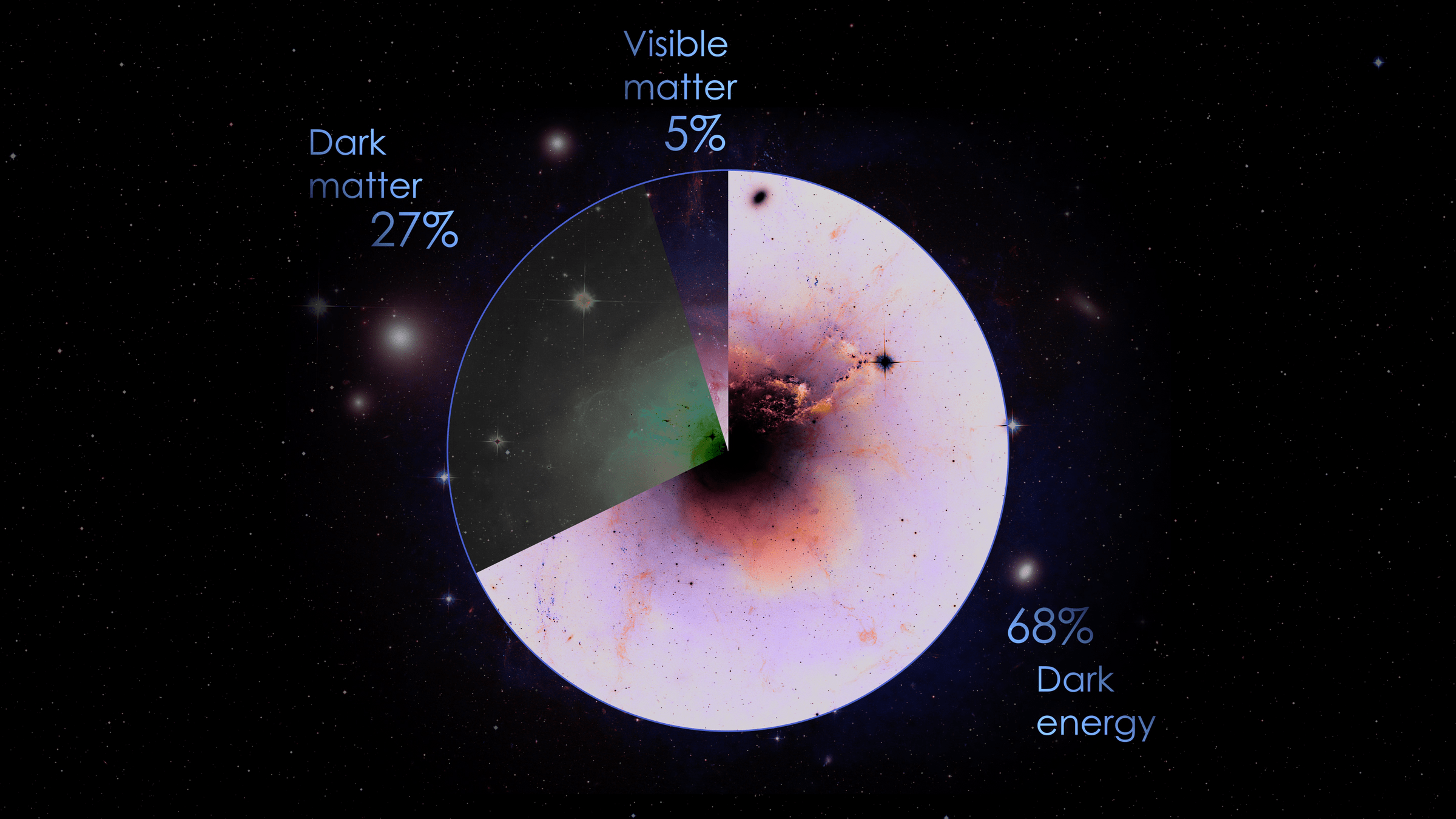
credit: AMNH Dark Universe
By federica bianco
Broadening Participation in the LSST ecosystem