



























federica bianco PRO
astro | data science | data for good
LSST:opportunities fortime domain astronomy |
University of Delaware
Department of Physics and Astronomy
Biden School of Public Policy and Administration
Data Science Institute
Rubin Legacy Survey of Space and Time
Rubin Survey Scientist
federica b. bianco
she/her
To accomplish this, we needed:
1) a large telescope mirror to be sensitive - 8m
2) a large field-of-view for sky-scanning speed
3) high spatial resolution, high-quality images
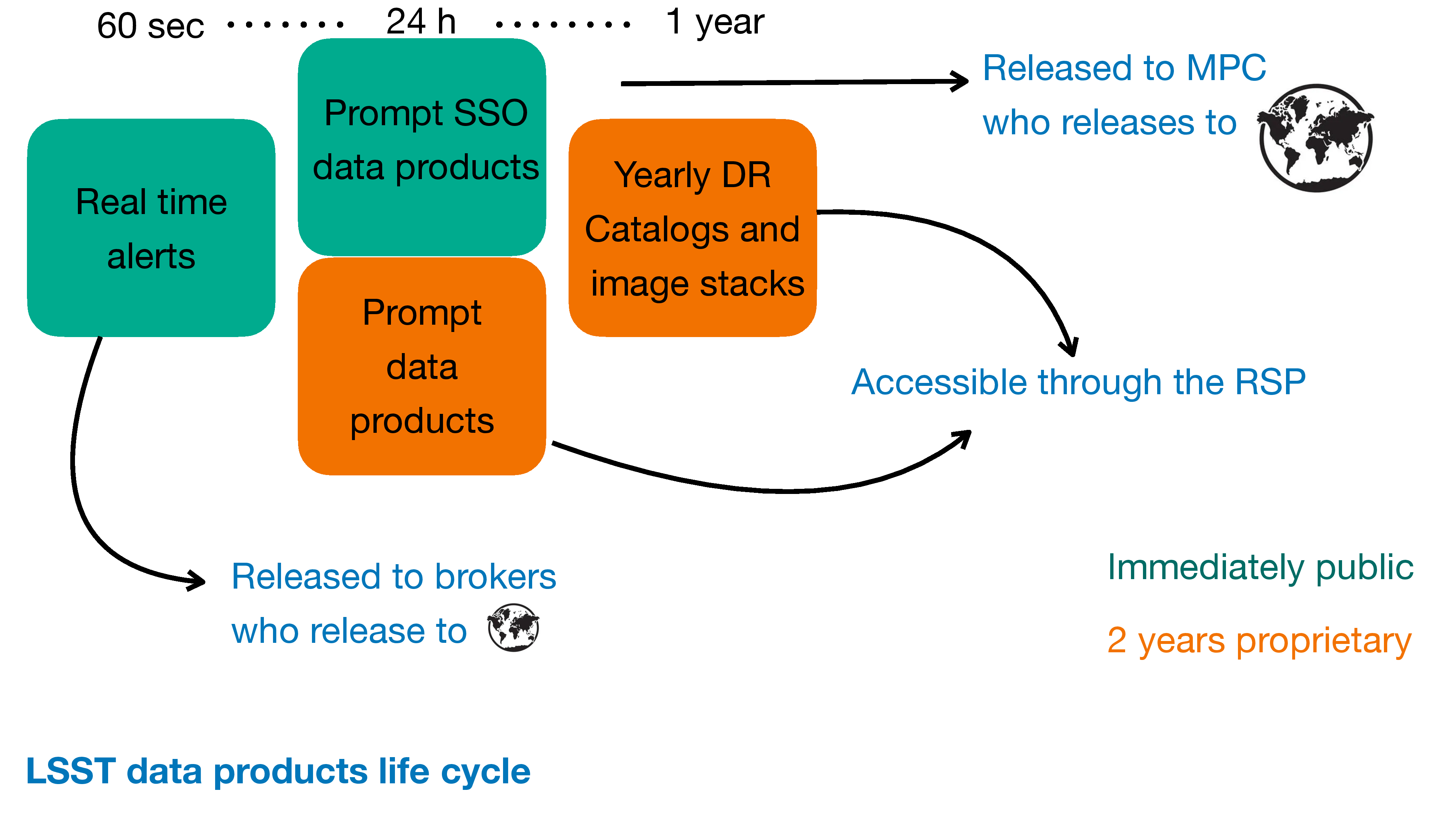
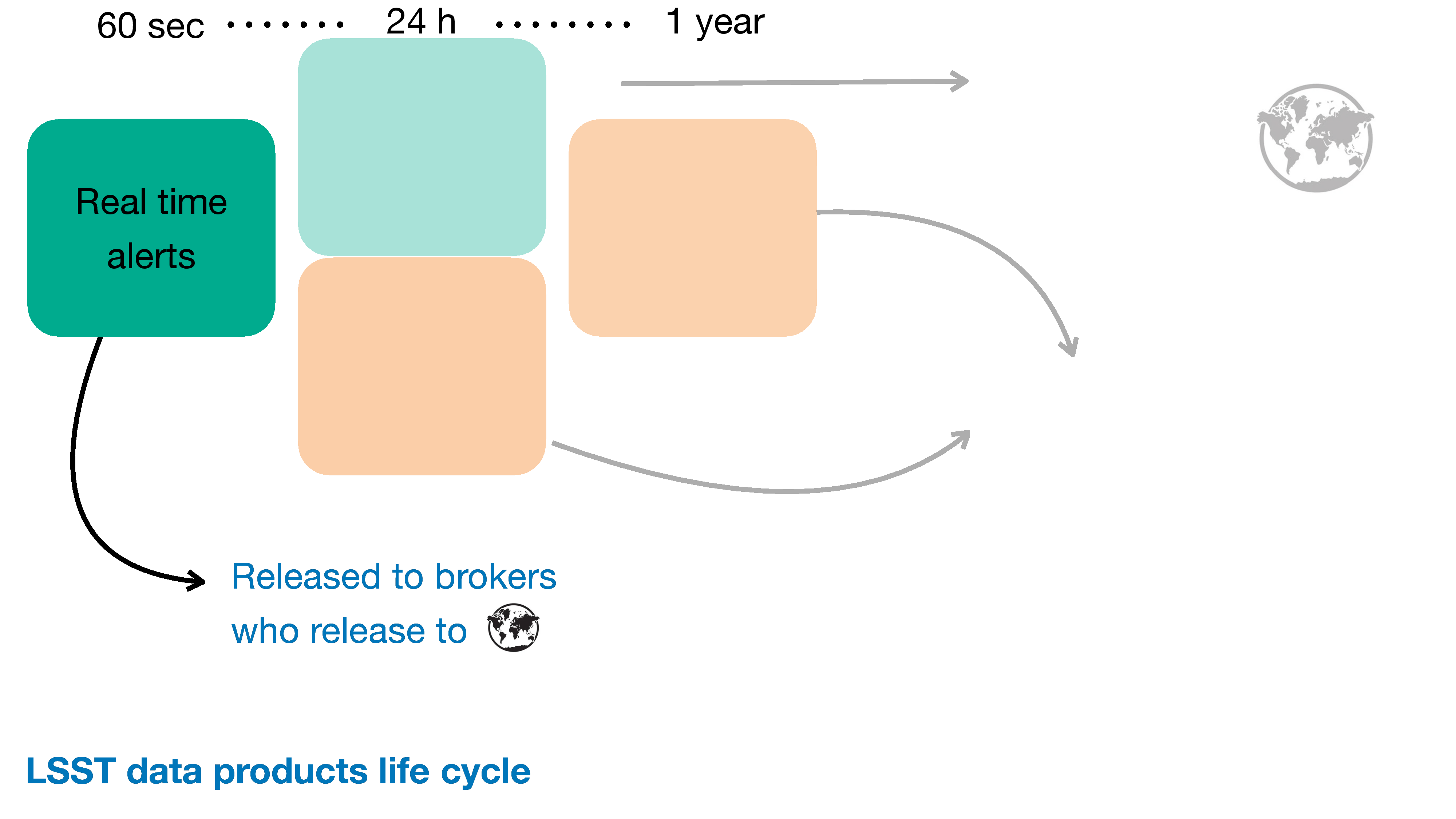
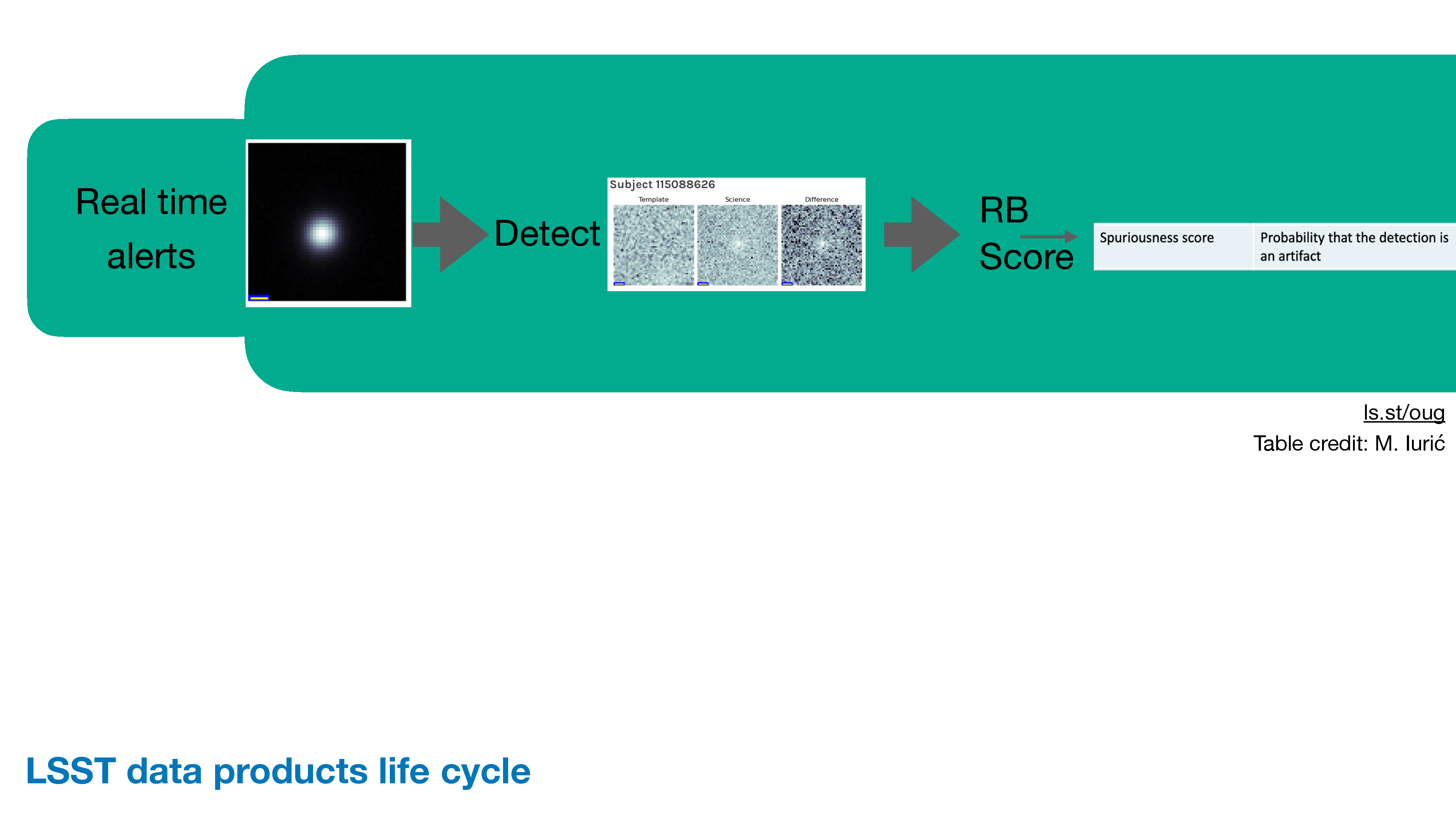
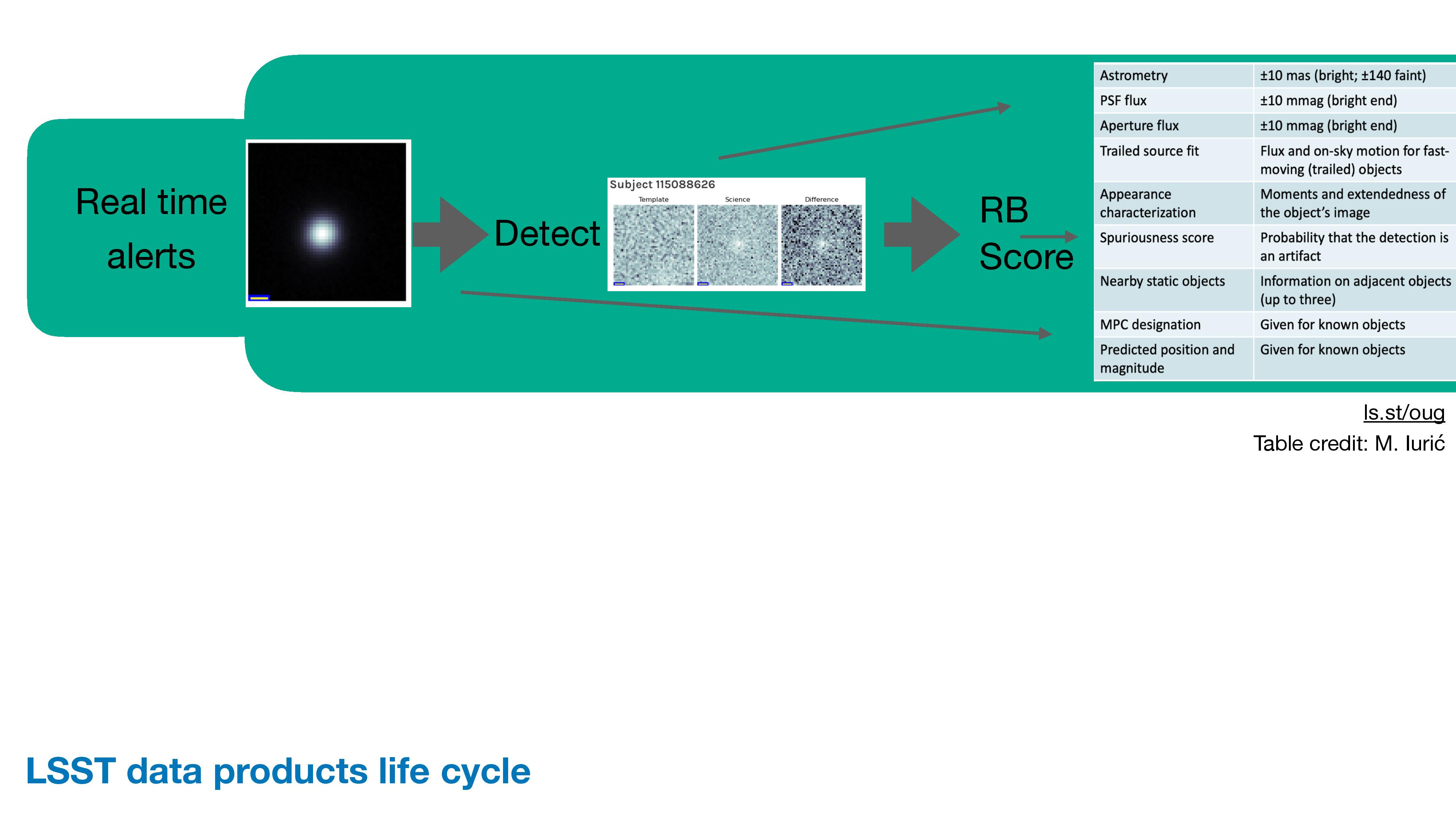
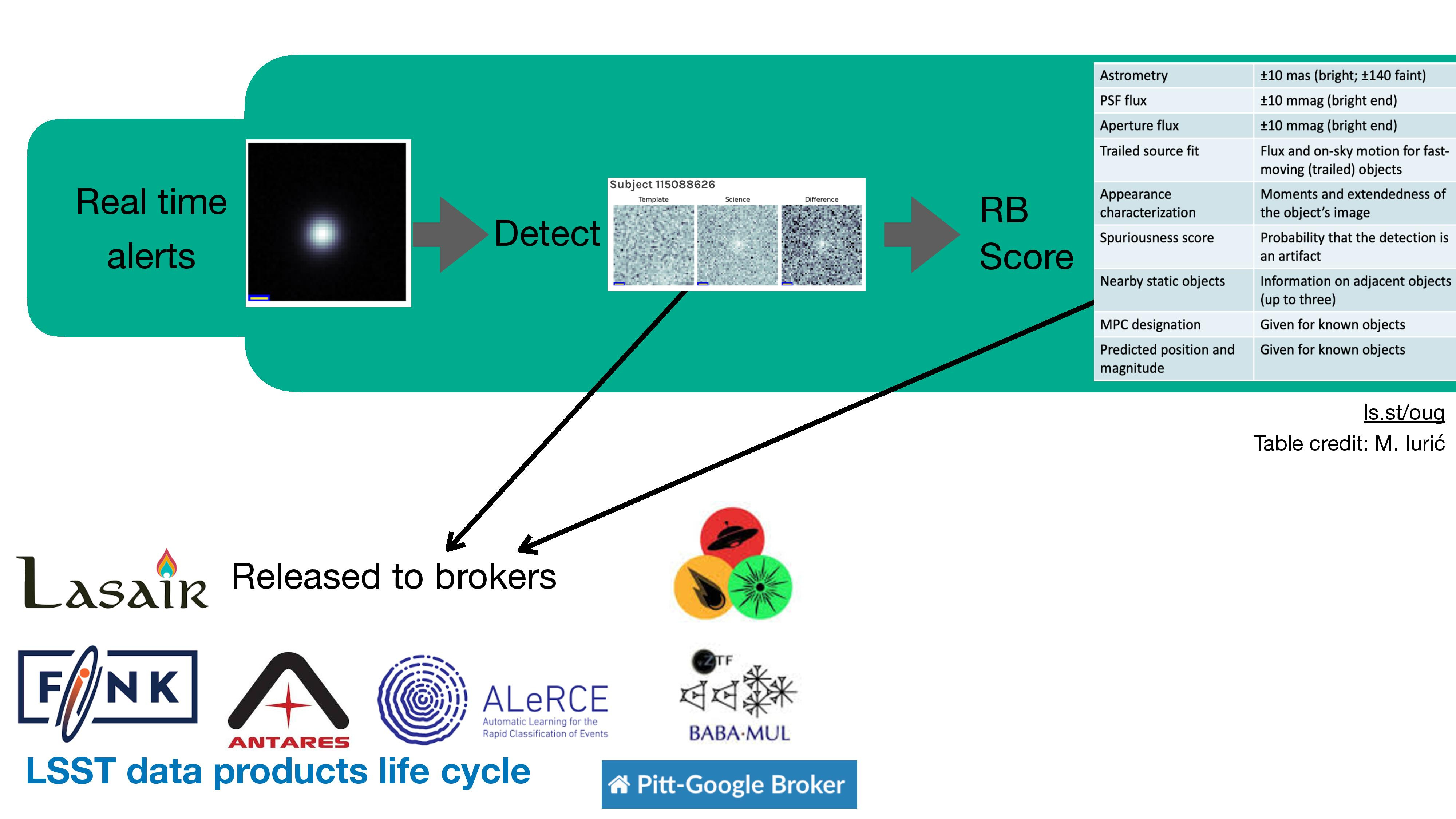
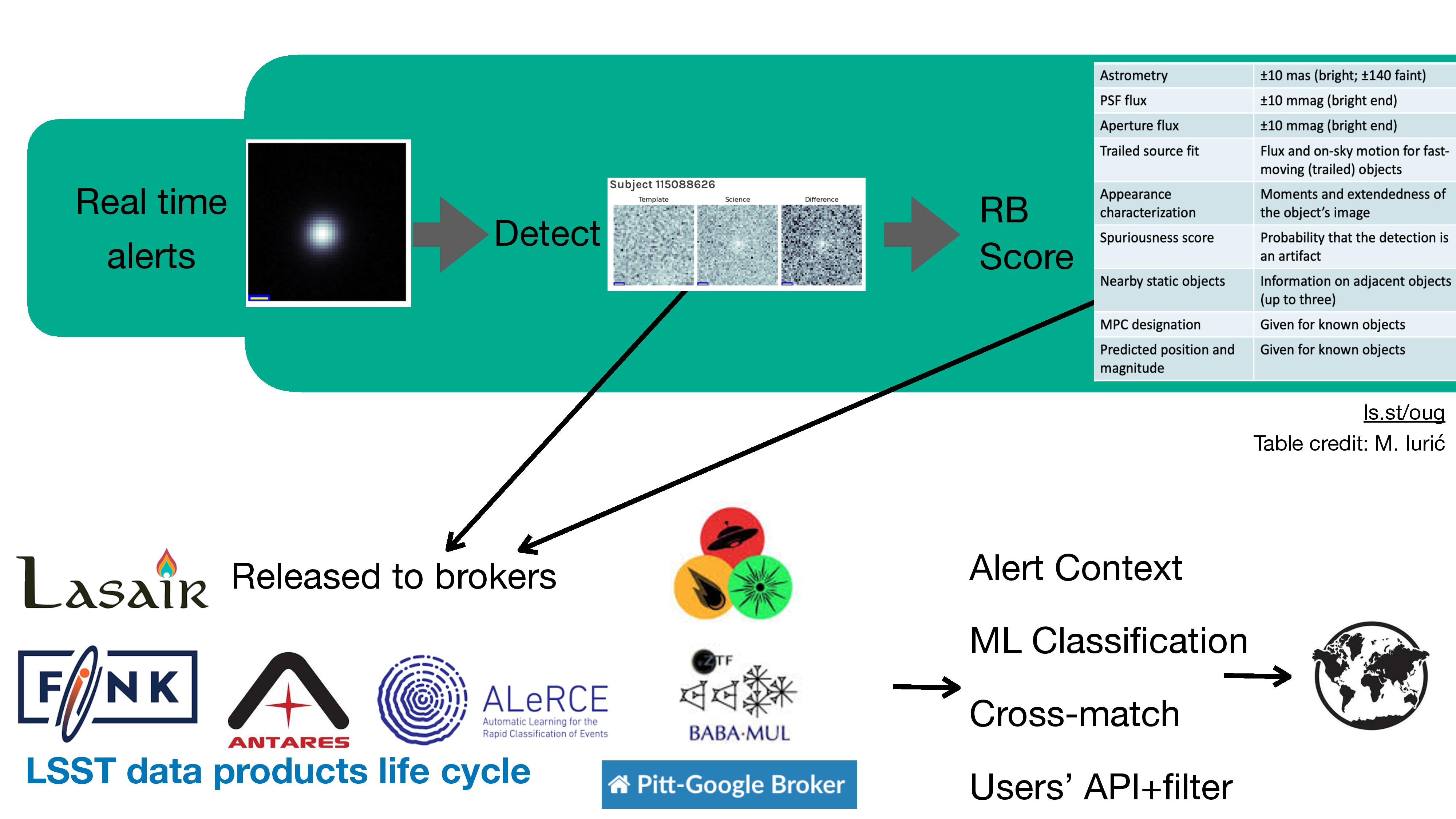
4) process images in real time and offline to produce live alerts and catalogs of all 37B objects
5) Coverage of time domain phenomena from hours to a decade
Objective: provide a science-ready dataset to transform the 4 key science area
| Field of View' Image resolution' DDFs' Standard visit' Photometric precision' Photometric accuracy' Astrometric precision' Astrometric accuracy' |
9.6 sq deg 0.2'' (seeing limited) 5 DDF 30 sec 5 mmag 10 mmag 10 mas 50 mas |
|---|
At this level of precision, everything is variable, everything is blended, everything is moving...
everything is complicated.
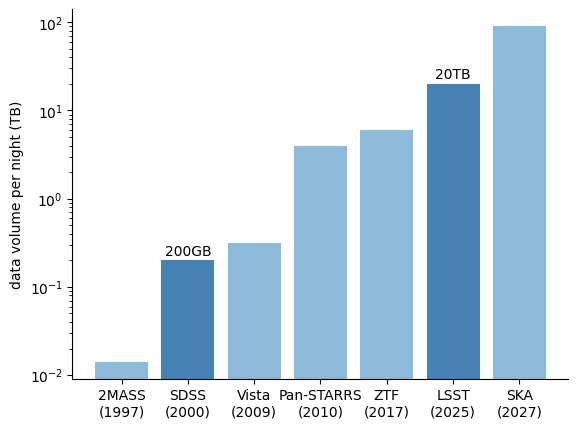
SKA
(2025)
edge computing
17B stars (x10) Ivezic+19
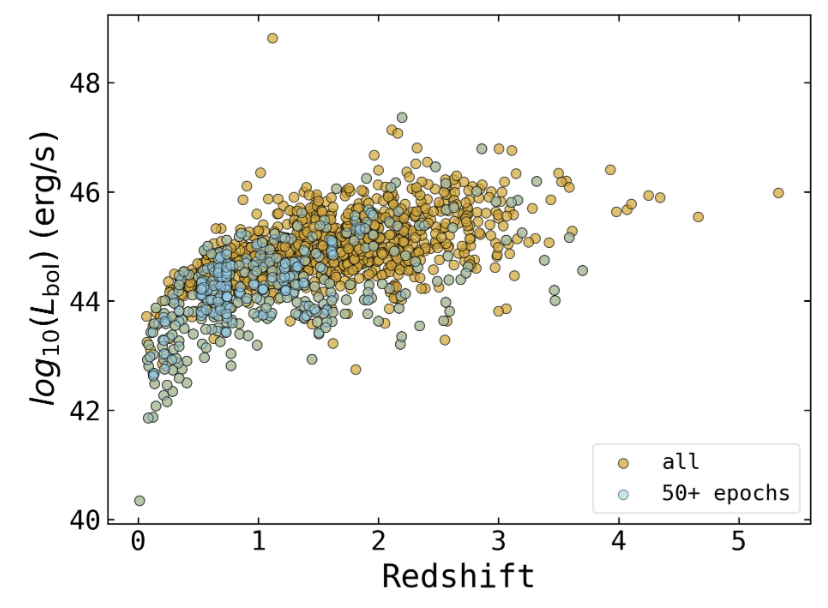
~10 million QSO (x10) Mary Loli+21
~50k Tidal Disruption Events (from ~150) Brickman+ 2020
~10k SuperLuminous Supernovae (from ~200)Villar+ 2018
~400 strongly lensed SN Ia (from 10) Ardense+24
~50 kilonovae (from 2) Setzer+19, Andreoni+19 (+ ToO)
> 10 Interstellar Objects fom 2.... ?)
2026
edge computing
edge computing
17B stars (x10) Ivezic+19
~10 million QSO (x10) Mary Loli+21
~50k Tidal Disruption Events (from ~150) Brickman+ 2020
~10k SuperLuminous Supernovae (from ~200)
~400 strongly lensed SN Ia (from 10) Ardense+24
~50 kilonovae (from 2) Setzer+19, Andreoni+19 (+ ToO)
> 10 Interstellar Objects fom 2.... ?)
2026
2026
edge computing
17B stars (x10) Ivezic+19
~10 million QSO (x10) Mary Loli+21
~50k Tidal Disruption Events (from ~150) Brickman+ 2020
~10k SuperLuminous Supernovae (from ~200) Villar+ 2018
~400 strongly lensed SN Ia (from 10) Ardense+24
~50 kilonovae (from 2) Setzer+19, Andreoni+19 (+ ToO)
> 10 Interstellar Objects fom 2.... ?)
2026
2026
edge computing
SKA
(2025)
17B stars (x10) Ivezic+19
~10 million QSO (x10) Mary Loli+21
~50k Tidal Disruption Events (from ~150) Brickman+ 2020
~10k SuperLuminous Supernovae (from ~200) Villar+ 2018
~400 strongly lensed SN Ia (from 10) Ardense+24
~50 kilonovae (from 2) Setzer+19, Andreoni+19 (+ ToO)
> 10 Interstellar Objects fom 2.... ?)
True Novelties!
2026
2026
edge computing
infrastructure
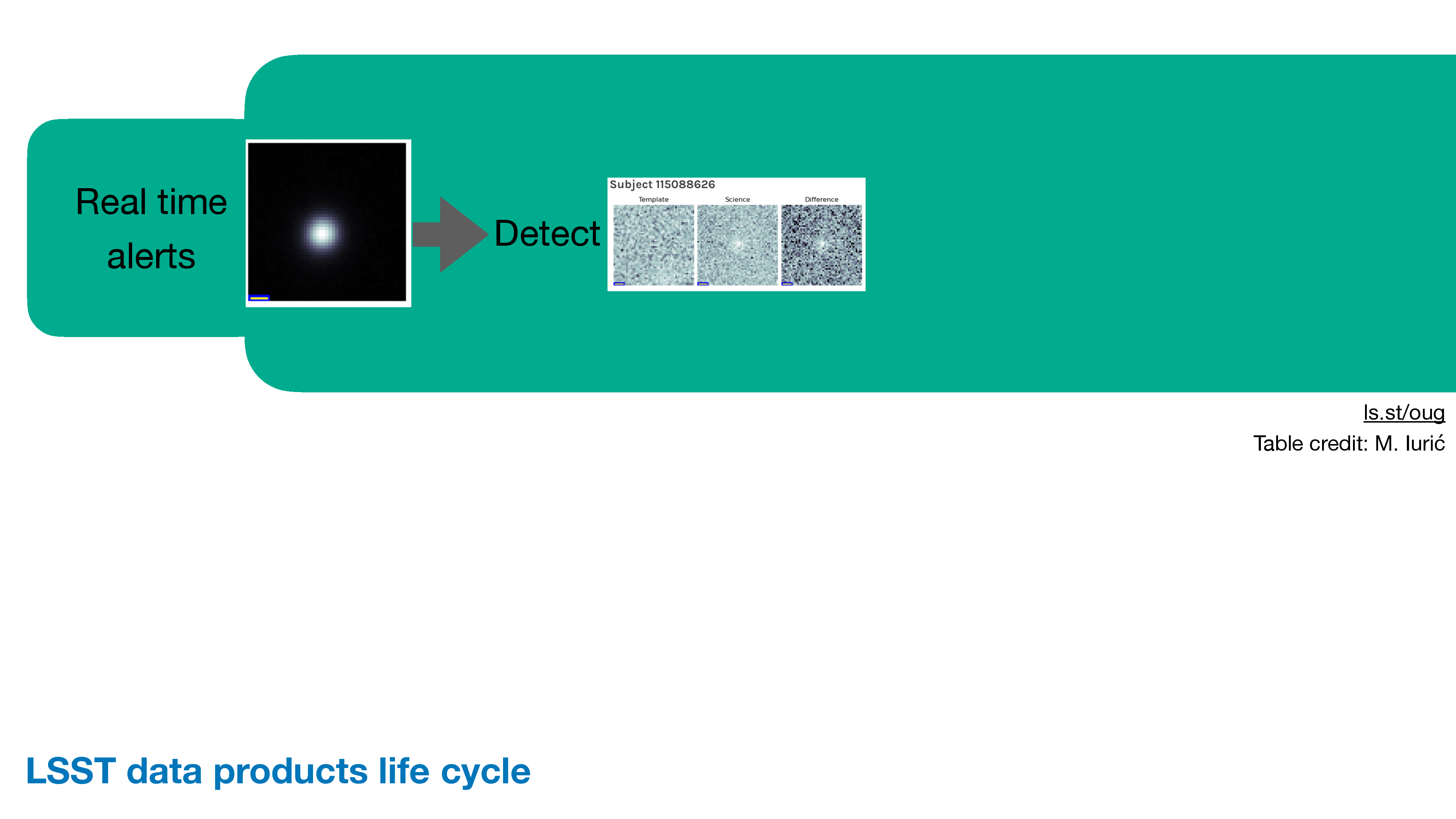
in 60 seconds:
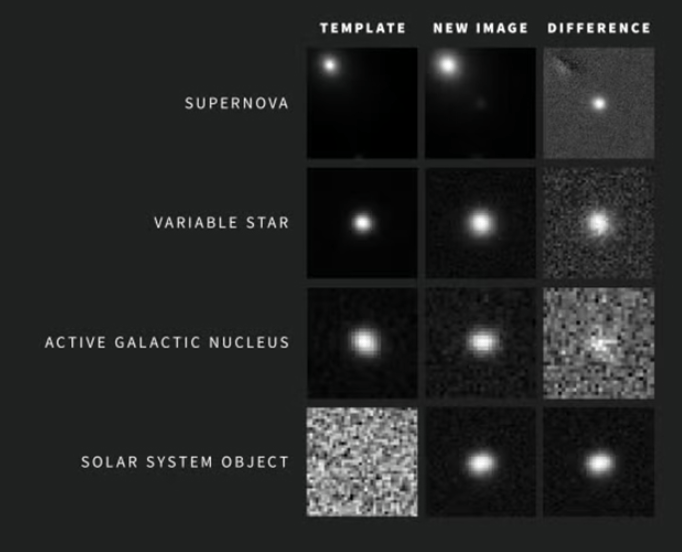
Difference Image Analysis
template
in 60 seconds:
Difference Image Analysis
template
difference image
in 60 seconds:
Difference Image Analysis
template
difference image
INFRASTRUCTURE FOR DM IS CPU BASED
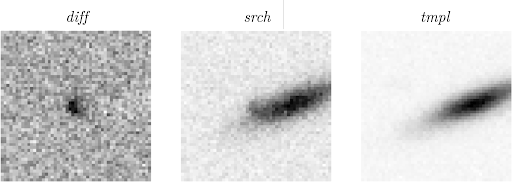
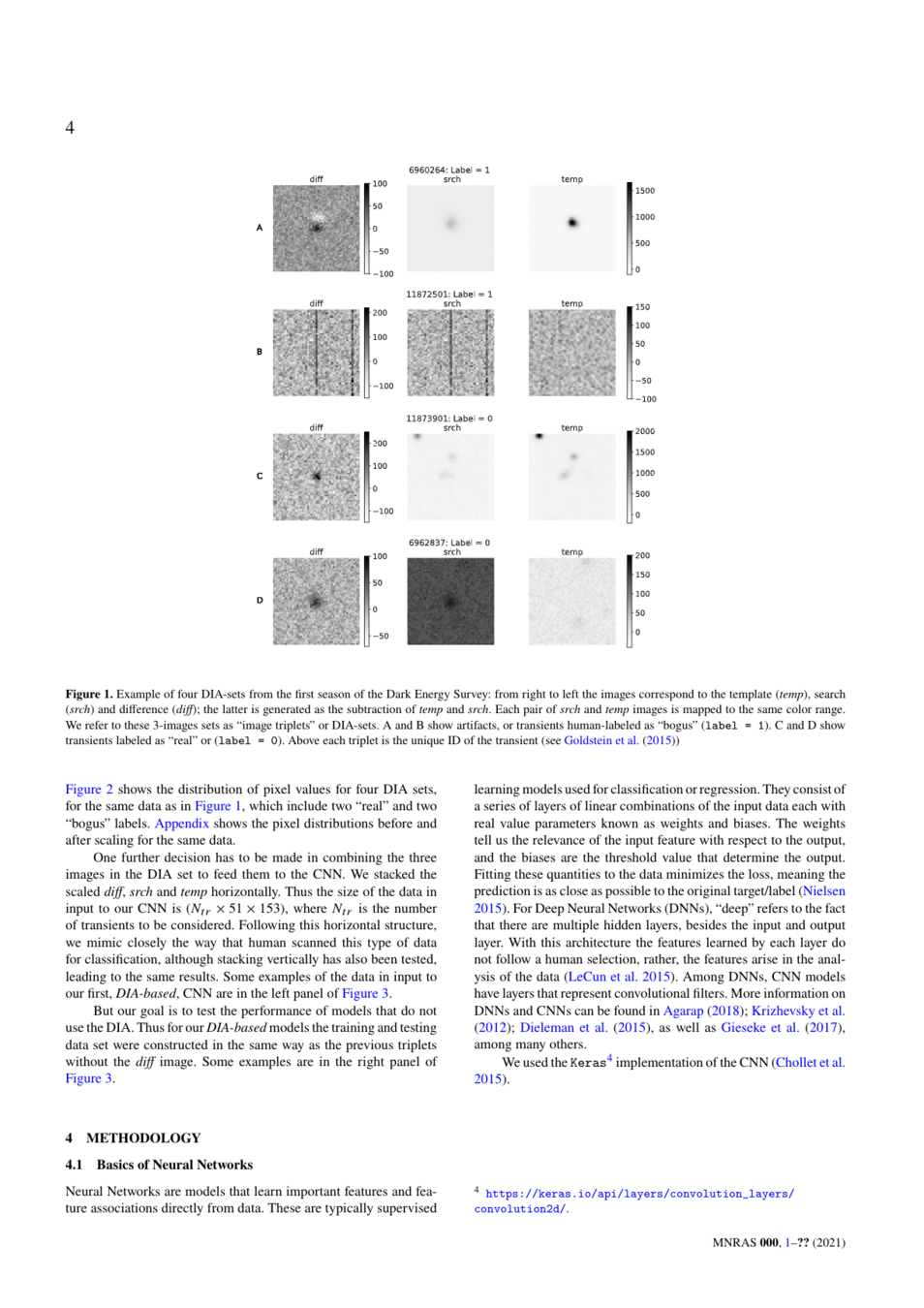
Saliency maps: what pixels matter?
search
template
difference
Acero-Cuellar et al. DESC submitted
Tatiana Acero-Cuellar
UNIDEL fellow
LSST Data Science Fellow
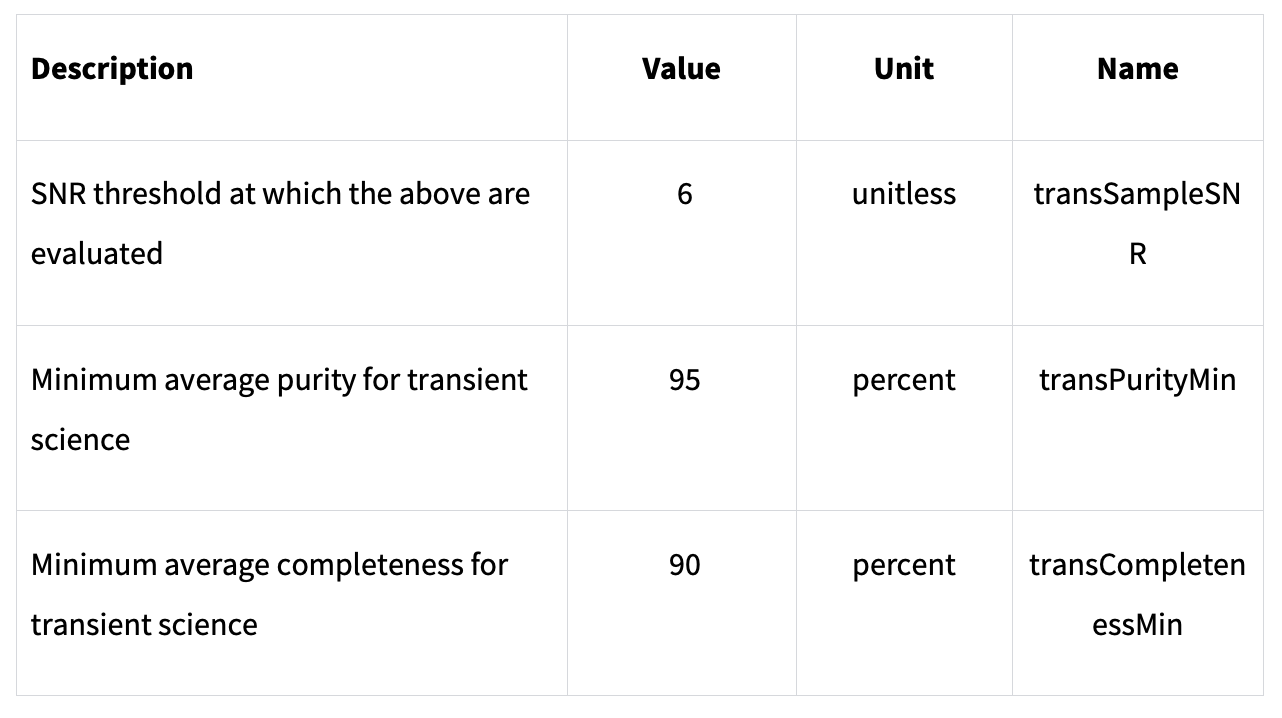
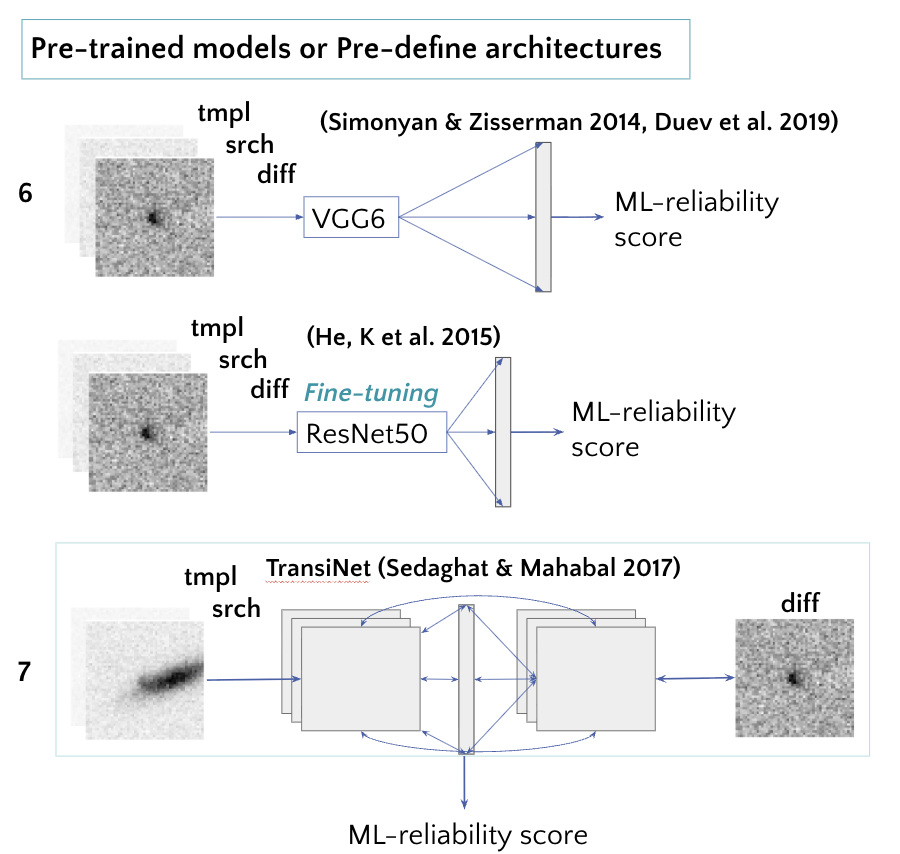
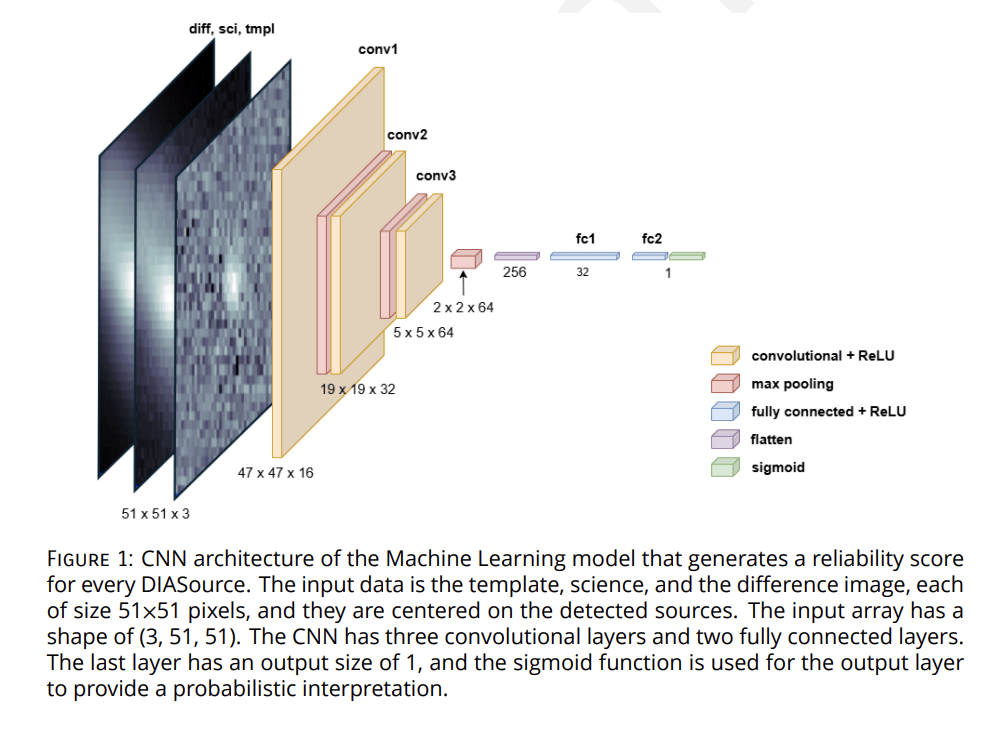
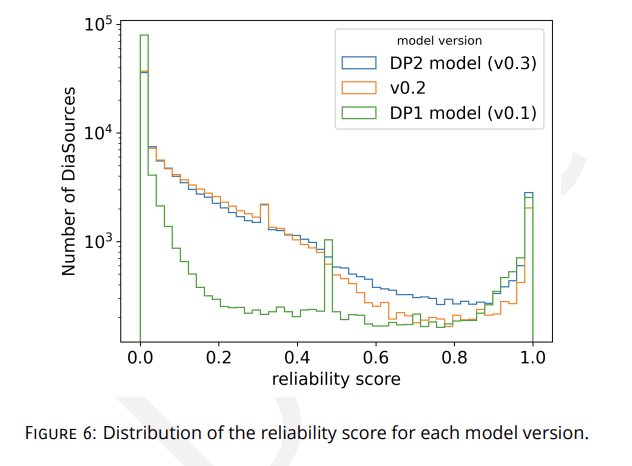
The Rubin LSST ML-Reliability Score (aka real-bogus)
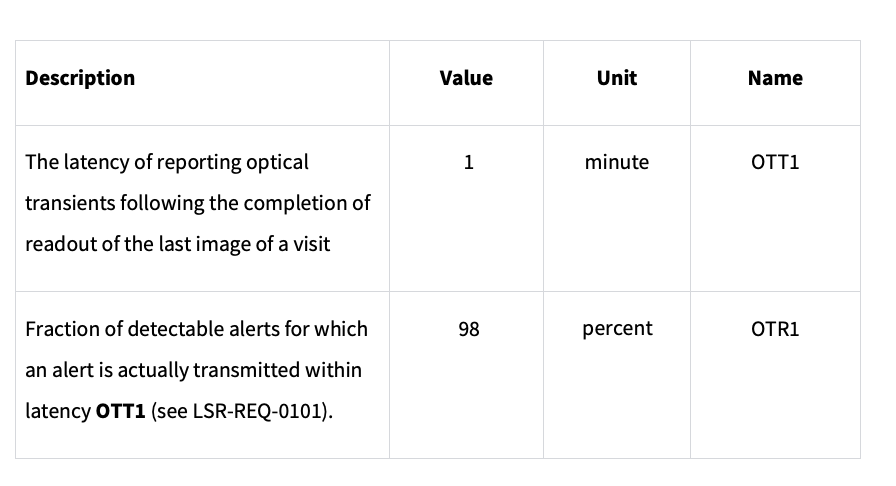
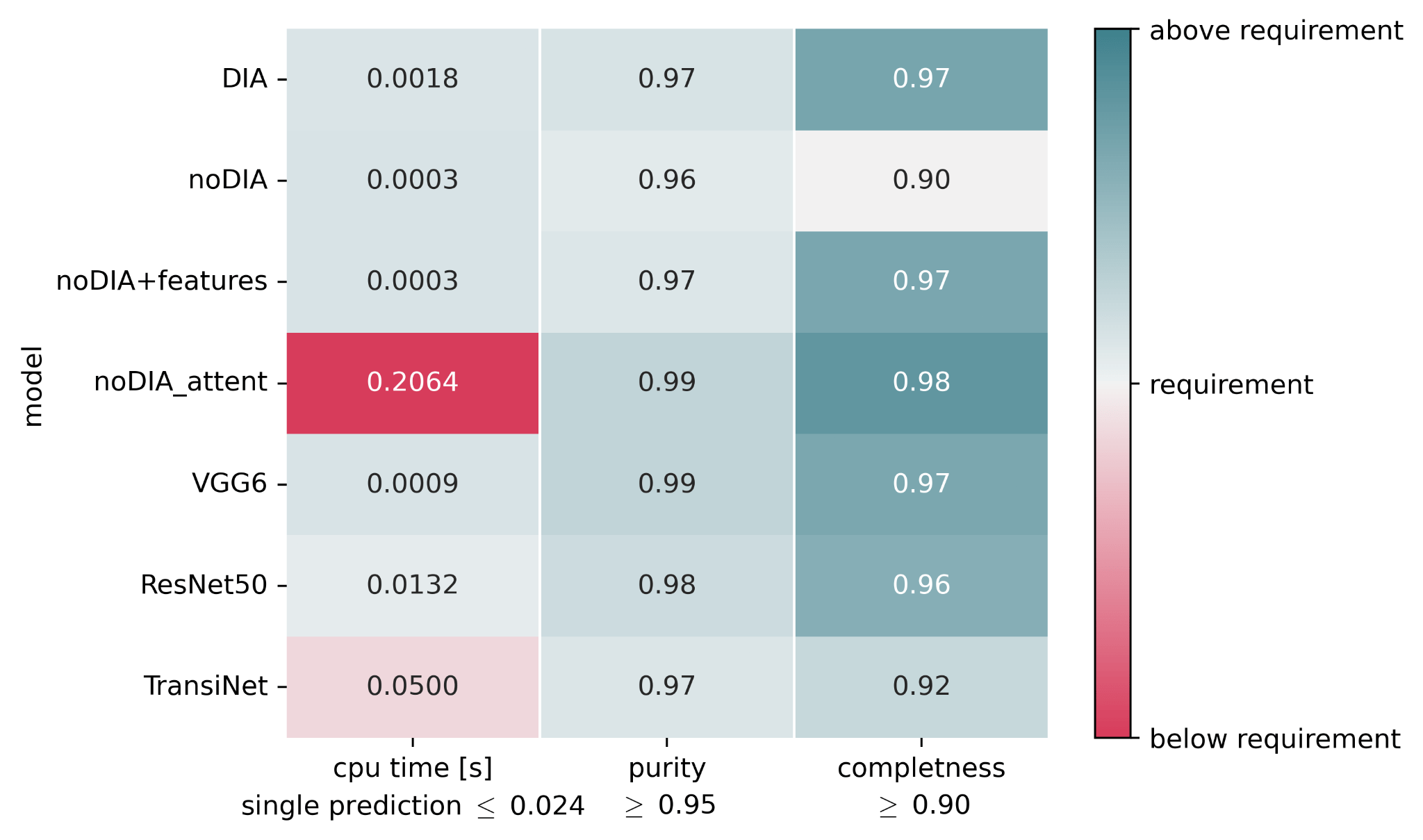
accuracy 98.06%, purity 97.87%, completeness of 98.27%... on simulated data
- requires instantaneous inference
- limited computational resources (CPU)
- evolving data quality
- limited ground truth data (e.g. no variable stars in training)
Acero-Cuellar+ in prep 2026
Weston, Acero-Cuellar+ in prep 2026
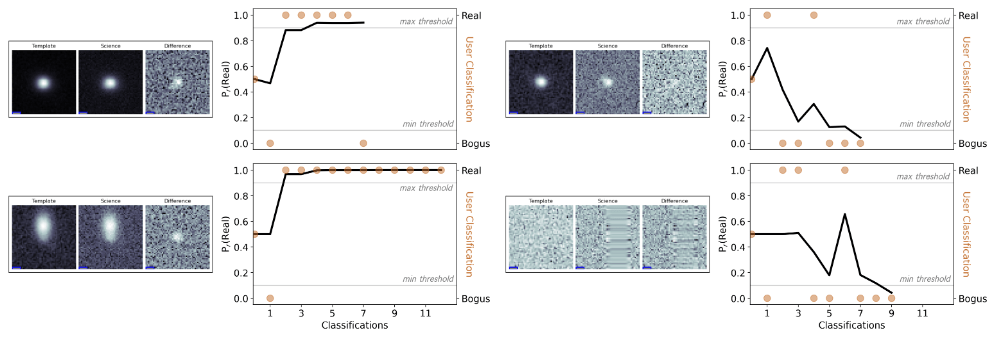
Bayesian analysis of citizens' labels
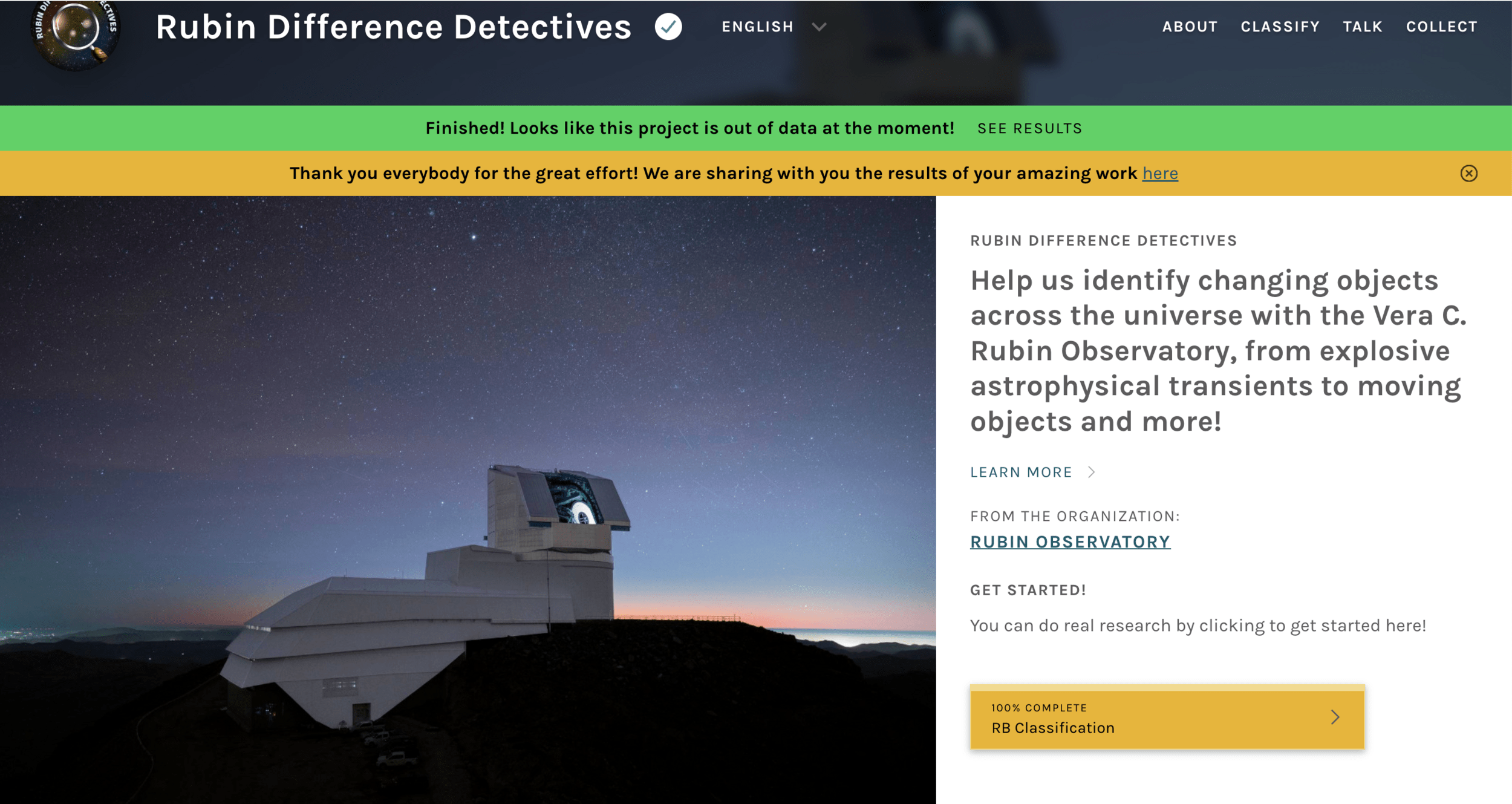
https://www.zooniverse.org/projects/ebellm/rubin-difference-detectives
POI/Variables
Ampel
Alerce
Ampel
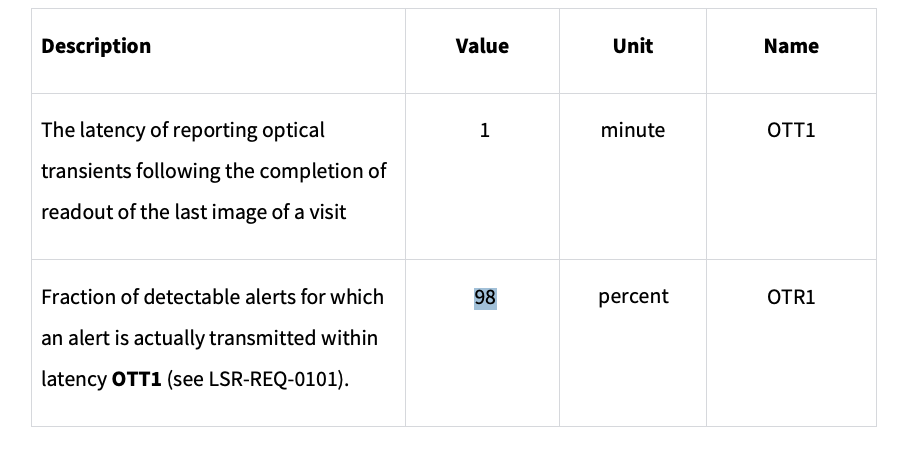
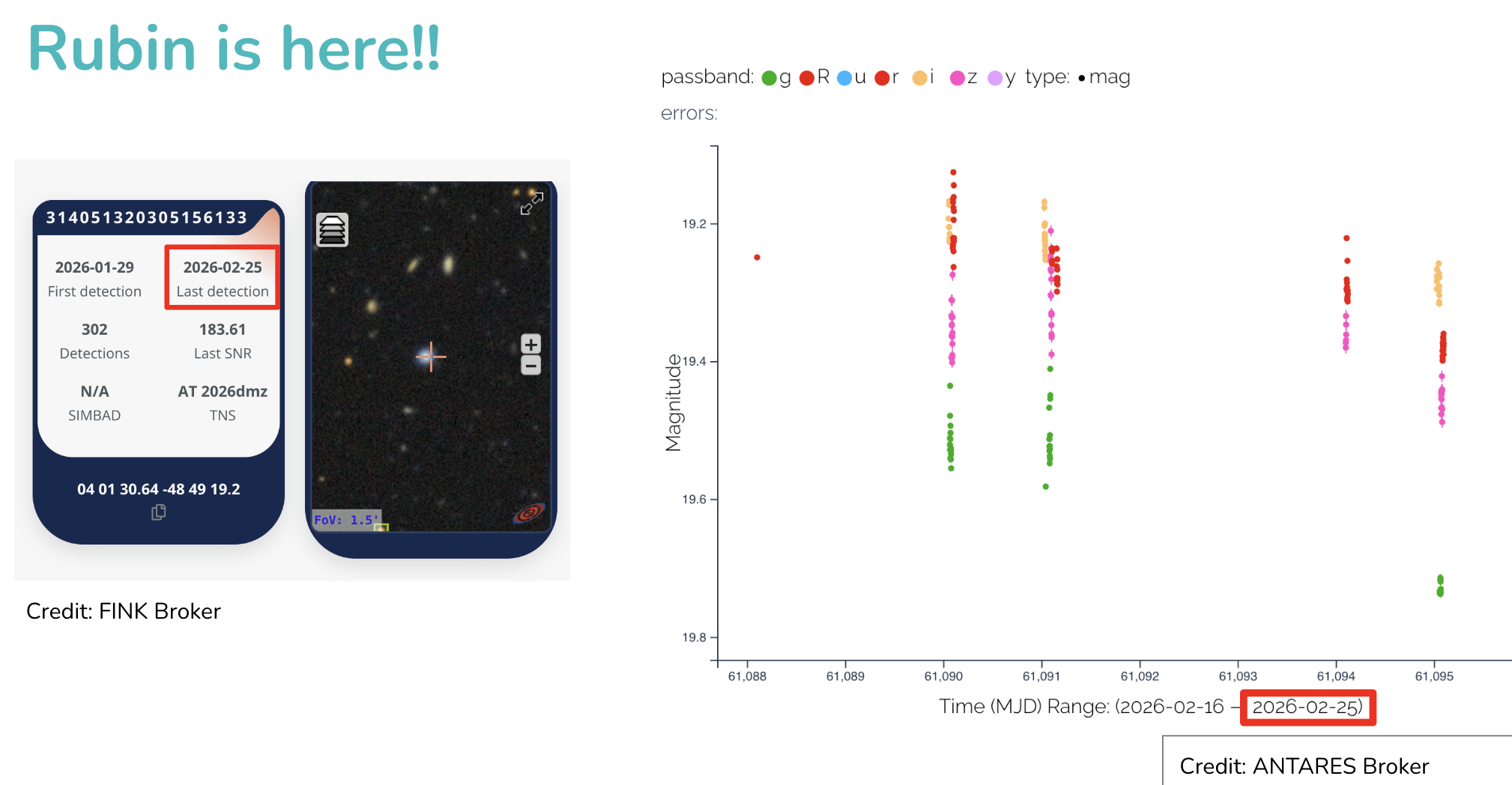
ALERTS HAVE STARTED!
Why not always? We deliver alerts on DDF+Virgo when we run the survey in survey mode (=not engineering tests)
Why not everywhere? Limited templates available - template foorprint increasing
~7M alerts per night
*Conservative ML-reliability scores for now because the infrastructure (Rubin and brokers) is still under development
classifications by ALeRce and Lasair
ALERTS HAVE STARTED!
ALERTS HAVE STARTED!
Email: tztang [at] bu [dot] edu
Hi! I'm Xianzhe Tang ‘TZ’, currently a grad student in Astronomy at Boston University
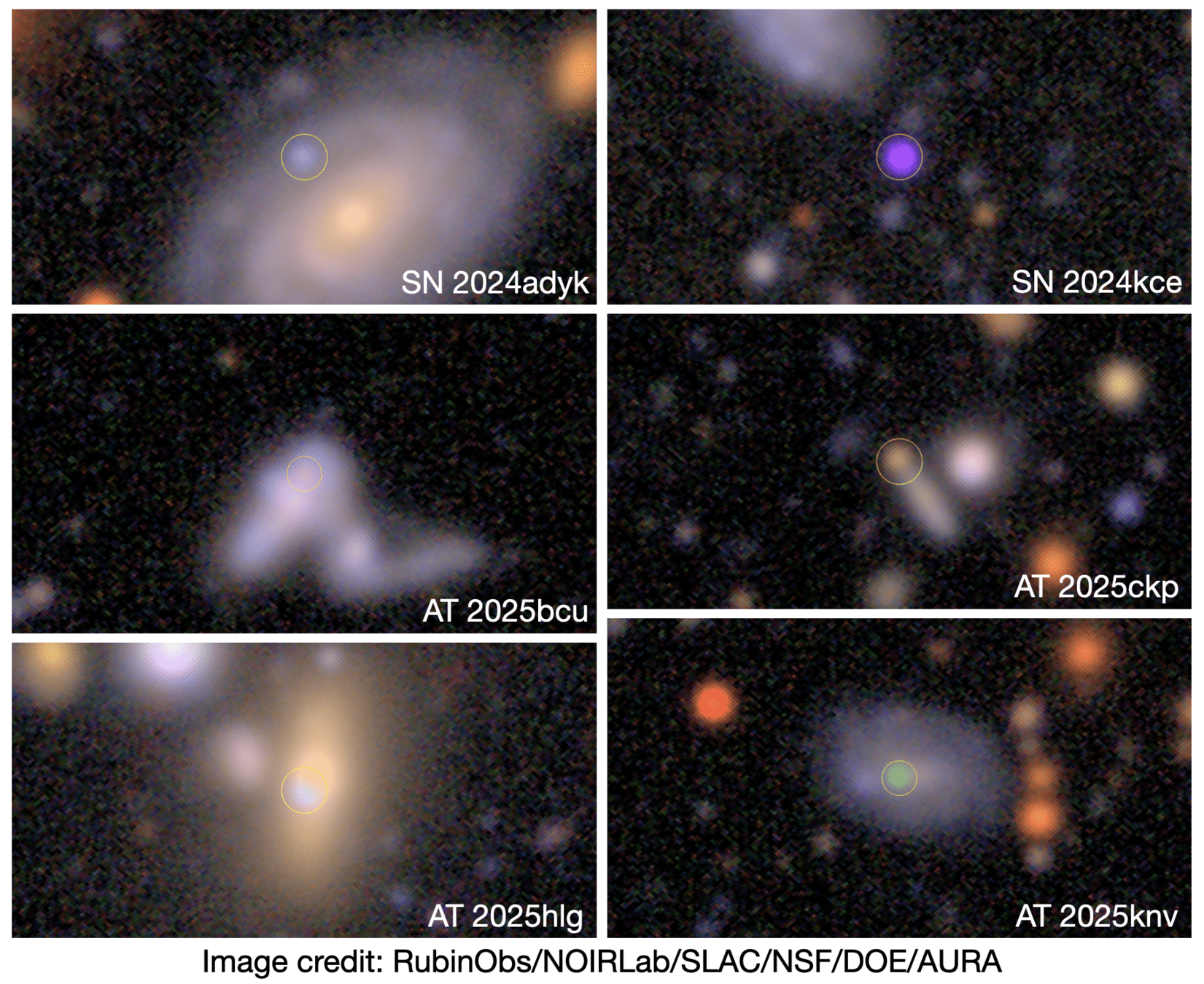
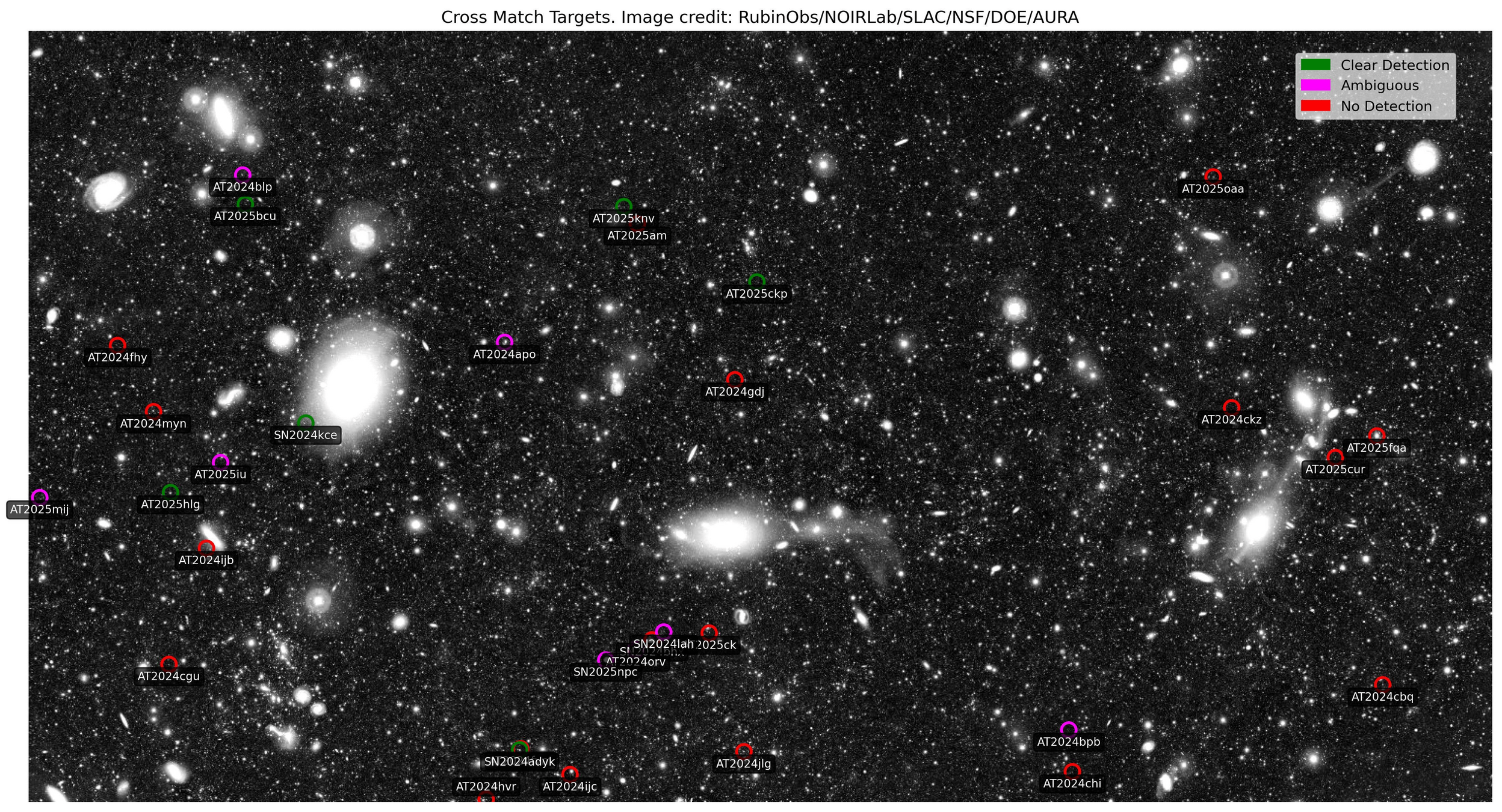
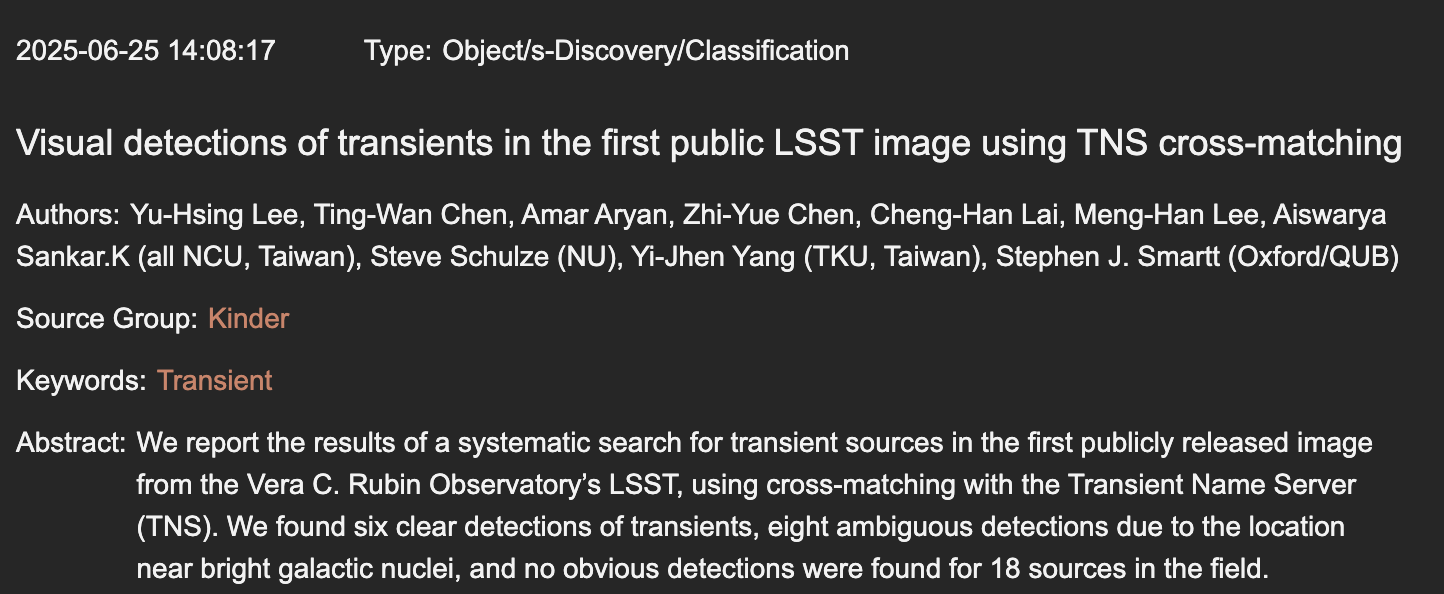
We are already discovering!
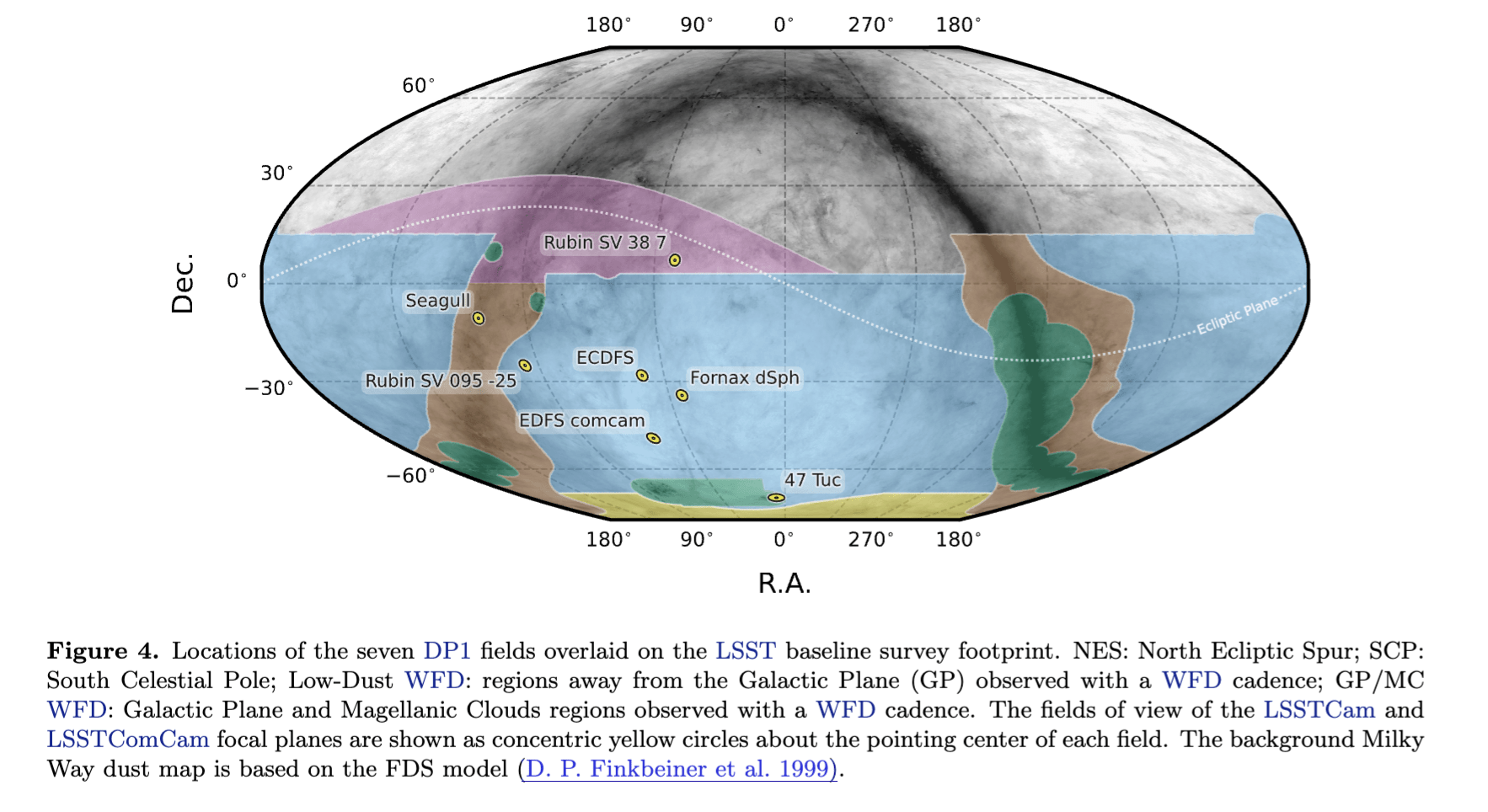
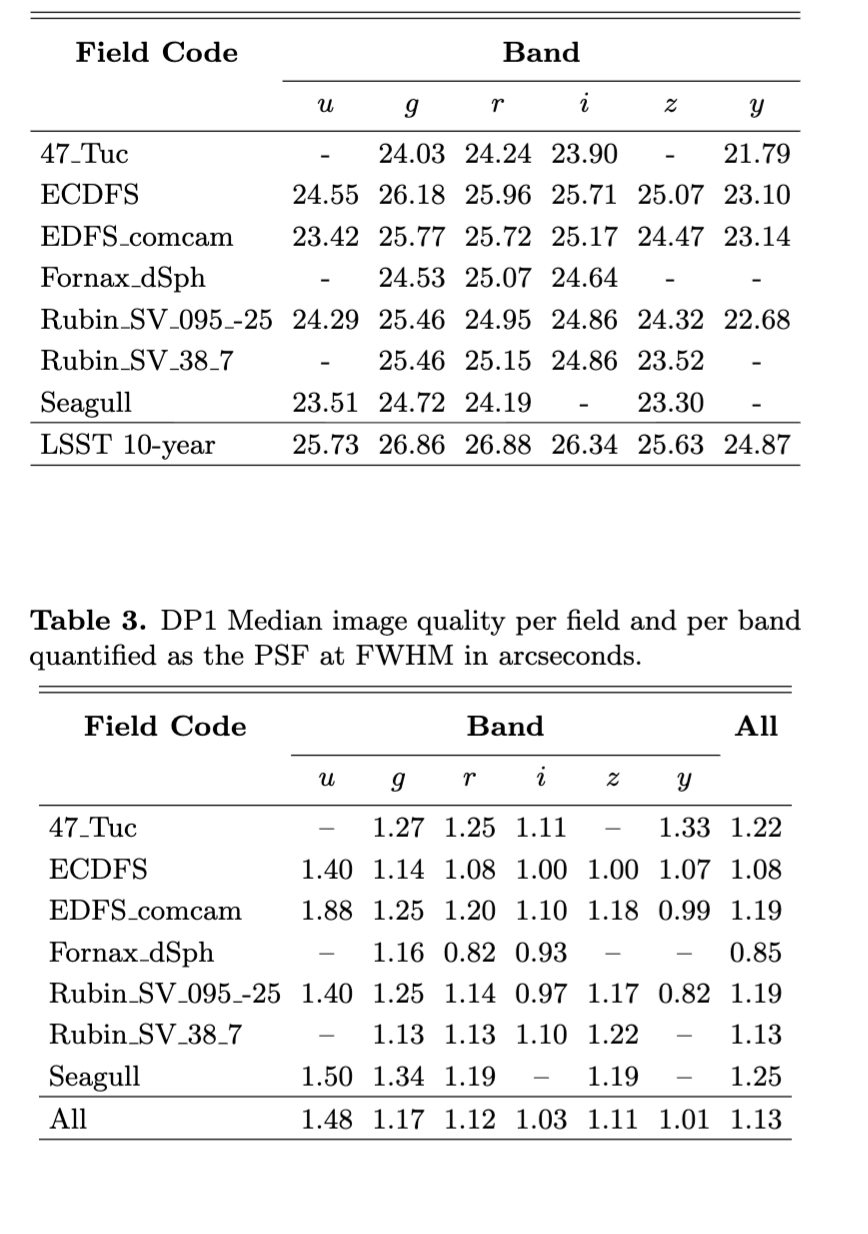
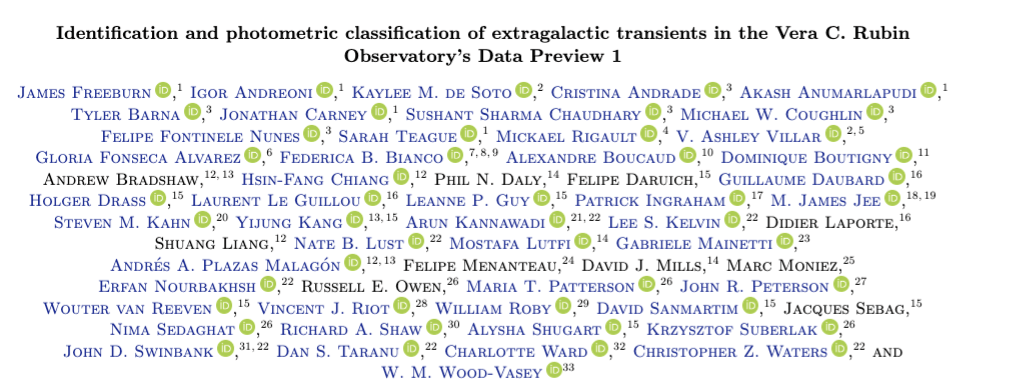
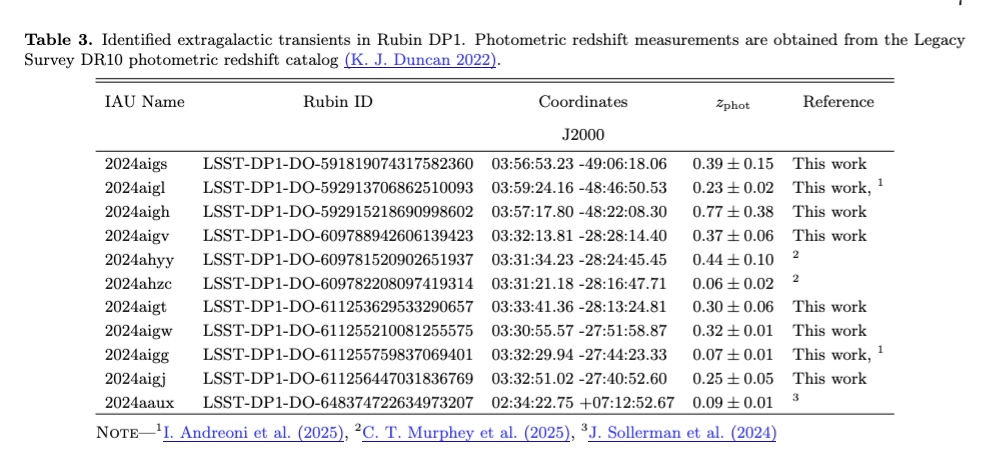
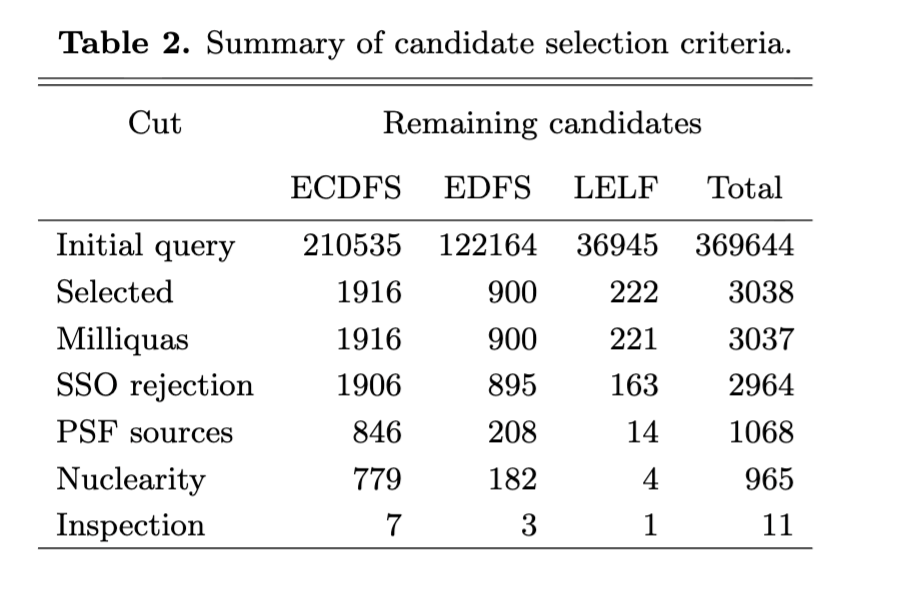
The Vera C. Rubin Observatory Data Preview 1
June 30, 2025
DP1 release!
>25% DIA detections
>25% DIA detections
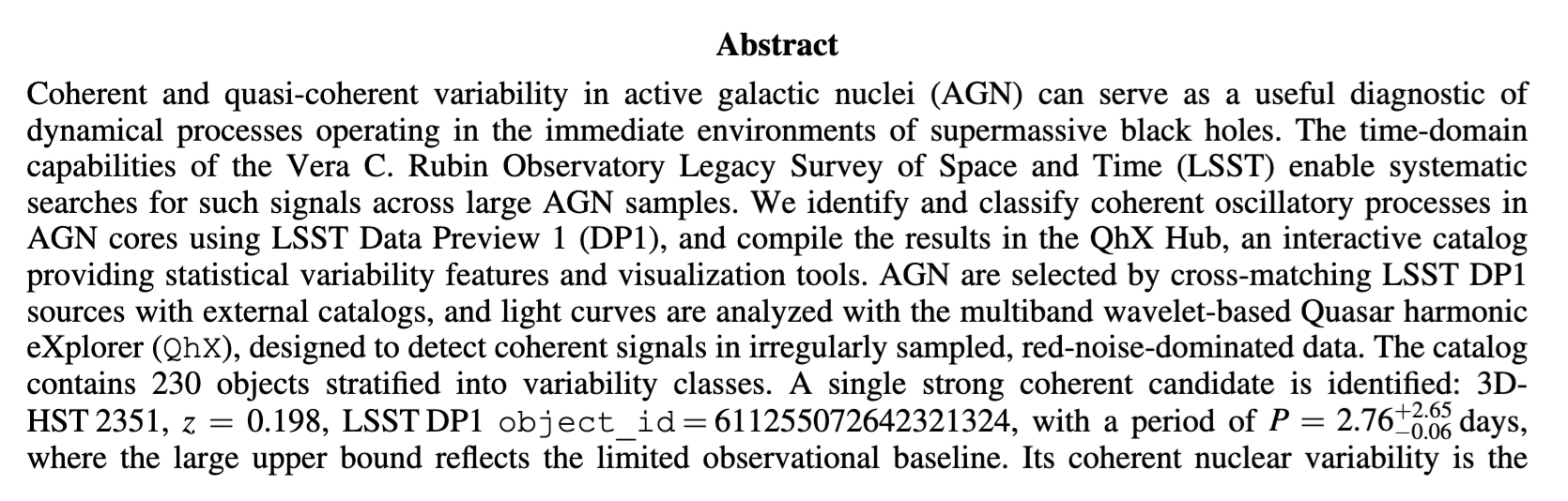
1 AGN
>25% DIA detections
1 AGN
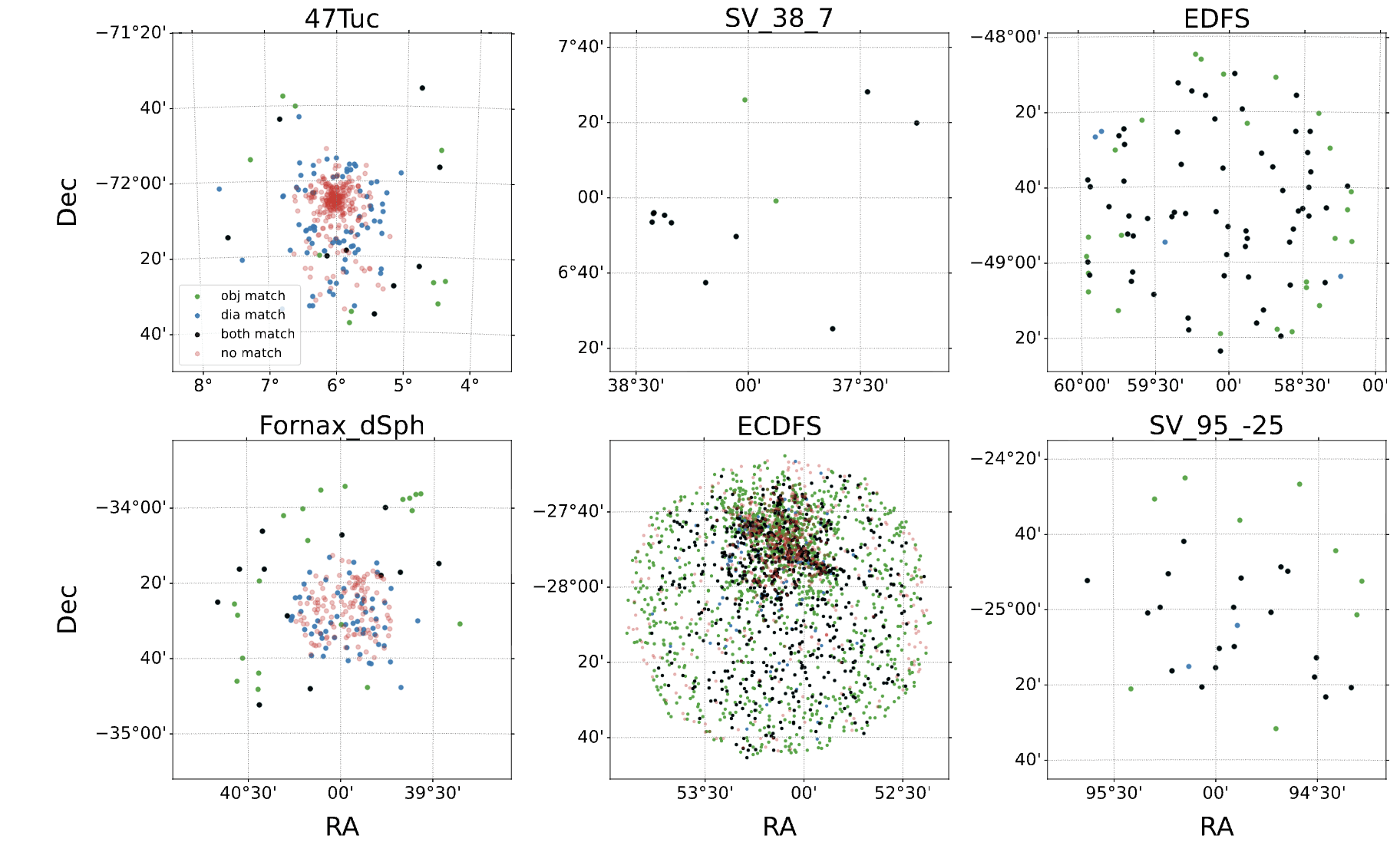
Galactic variables
>25% DIA detections
new AGNs/TDEs
1 AGN
Galactic variables
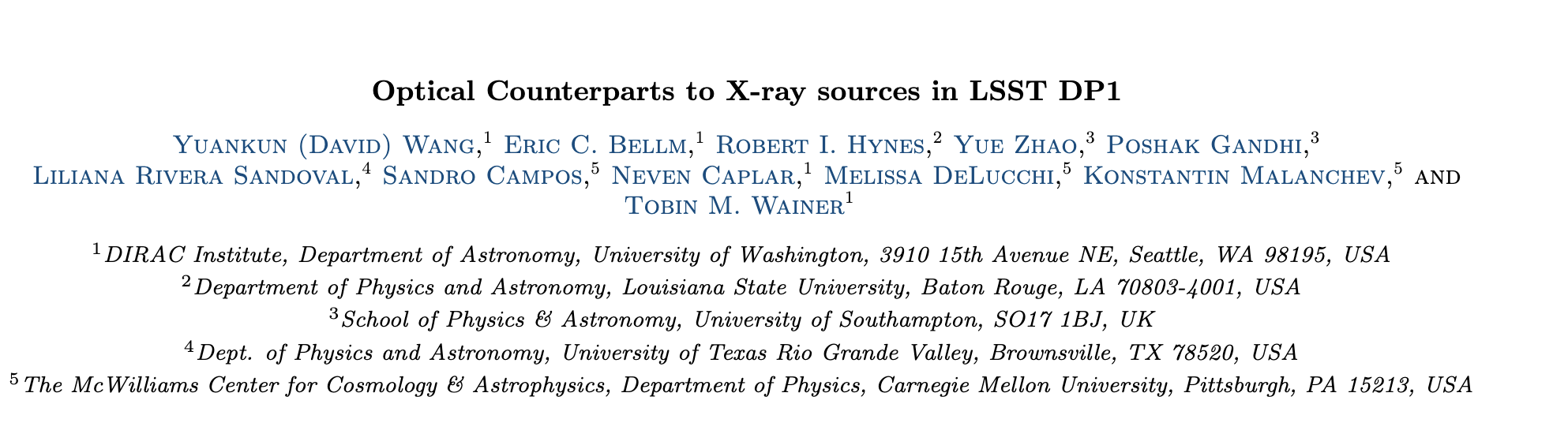
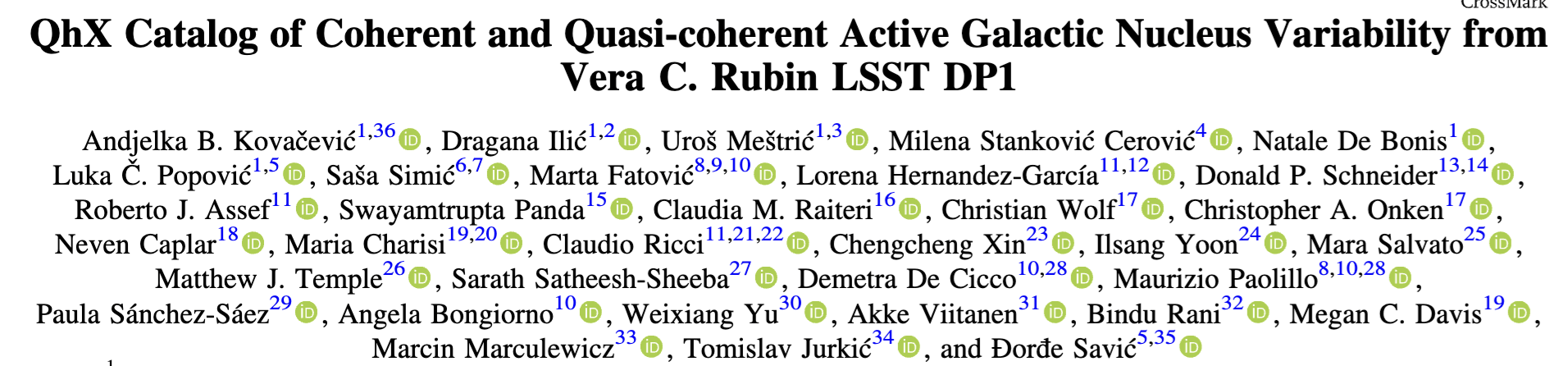
We find matches to 2314 of 3830 X-ray sources. [..] We calculate the Stetson J variability index for each object under the
hypothesis that X-ray counterparts tend to exhibit higher optical variability[..]
Cadence simulations demonstrate that full 10-year LSST baselines will increase median Stetson J values for AGN up to ~18, turning optical variability into a powerful orthogonal axis for confirming faint X-ray counterparts without requiring immediate spectroscopic follow-up
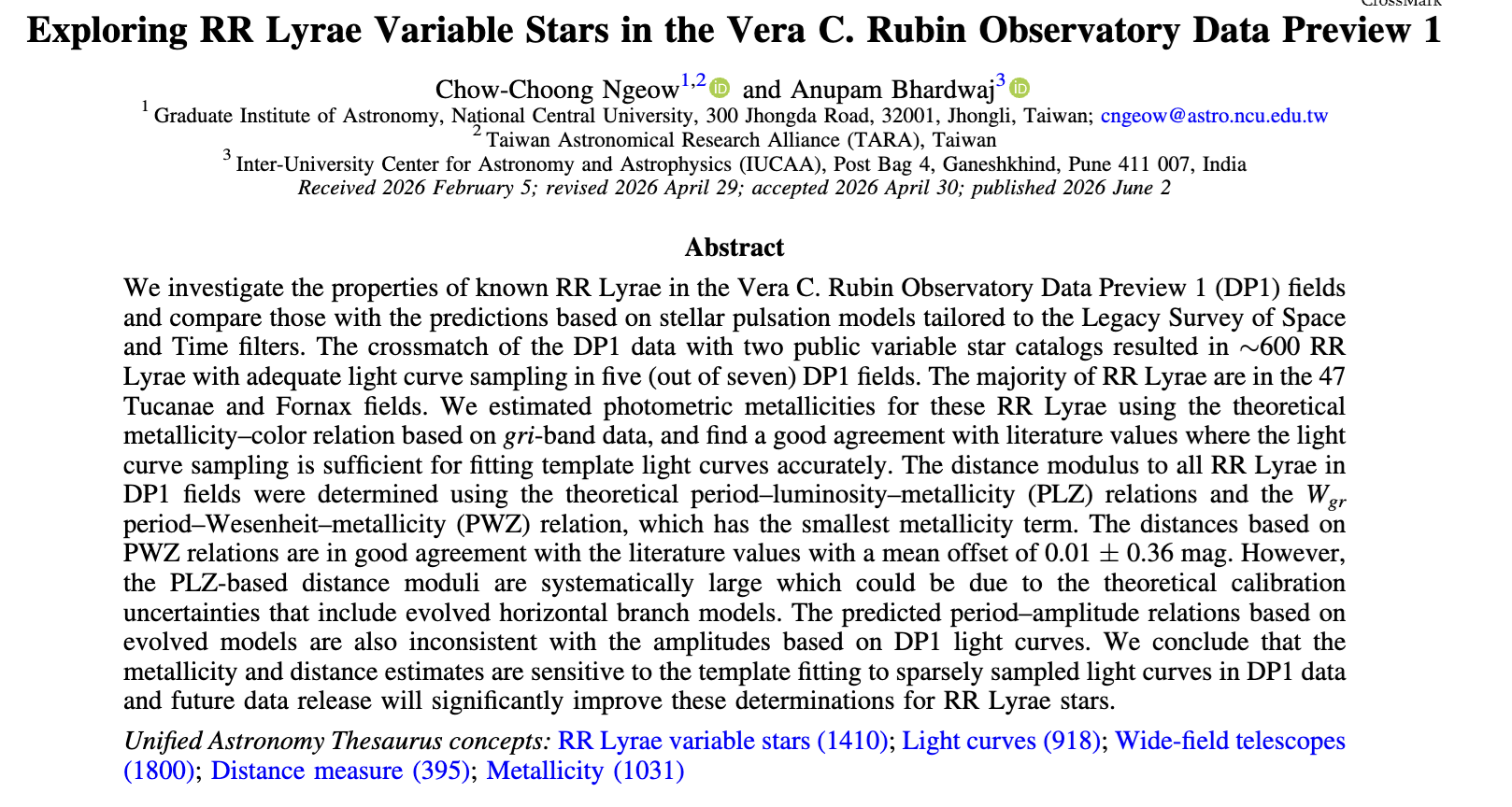
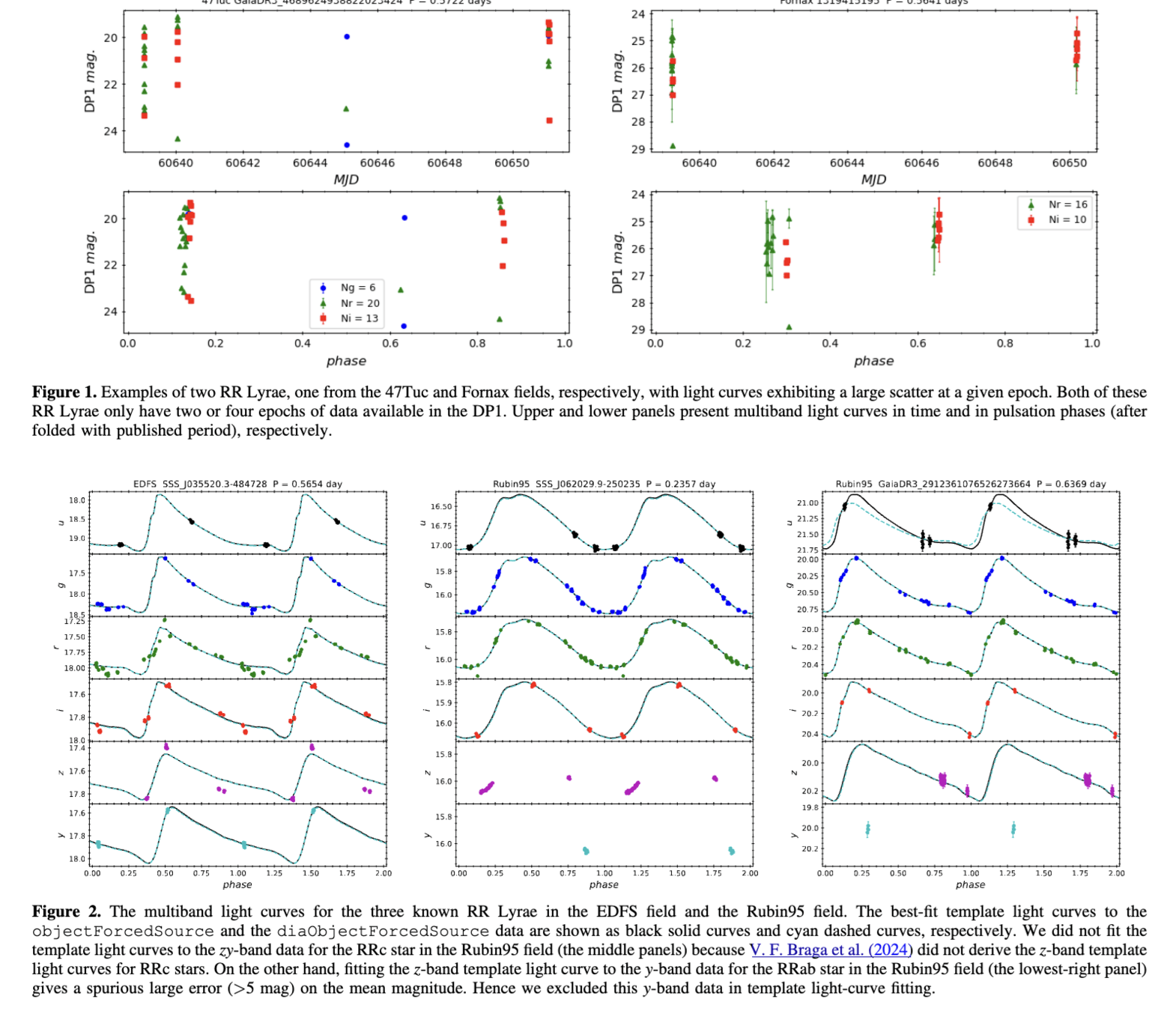
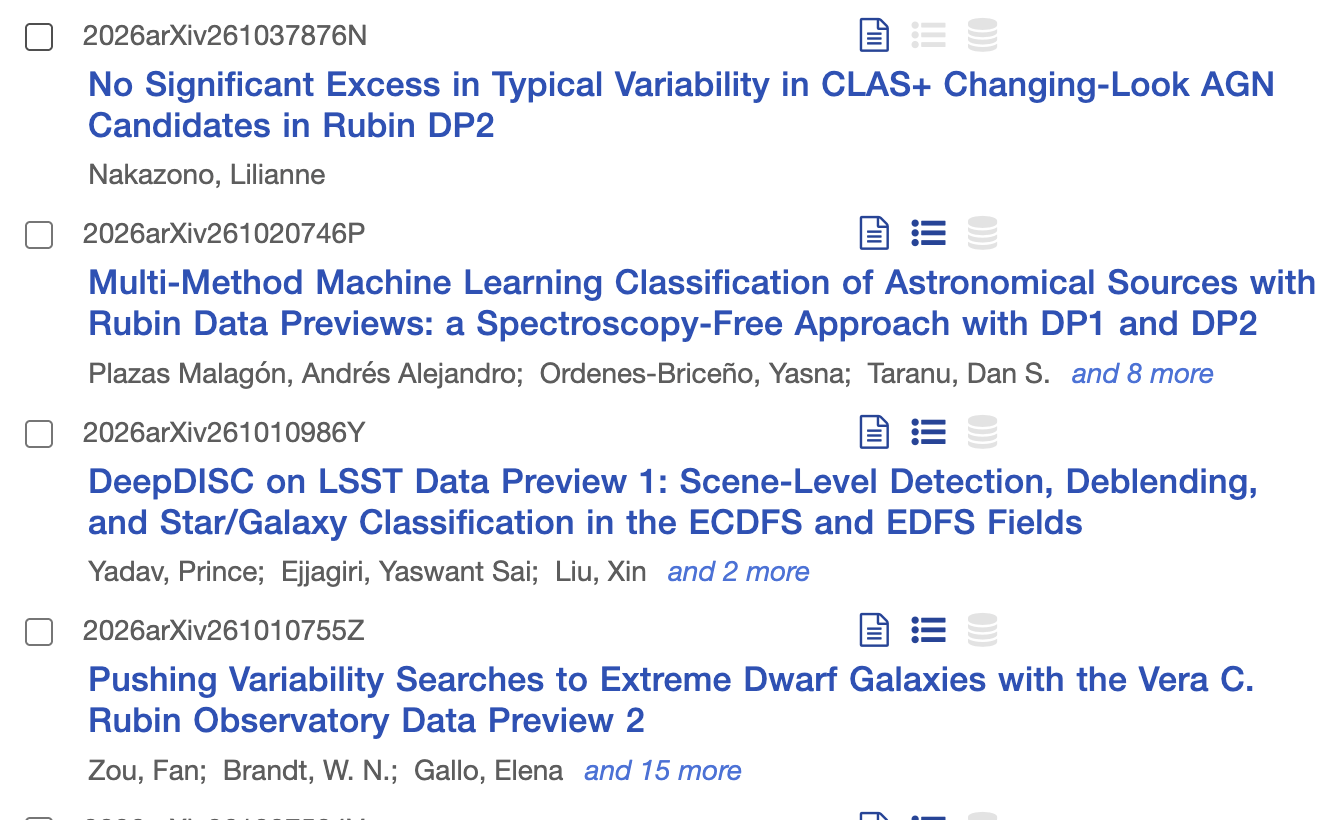
the PLZ-based distance moduli are systematically large which could be due to the theoretical calibration
uncertainties that include evolved horizontal branch models. The predicted period–amplitude relations based on
evolved models are also inconsistent with the amplitudes based on DP1 light curves. We conclude that the
metallicity and distance estimates are sensitive to the template fitting to sparsely sampled light curves in DP1 data
and future data release will significantly improve these determinations for RR Lyrae stars
Future LSST data releases will
enable repeated recalculation of the full catalog on progressively longer baselines, incorporating both the sources
analyzed here and newly available AGN entering subsequent
releases. This will allow systematic tracking of candidate
behavior over time, including tests of signal persistence, phase
stability, secular drift, and the appearance of new periodic
candidates.
.......
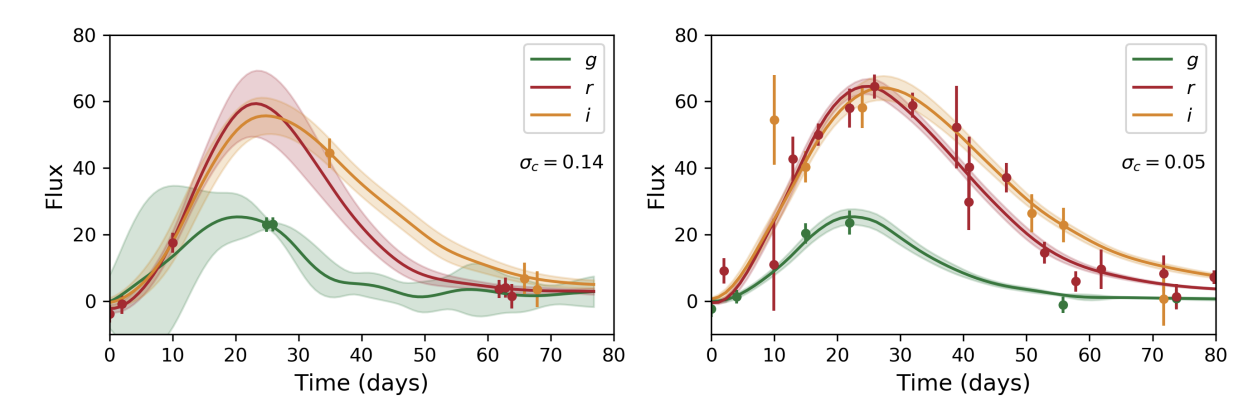
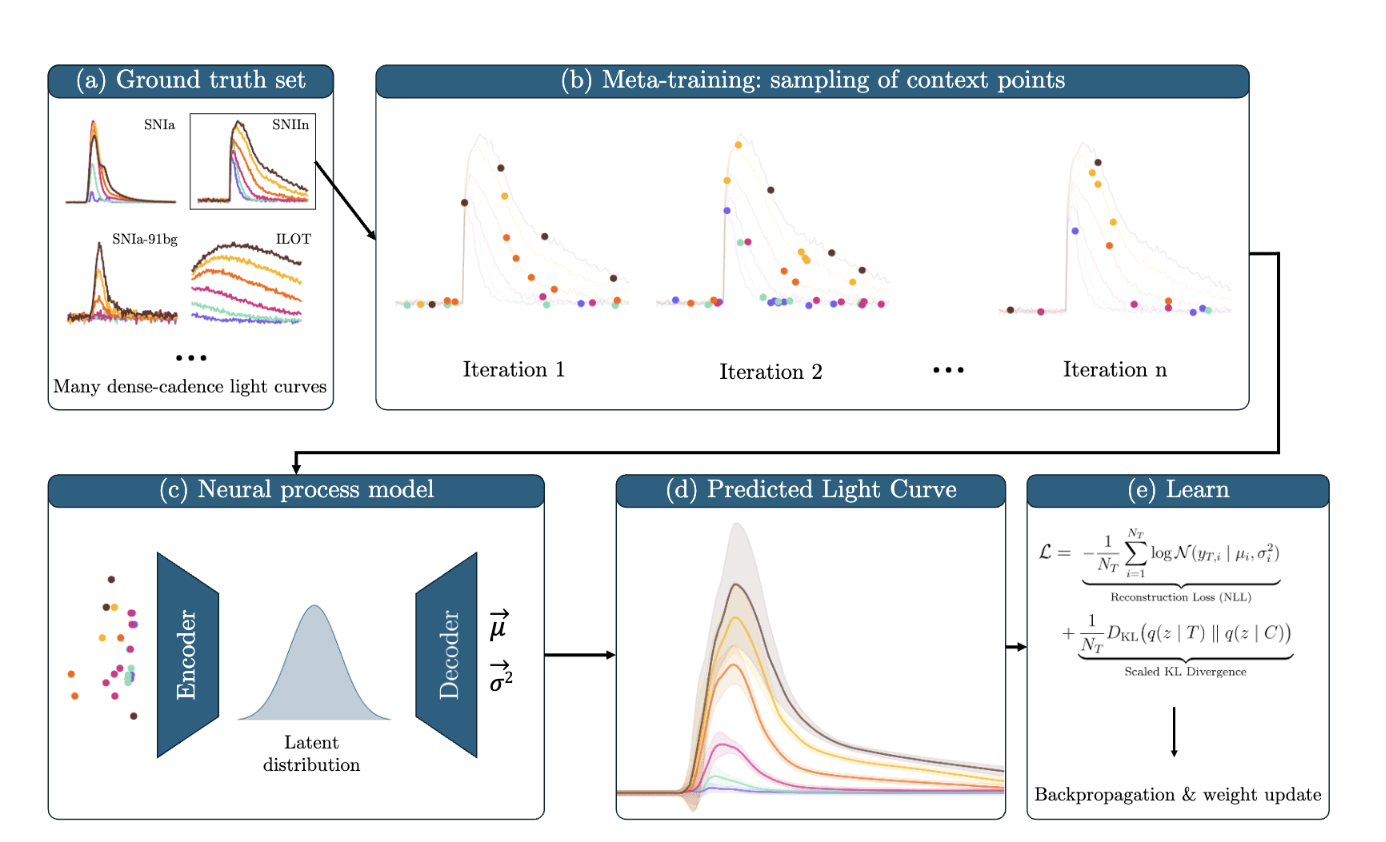
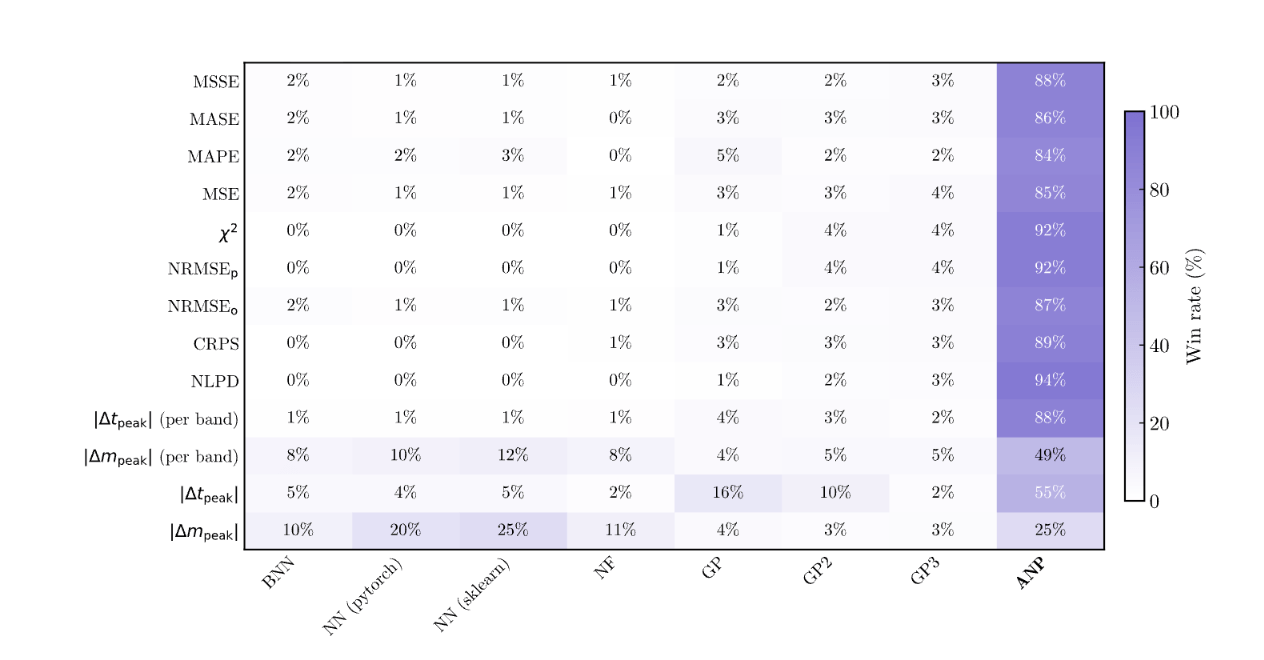
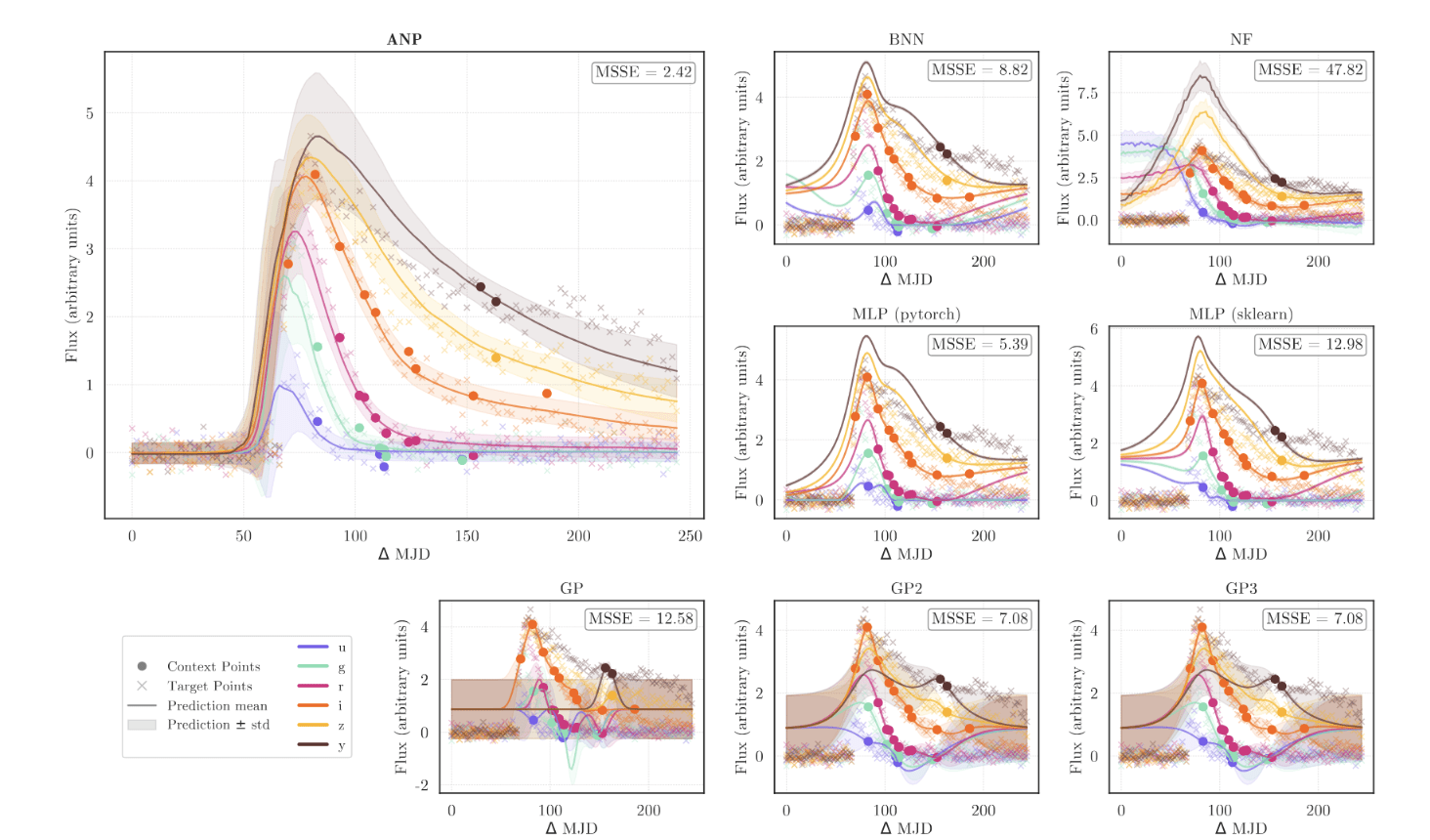
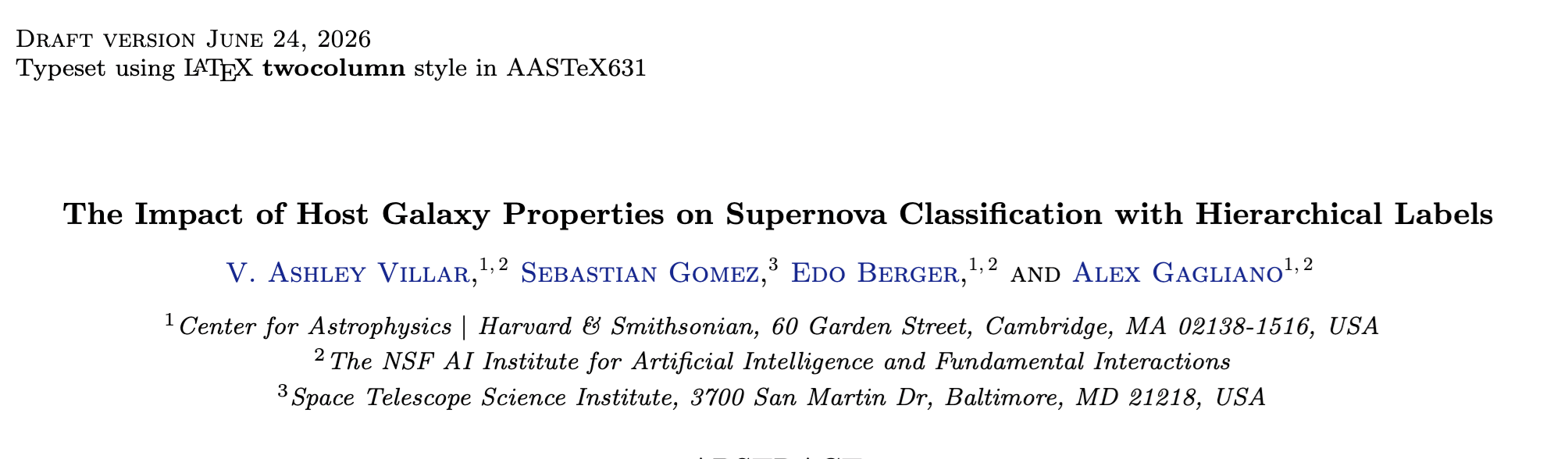
Gaussian processes work by imposing a kernel that represents the covariance in the data (how data depend on time or time/wavelength). Imposing the same kernel for different time-domain phenomena is principally incorrect
=> bias toward known classes
CHALLENGE Sparse multiband lightcurves
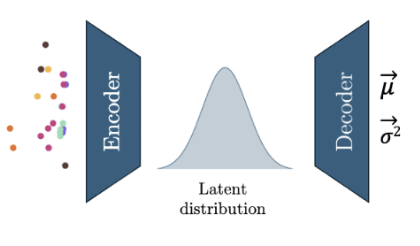
Neural processes replace the imposed kernel with a learned one
Neural Network Latent Space Representation
=> non interpretable
Siddharth Chaini
NASA FINESST Fellow
UD Excellence Fellow
DSI Fellow
ON THE JOB MARKET!!
NEURIps 2026 (in Paris!)
NEURIps 2026 (in Paris!)
Siddharth Chaini
NASA FINESST Fellow
UD Excellence Fellow
DSI Fellow
ON THE JOB MARKET!!
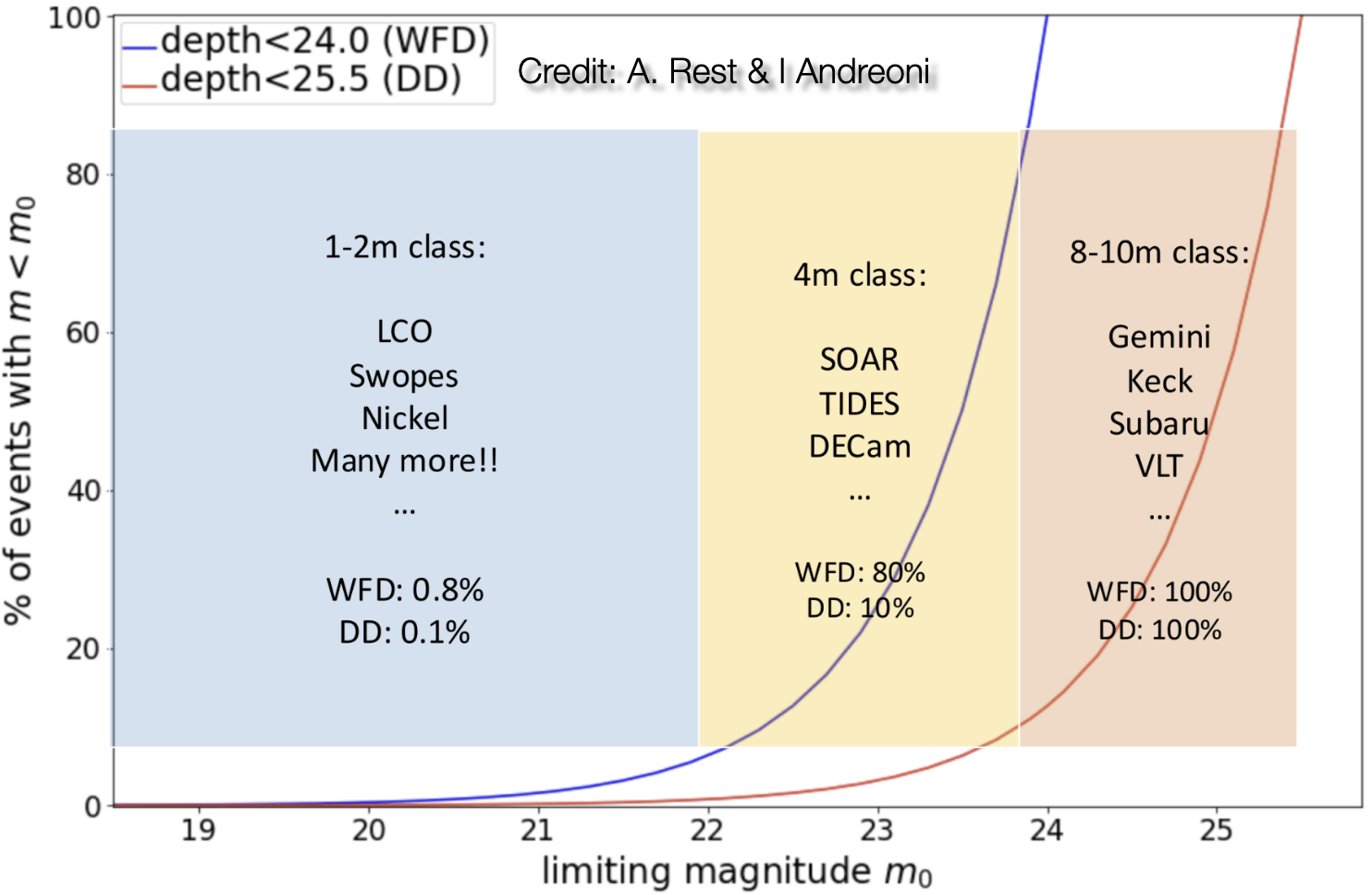
Spectroscopic classification at scale will not be possible
Rest+Andreoni
Text
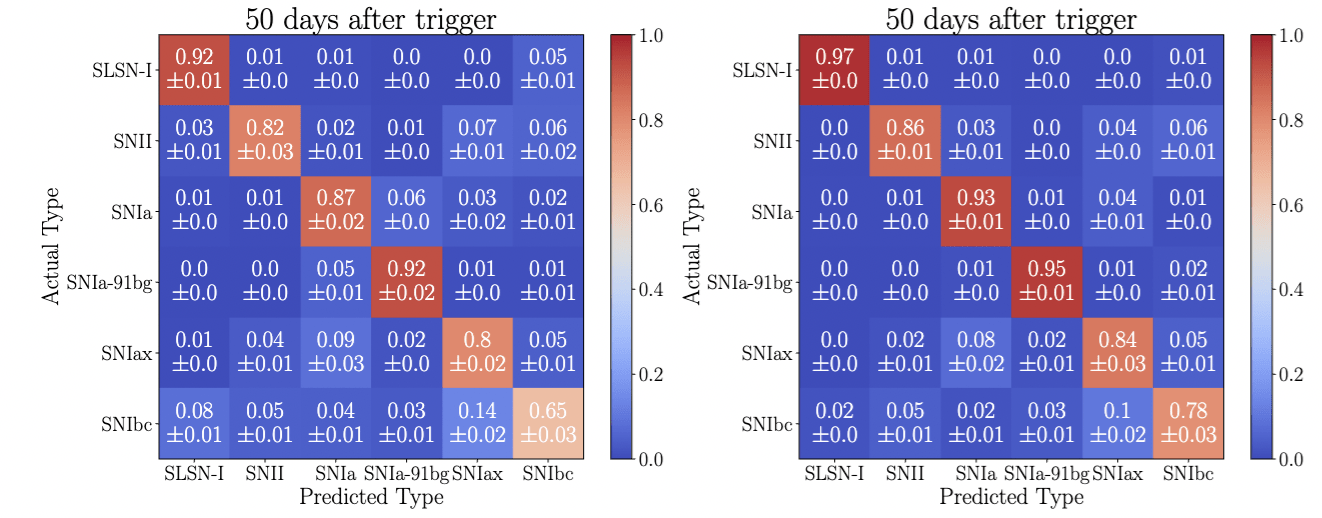
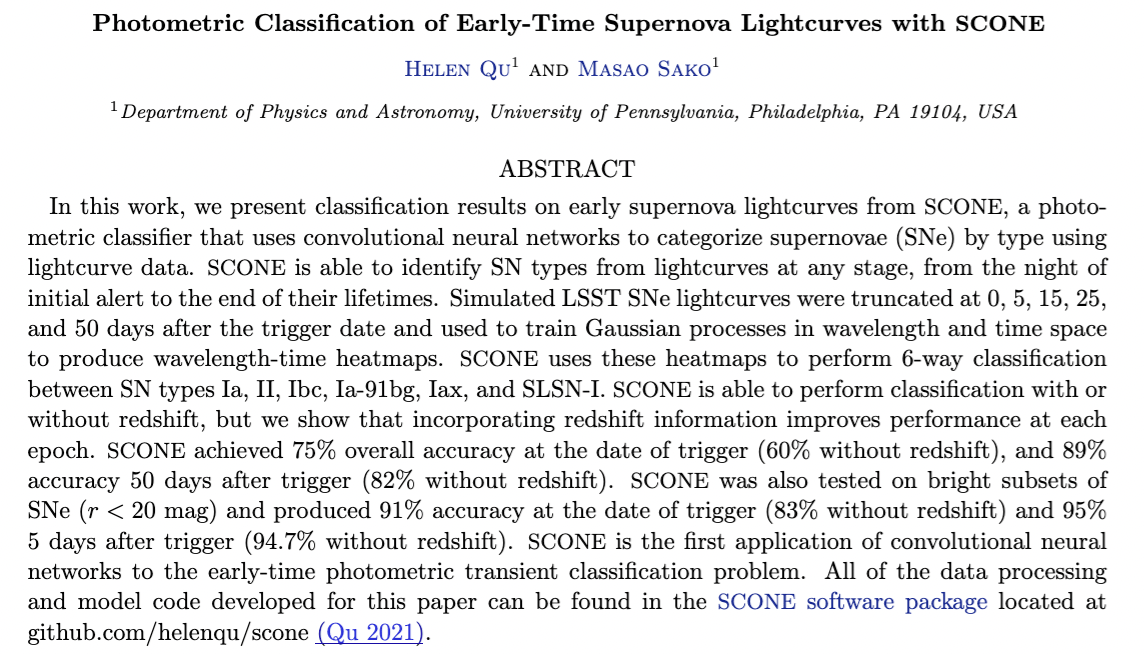
Photometric classification from sparse data: Lightcurves
without redshift
with redshift
SEDM→
Median SNID template SNR →
Dr. Willow Fortino
UDelaware
Willow Fox Fortino
UDelaware
Text
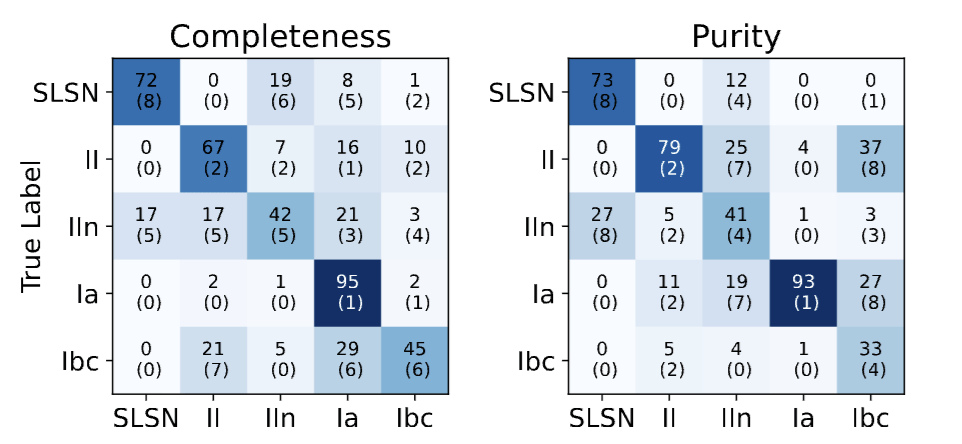
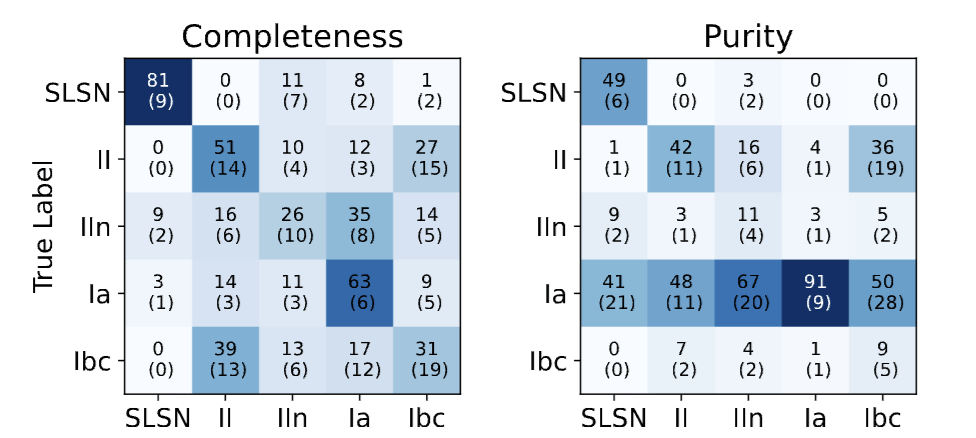
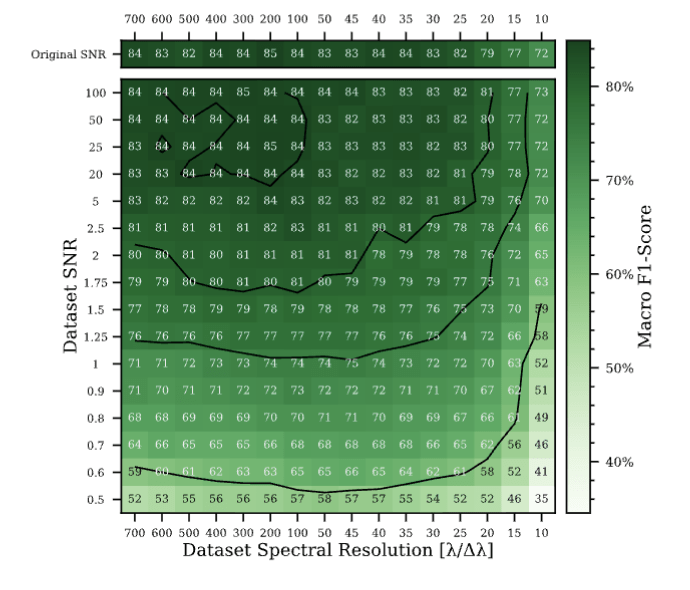
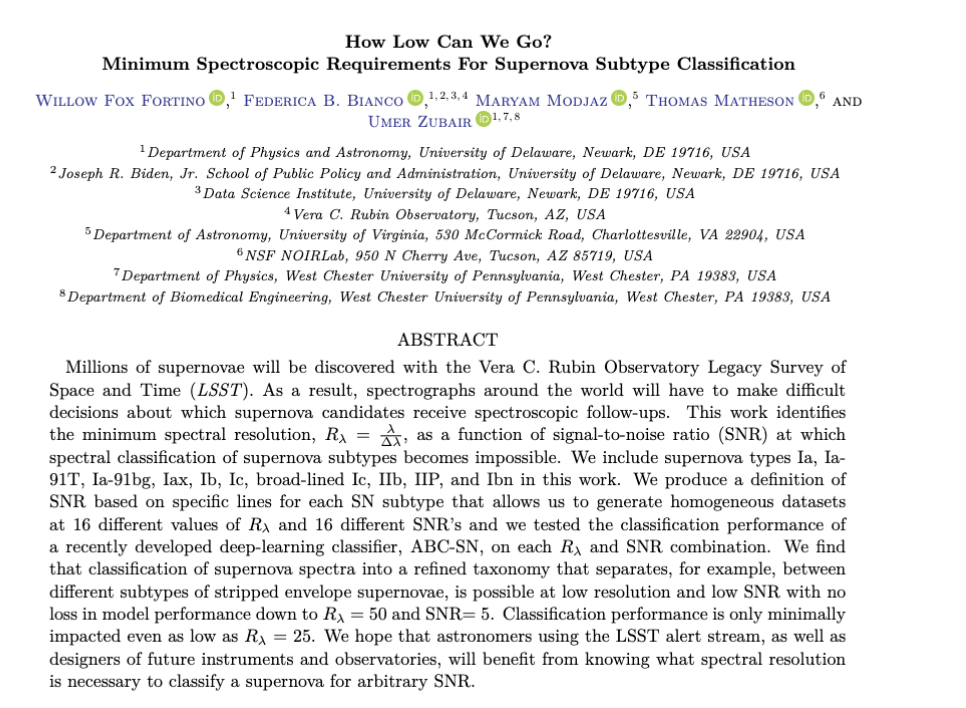
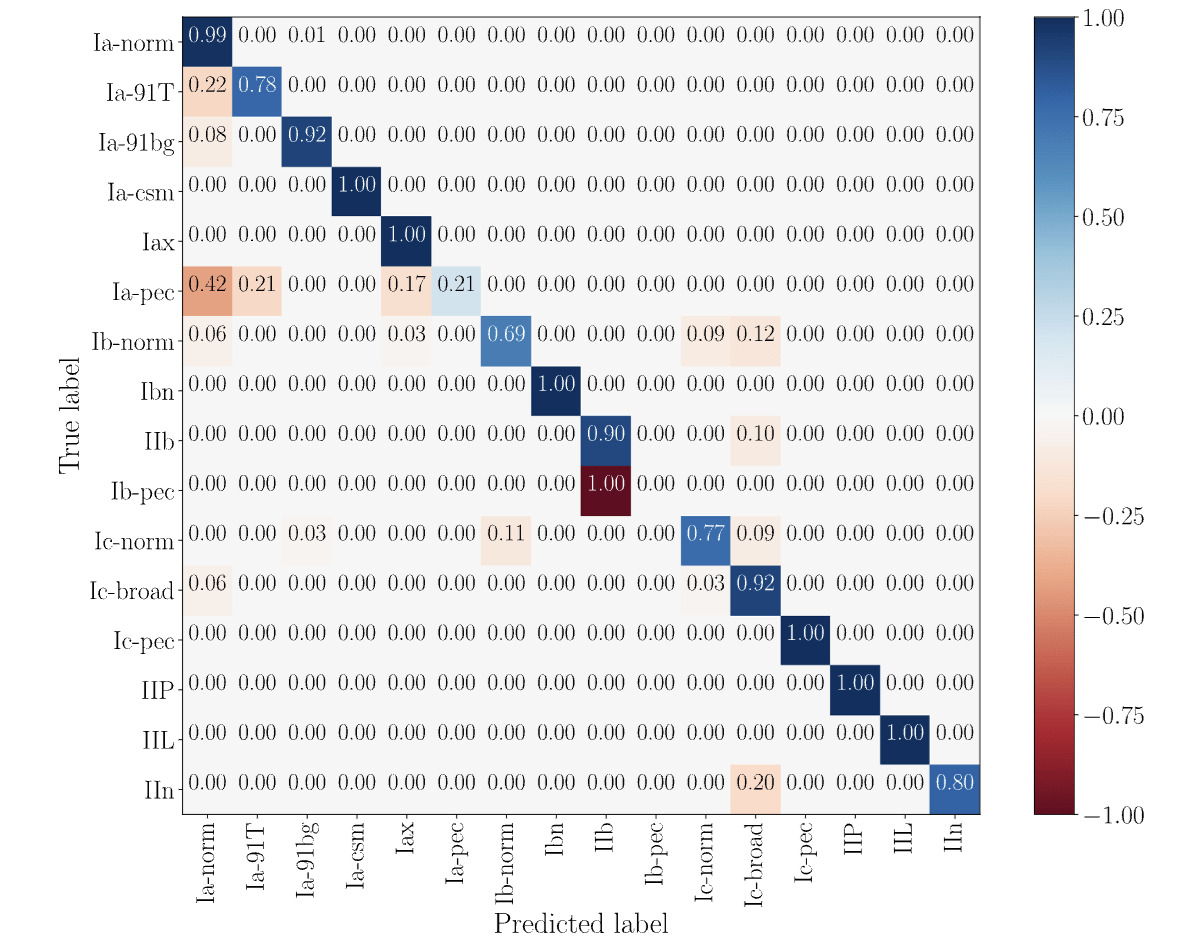
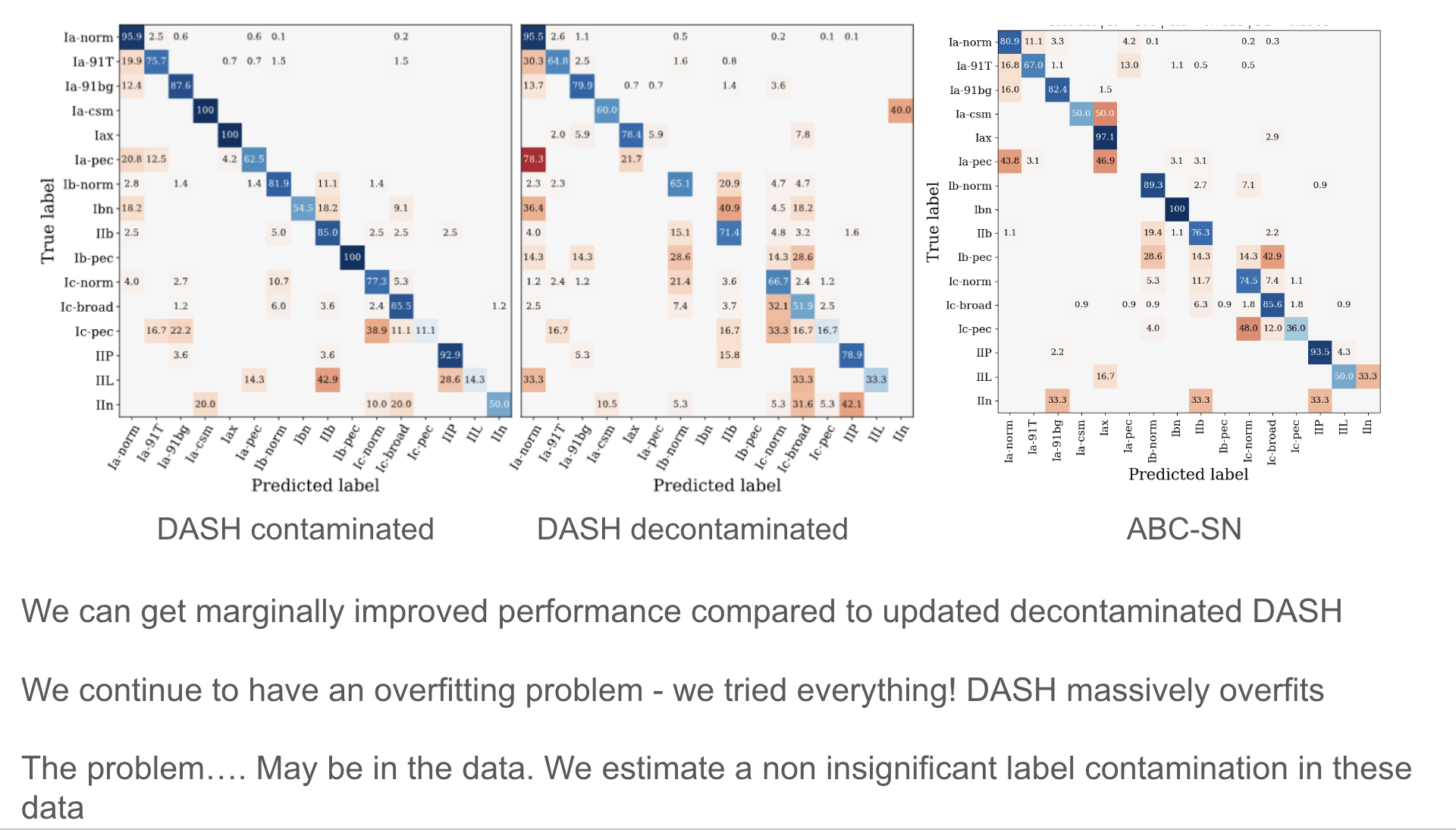
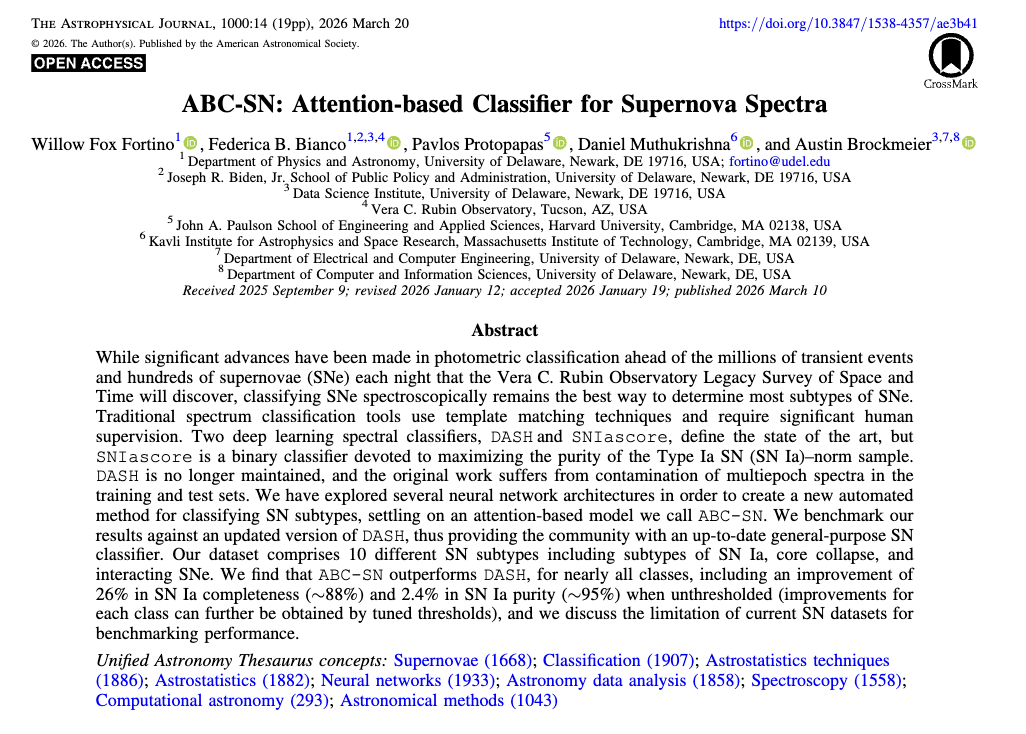
A new AI-based classifier for SN spectra at low resolution
Challenges
Exploring the Transient and Variable Optical Sky
Exploring the Transient and Variable Optical Sky
Exploring the Transient and Variable Optical Sky
Exploring the Transient and Variable Optical Sky
Exploring the Transient and Variable Optical Sky
Exploring the Transient and Variable Optical Sky
LSST Science Book (2009)
2017
Rubin has involved the community to an unprecedented level in survey design this is a uniquely "democratic" process!
2019
Rubin has involved the community to an unprecedented level in survey design this is a uniquely "democratic" process!
2023
Rubin has involved the community to an unprecedented level in survey design this is a uniquely "democratic" process!
2024
Rubin has involved the community to an unprecedented level in survey design this is a uniquely "democratic" process!
2024
2024
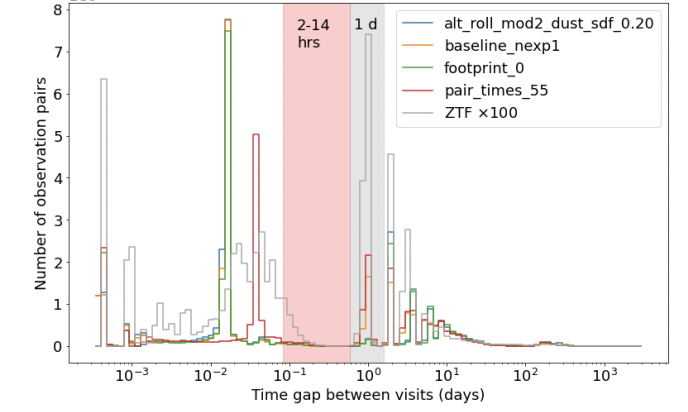
# pairs of observations (1e5)
time gaps (days)
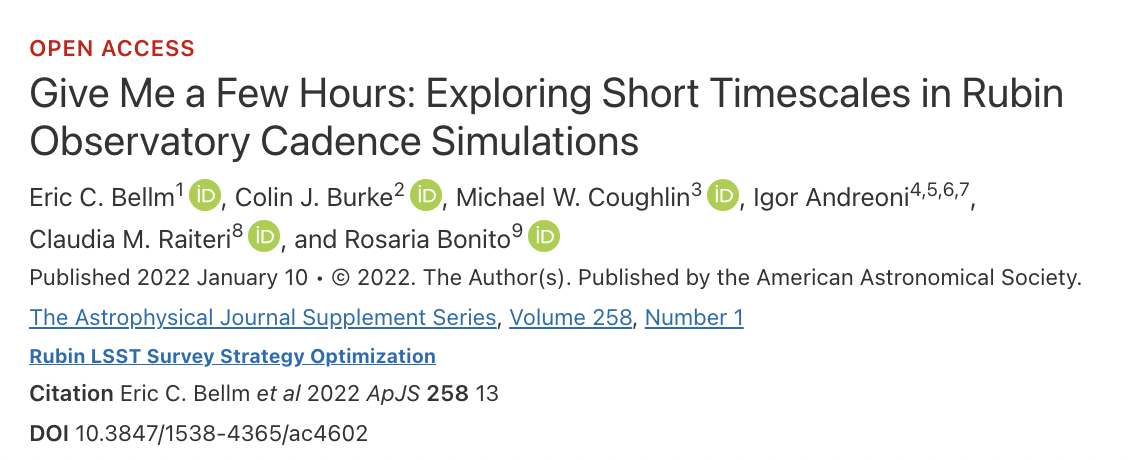
Eric C. Bellm et al 2022 ApJS 258 13
Proposed 3 intranight obs
2 within 1 hour in different filters
1 at 4-8 hours separation w repeat filter
Intranight color (near instantaneous)
Intranight rate of change (~hour time scales)
Presto-Color, Bianco+ 2019, PASP
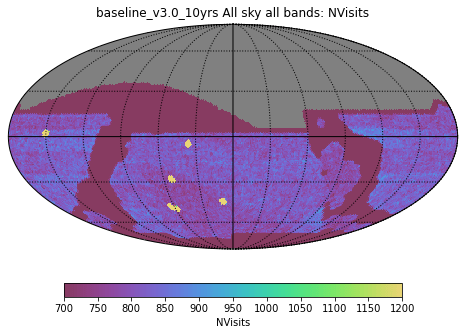
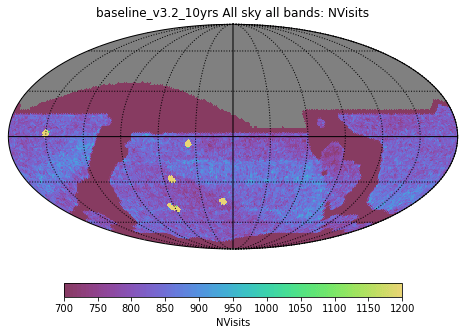
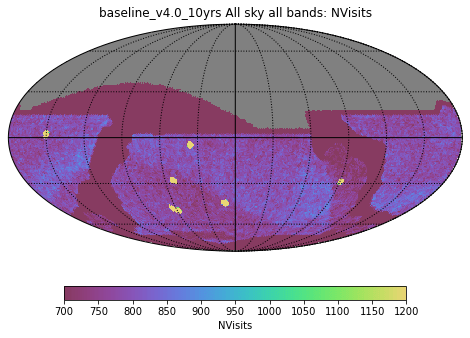
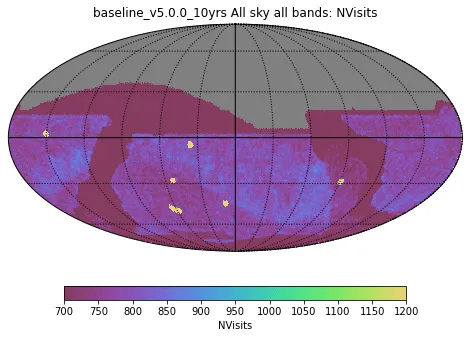
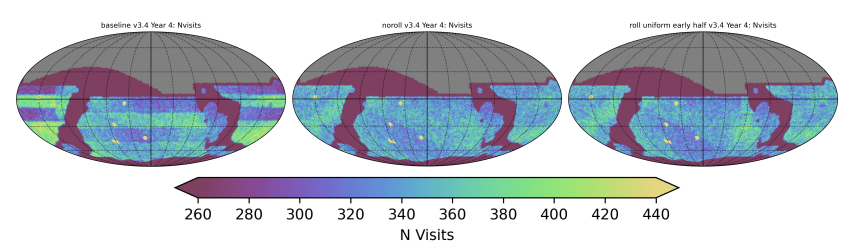
Current plan: rolling 8 out of the 10 years
Proposed 3 intranight obs
2 within 1 hour in different filters
1 at 4-8 hours separation w repeat filter
Text
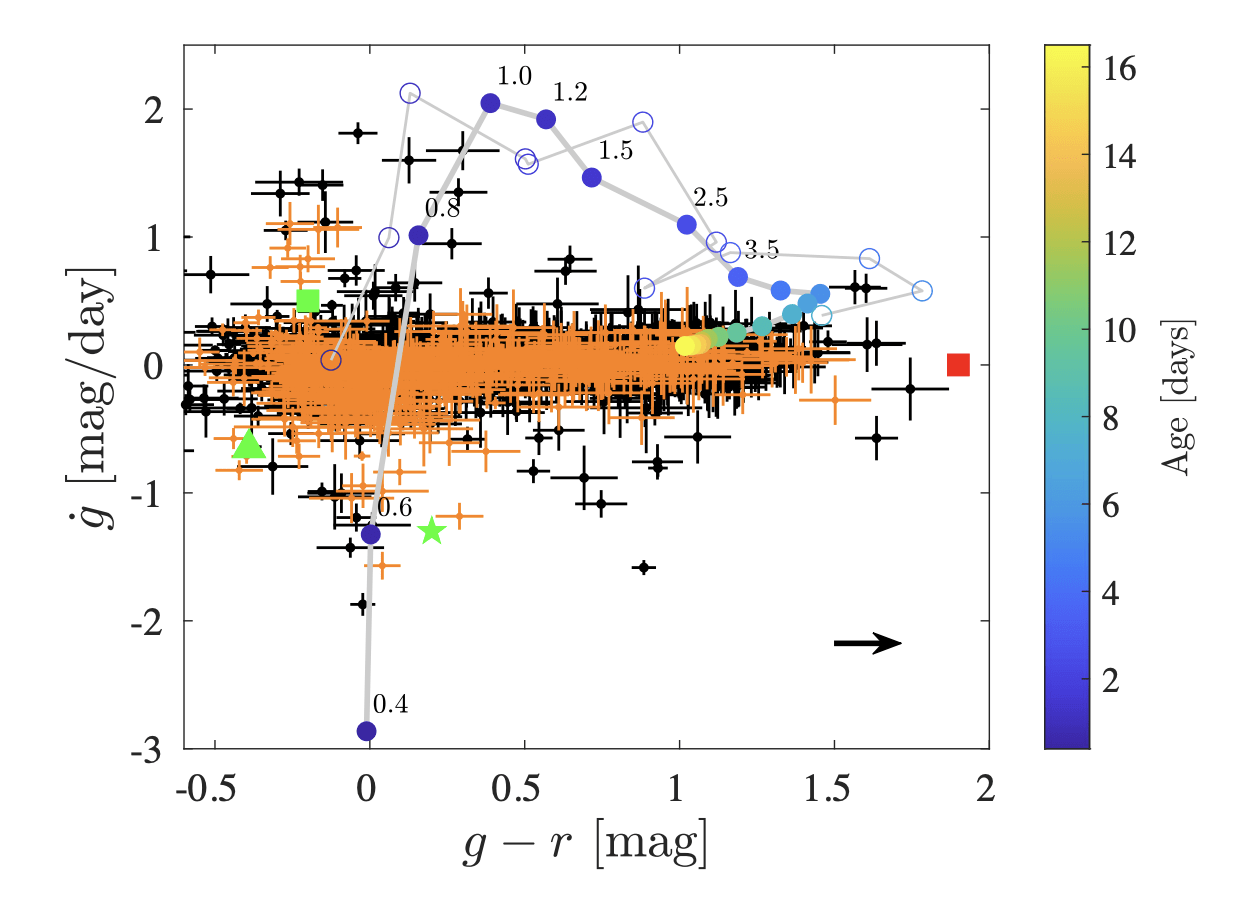
Intranight color (near instantaneous)
Intranight rate of change (~hour time scales)
Ofek+ 2024
newer simulations ->
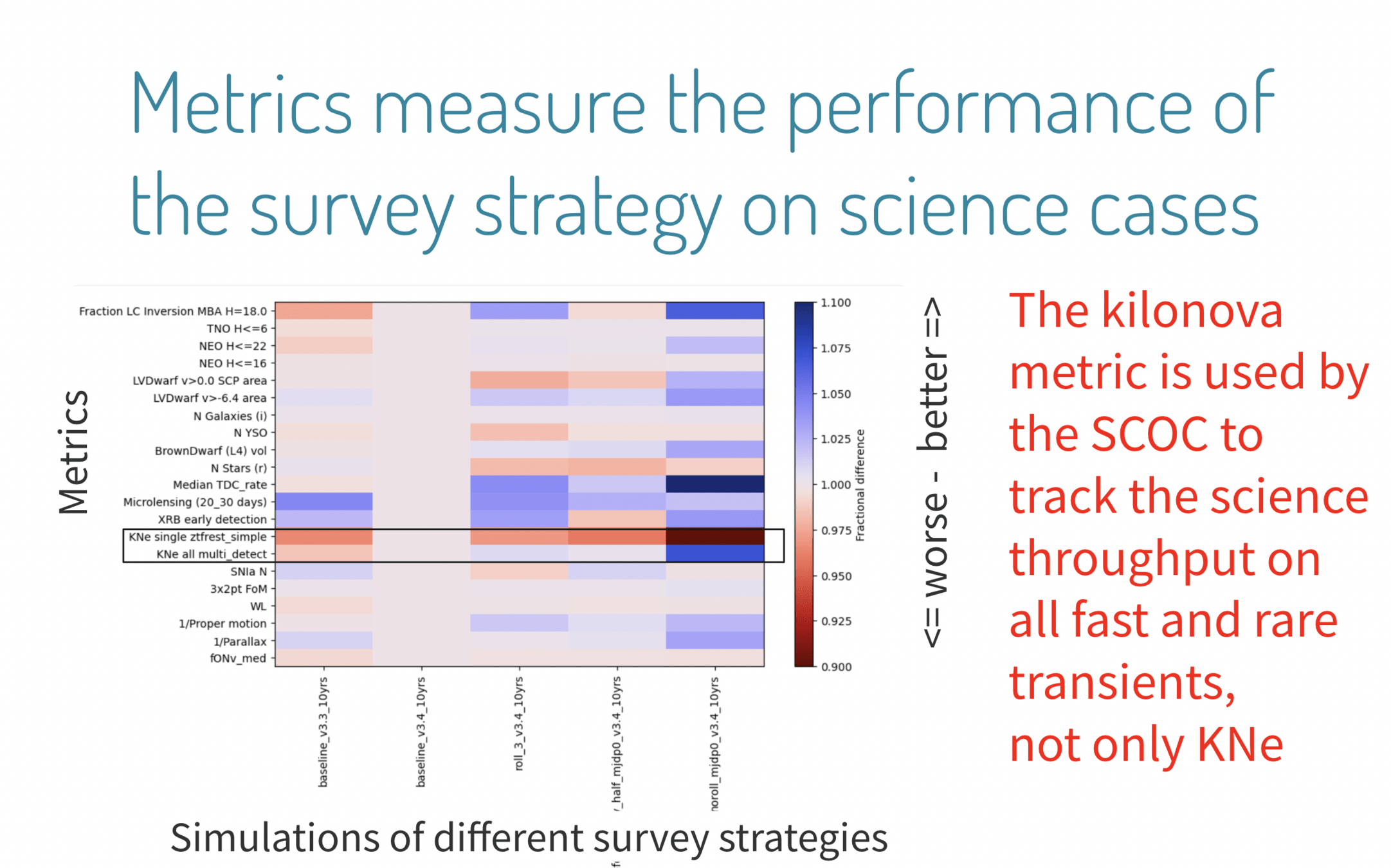
<-bad good ->
newer simulations ->
4 – 24 hour gaps between epochs will enable kilonova parameter estimation
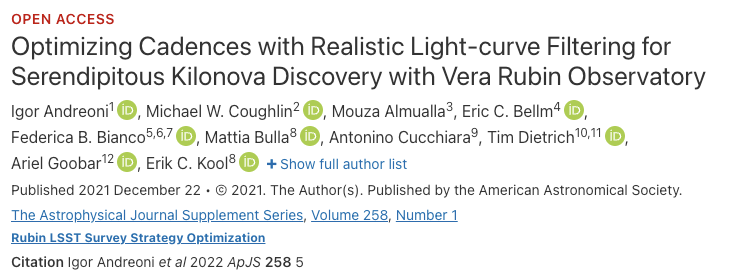
Andreoni+ 2022a
In deep seasons:
On even days: g:2 i:2 On odd days: r:2 z:2 Every few days: u:3 y:2
If visits are missed they are not attempted again (but u/y occasionally double up)
For EDFS same sequences, slower cadence to accommodate the double pointing
In ultradeep seasons:
On even days: g:2 i:2 On odd days: r:2 z:2 Every few days: u:3 y:2
Every other/few days u:8 g:4 r:18 i:55 z:52 y:20
The Ocean DDF Strategy (brain child of the DDF task force led by Saurabh Jha)
PSTN-056.lsst.io January 2025
<-bad good ->
From simulatoins
to operations
PSTN-056.lsst.io January 2025
2018
2025
<-bad good ->
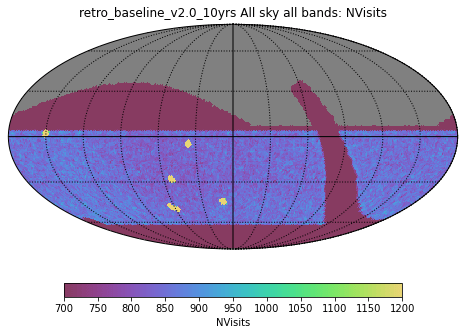
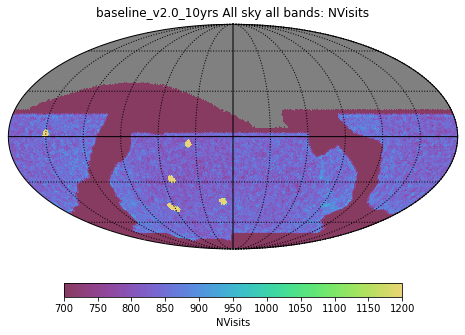
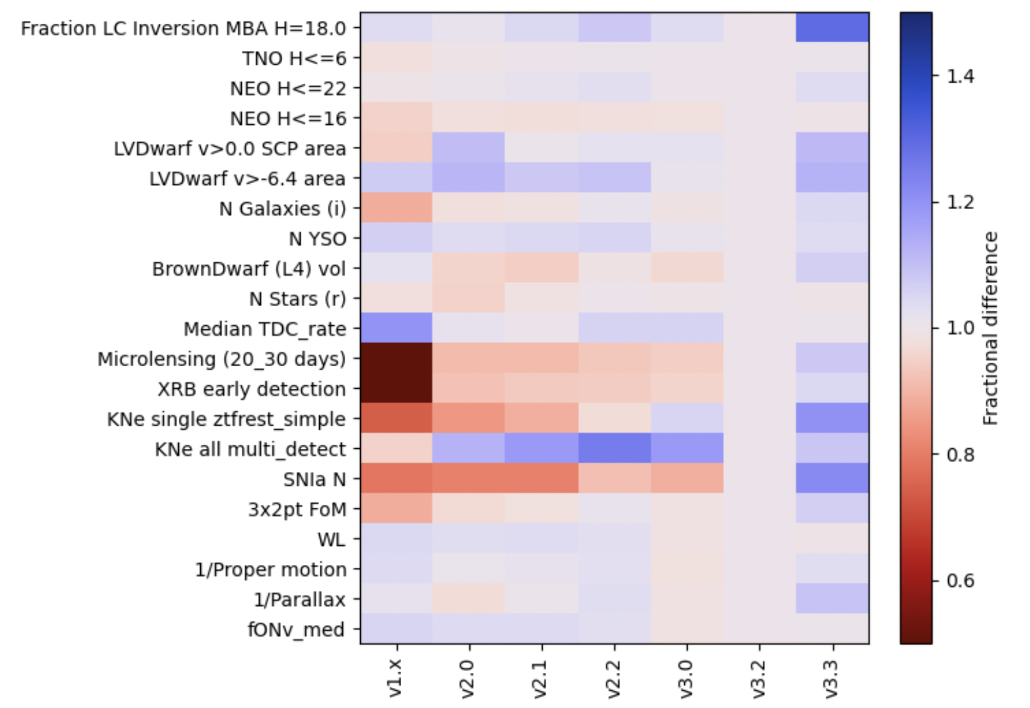
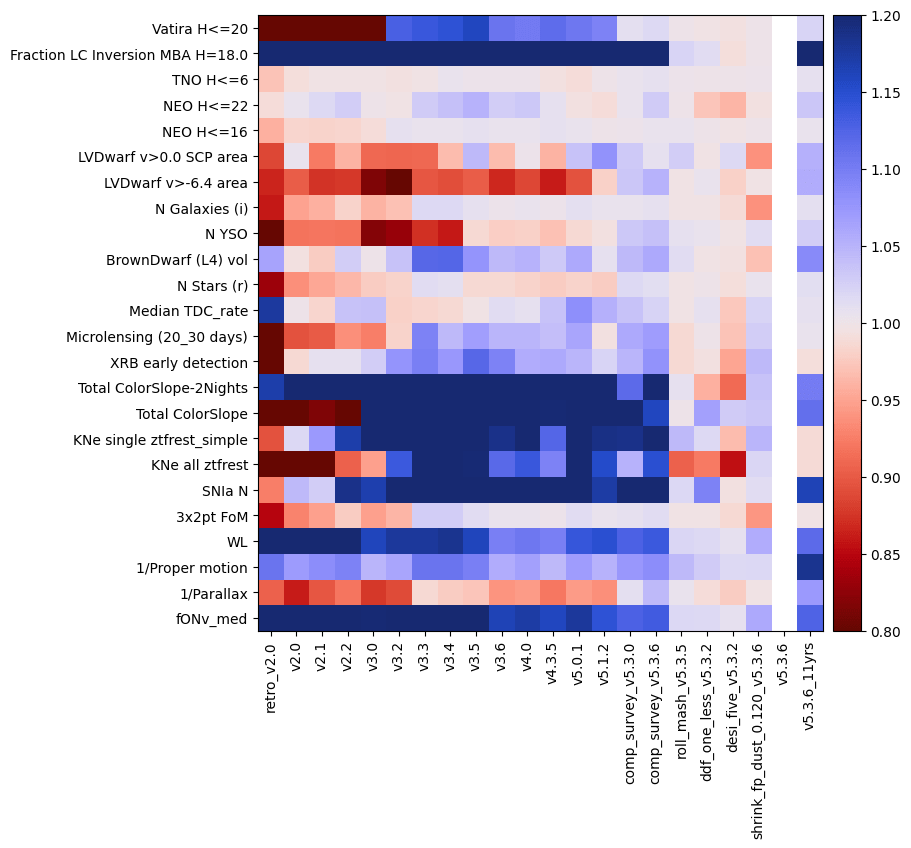
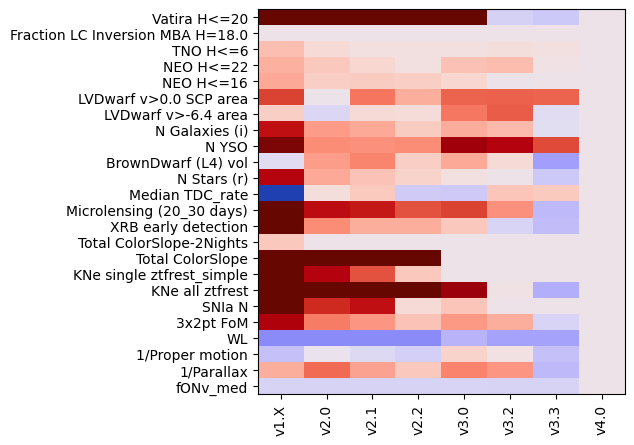
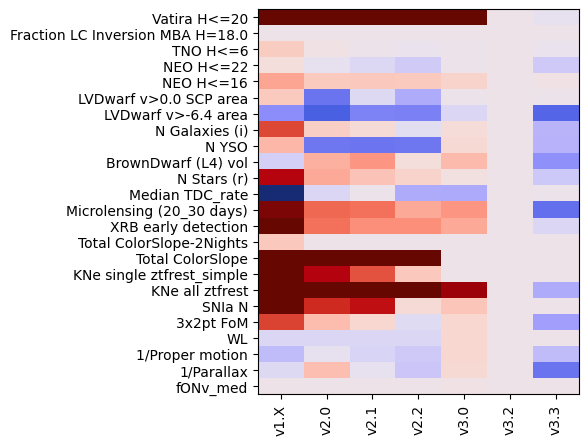
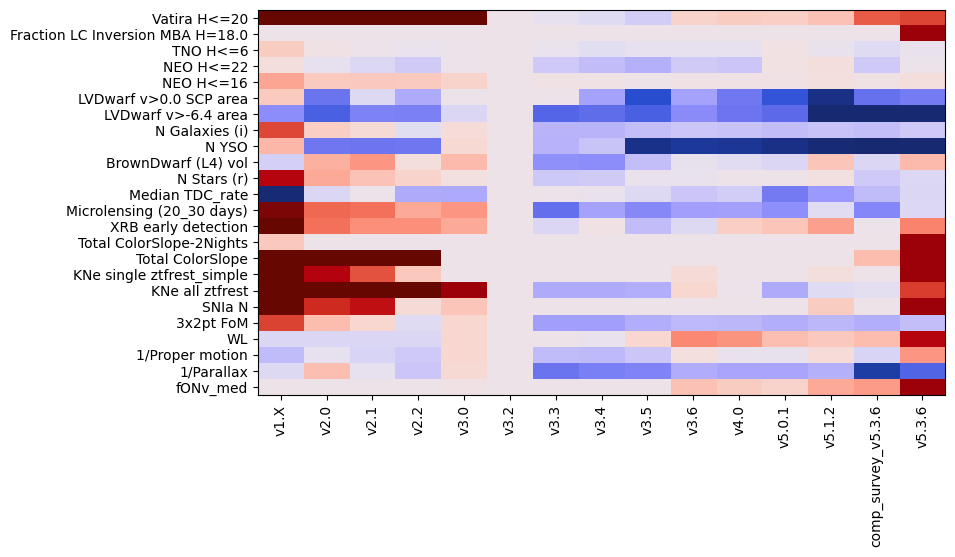
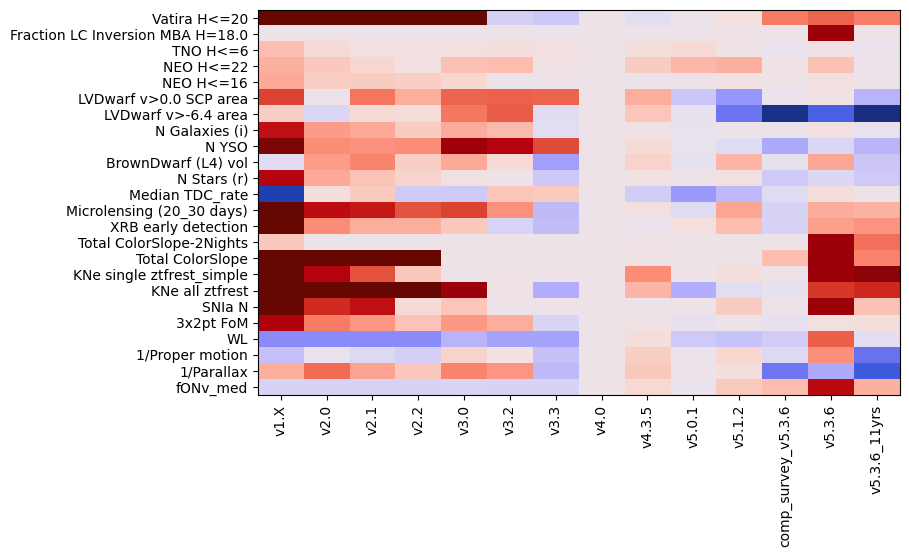
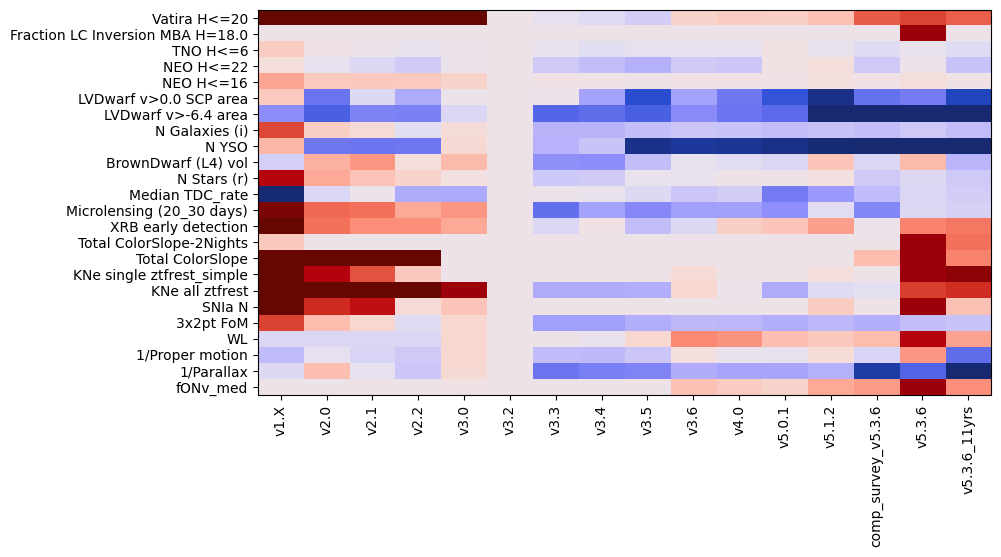
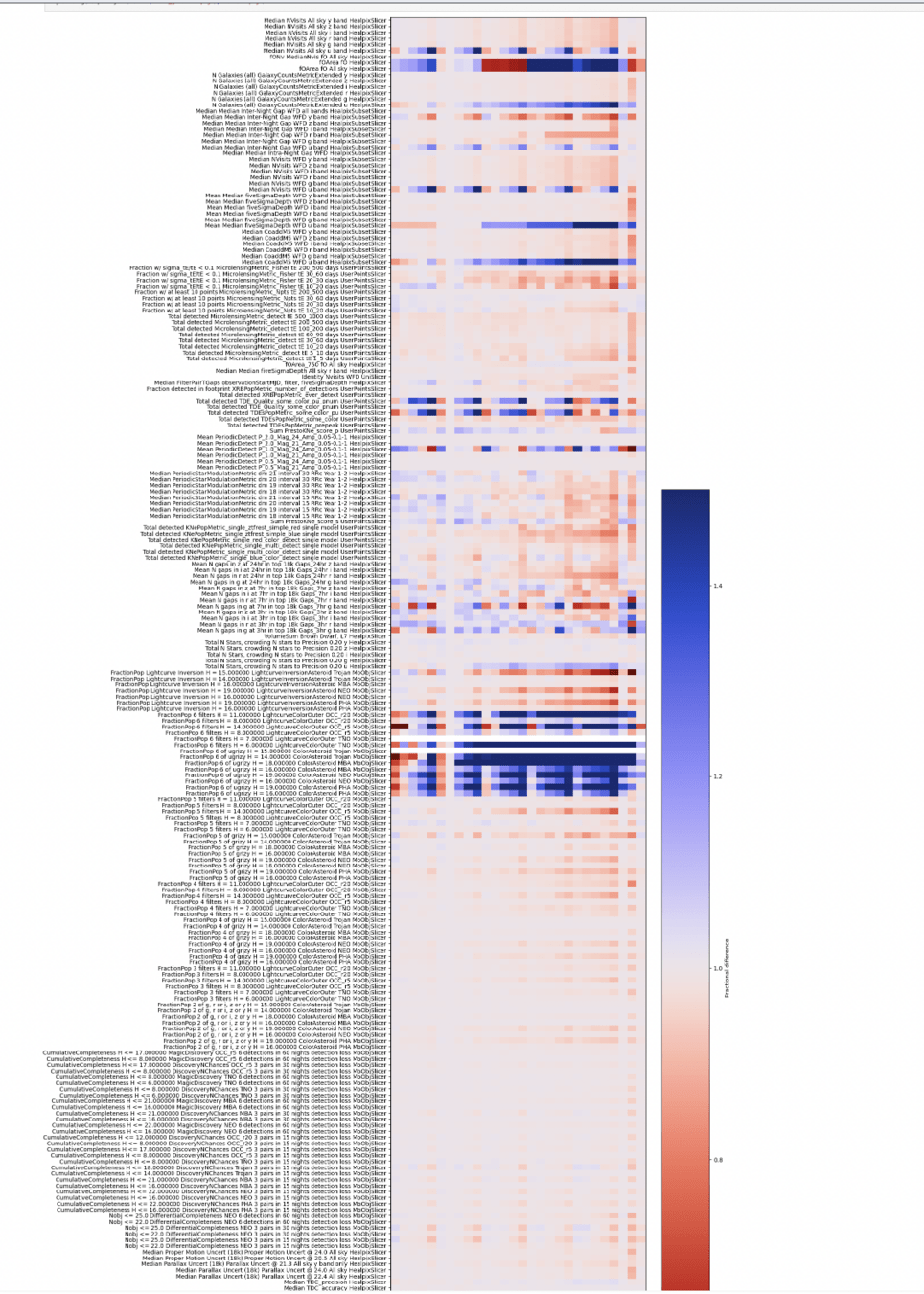
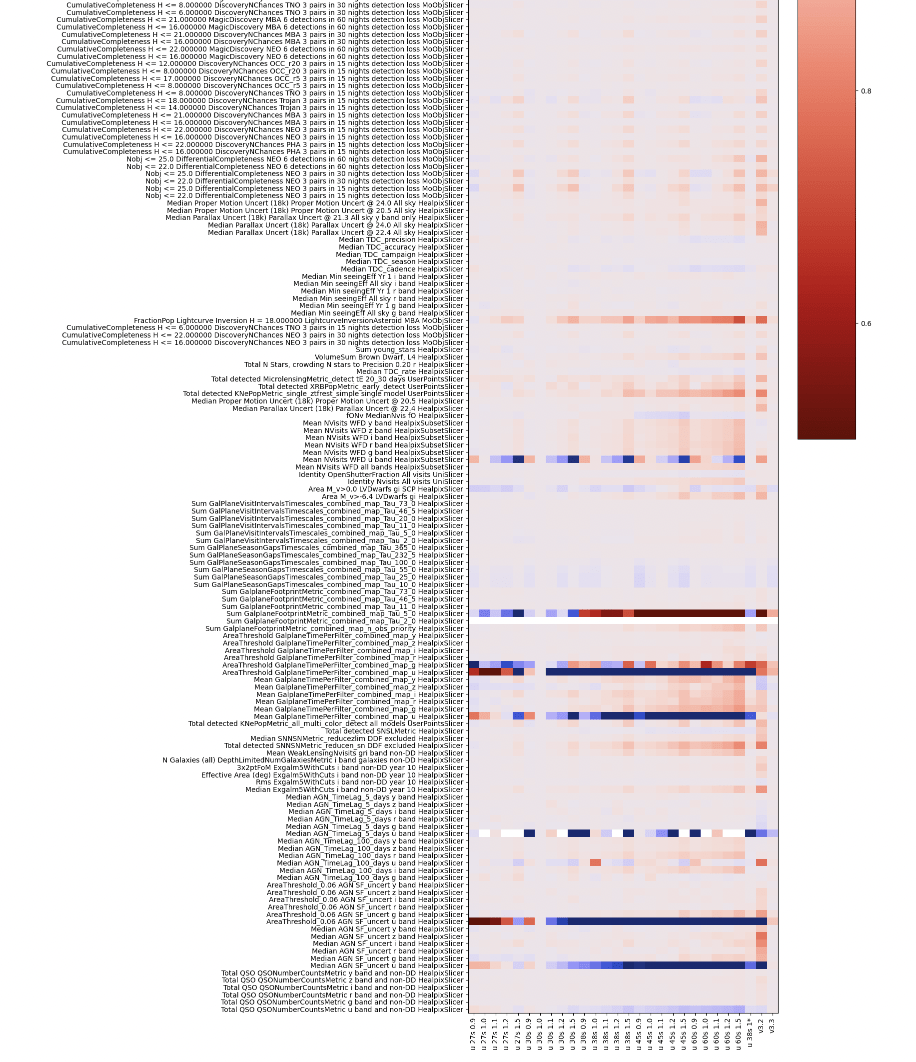
10% fewer visits
TDA and 3.2pf FoM most sensitive to efficiency
TDA cannot recover by just adding survey time
PSTN-057
<-bad good ->
2018
2023
PSTN-057.lsst.io July 2026
10% fewer visits
TDA and 3.2pf FoM most sensitive to efficiency
TDA cannot recover by just adding survey time
PSTN-057
<-bad good ->
2018
2023
PSTN-056
PSTN-057.lsst.io July 2026
What are we looking into for survey strategy
Text
What are we looking into for survey strategy
Consider aggressive strategies to collect templates (still unlikely to work in u and g)
What are we looking into for survey strategy
Consider aggressive strategies to collect templates (still unlikely to work in u and g)
What are we looking into for survey strategy
Consider aggressive strategies to collect templates (still unlikely to work in u and g)
What are we looking into for survey strategy
Consider aggressive strategies to collect templates (still unlikely to work in u and g)
thank you!
University of Delaware
Department of Physics and Astronomy
Biden School of Public Policy and Administration
Data Science Institute
federica bianco
Rubin Construction
Deputy Project Scientist
fbianco@udel.edu
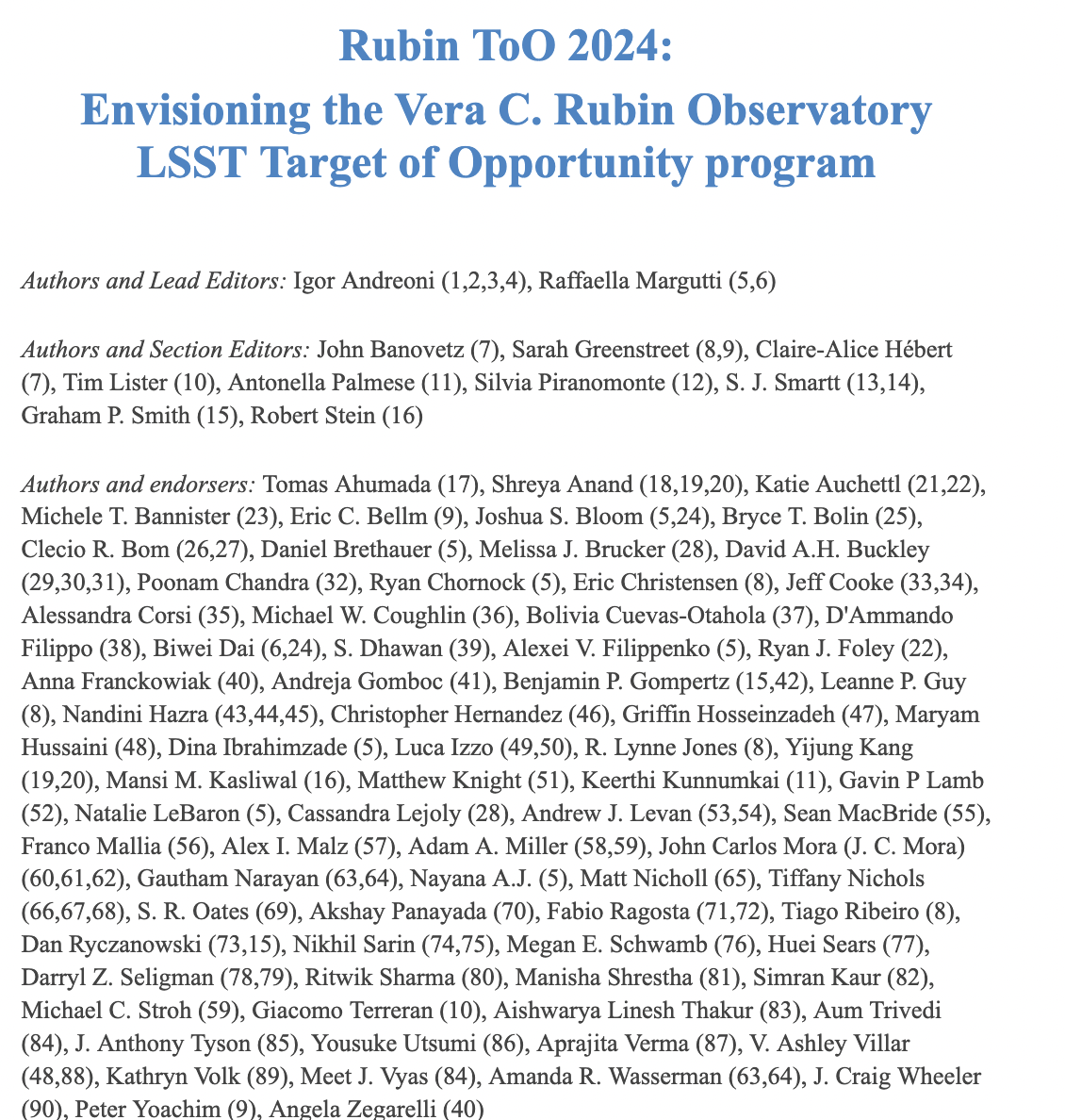
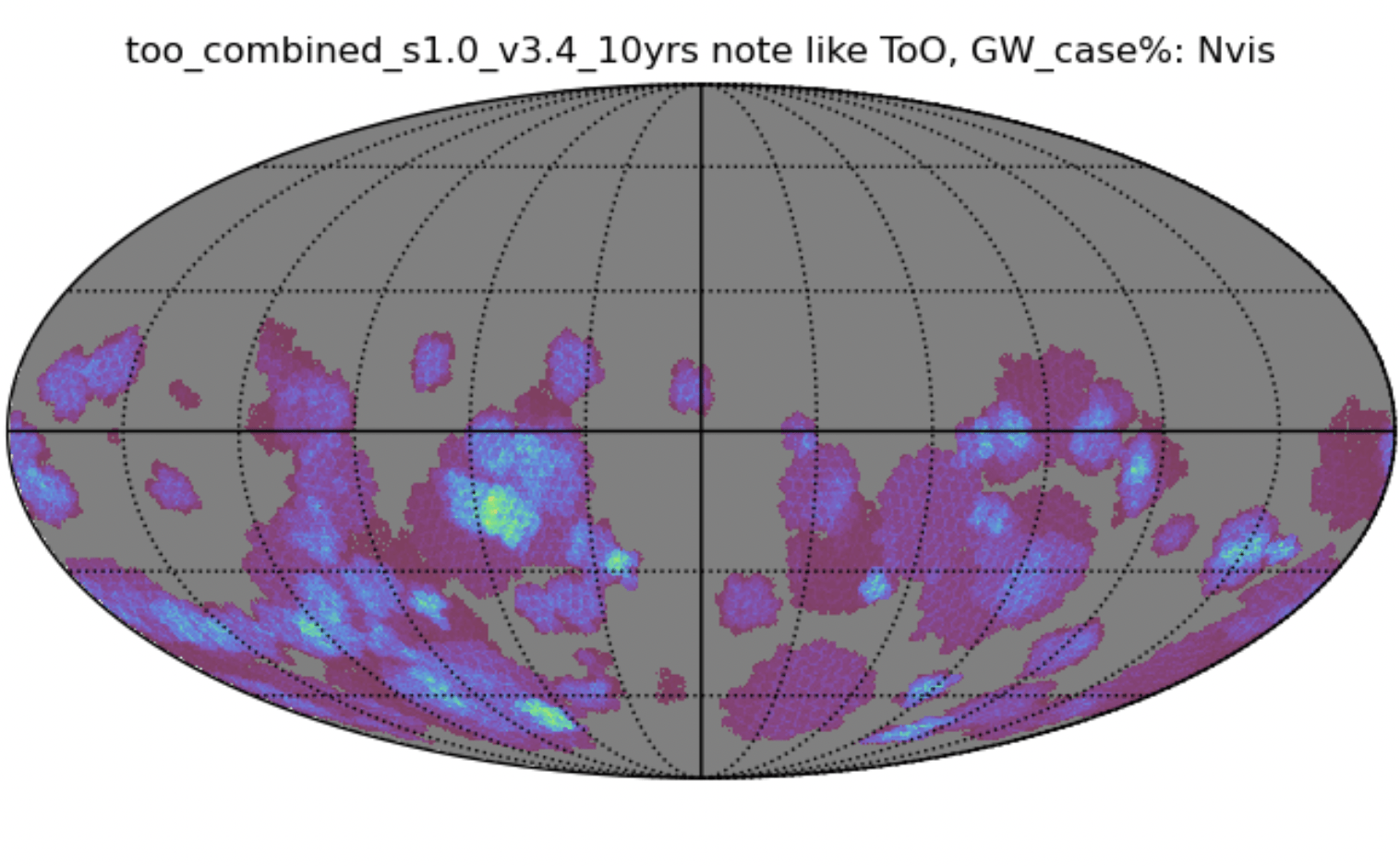
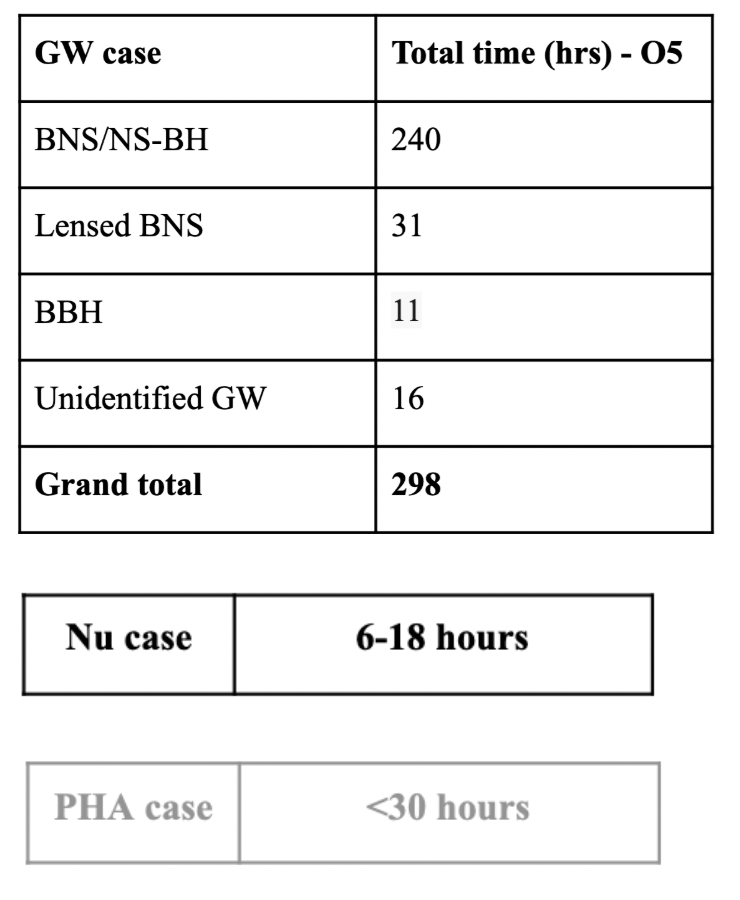
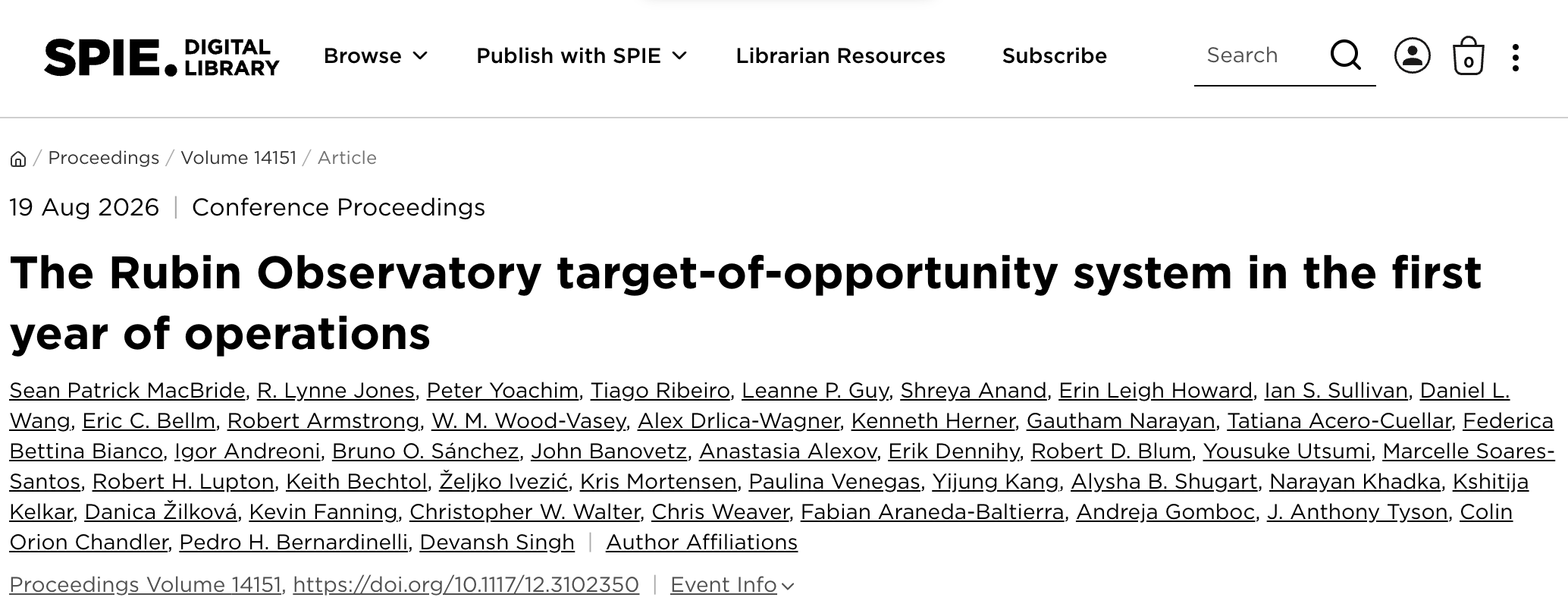
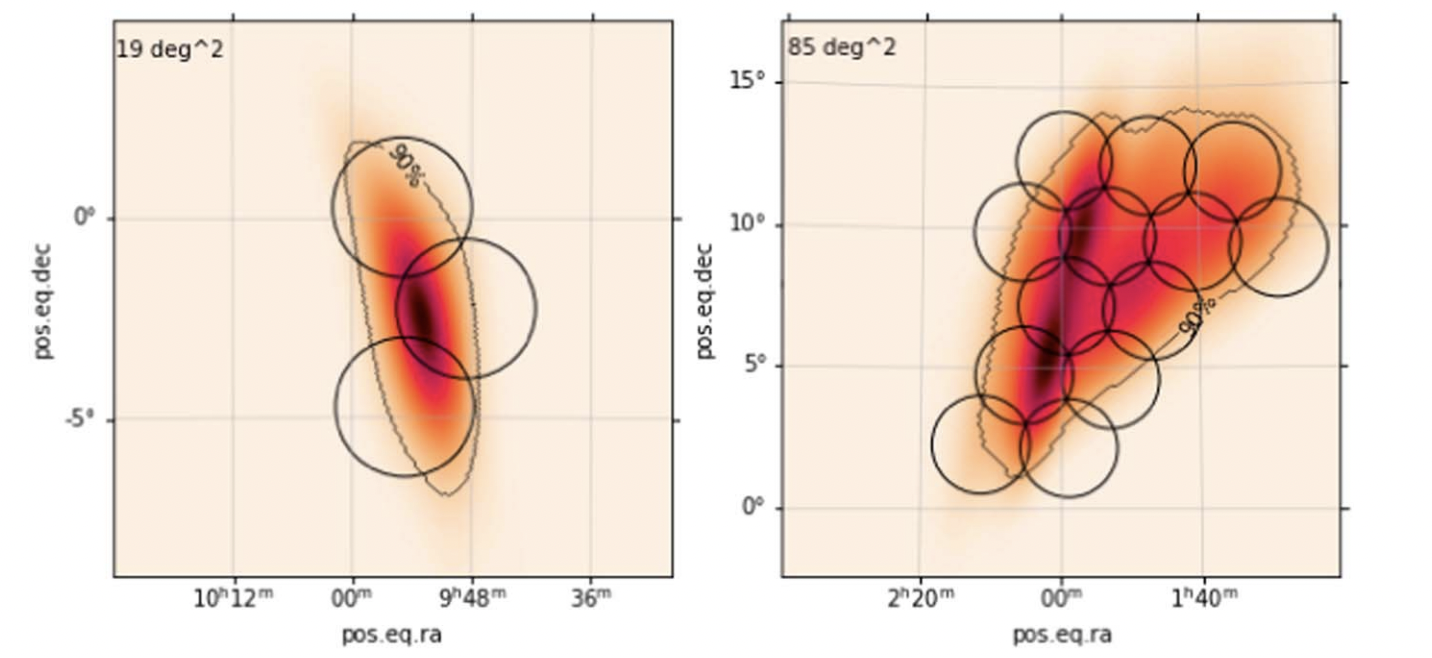
LSST ToO program
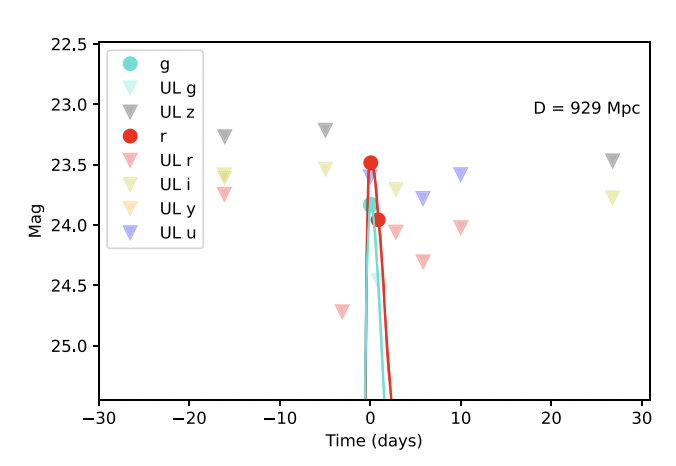
The main Rubin assets are the 10 sqdeg FoV + rapid slew + depth
PSTN-055 (2022): The SCOC recommends a ToO program be enabled to respond to Gravitational Waves and MMA triggers with a fraction of ≤ 3% of dedicated survey time, with the possibility of extending it to additional types of targets in the future.
+80 authors!
https://arxiv.org/pdf/2411.04793
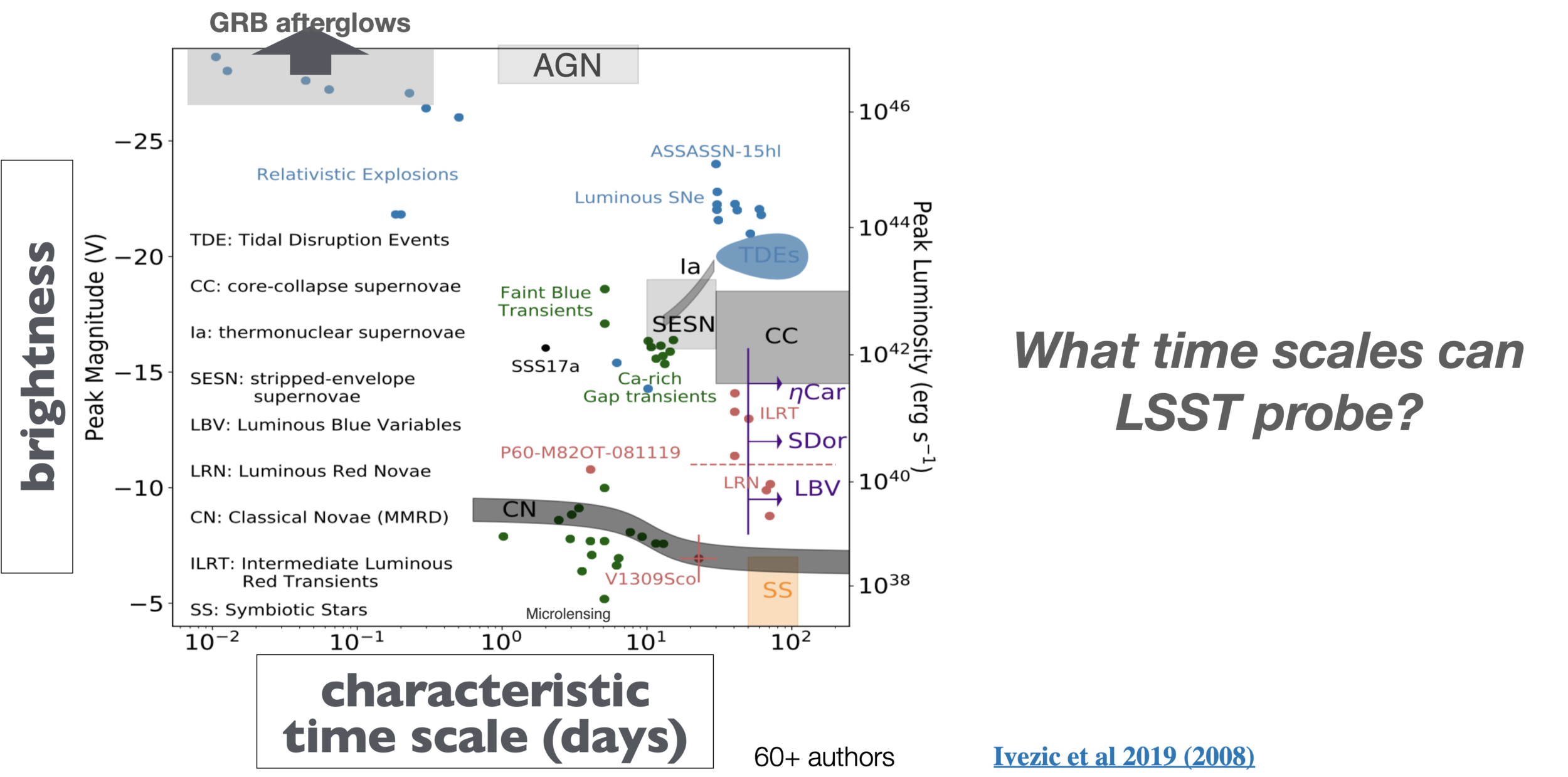
What about fast transients in the main survey?
cepheid
The minutes-second-subsecond Universe
Željko Ivezić et al 2019 ApJ 873 111
LSST: From Science Drivers to Reference Design and Anticipated Data Products
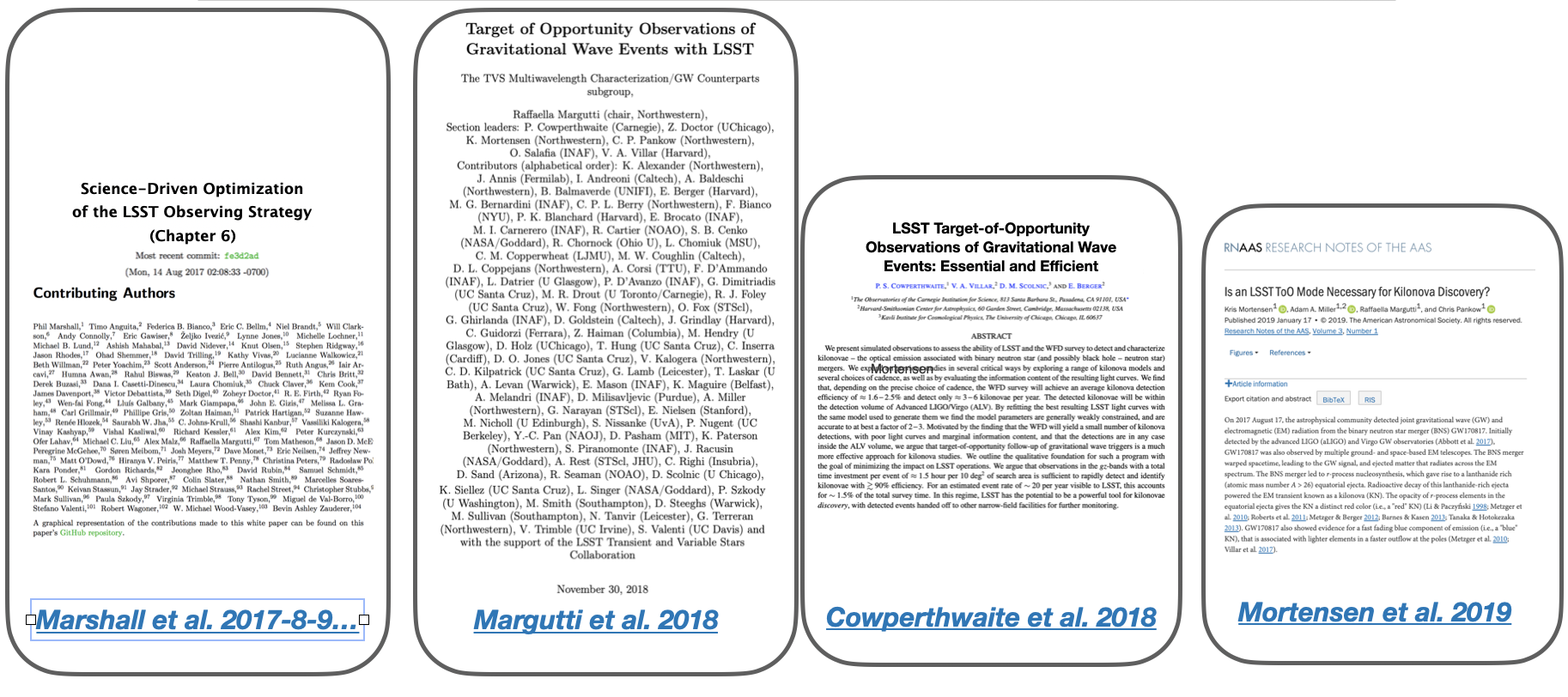
Marshall et al. 2017
Mortersen et al. 2019
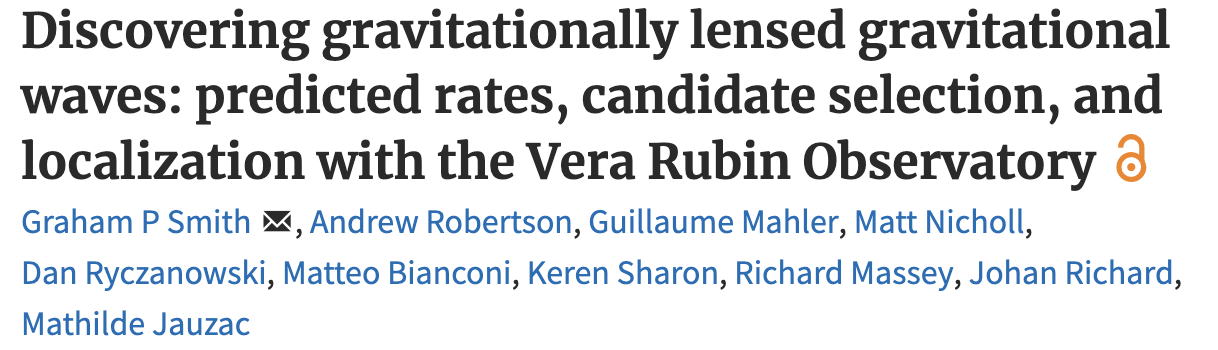
Smith +2019
Ragosta+ et al. 2023
~800 per field
10 seasons, with each 6 months
2 visits per night (within ~30 min for Solar System Science)
revisit time => 4.5 nights
This will scatter significantly (weather, moon, ...)
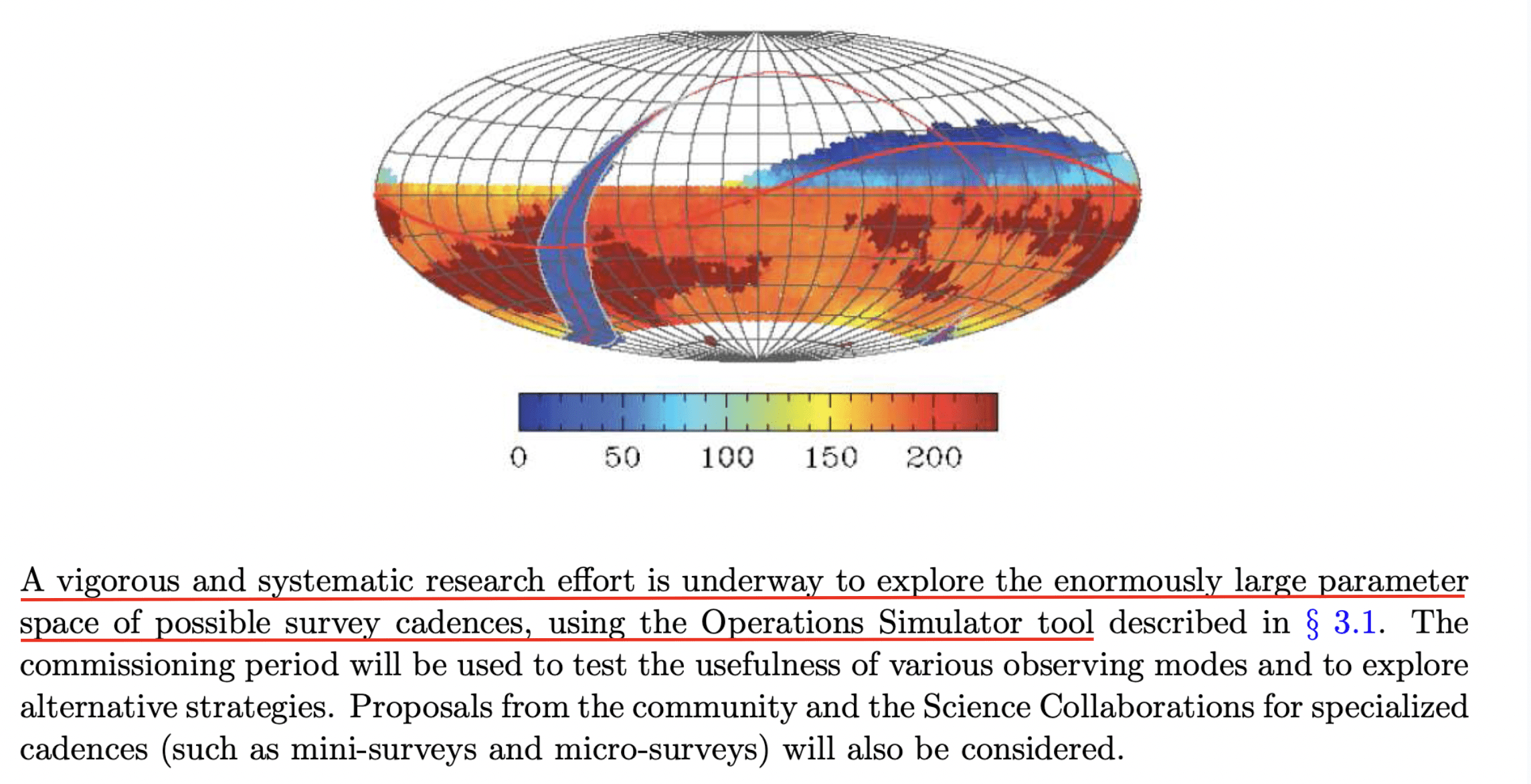
The original survey plan didn't lead to good time domain astronomy (TDA) outcomes:
2 intranight obs in same filer +
2 intranight obs in another filter ~5 day later
GRB =>
~800 per field
10 seasons, with each 6 months
2 visits per night (within ~30 min for Solar System Science)
revisit time => 4.5 nights
This will scatter significantly (weather, moon, ...)
The original survey plan didn't lead to good time domain astronomy (TDA) outcomes:
2 intranight obs in same filer +
2 intranight obs in another filter ~5 day later
Current plan: rolling 8 out of the 10 years
# pairs of observations (1e5)
time gaps (days)
based on 2017 LSST simulations
2017 simulations: between 3 and 32 KN can be identified (~300 detected)
Text
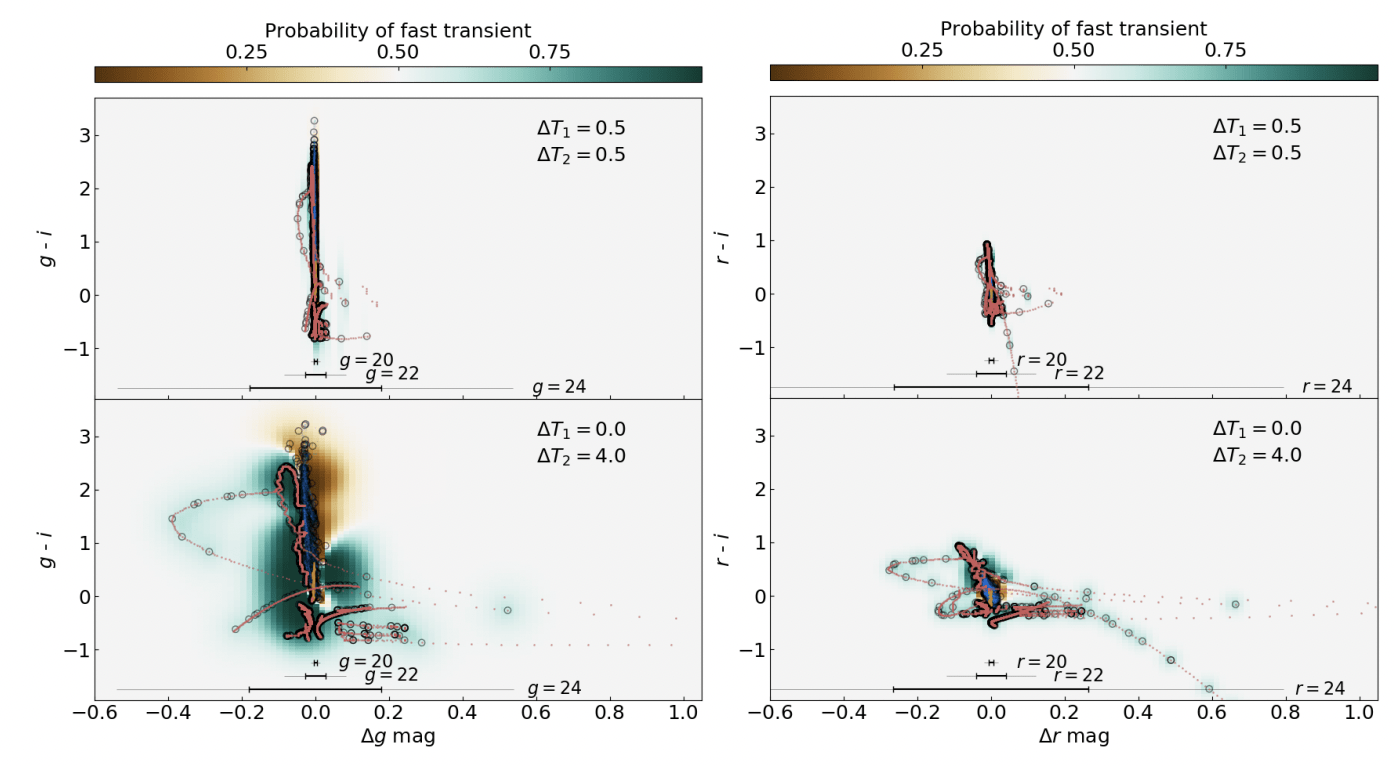
Proposed 3 intranight obs
2 within 1 hour in different filters
1 at 4-8 hours separation w repeat filter
Intranight color (near instantaneous)
Intranight rate of change (~hour time scales)
Current plan: rolling 8 out of the 10 years
Presto-Color, Bianco+ 2019
Proposed 3 intranight obs
2 within 1 hour in different filters
1 at 4-8 hours separation w repeat filter
Current plan: 4% of the survey is currently conducted in triplets
Intranight color (near instantaneous)
Intranight rate of change (~hour time scales)
Ofek+ 2024
newer simulations ->
<-bad good ->
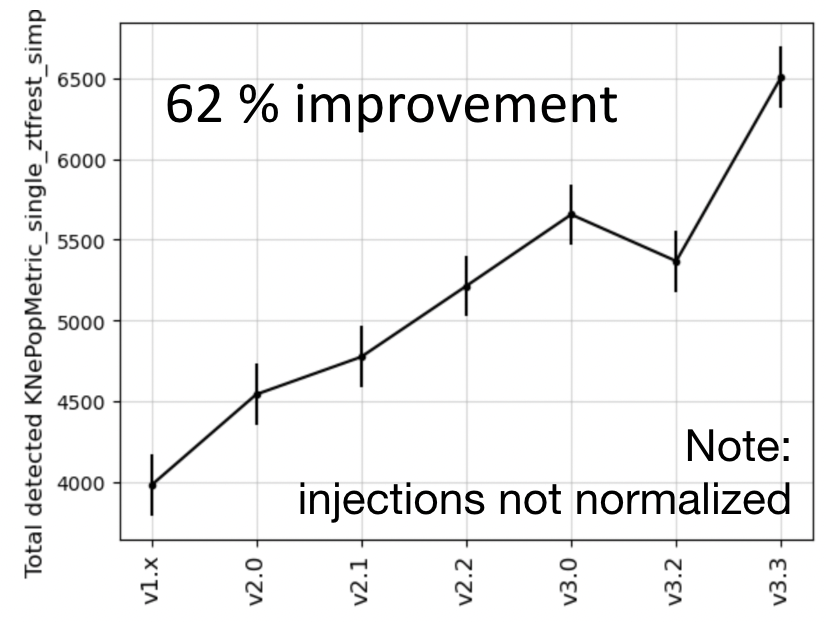
2023 simulations: 62% improvement
newer simulations ->
4 – 24 hour gaps between epochs will enable kilonova parameter estimation
Andreoni+ 2022a
2023 simulations: 62% improvement
newer simulations ->
4 – 24 hour gaps between epochs will enable kilonova parameter estimation
Andreoni+ 2022a
GRB =>
2023 simulations: 62% improvement
newer simulations ->
4 – 24 hour gaps between epochs will enable kilonova parameter estimation
Andreoni+ 2022a
GRB =>
https://pstn-056.lsst.io/
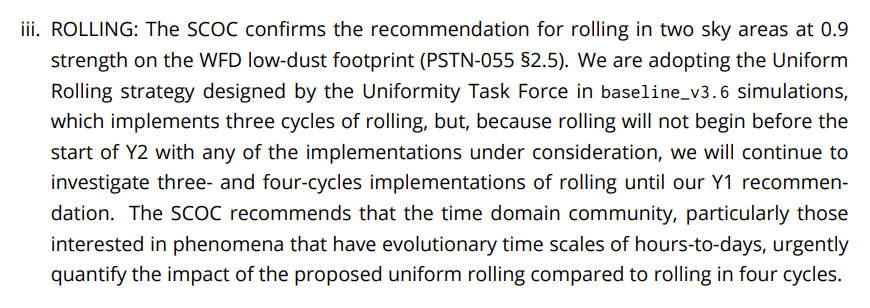
Proposed reduction to 6 rolling years (3 2-year cycles) to improve intrasurvey uniformity
Shar Daniels
NSF Graduate Student Fellow
University of Delaware
TVS Science Collaboration
Fast Transient Subgroup
join TVS! no fees no minimum req
Chair: Igor Andreoni
Shar Daniels
NSF Graduate Student Fellow
University of Delaware
TVS Science Collaboration
Fast Transient Subgroup
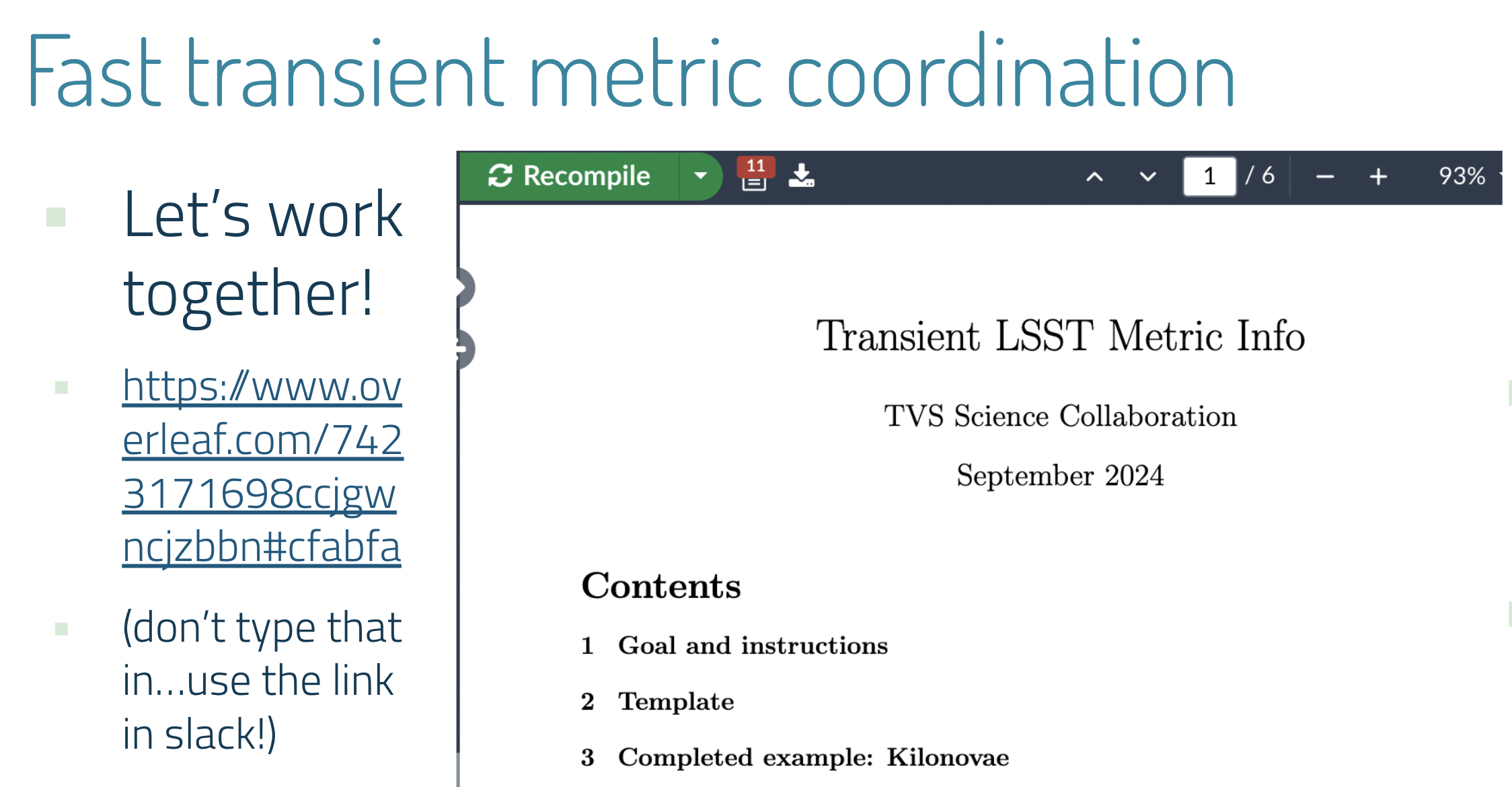
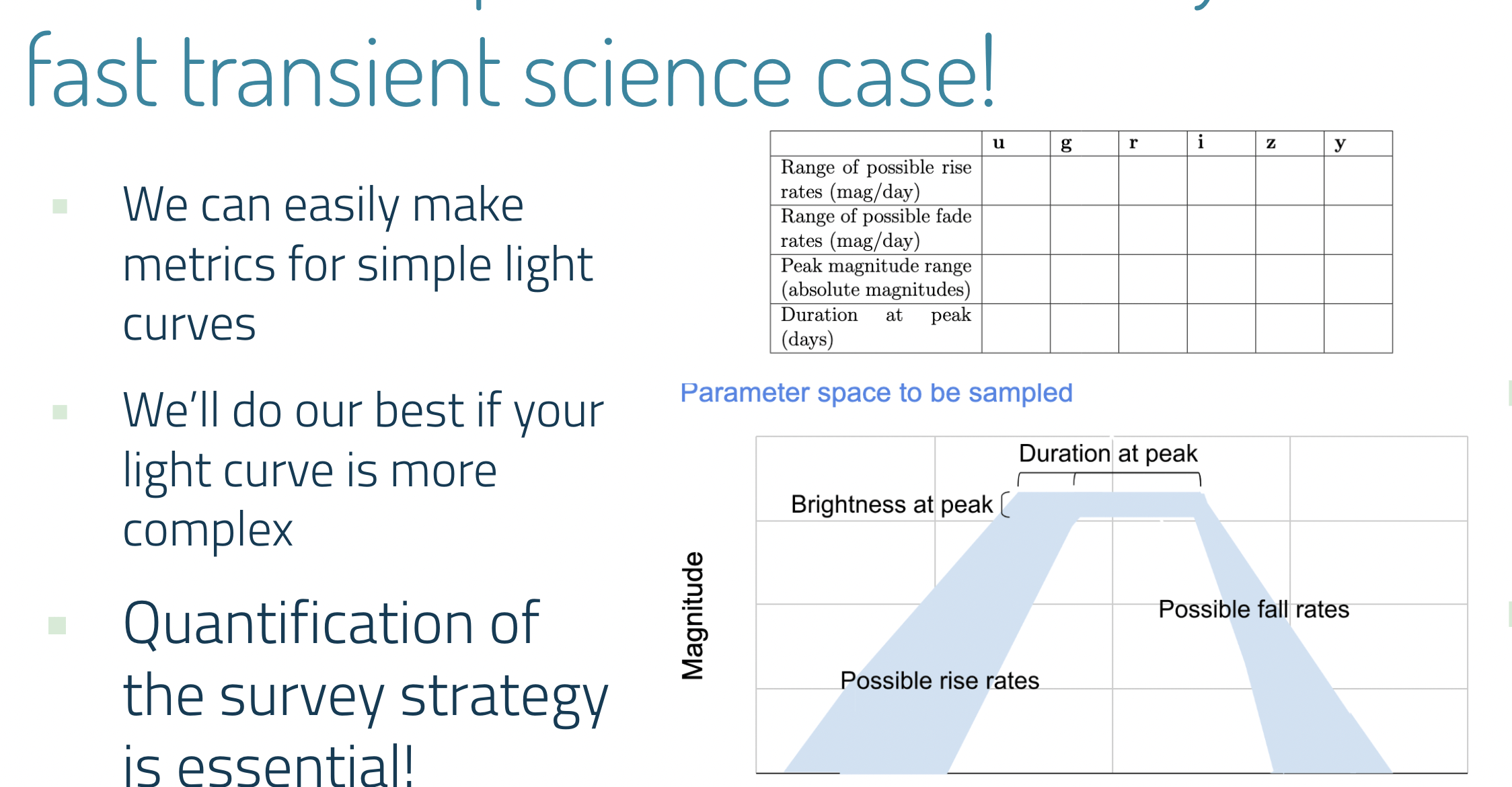
Fast Transients MetricsCOordinations and White Paper
Let's work together!
join the overleaf paper
This is urgent! results must come through in the next ~ 2 months or the strategy may be set for year 1
By federica bianco
Fast Transients Opportunities with Rubin LSST