russtedrake PRO
Roboticist at Walden Robotics and MIT
MIT 6.881: Robotic Manipulation
Fall 2020, Lecture 6
Follow live at https://slides.com/russtedrake/fall20-lec06/live
(or later at https://slides.com/russtedrake/fall20-lec06)
So far, we have assumed a "perception oracle" that could tell us \(X^O_W\).
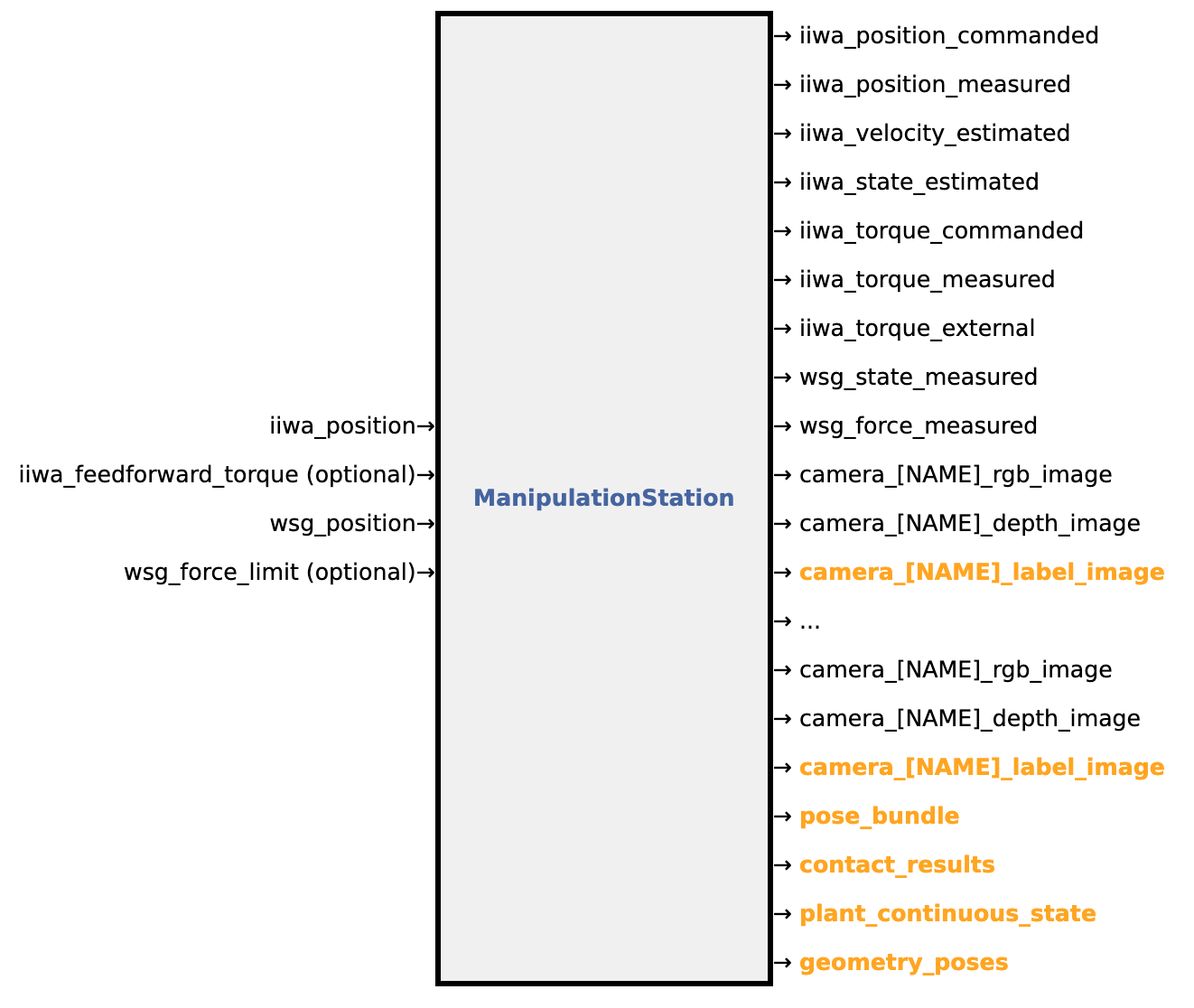
Stop using "cheat ports"
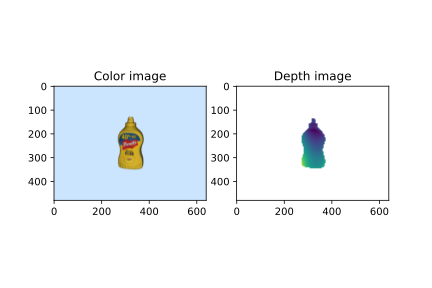
Use the cameras instead!
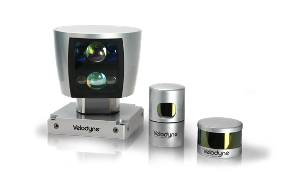
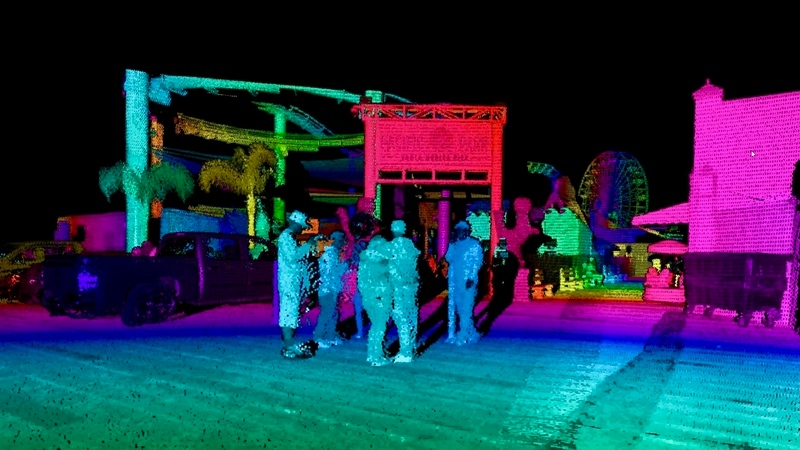
Velodyne spinning lidar
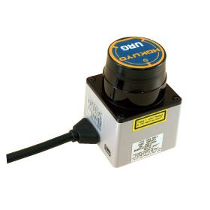
Hokoyu scanning lidar
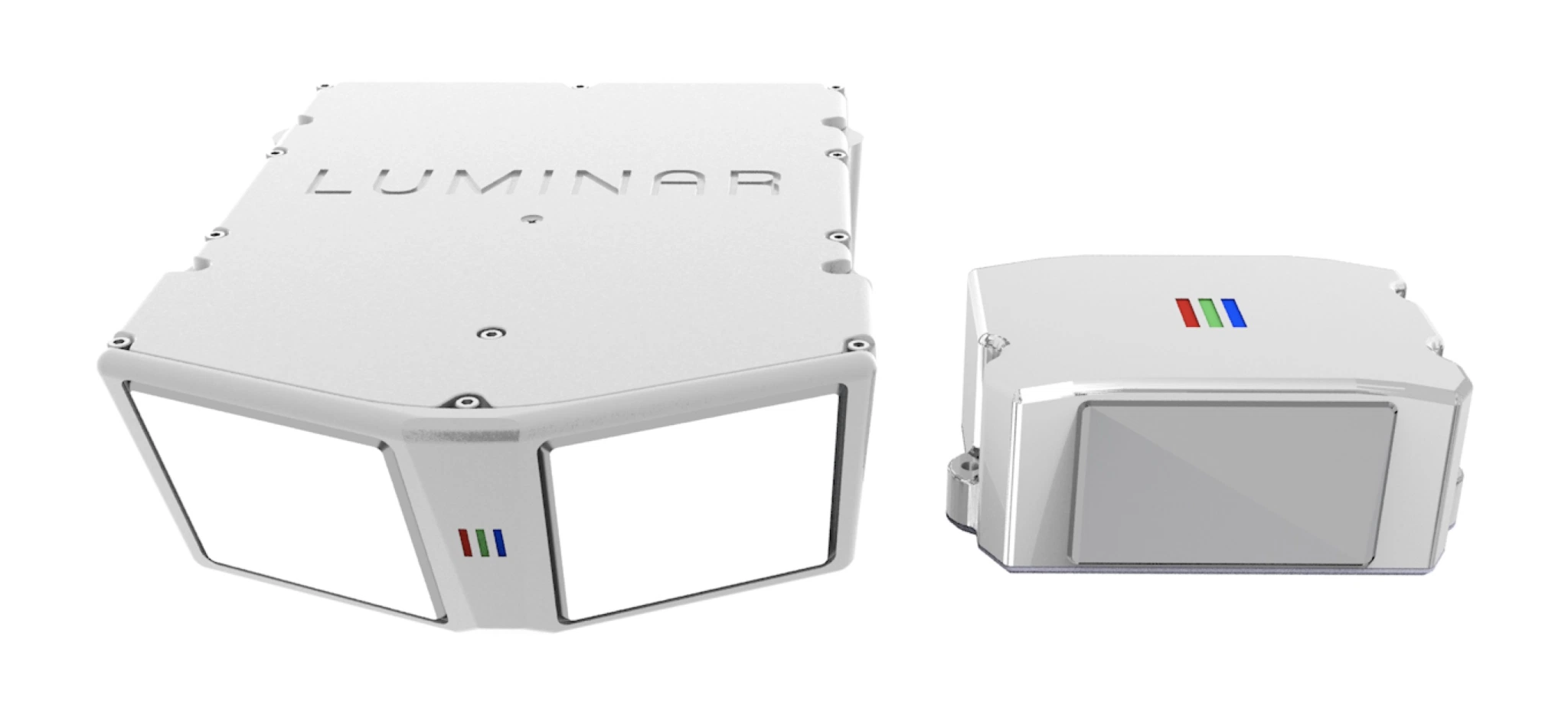
Luminar
(500m range)
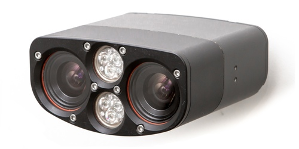
Carnegie multisense stereo
Point Grey Bumblebee
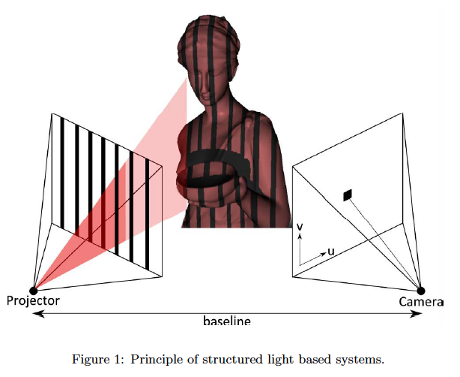
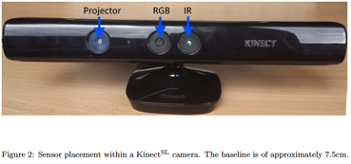
Microsoft Kinect
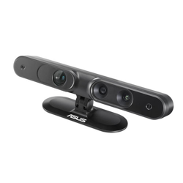
Asus Xtion
https://arxiv.org/abs/1505.05459
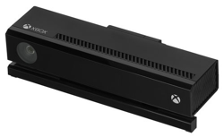
Microsoft Kinect v2
Samsung Galaxy DepthVision
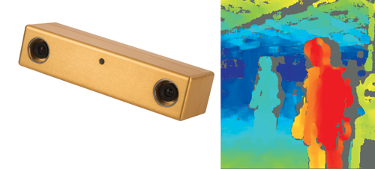
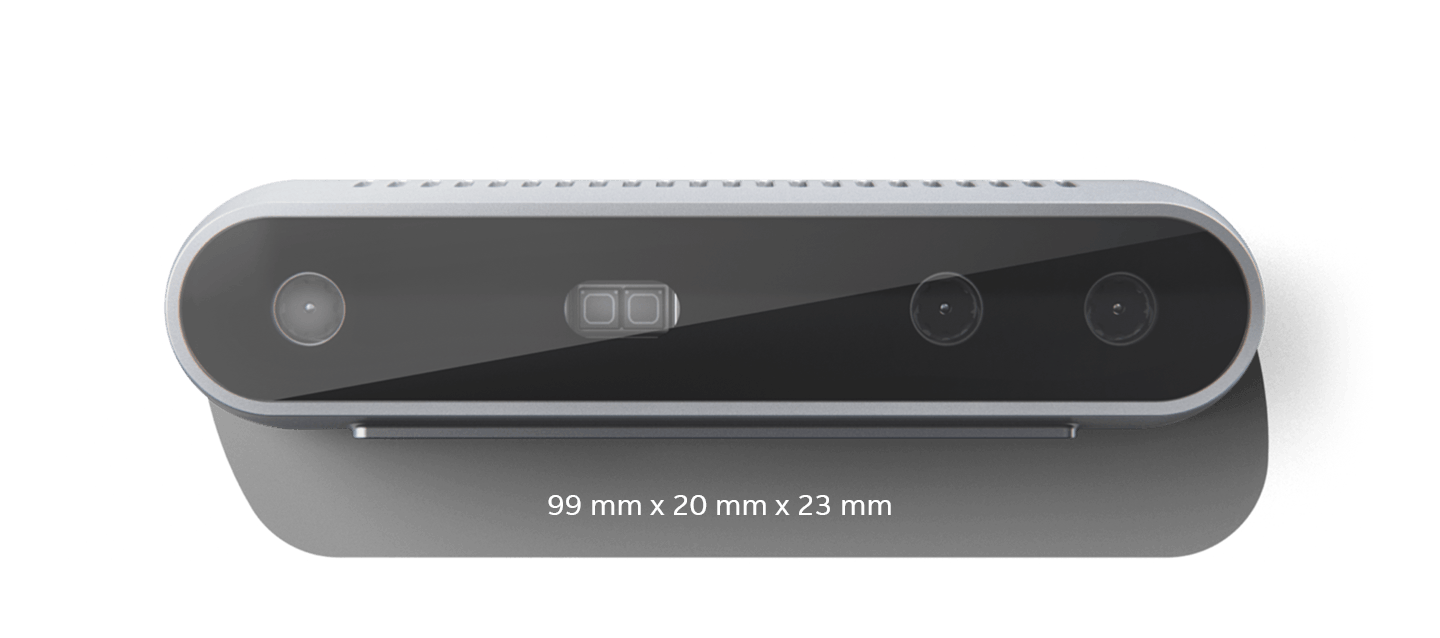
Intel Realsense D415
Our pick for the "Manipulation Station"
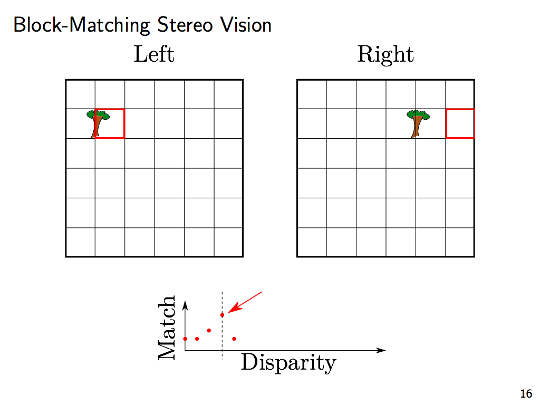
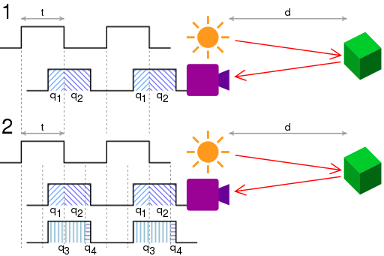
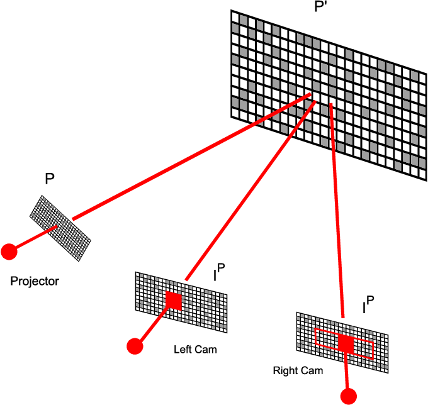
Major advantage over e.g. ToF: multiple cameras don't interfere with each other.
(also iPhone TrueDepth)
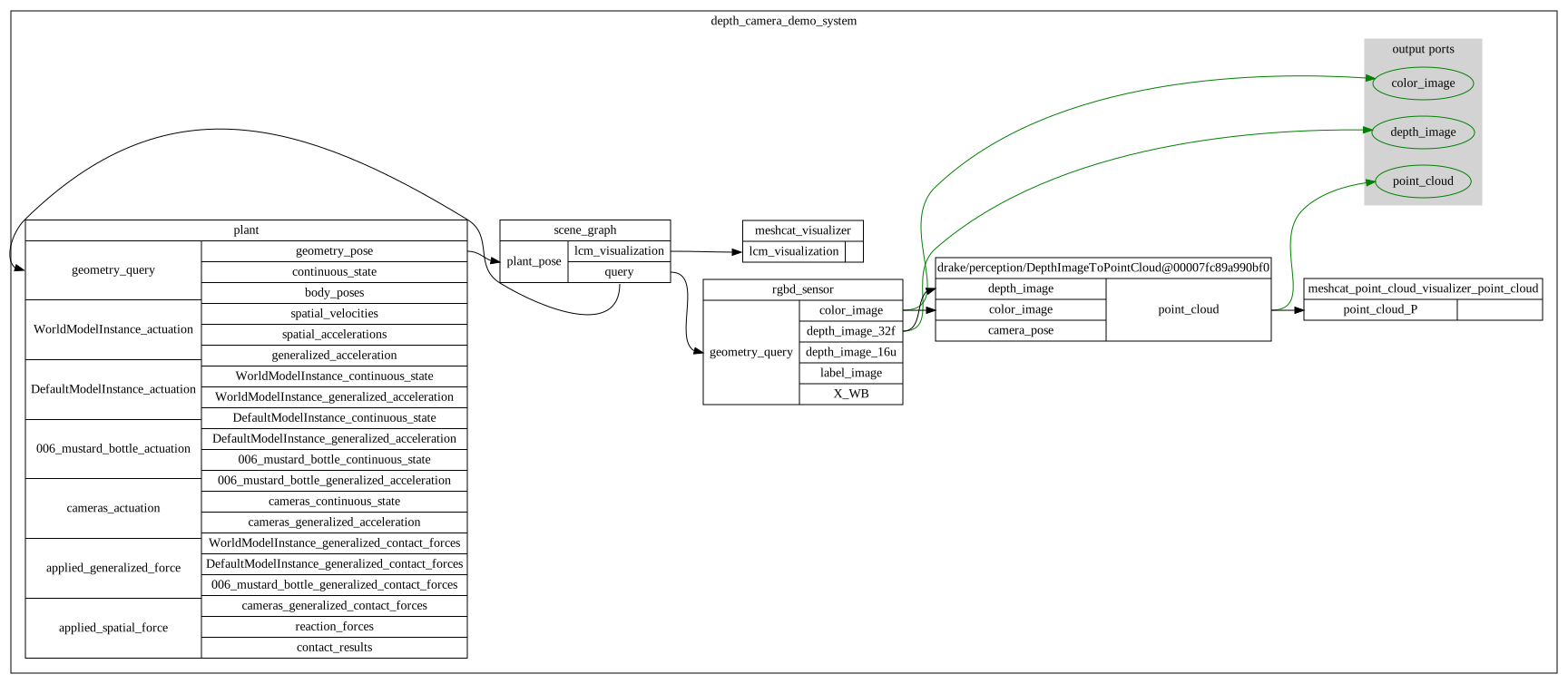
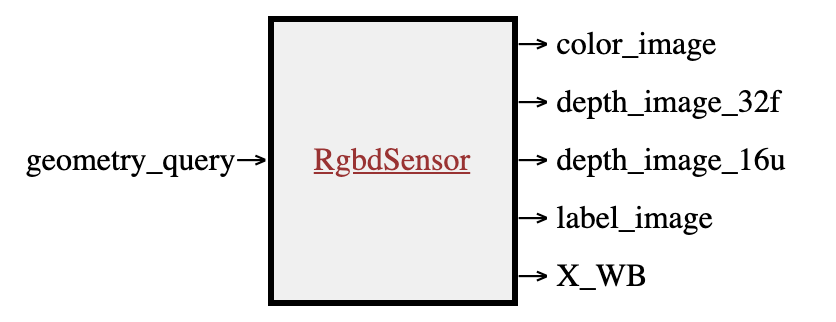
from the docs: "Each pixel in the output image from depth_image is a 16bit unsigned short in millimeters."
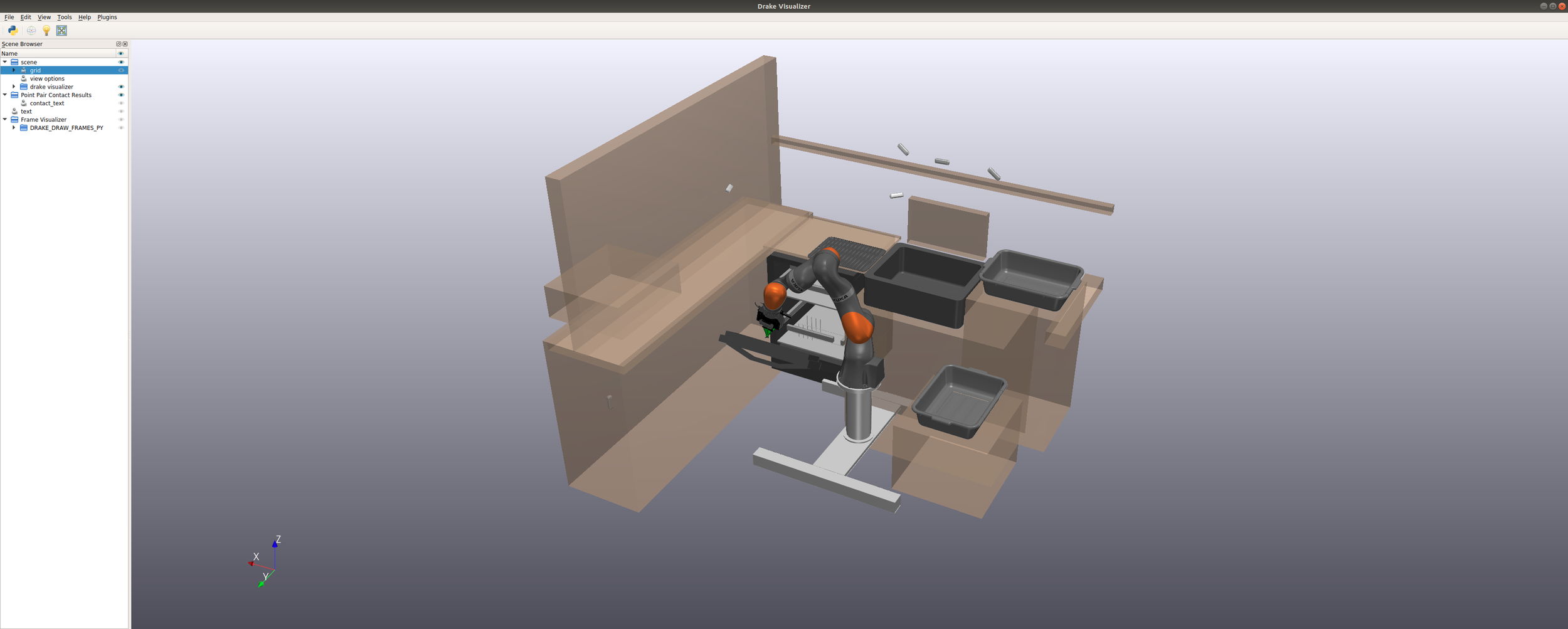
two on wrist
figure from Chris Sweeney et al. ICRA 2019.
By russtedrake
MIT Robotic Manipulation Fall 2020 http://manipulation.csail.mit.edu