




russtedrake PRO
Roboticist at Walden Robotics and MIT
MIT 6.421
Fall 2026, Lecture 2
Russ Tedrake
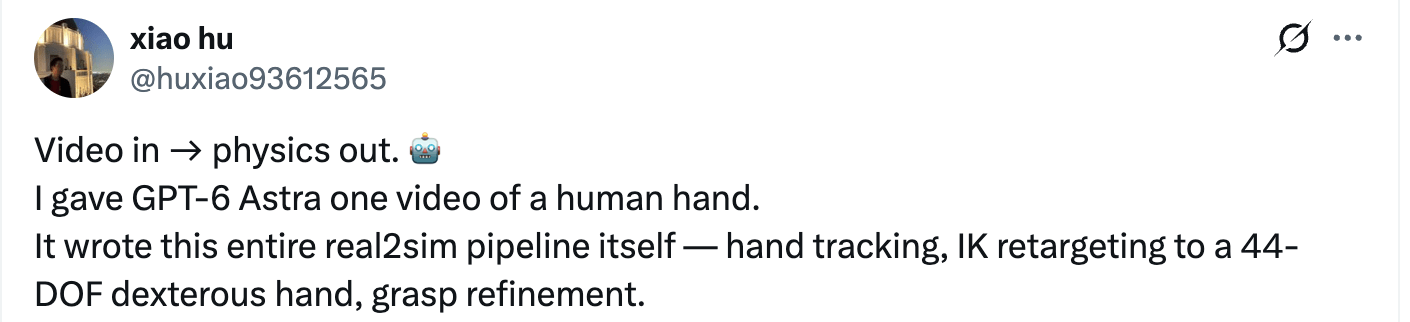
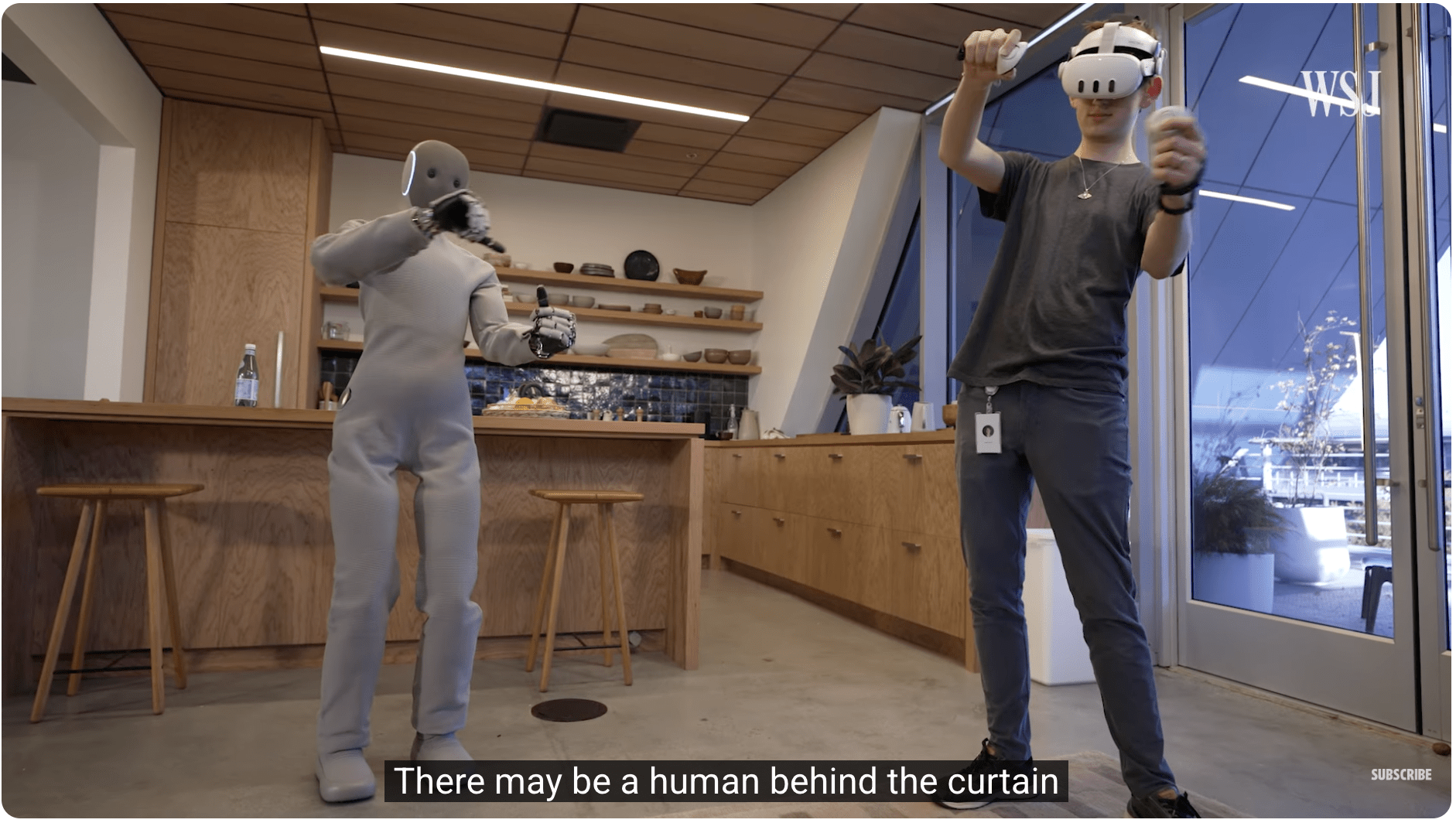
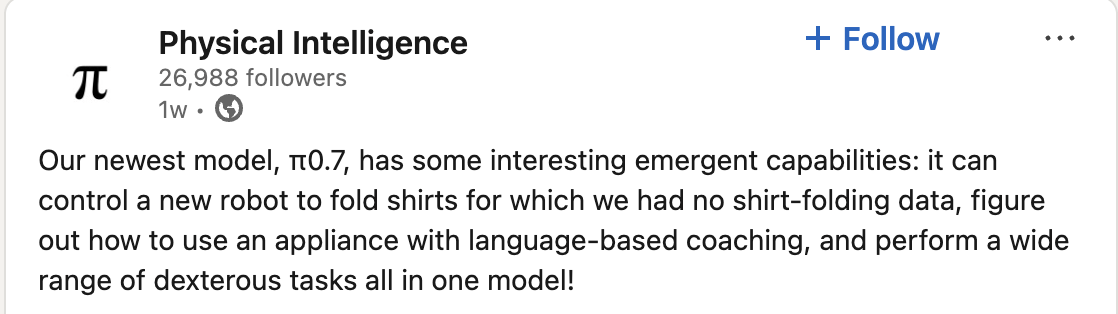
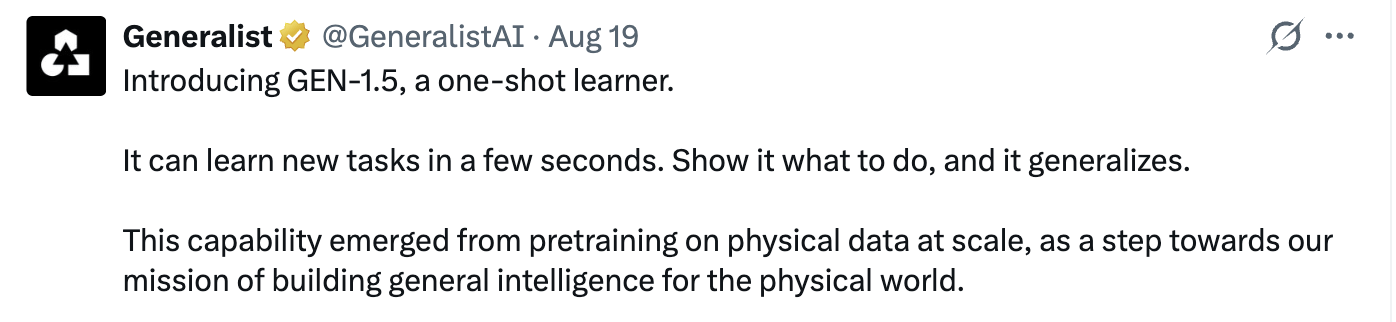
Walking into the building just before lecture 1 last week, I overheard:
Note: It did take 2.5 minutes to run..., so it's a harbinger, but not quite ready to ship...
“Pick up the red block from the table and place it inside the bowl” using Inspect Robots
note: BC is one type of imitation learning
note: BC is one type of imitation learning
Why is RL dominant for locomotion, but imitation learning more dominant for manipulation?
(And how will that evolve over the coming years...?)
"Single-task" learning
Multitask behavior cloning
vision encoder
language encoder
action
decoder
robot joint encoder
vision encoder
action
decoder
robot joint encoder
dexterity
generality
large-scale transformer-based multitask learning??
Initial scaling laws look very promising
(but it's very hard to evaluate from social media posts; there is still a lot to do!)
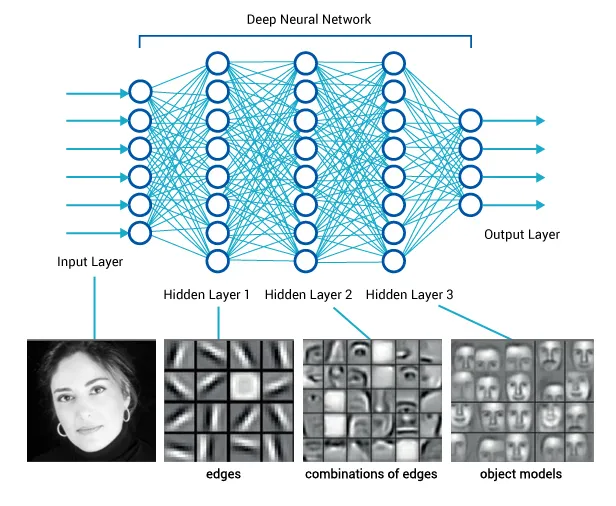
Often very simple, e.g. 3 layer, 255 unit, multilayer perceptrons (MLPs)
Levine*, Finn*, Darrel, Abbeel, JMLR 2016
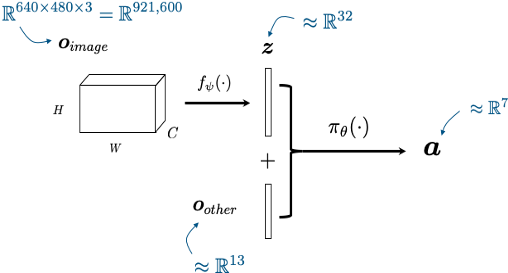
perception network
(often pre-trained)
policy network
other robot sensors
learned state representation
actions
x history
omni model
text, images,
video, audio, ...
robot sensors
text, images,
video, audio, ...
robot actions
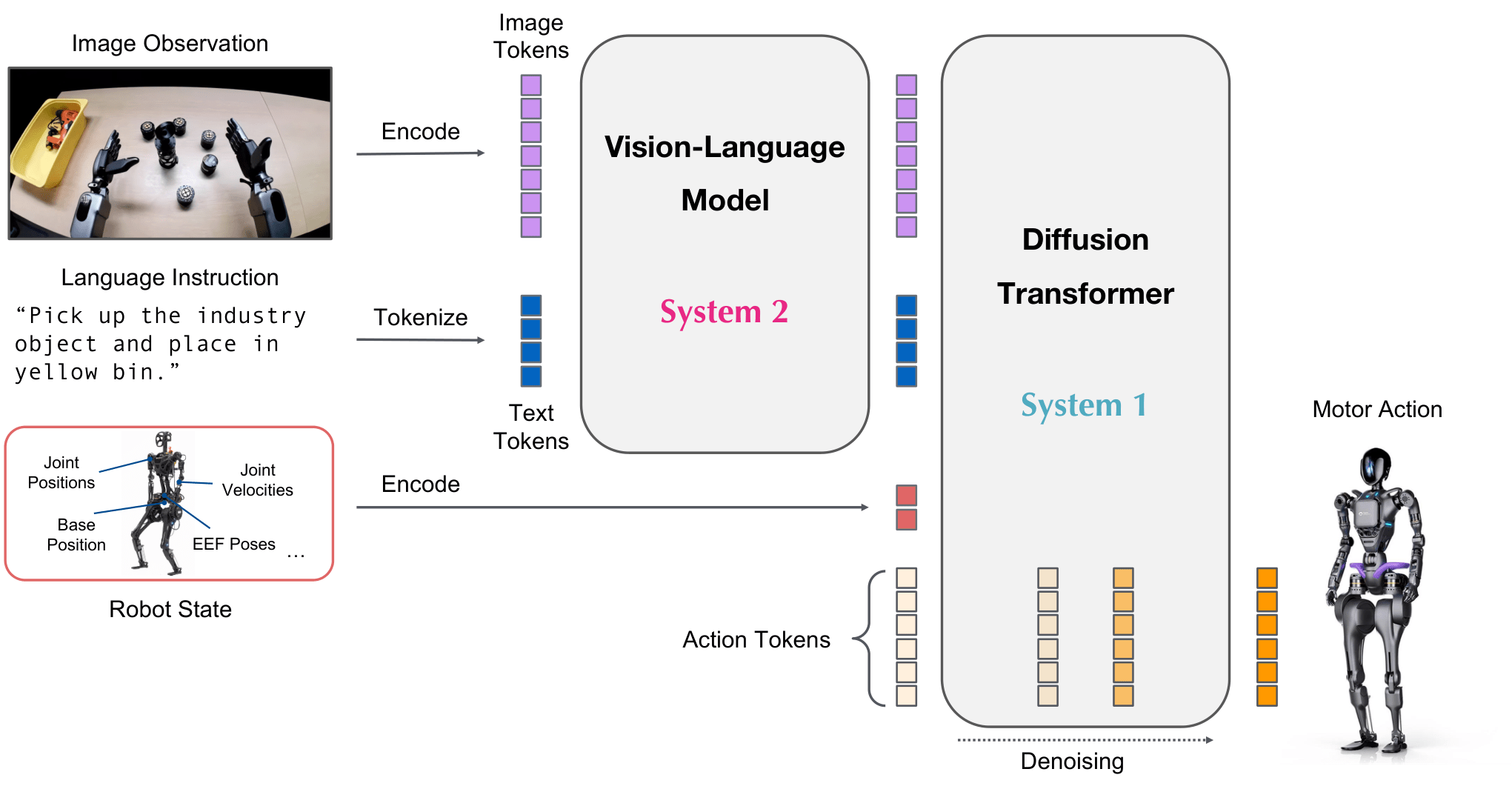
example: GR00T N1 architecture
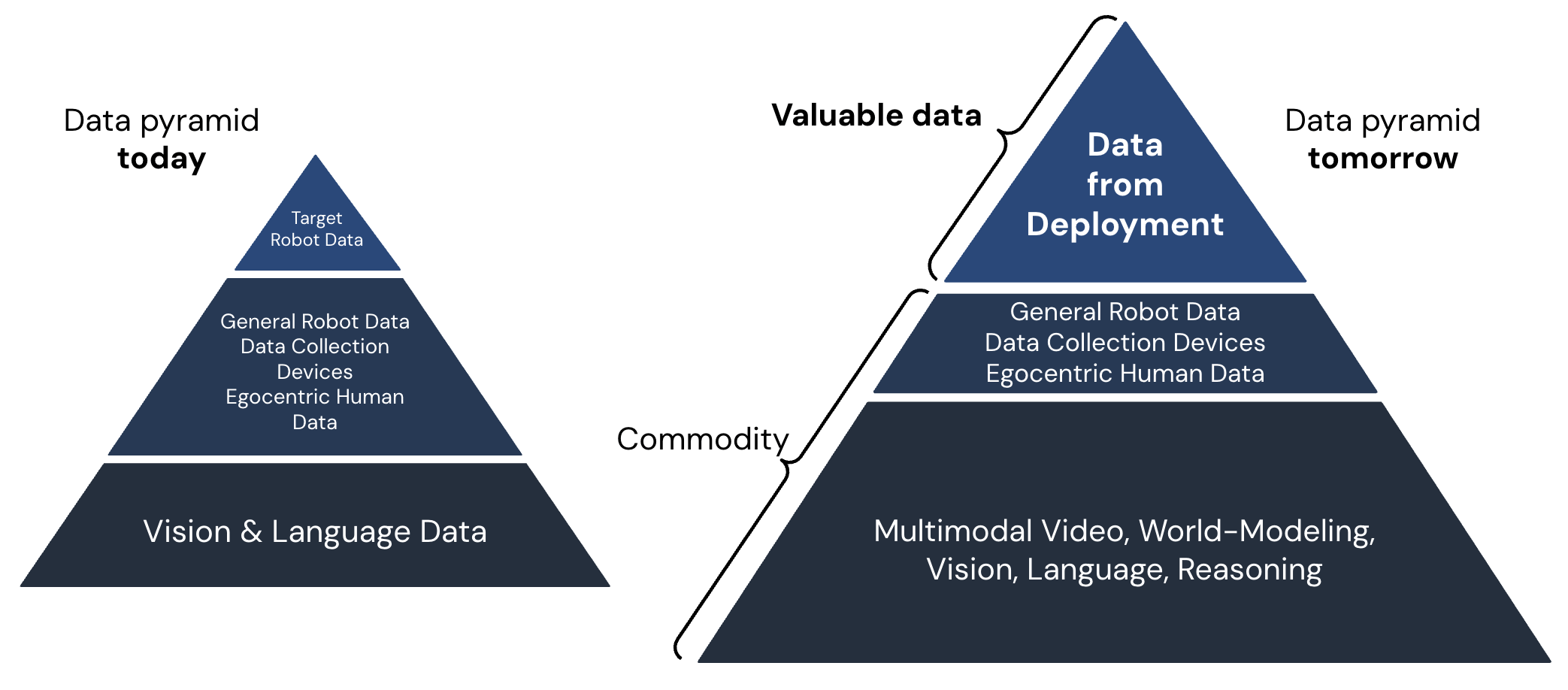
Big data
Big transfer
Small data
No transfer
robot teleop
(the "transfer learning bet")
Open-X
simulation rollouts
novel devices
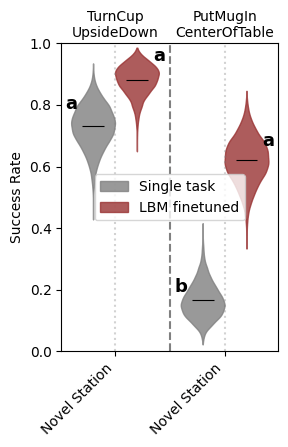
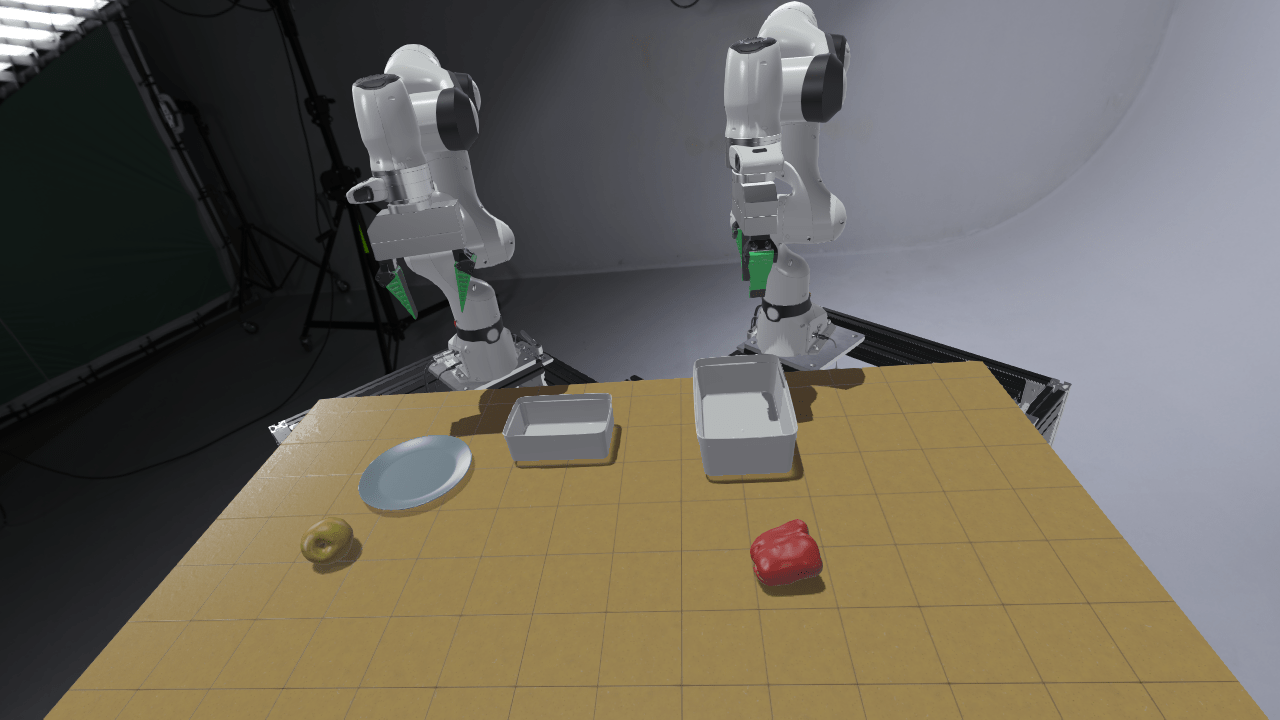
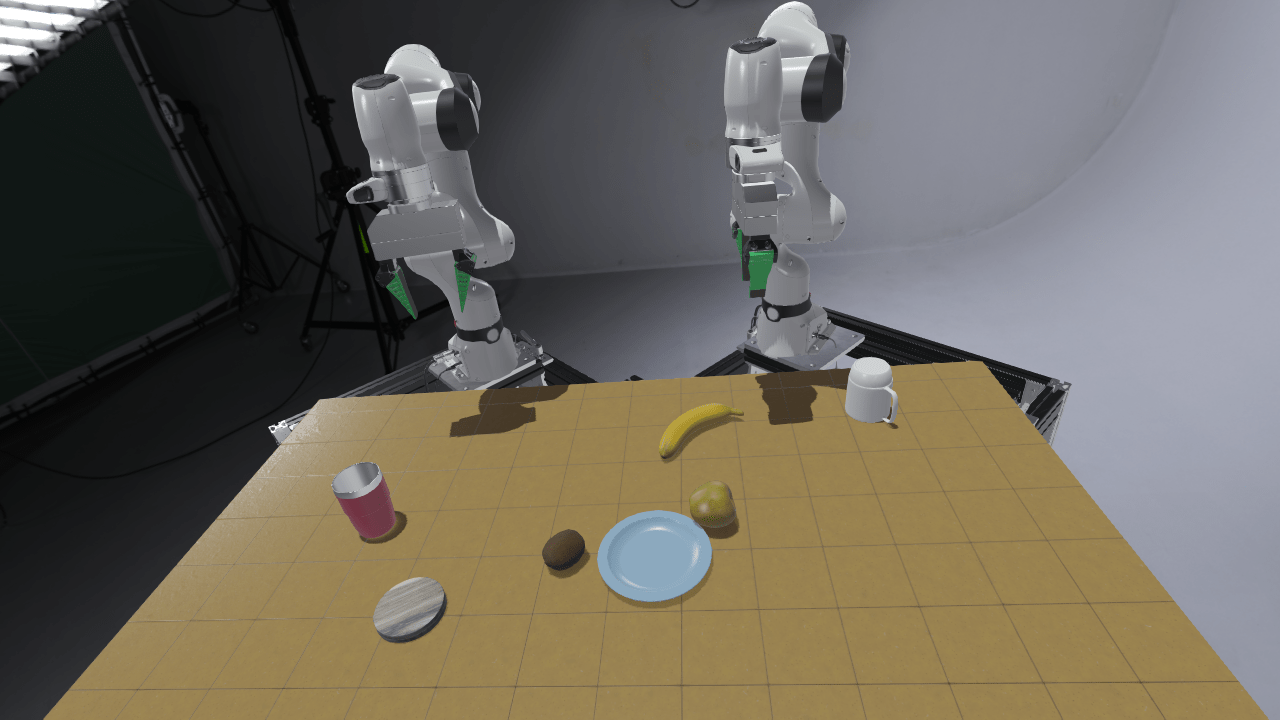
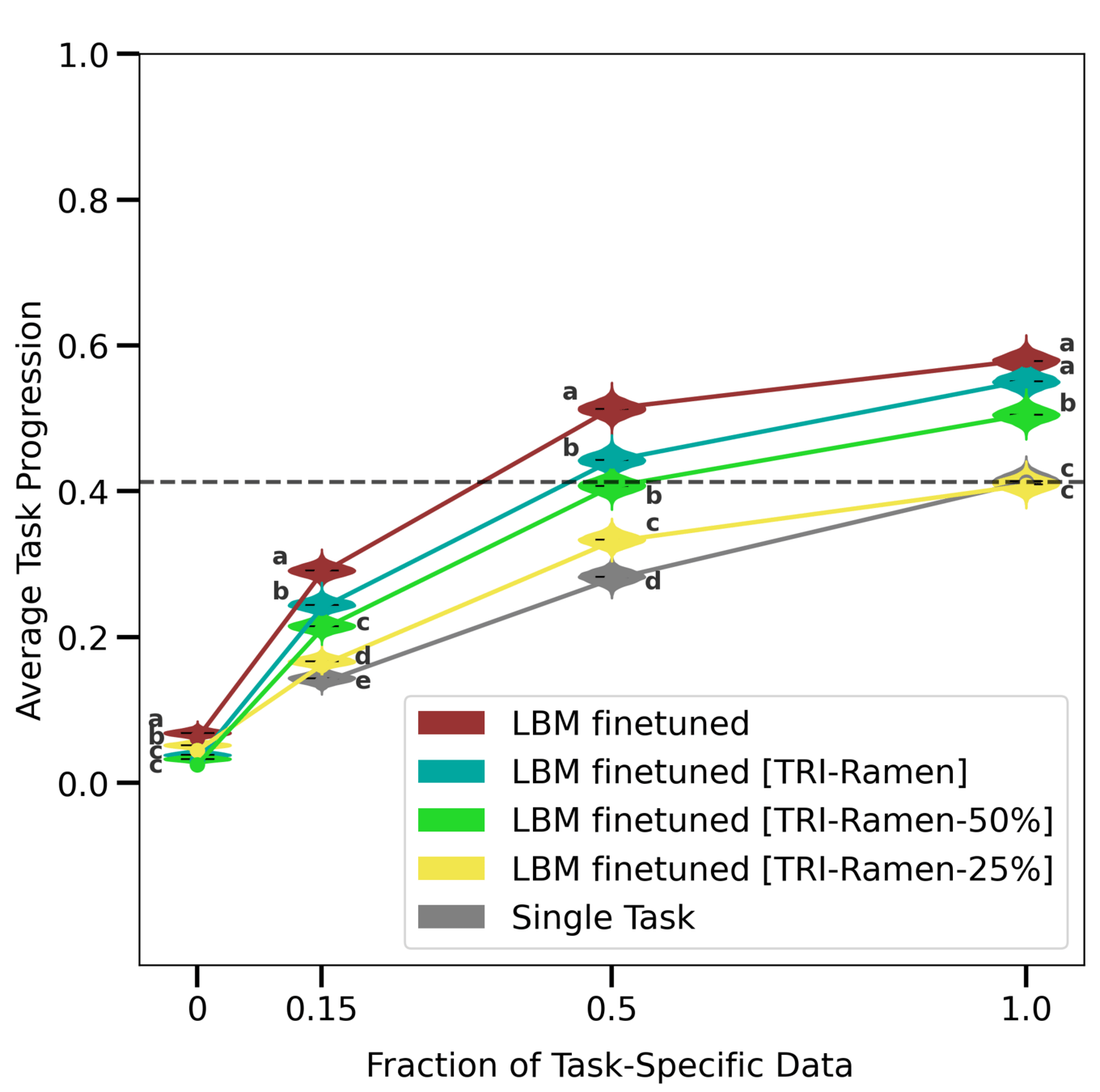
from the LBM 1.0 paper
more data from this task
more data from other tasks
fine-tuning
pretraining
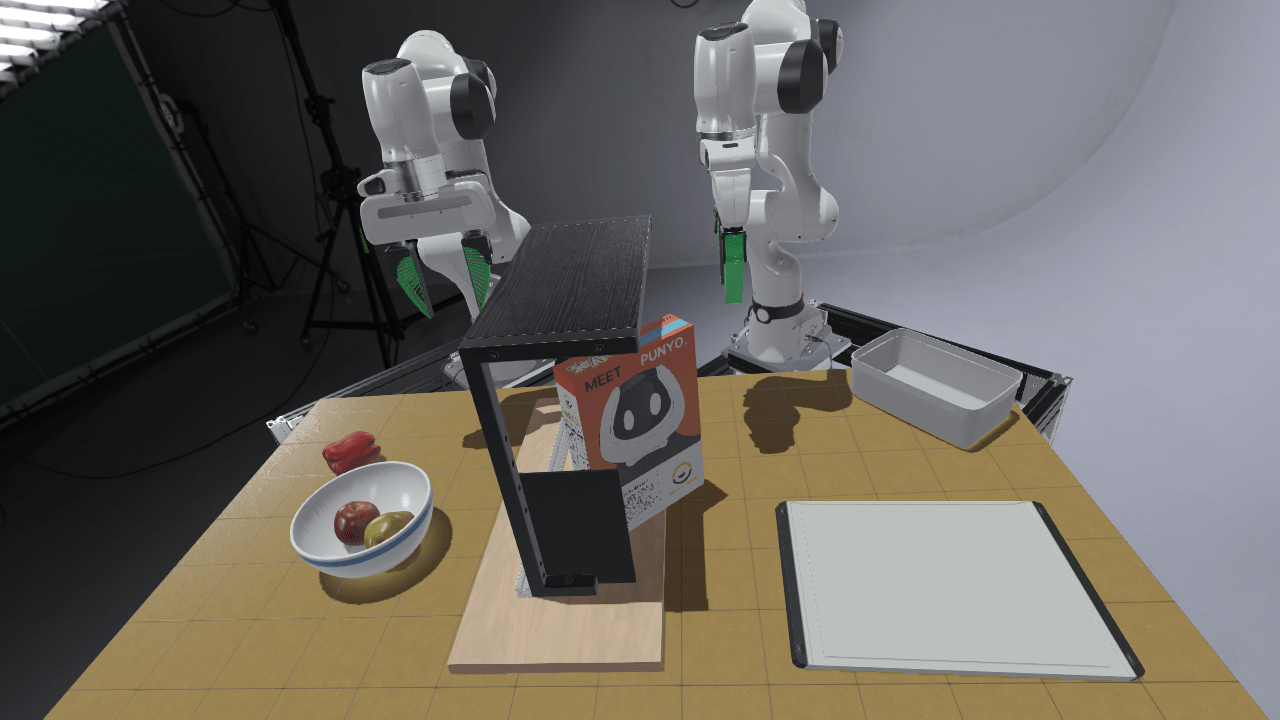
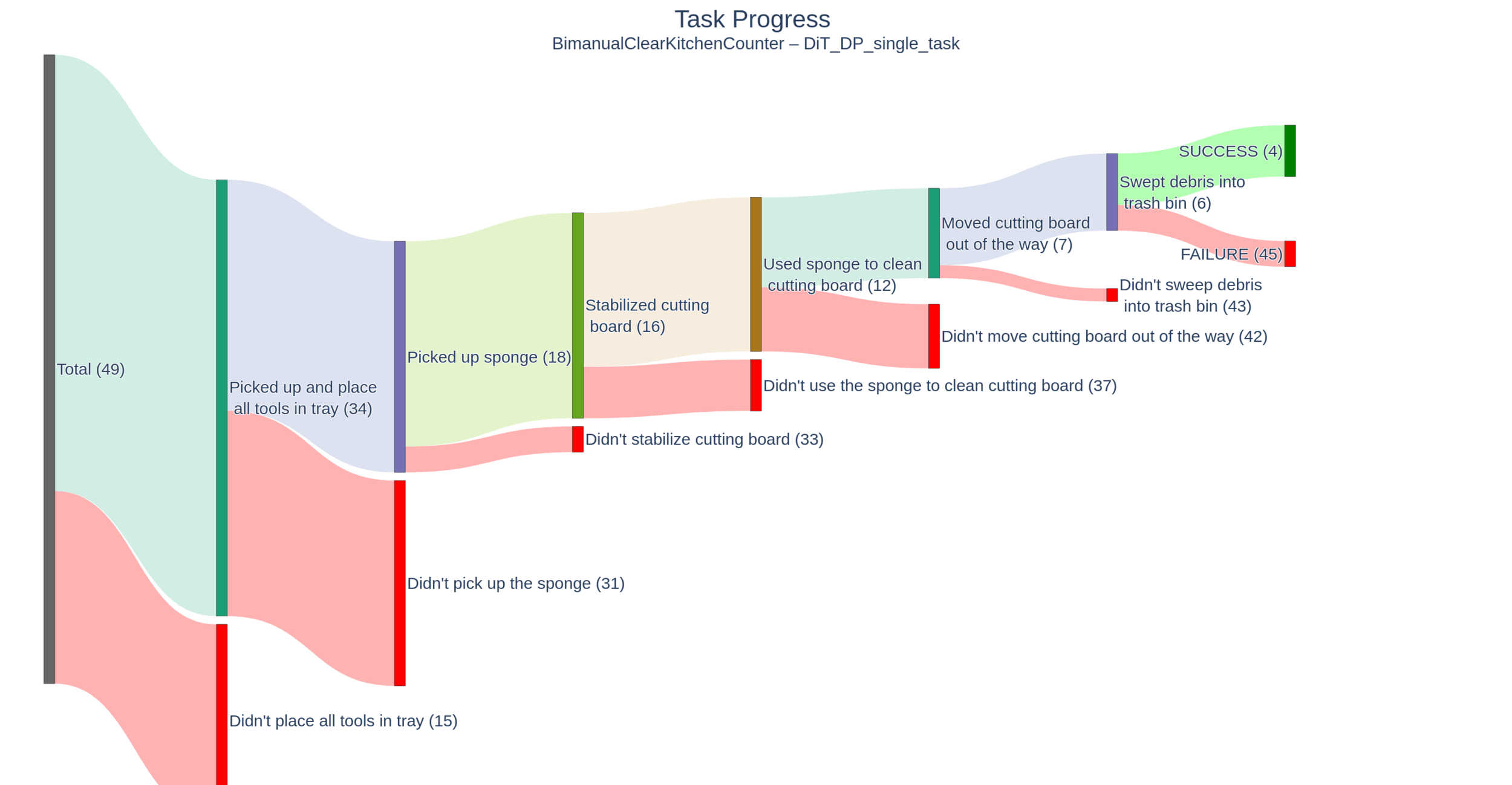
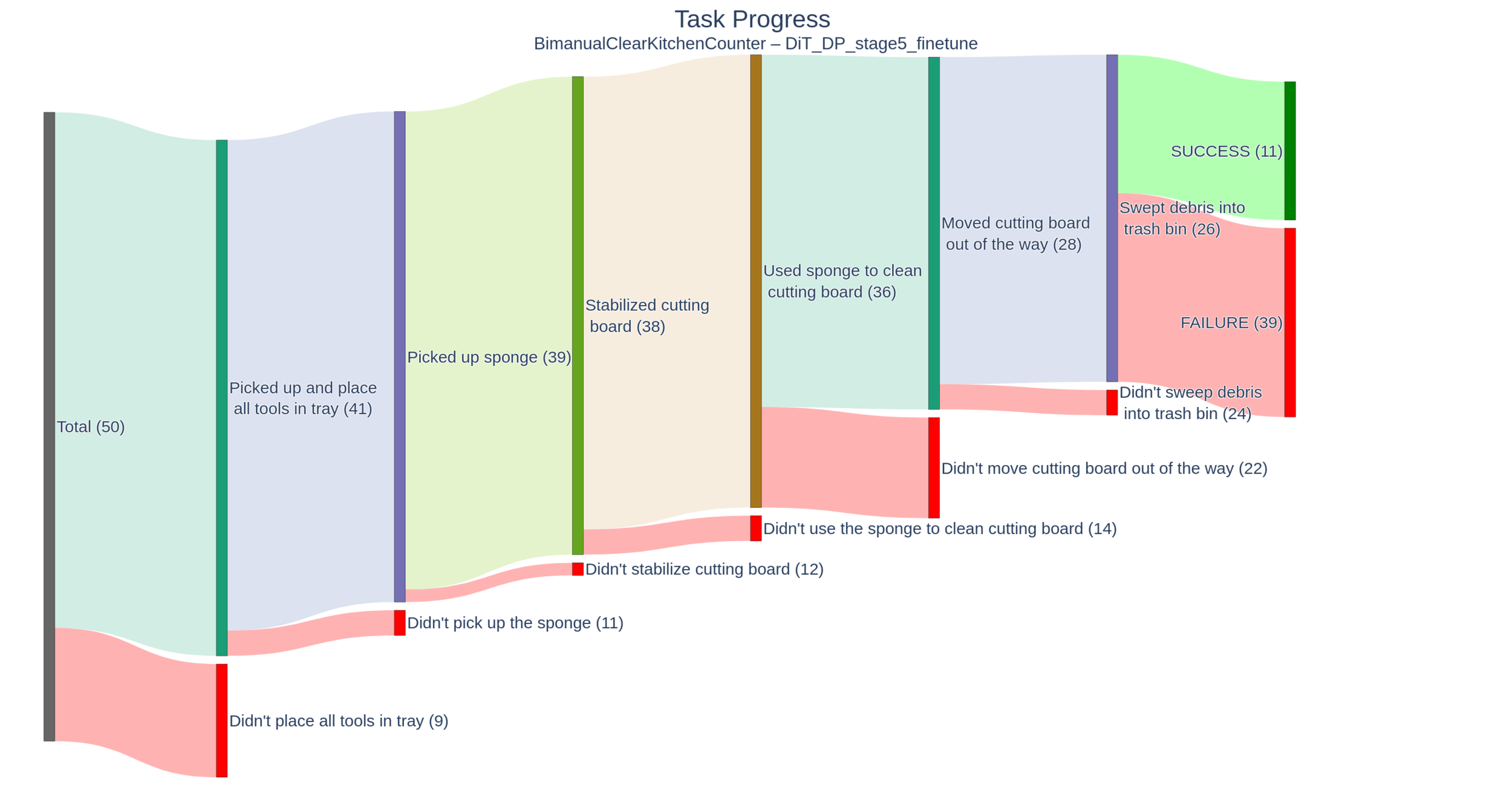
ClearKitchenCounter
Single task
LBM finetuned
By russtedrake
MIT Robotic Manipulation Fall 2026 http://manipulation.mit.edu